SS-Sonderkommando Belzec

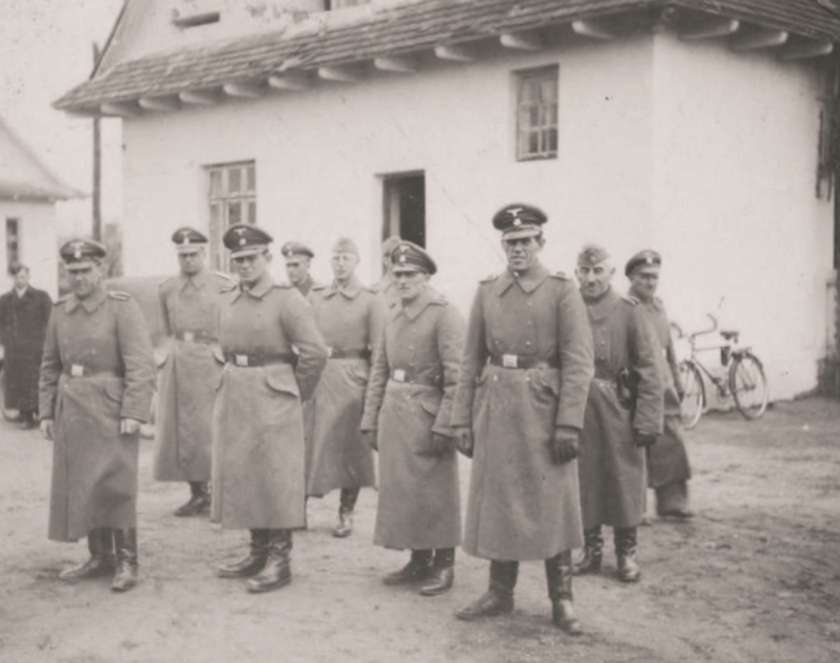
Group of men wearing German SS uniforms standing in front of a white building.

Forced Labour Camp
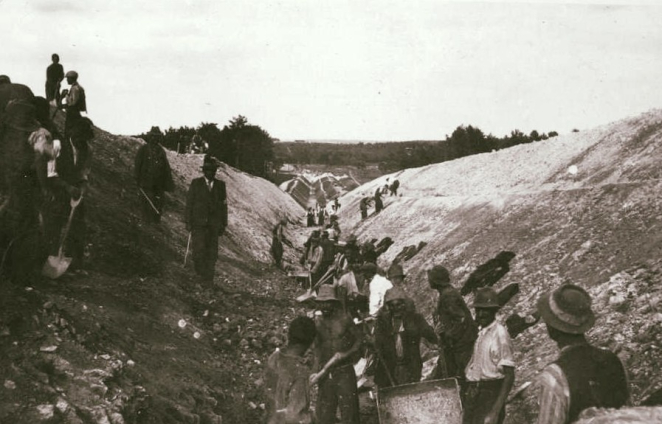
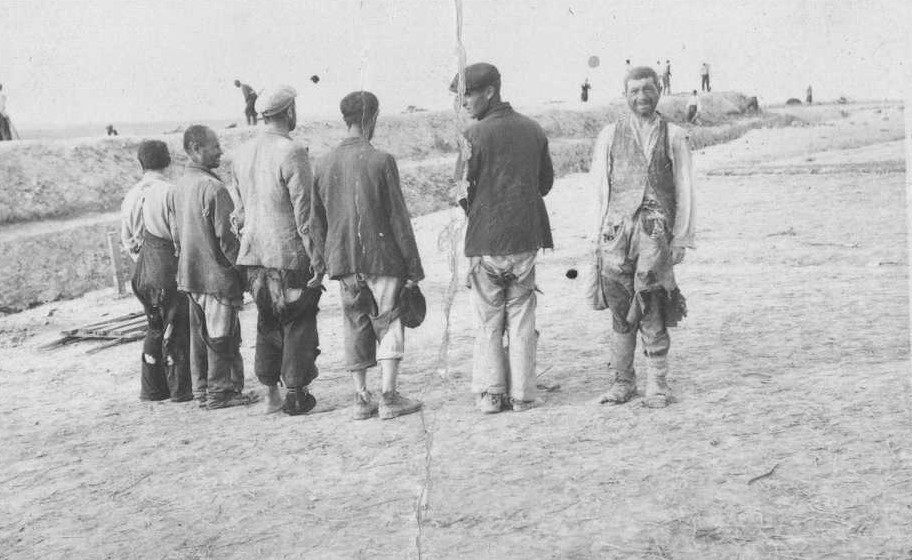
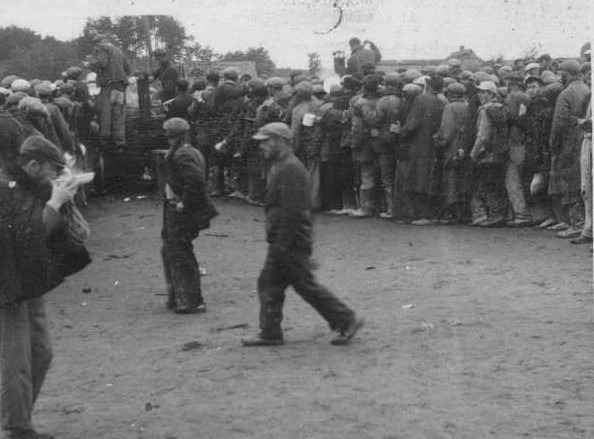
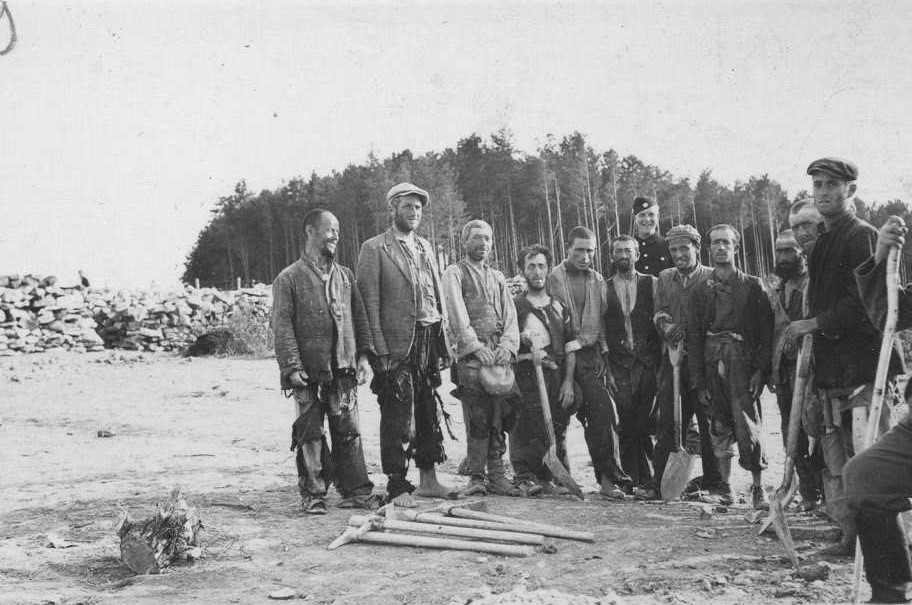
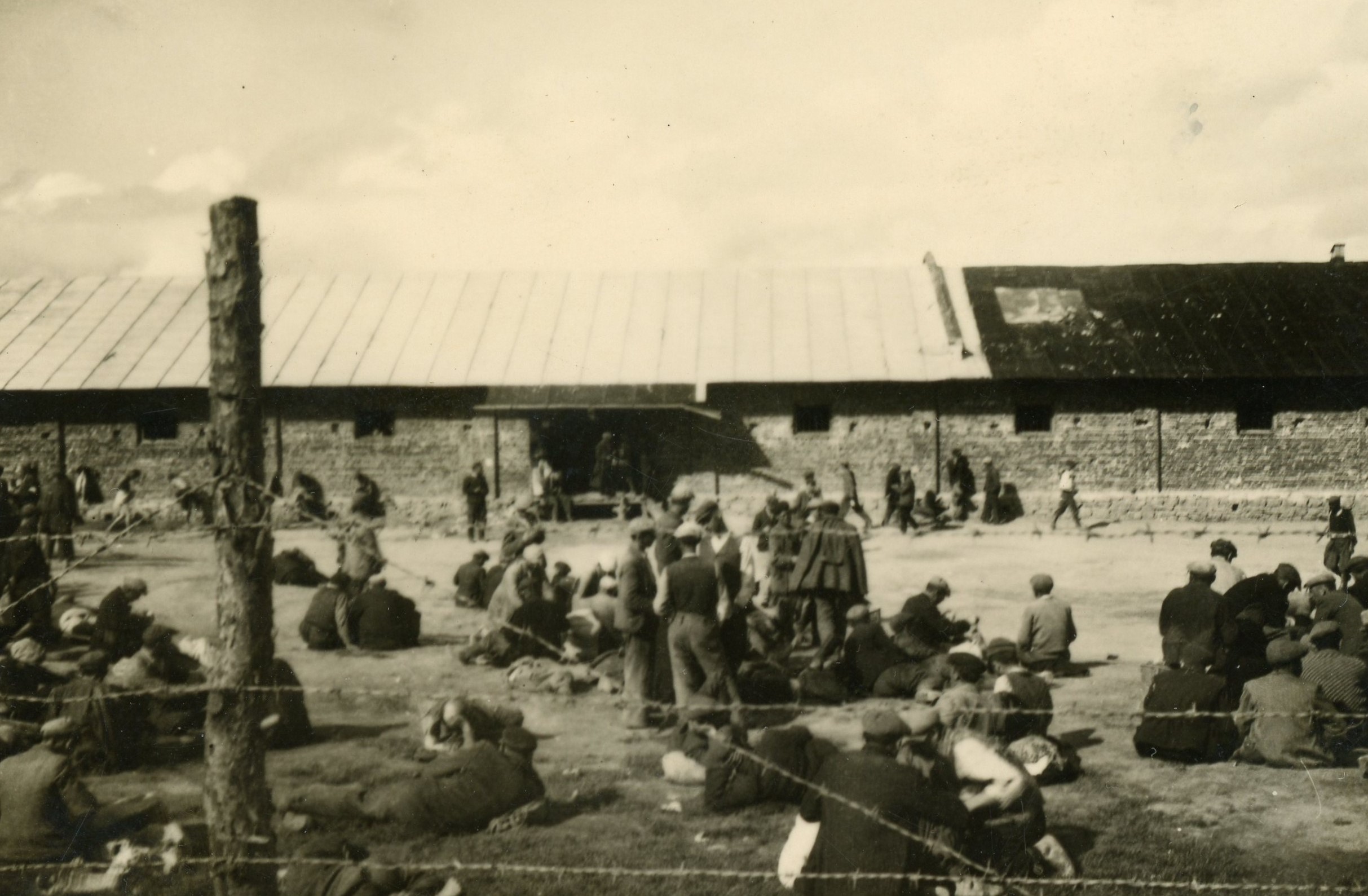
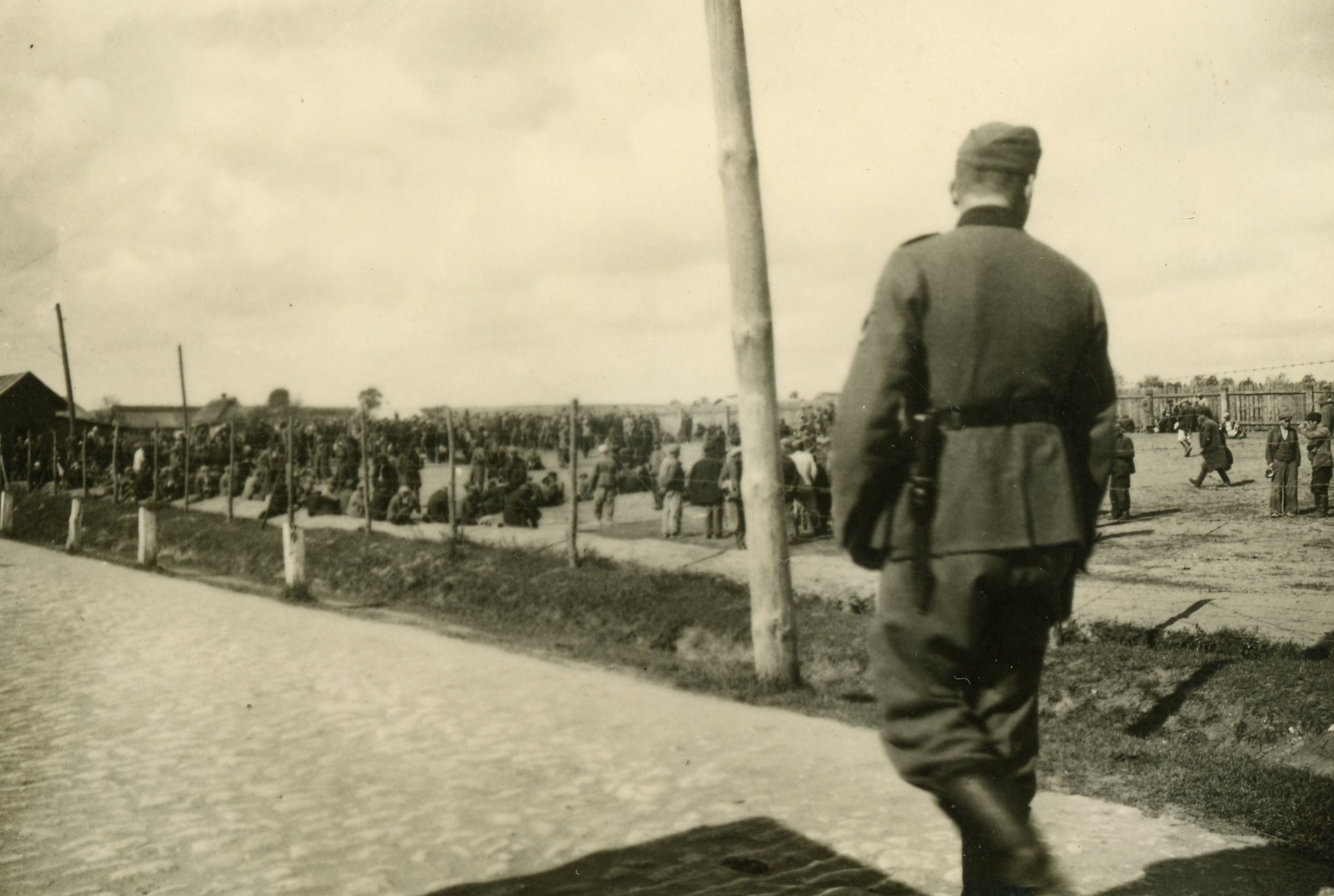
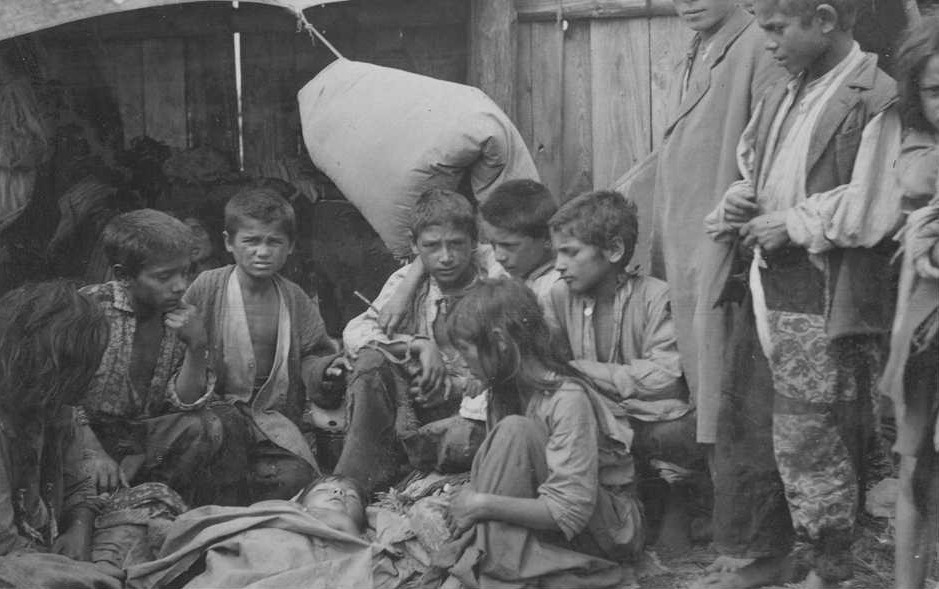
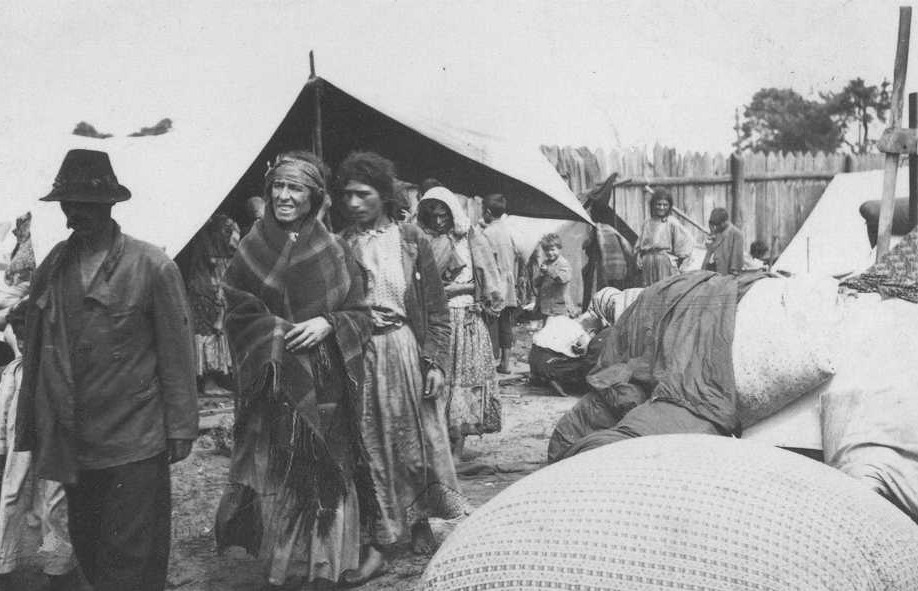
Before World War II, Bełżec was a small settlement inhabited mostly by Poles, Ukrainians, and Jews, and located in the Rawa Ruska county, Lwów voivodeship. After the conflict’s outbreak, it fell under the German occupation and at the border zone between the Third Reich and the Soviet Union. In May 1940, the Germans established a forced labour camp in Bełżec and its aim was to build border fortifications. Across the next several months, over 11,000 prisoners were detained there, mostly Sinti, Polish Roma, Jews, and Polish peasants. SS-Sturmbannführer Hermann Dolp was the camp commandant.

Several dozen people working with shovels inside a long trench.
Fortification works at the German-Soviet border, 1940.

Following the German invasion on the Soviet Union in June 1941, Bełżec found itself on the three districts of the General Government – Lublin, Kraków, Galicia – which were inhabited by approximately 1,000,000 Jews. Its location near the railway line connecting Warsaw with Lviv as well as the nearby junction station in Rawa Ruska made it a convenient area for creating the first extermination camp of operation “Reinhardt”. It was most probably suggested to the commander of the SS and police forces in the Lublin district, Odilo Globocnik, by the former garrison of the forced labour camp. The first group of SS-men arrived in Bełżec in late October 1941.

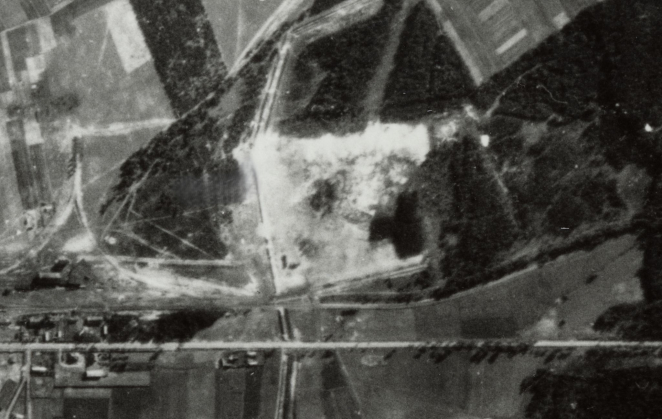
Aerial photograph, former camp area of a square-like shape and bright colour, surrounded by greenery.
1944 aerial photograph of the former camp grounds.

Construction of SS-Sonderkommando Belzec

Construction of the extermination camp began on 1 November 1941, and ended most probably at the turn of February and March 1942. The facility covered a rectangular-like area of around 7 hectares. It was enclosed with double barbed wire fences with a row of pine trees planted between them. Branches were also interwoven with the barbed wire for additional camouflage. Sentry towers were placed in its every corner, and an additional one in the central, elevated spot inside the camp.

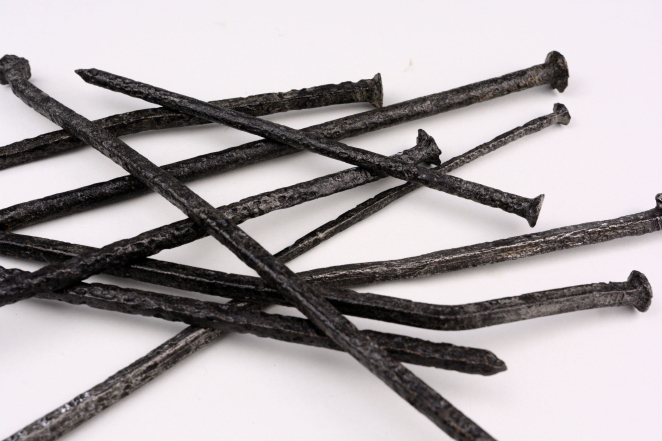
Black, long nails placed on a white background.
Nails unearthed during archaeological excavations conducted on the former camp grounds.

The first group of construction workers comprised around 20 men from Bełżec and other nearby settlements. Completely unaware of their future purpose, they erected the first three camp structures. The watchmen from Trawniki (where their training facility was located) also participated in the construction works. On 23 December 1941, those labourers were replaced with at least 120 Jews arrested in the nearby town of Lubycza Królewska. They accomplished the remaining works and then they were murdered in February or early March during the test runs of the gas chambers.

The death camp in Bełżec was the first Holocaust killing centre, where stationary gas chambers were build and applied. Initially, the victims were murdered with pressurised carbon dioxide from metal tanks, but that method was quickly replaced with exhaust fumes generated by an engine from a Soviet tank.

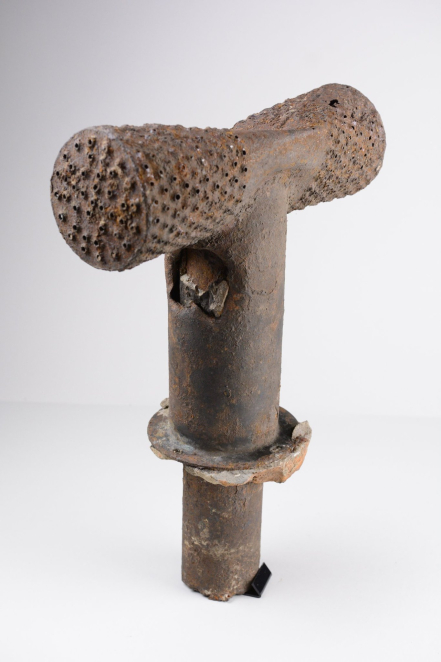
A heavily corroded, T-shaped metal fragment of a structure, found on the site of a former German extermination camp. The artefact consists of a vertical pipe with a wide flange at the bottom and a transverse head with numerous small holes at the ends, resembling a sieve. The object is covered with a thick layer of rust and pitting, and a crack is visible in the upper part of the shaft.
A piece of gas chamber equipment found on the former camp grounds, which used to emit exhaust fumes used in the killing process.

Camp Topography

SS-Sonderkommando Belzec was divided into two zones. The lower camp (Lager I) was the transport reception area, where deportees undressed and women had their hair cut and shaved. The upper camp (Lager II) was the extermination part. Both zones were separated with a dense fencing of pine trees that concealed the mass murder. A specially demarked and enclosed path named “the sluice” (Ger. die Schleuse) led to the gas chambers.

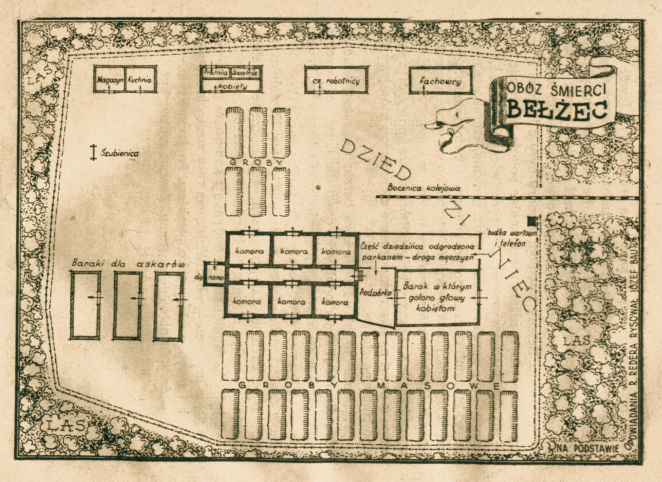
Plan of the death camp in Bełżec with rows of rectangular barracks, trees, and large empty squares marked as yards.
Plan of the death camp in Bełżec drawn by Józef Bau and included in the memoir of the Holocaust survivor Rudolf Reder published in 1946.

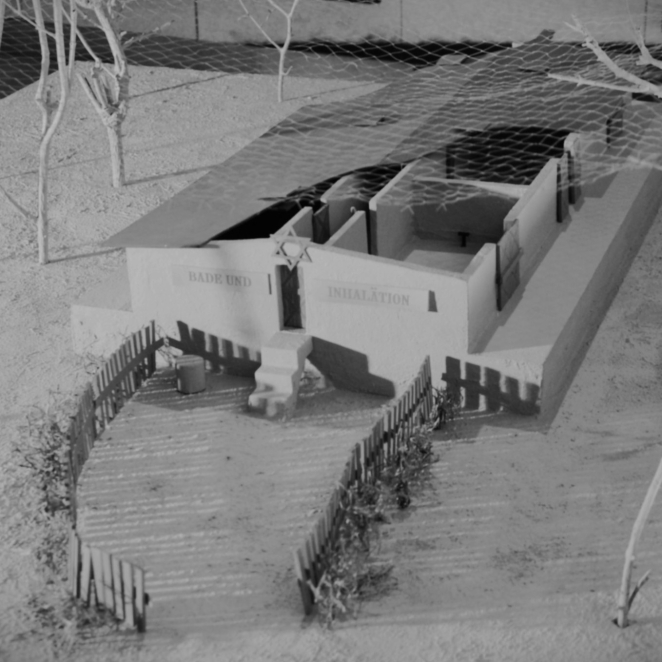
Initially, only three wooden barracks were erected in the camp: an undressing barracks, a barbers’ barracks, and a gas chamber. Over time, more structures were built to accommodate some Jewish prisoners as well as to house a laundry, sewing workshops, and quarters for the sentry guards.

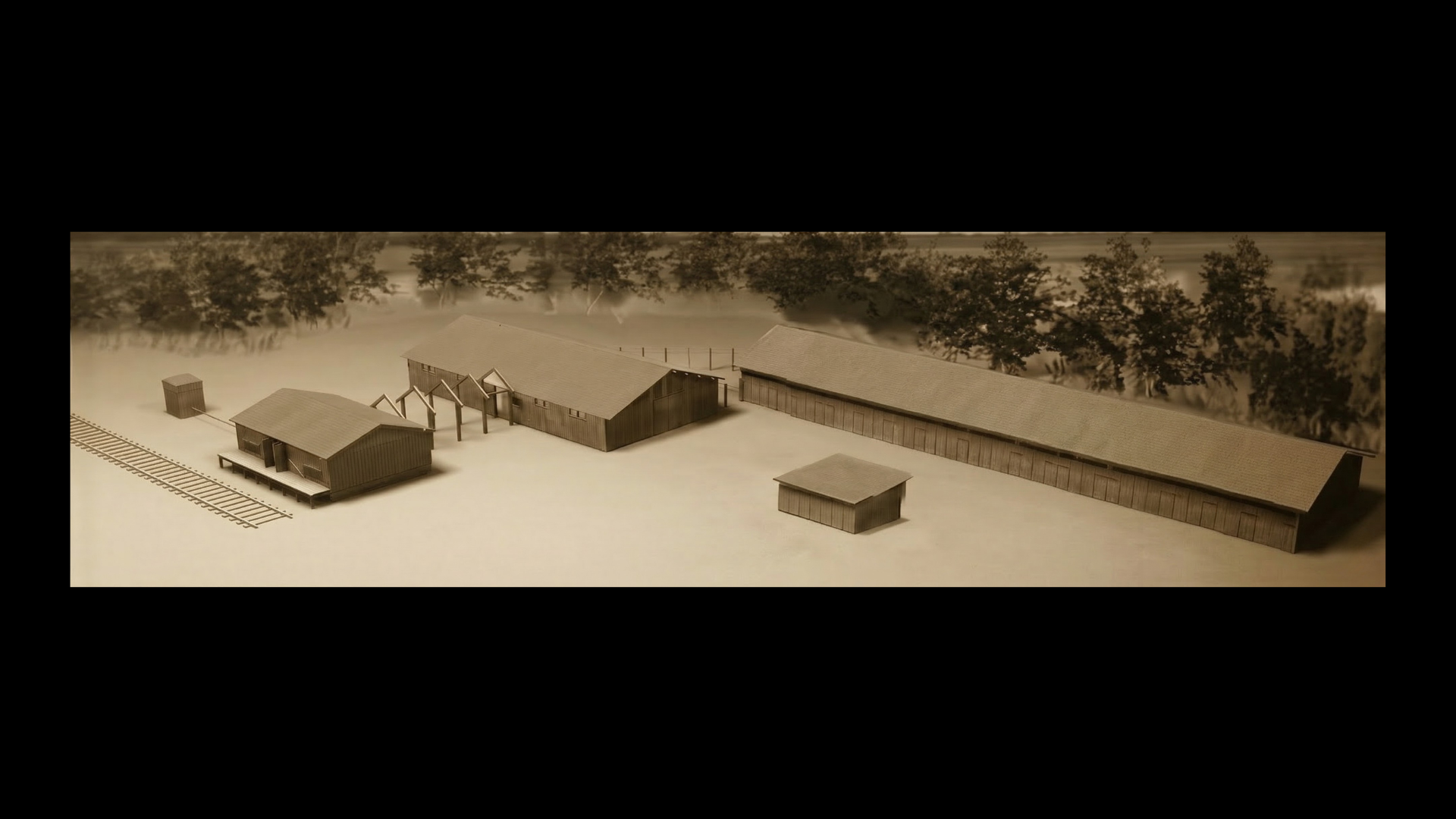
The diorama/model is a reconstruction of the first buildings at the Bełżec extermination camp. The photograph is in sepia tones. The camp buildings visible here include: railway tracks, the unloading ramp, the building housing the gas chambers, the barbers' workshop and the undressing room. The diorama captures the layout and appearance of the camp’s first buildings.
Model representing the first structures erected on the grounds of the extermination camp in Bełżec.

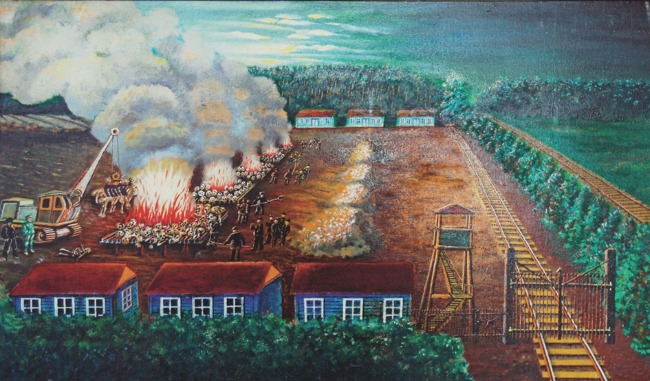
During the first stage of the camp’s operation, i.e. in the spring of 1942, between eight and ten train cars with deportees could be brought directly onto its grounds. At the turn of June and July 1942, the Germans remodelled the camp: expanded the railway ramp, which allowed for bringing in twenty train cars at a time; and erected a new, concrete gas chamber building with six rooms used in killing. For some time, a narrow gauge railway line functioned in the camp, which was used to transport bodies from the gas chambers to the mass graves.

The camp commandant headquarters, SS garrison barracks, and warehouses for all possessions looted from the victims were located in the converted former railway buildings.

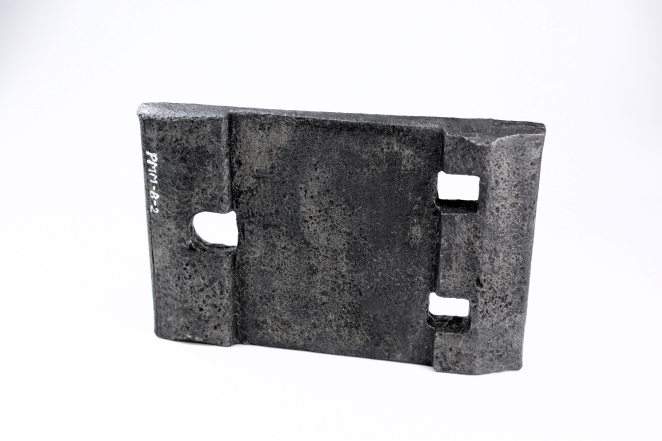
A metal narrow gauge railway tie, positioned vertically against a light, uniform background. The object takes the form of a heavy, rectangular plate made of dark, rough cast iron or steel, showing visible signs of corrosion and pitting. On the side edge there is a white inventory marking: ‘PMM-B-2’. The tie’s design features characteristic grooves and mounting holes: on the left-hand side there is one larger, oval hole, whilst on the right-hand side there are two smaller, rectangular cut-outs.
Narrow gauge railway tie found on the former camp grounds during archaeological excavations.

SS Garrison

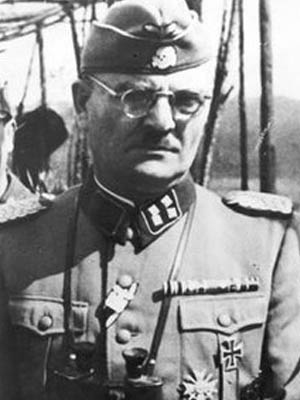
The garrison comprised at least 37 SS-men, including 35 Germans and 2 Austrians with between 15 and 20 stationed in the camp at a time. Christian Wirth was the first camp commandant and was responsible for designing and improving the mechanisms of the facility’s functioning. On 1 August 1942, he was replaced with Gottlieb Hering, who held that position until the final camp liquidation. Before World War II, both commandants served in police and participated in the “T4” forced euthanasia programme targeting the disabled people.

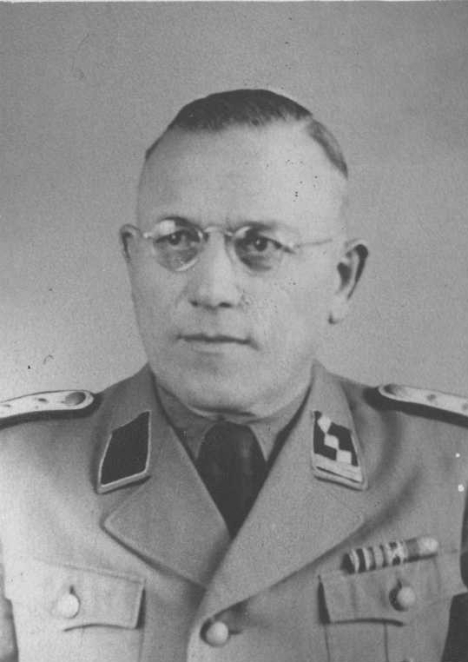
Black and white portrait photograph of a men wearing glasses and a German SS uniform.
Gottlieb Hering

The auxiliary garrison members comprised the watchmen recruited from among the Soviet POWs, mostly of Ukrainian origin. Among them, there were also some Volksdeutche (“ethnic Germans”), Russians and people of other nationalities coming from the territories of the Soviet Union.

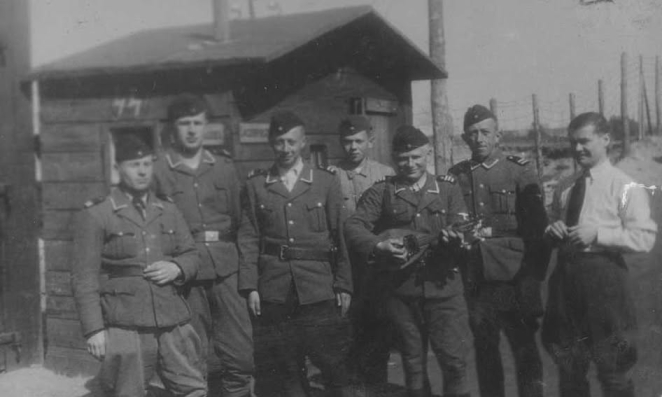
Seven men wearing military uniforms, one of them is holding a mandolin; a small, wooden hut is visible in the background.
Watchmen at the entrance gate of the extermination camp in Bełżec.