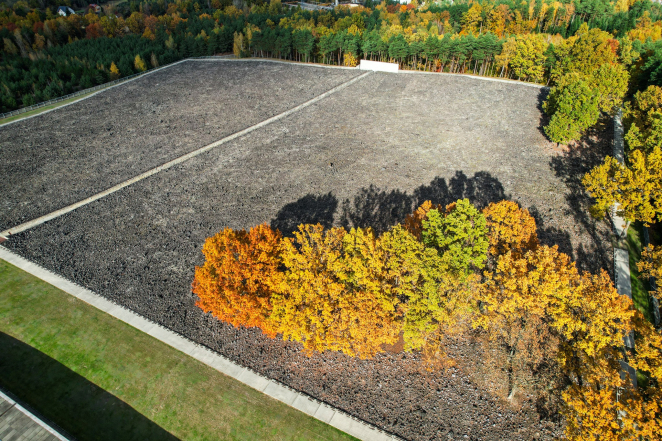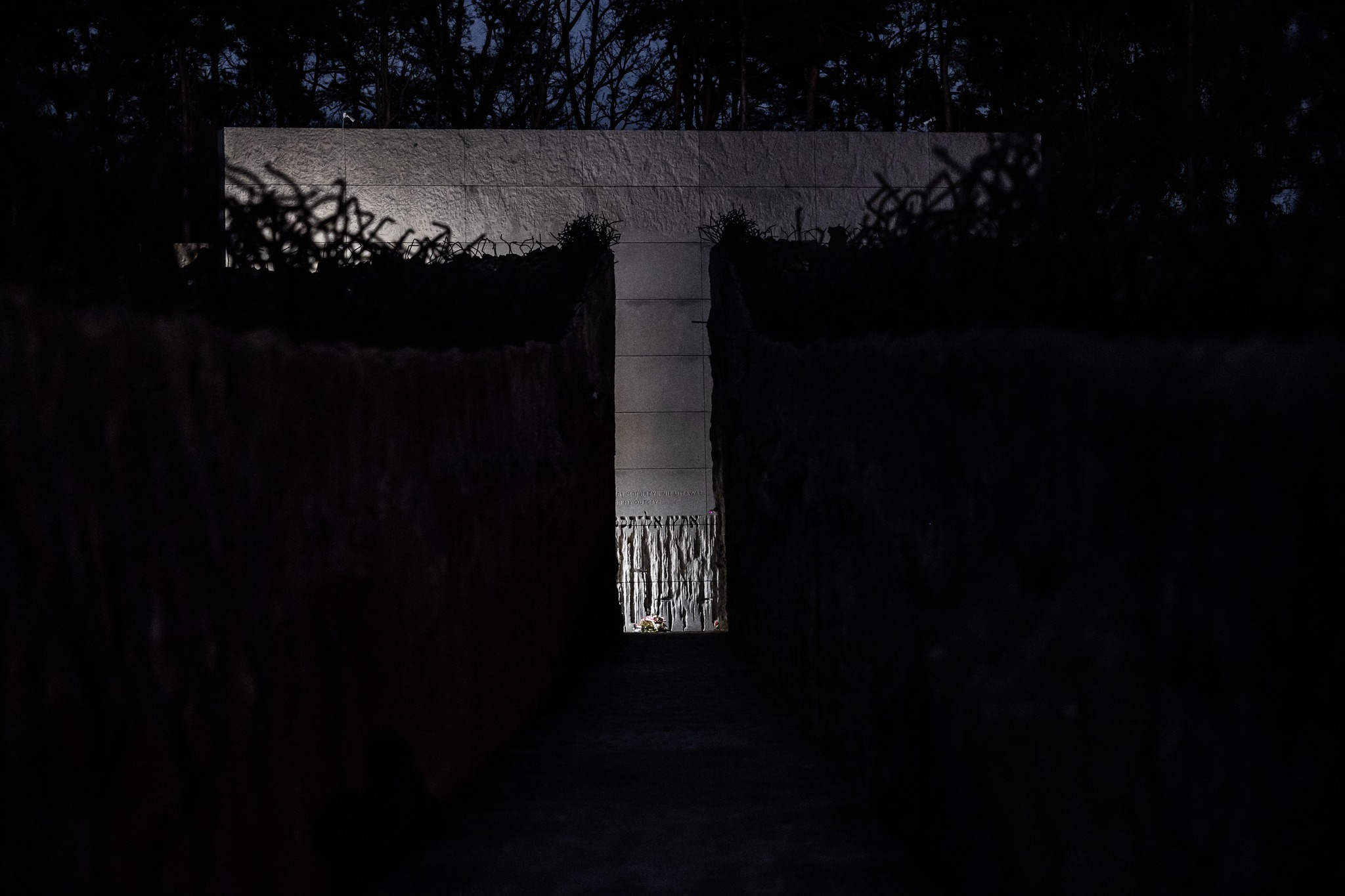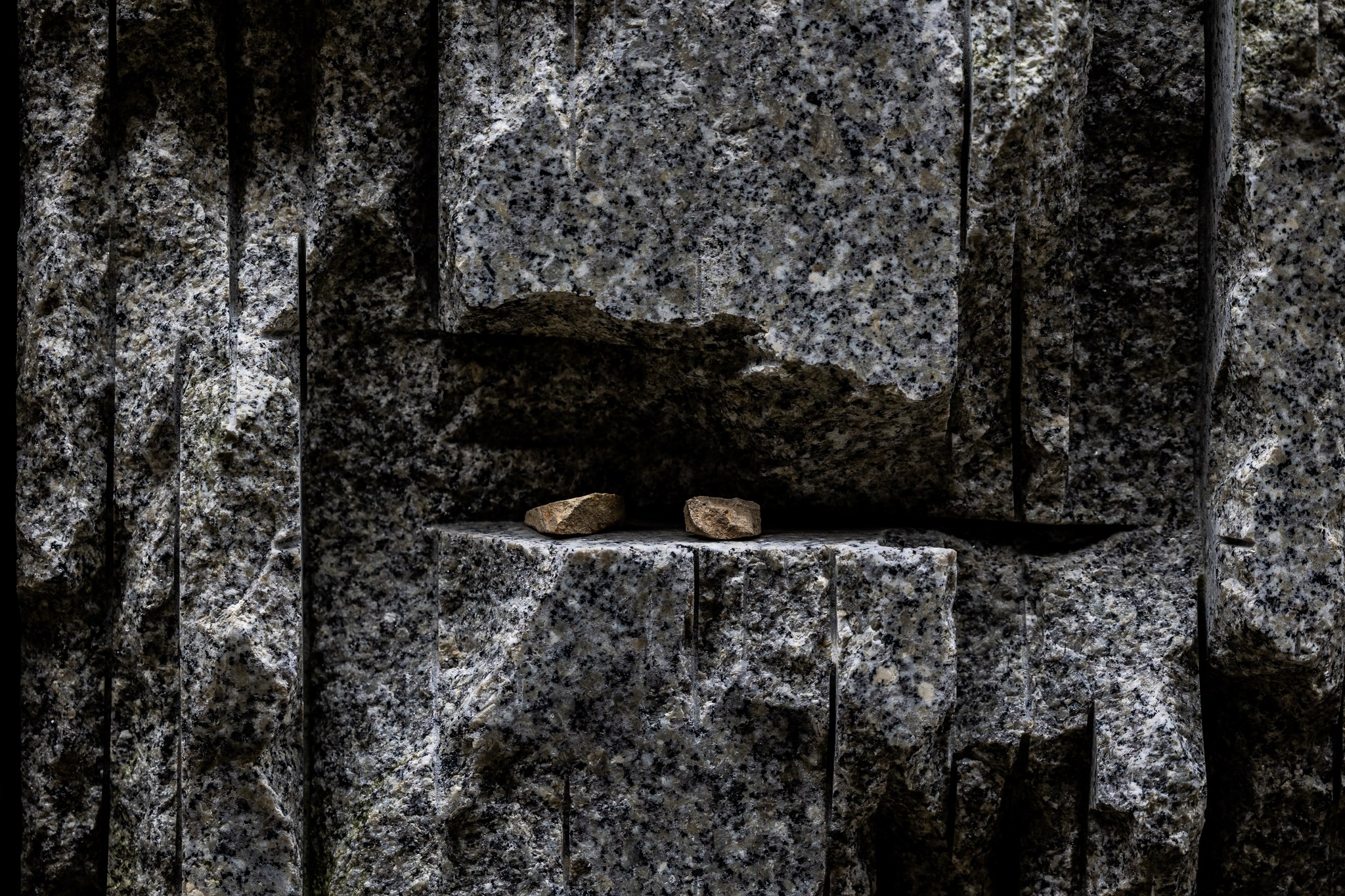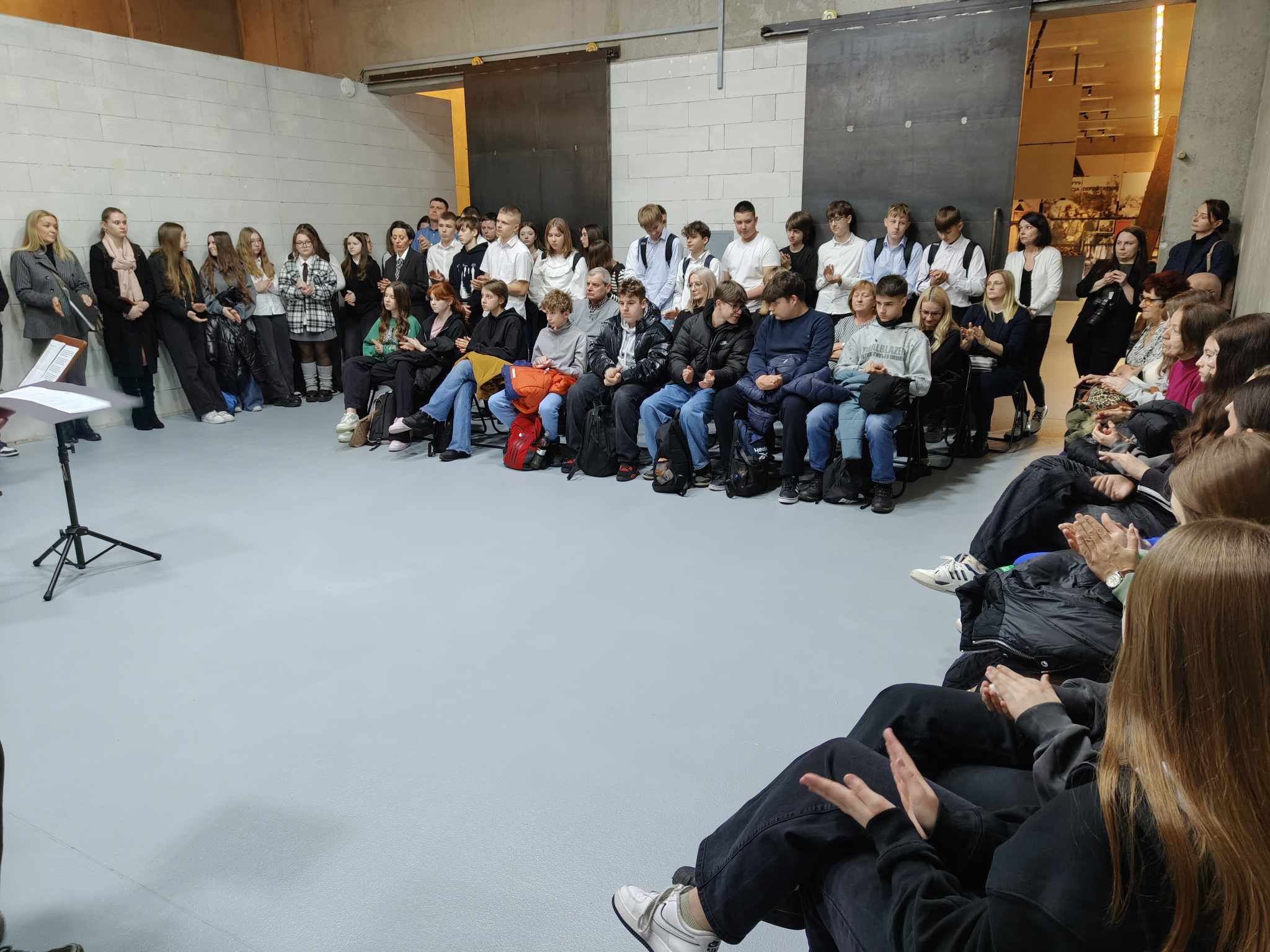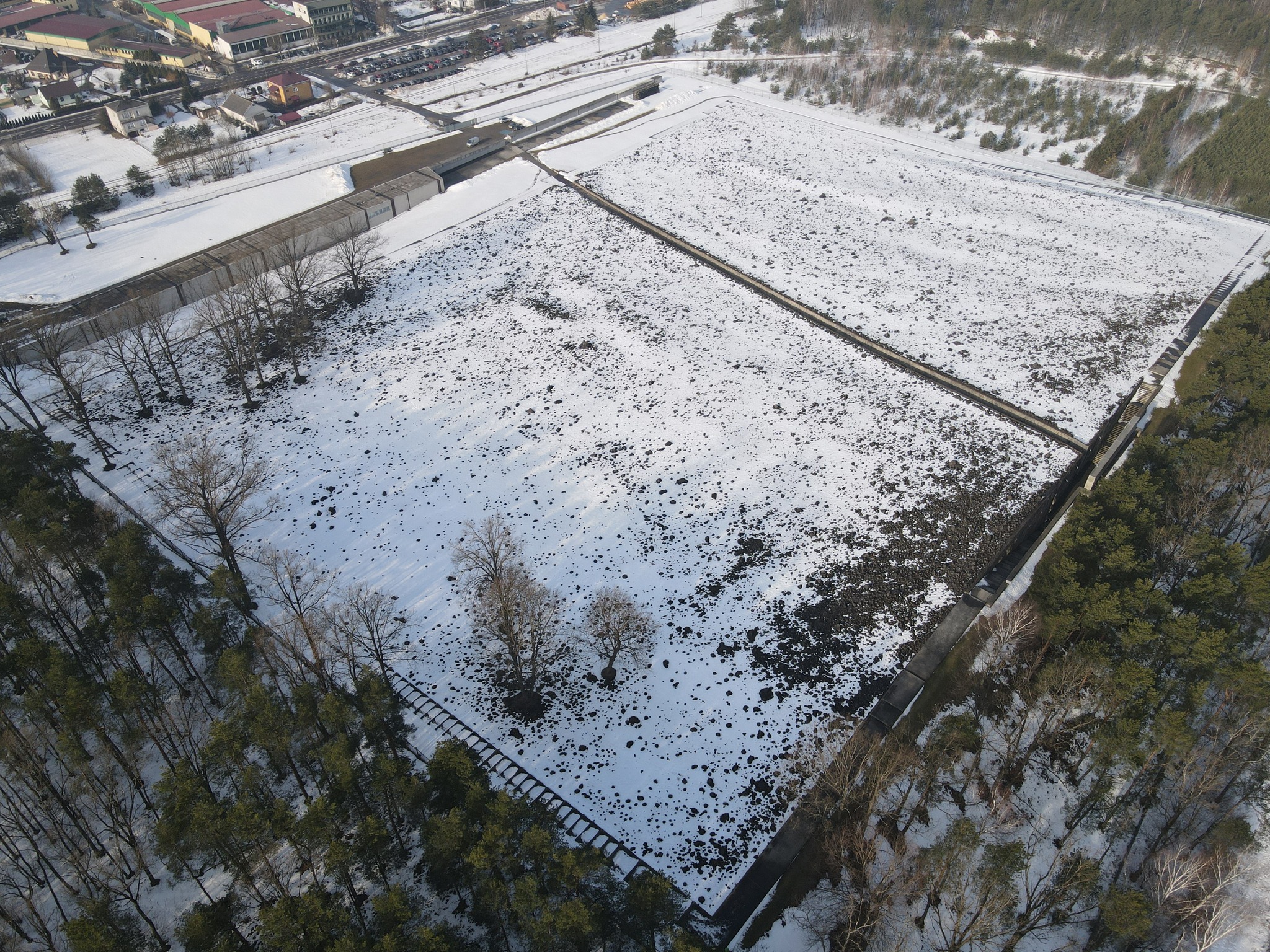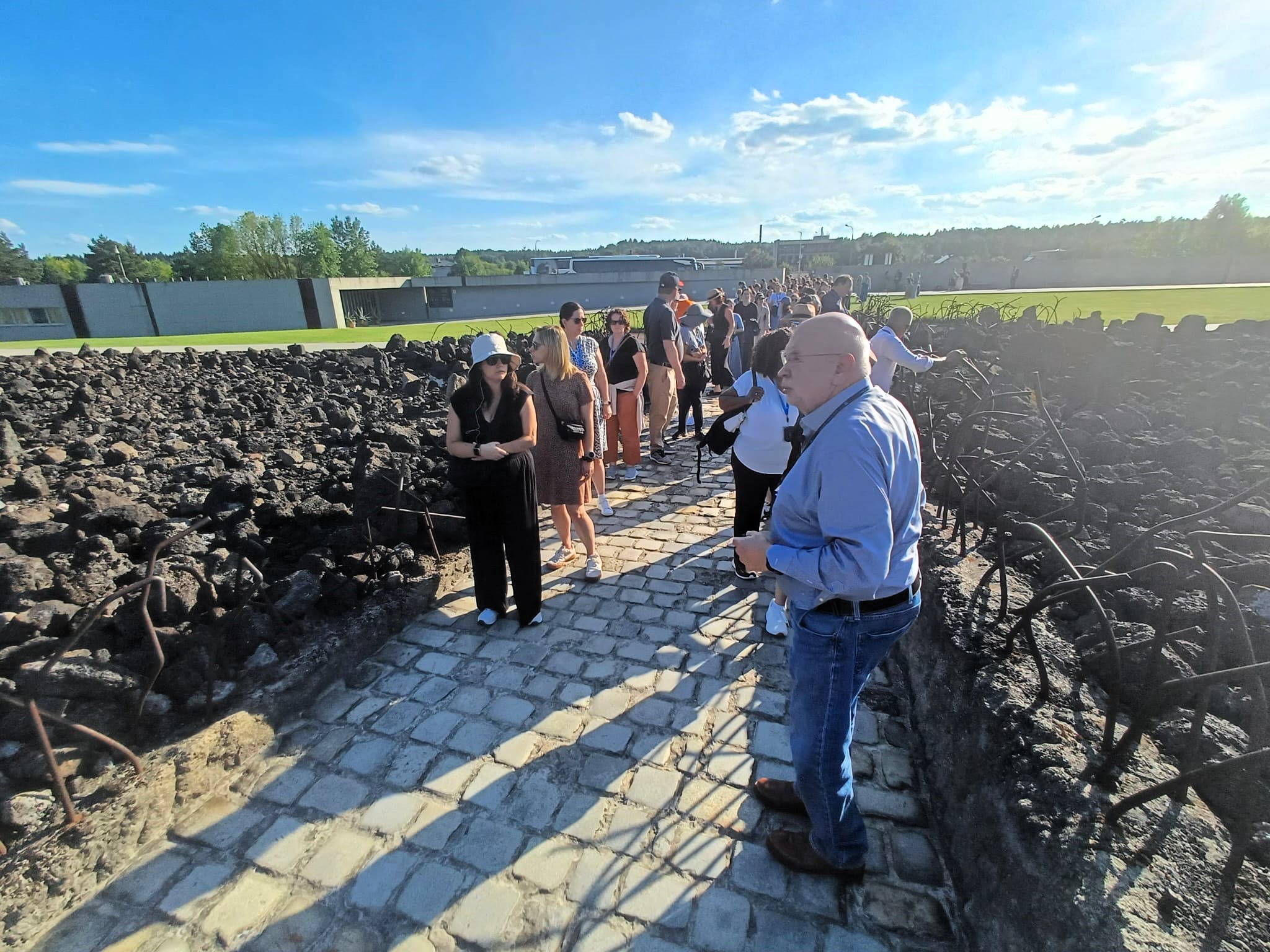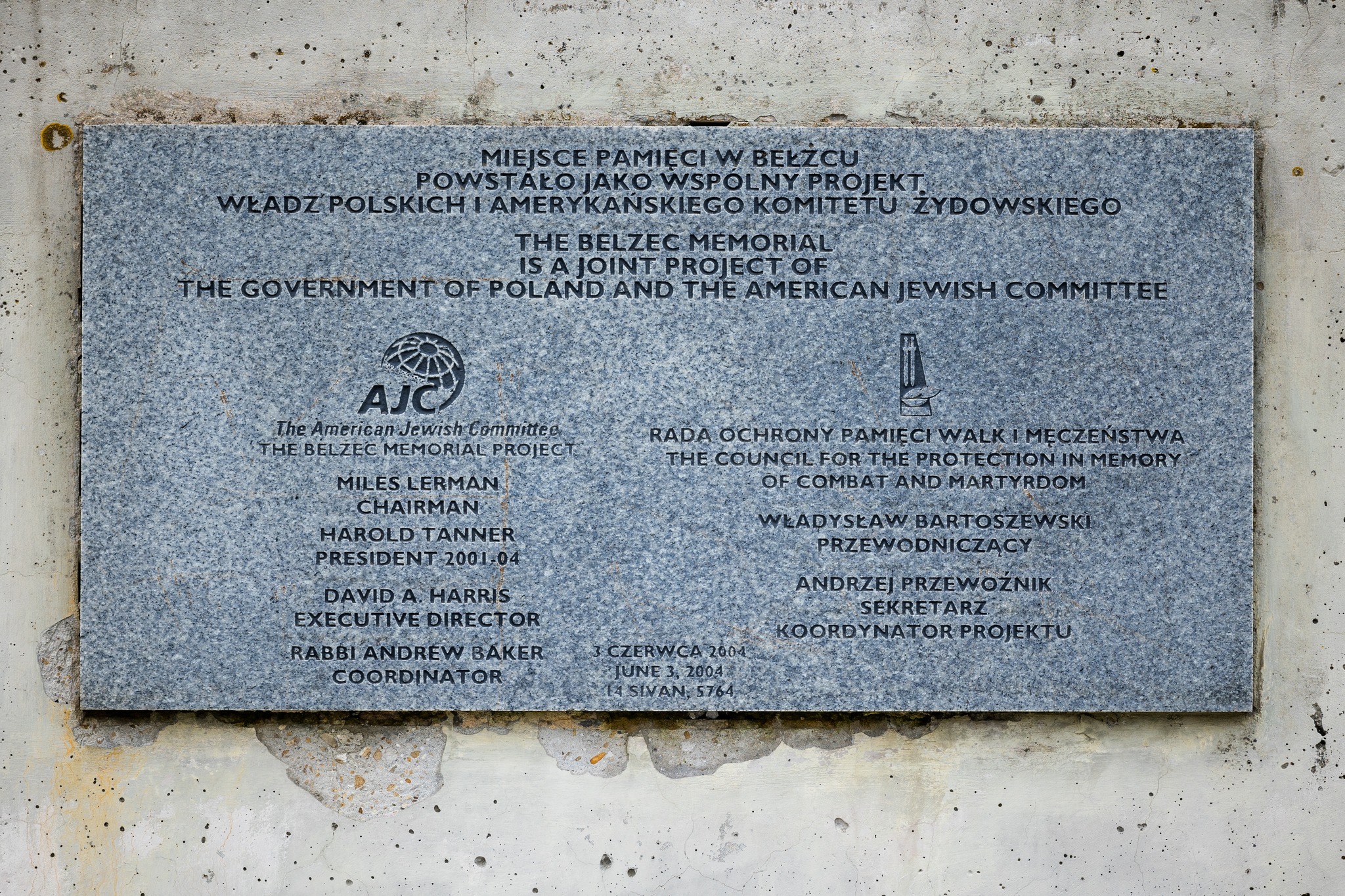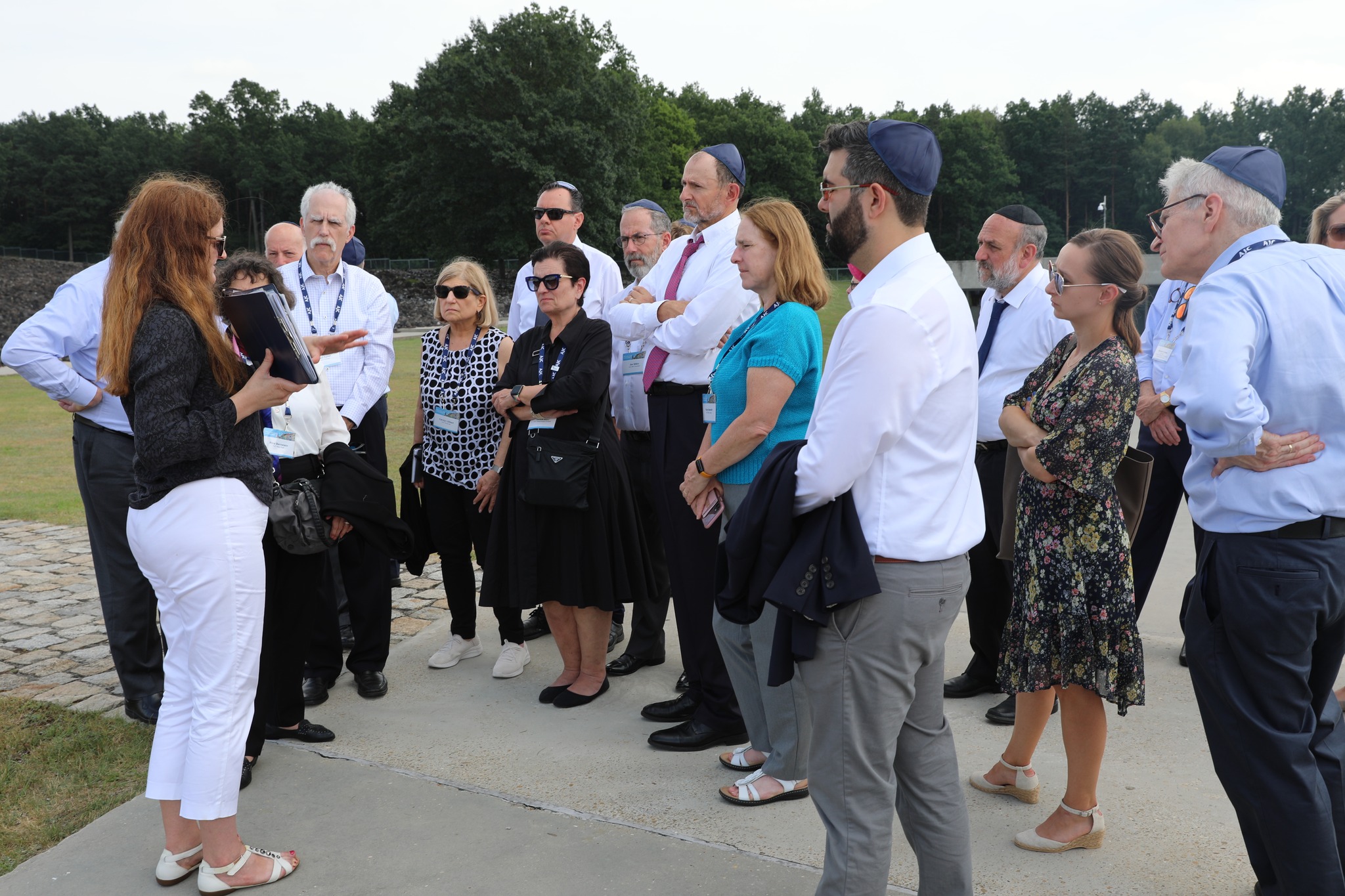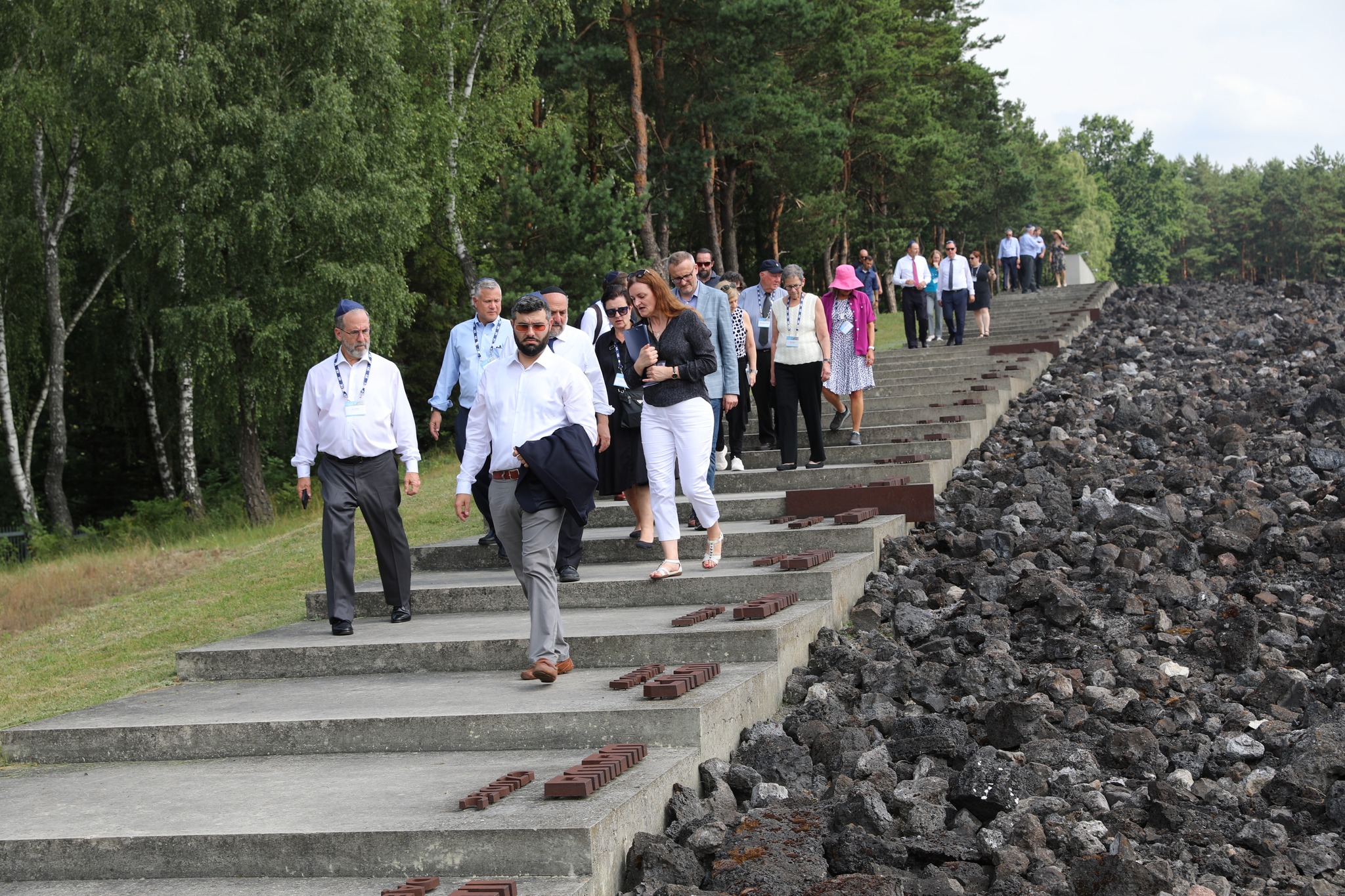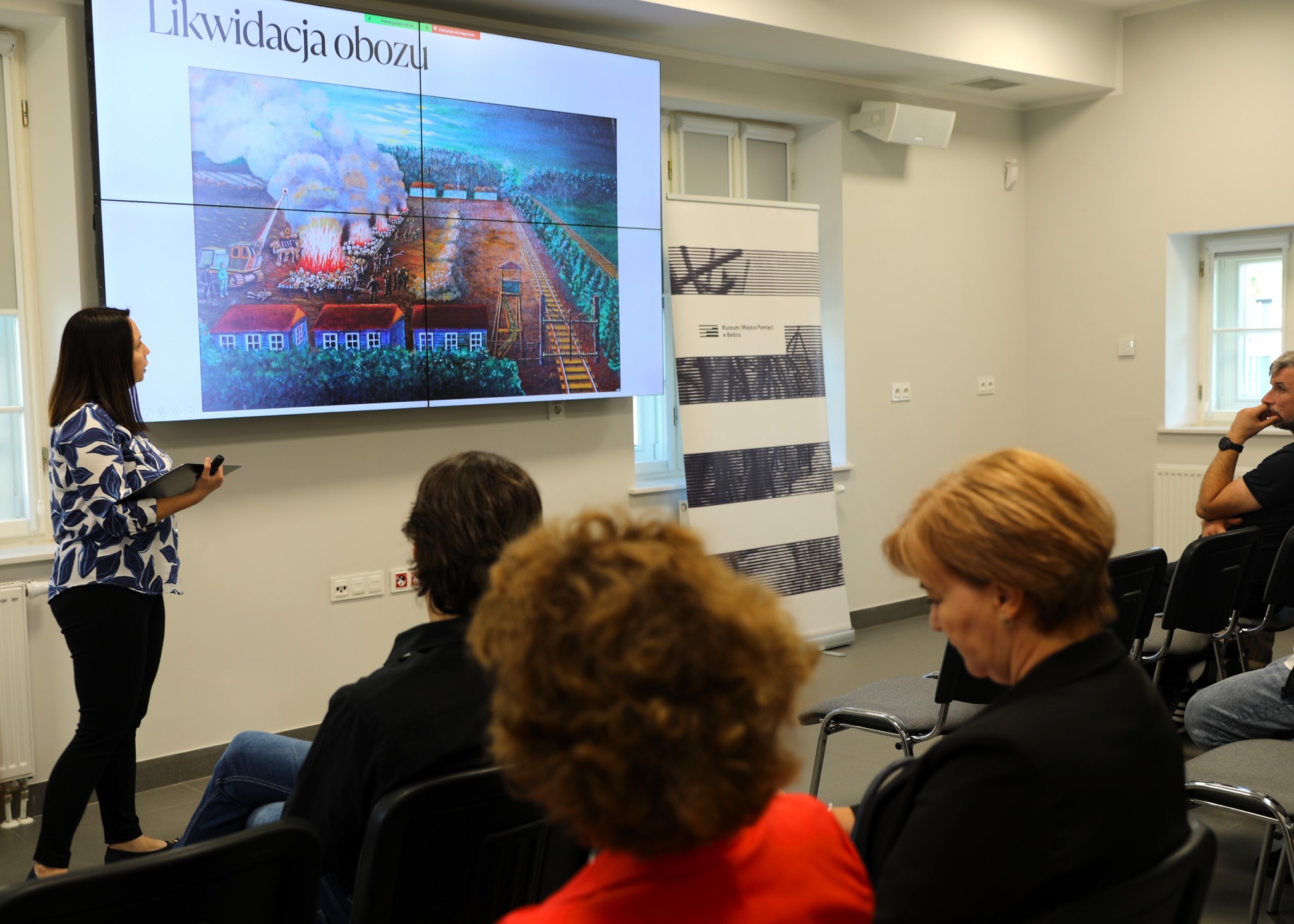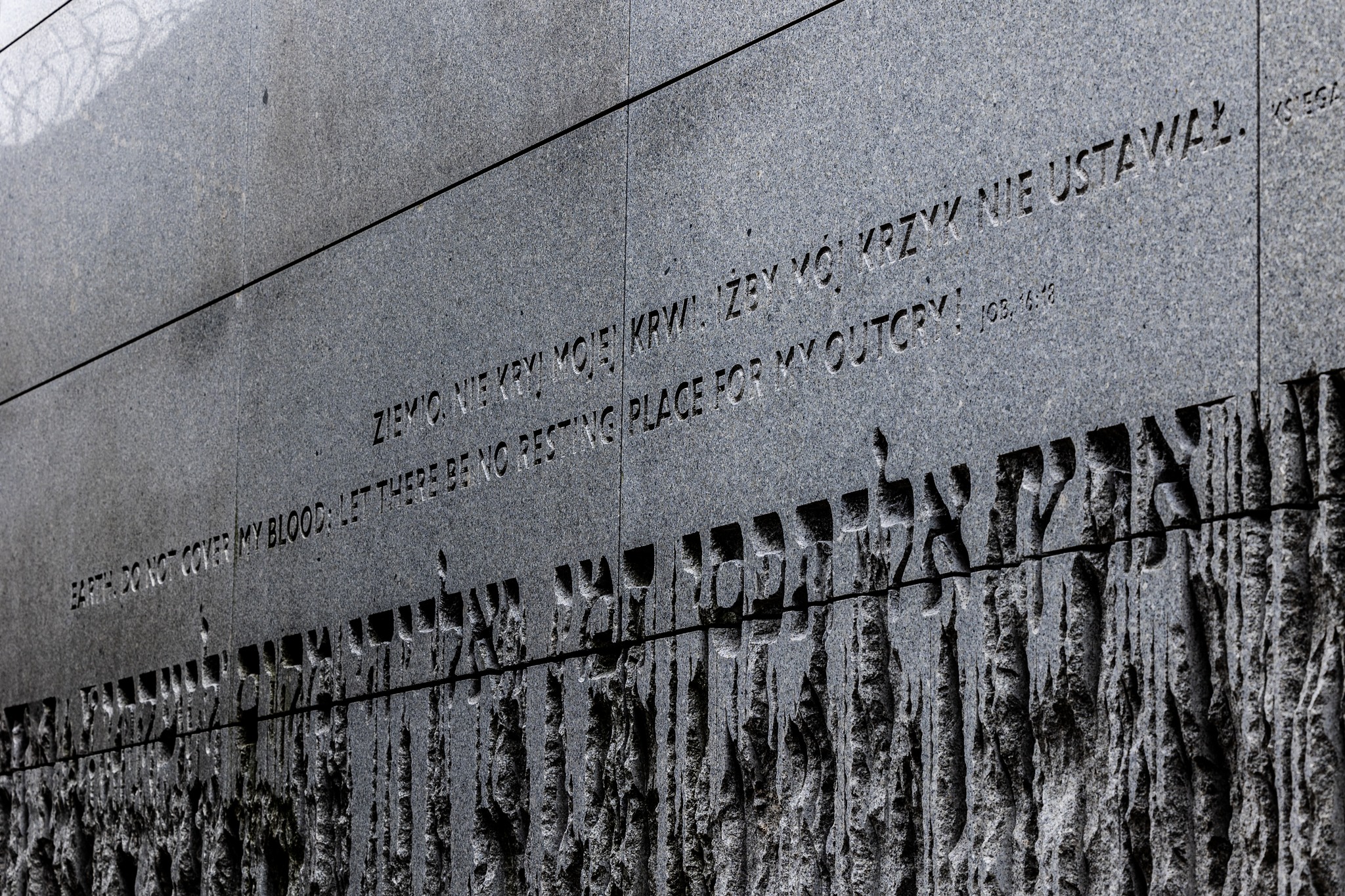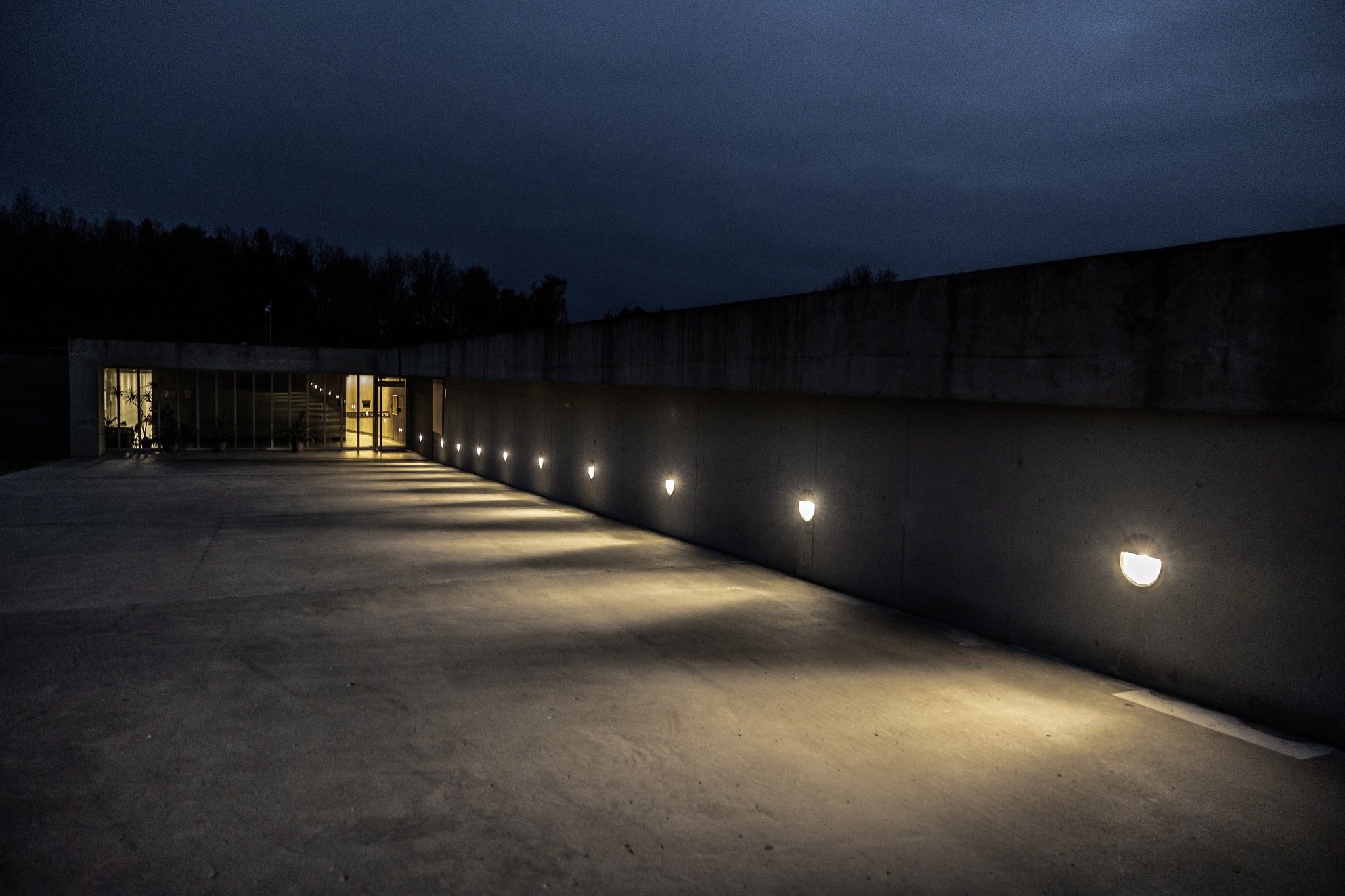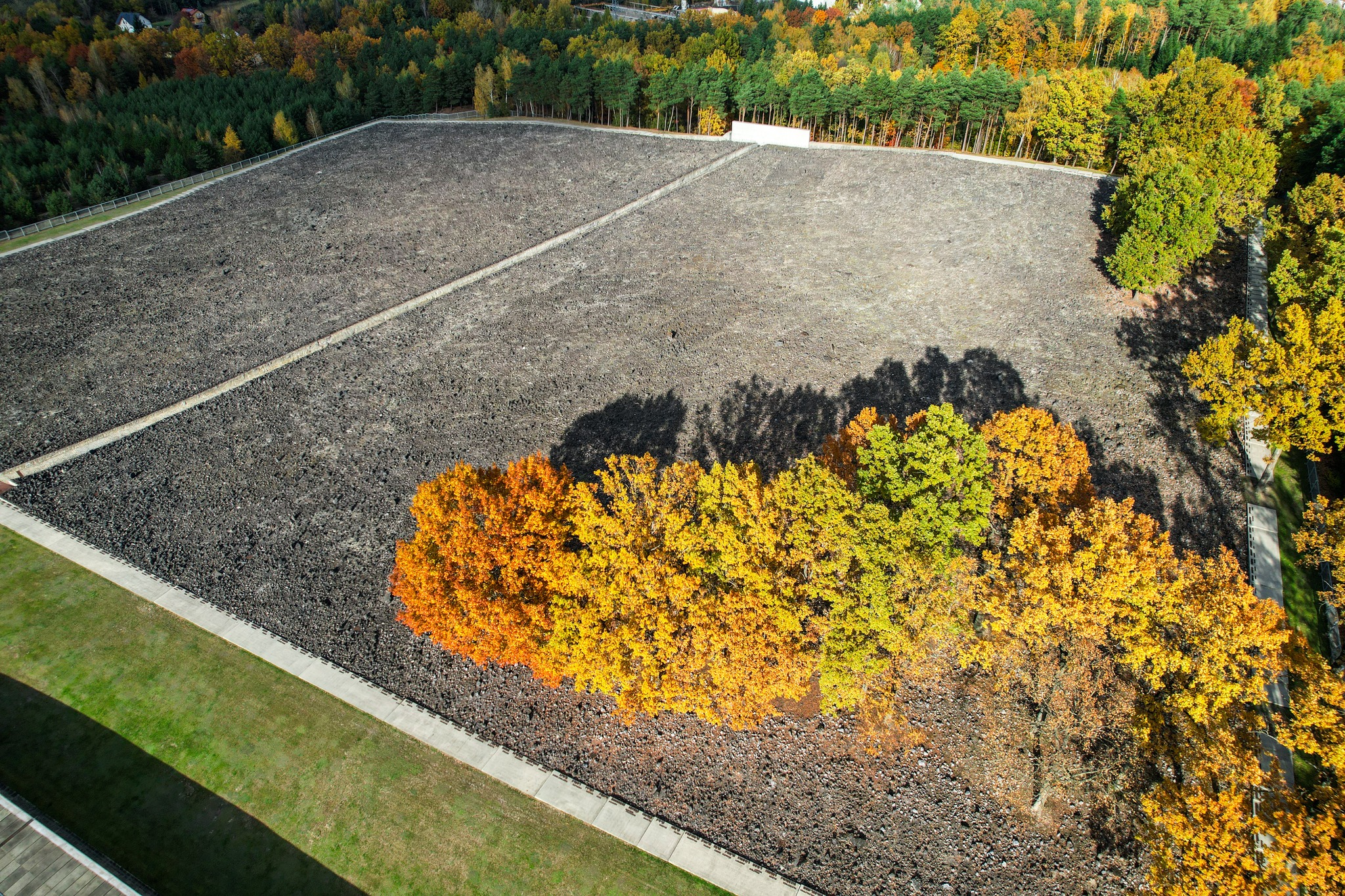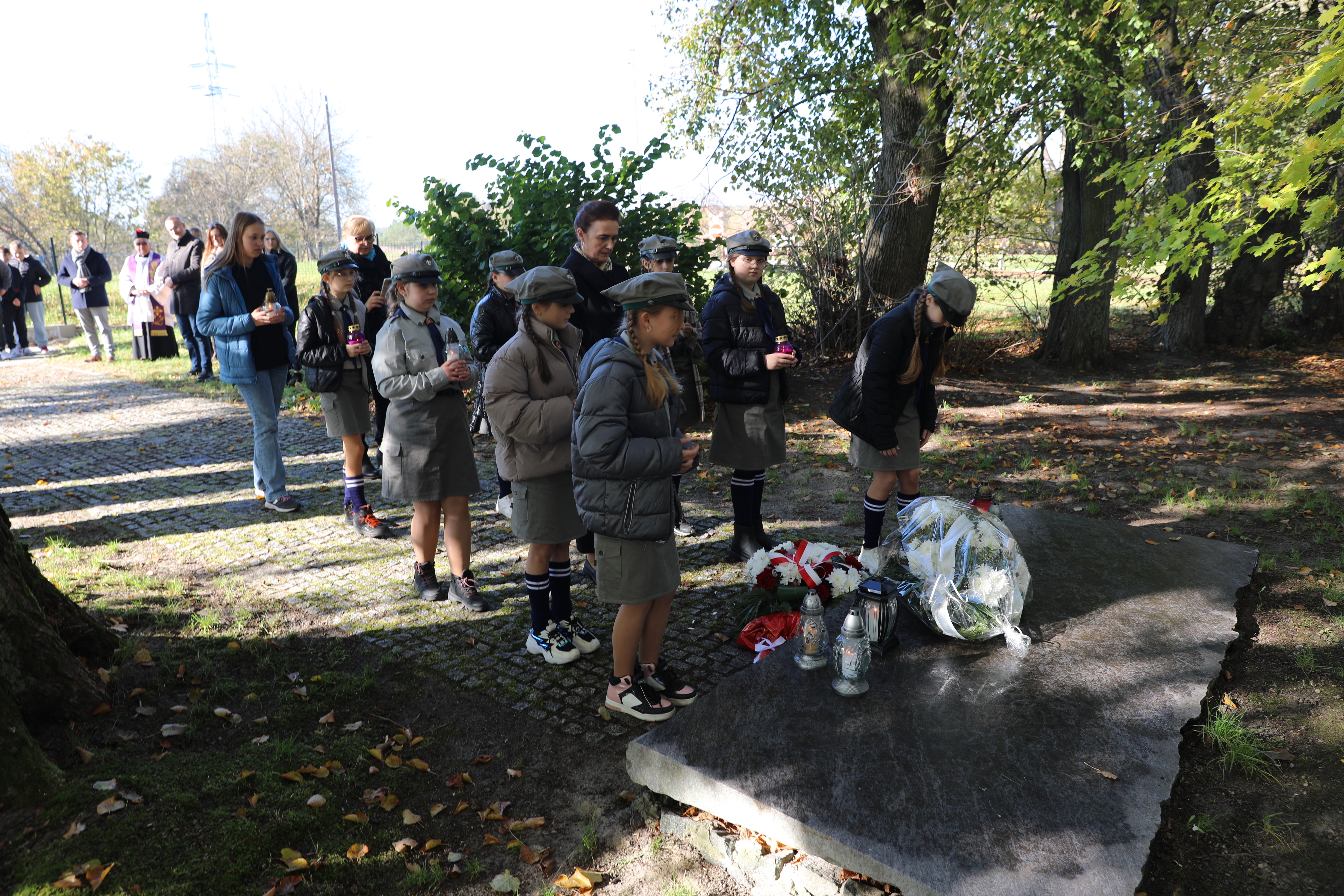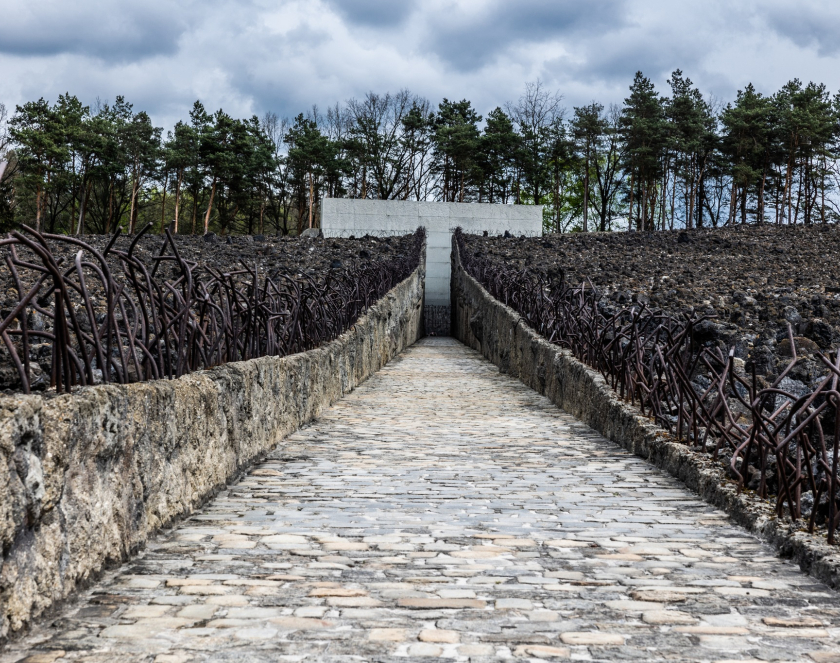
The Museum was established out of the need to commemorate the victims of the German Nazi extermination camp that operated in Bełżec between 1942 and 1943. It was here that hundreds of thousands of people were murdered, deported as part of Operation “Reinhardt”—the German plan for the mass extermination of the Jewish population in the General Government. Today, the site serves a dual role: it is both a place of remembrance for the victims and an educational institution.
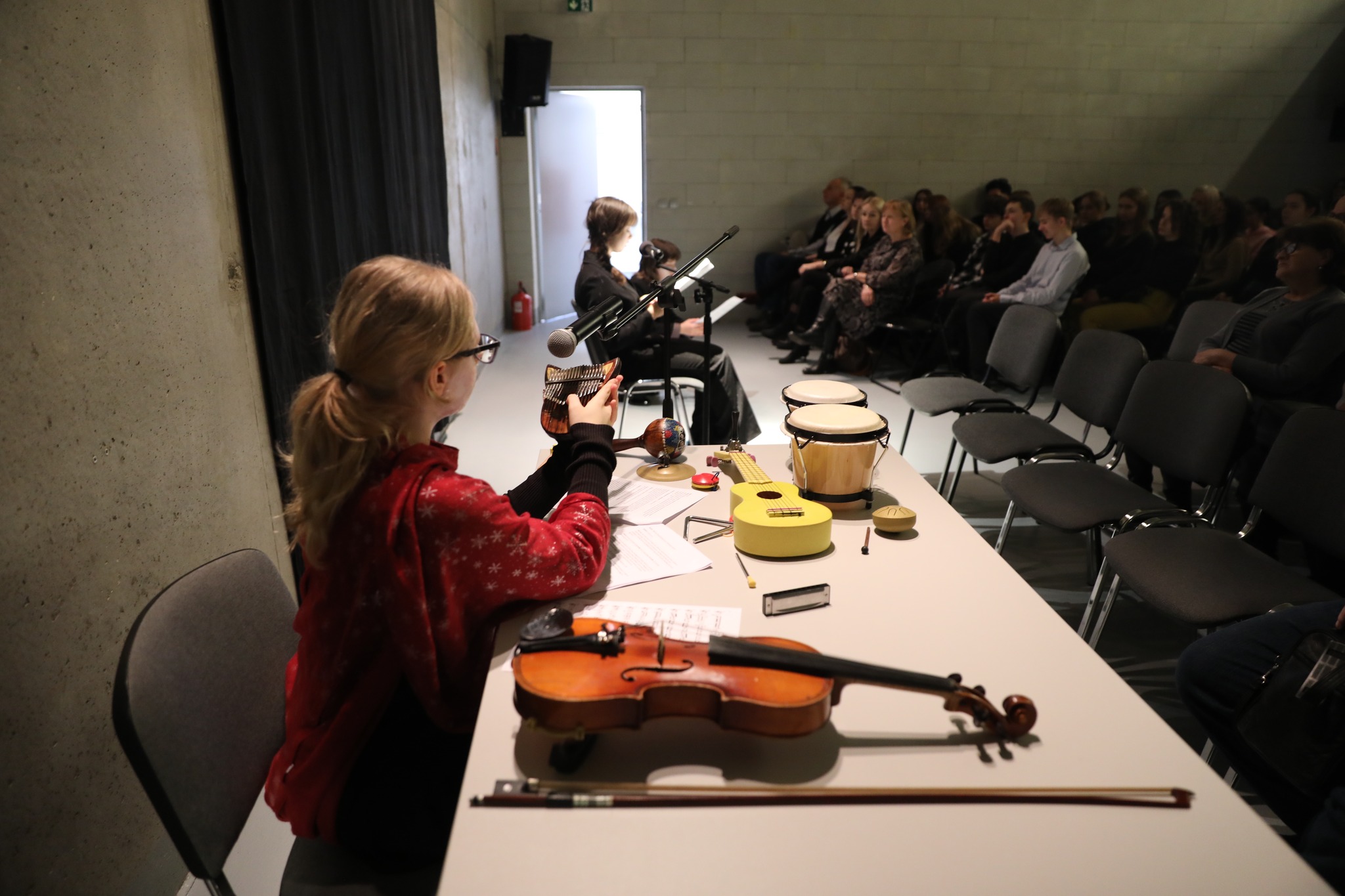
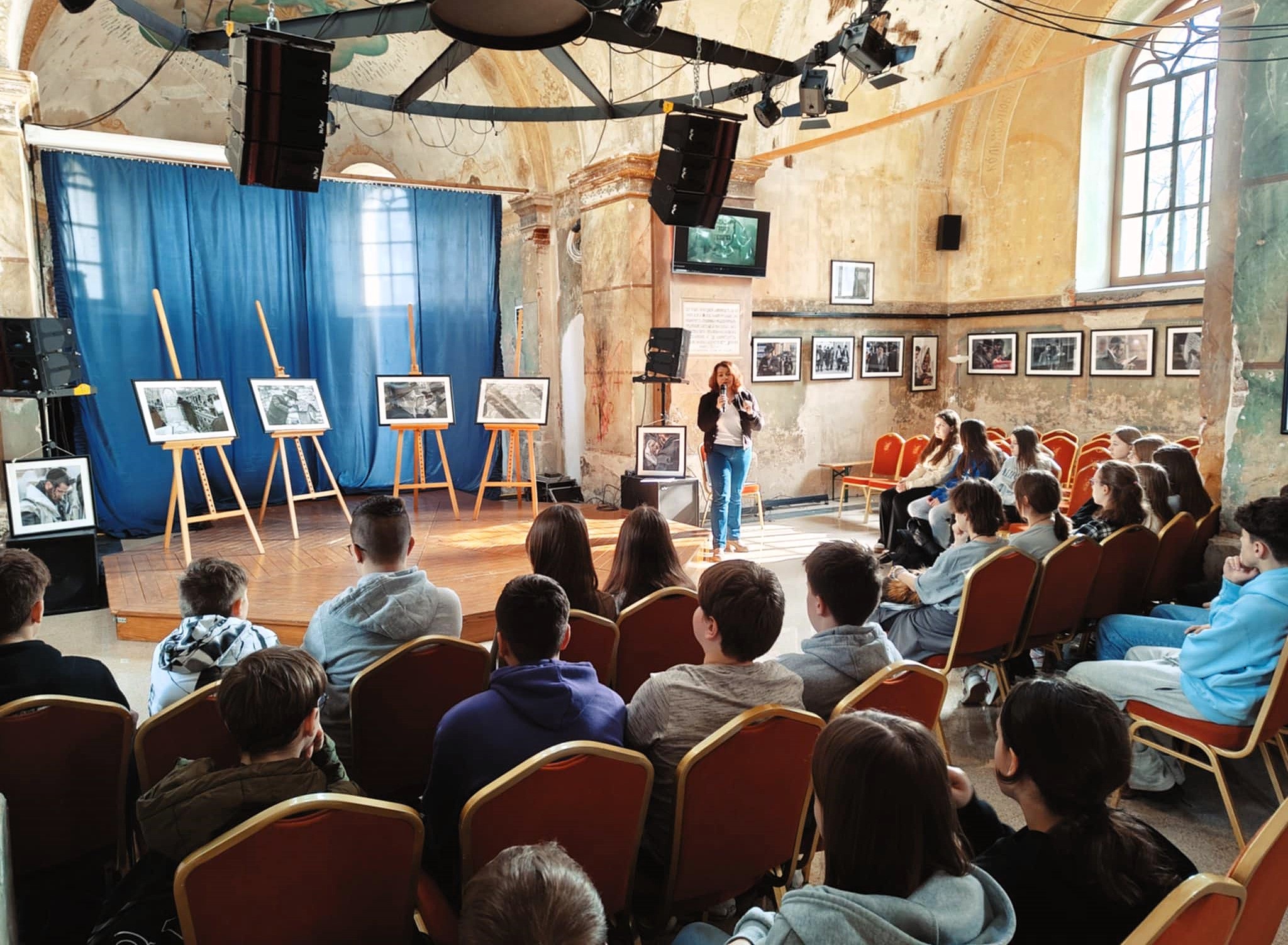
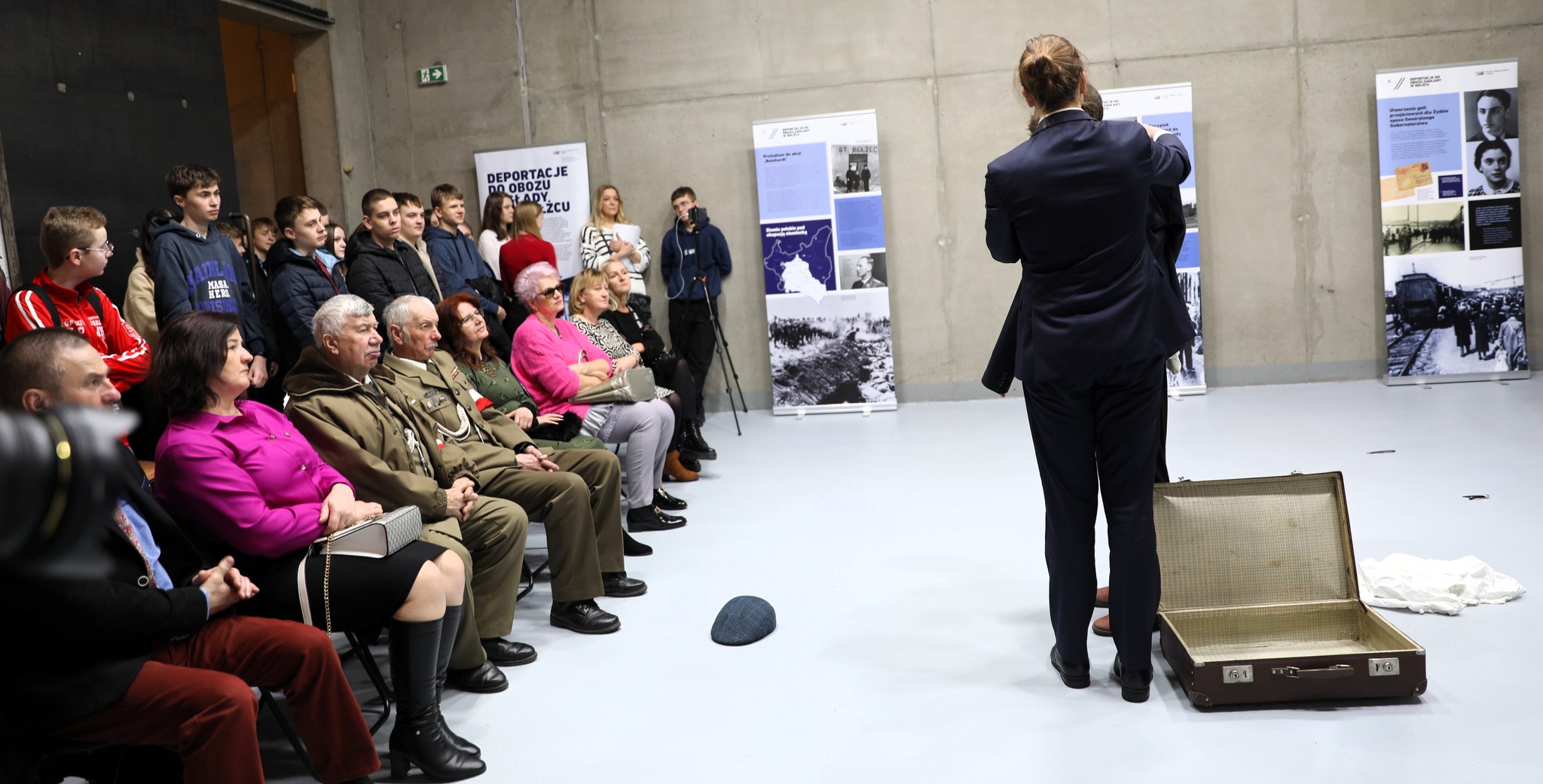
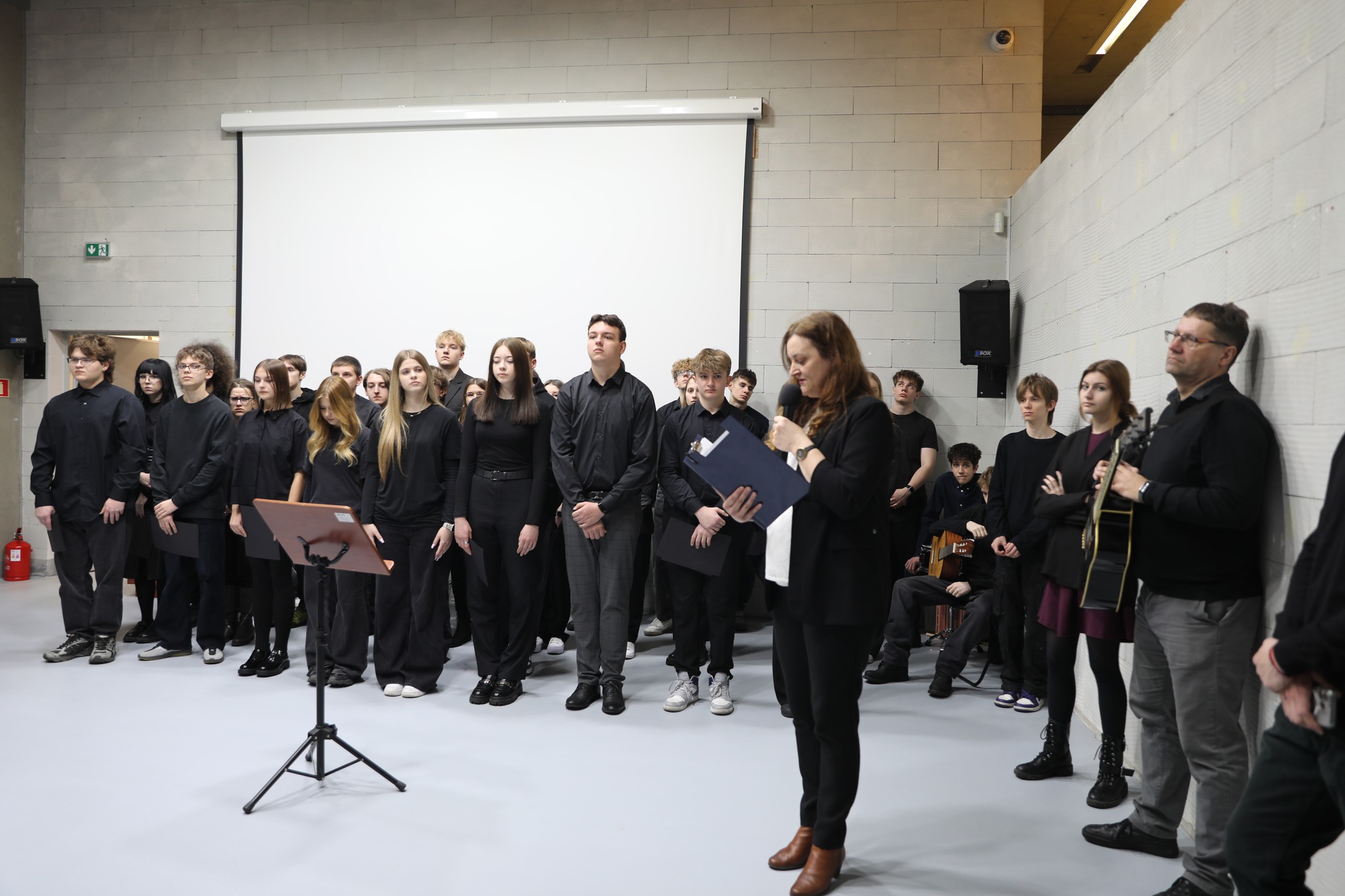
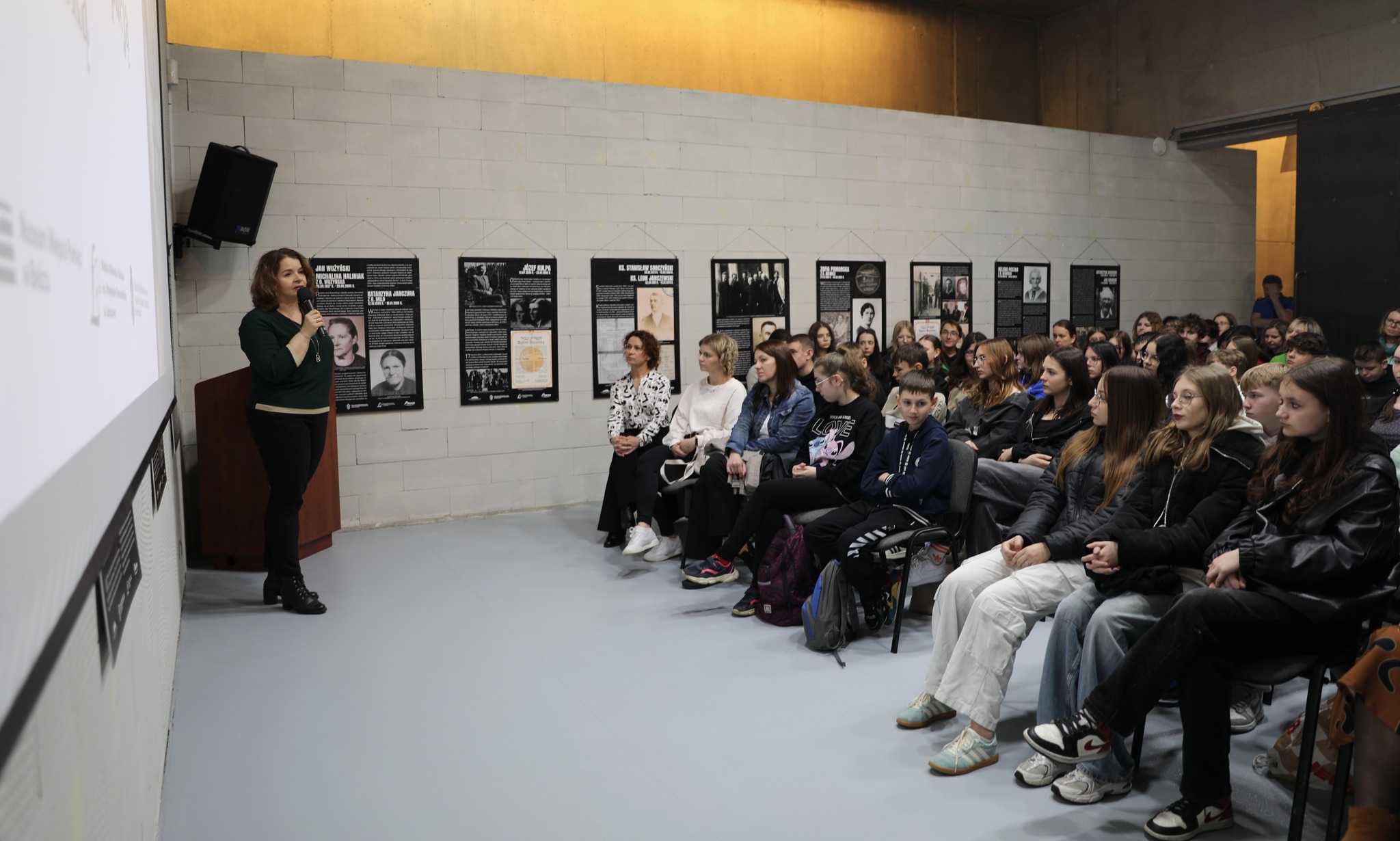
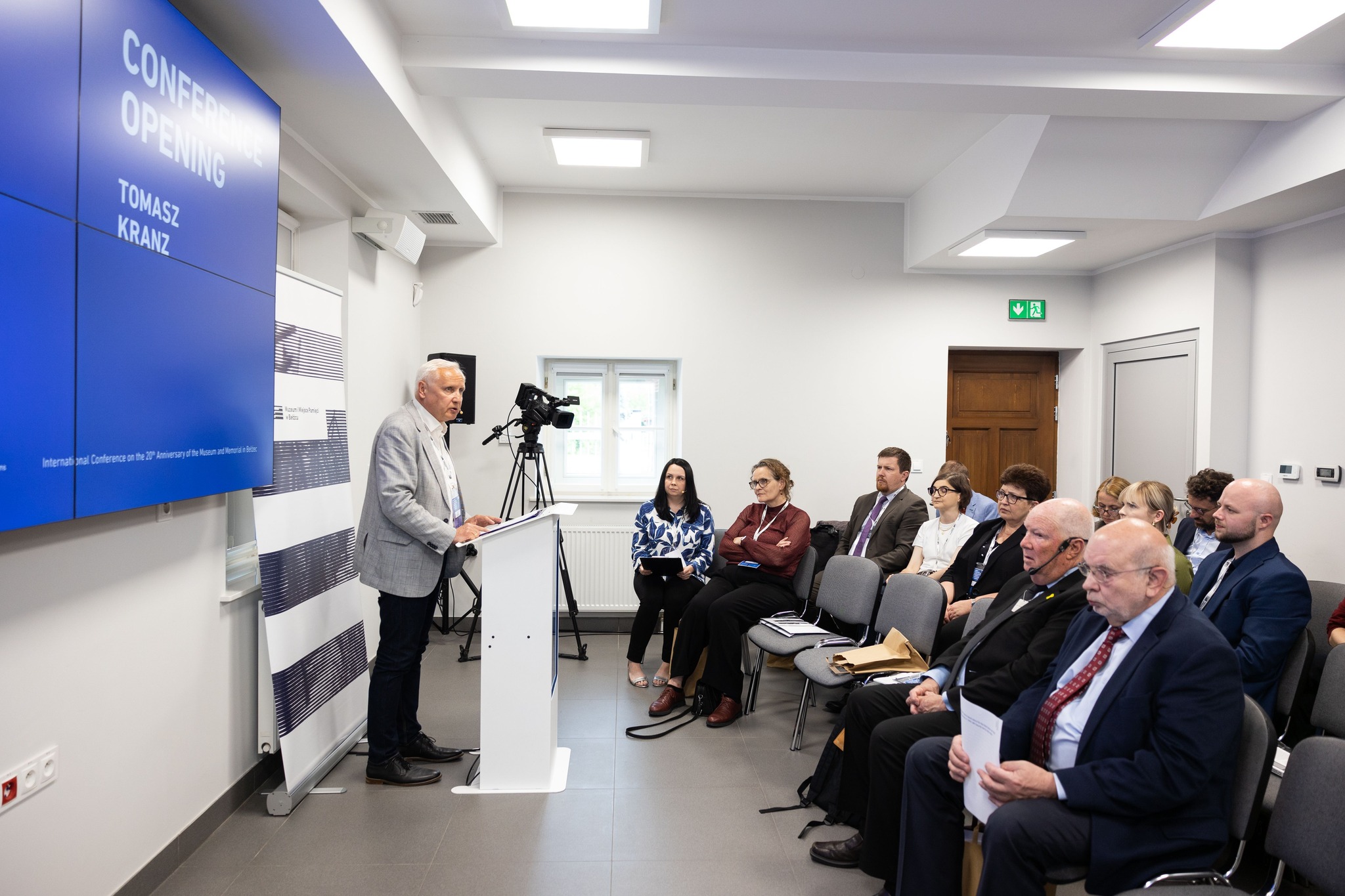
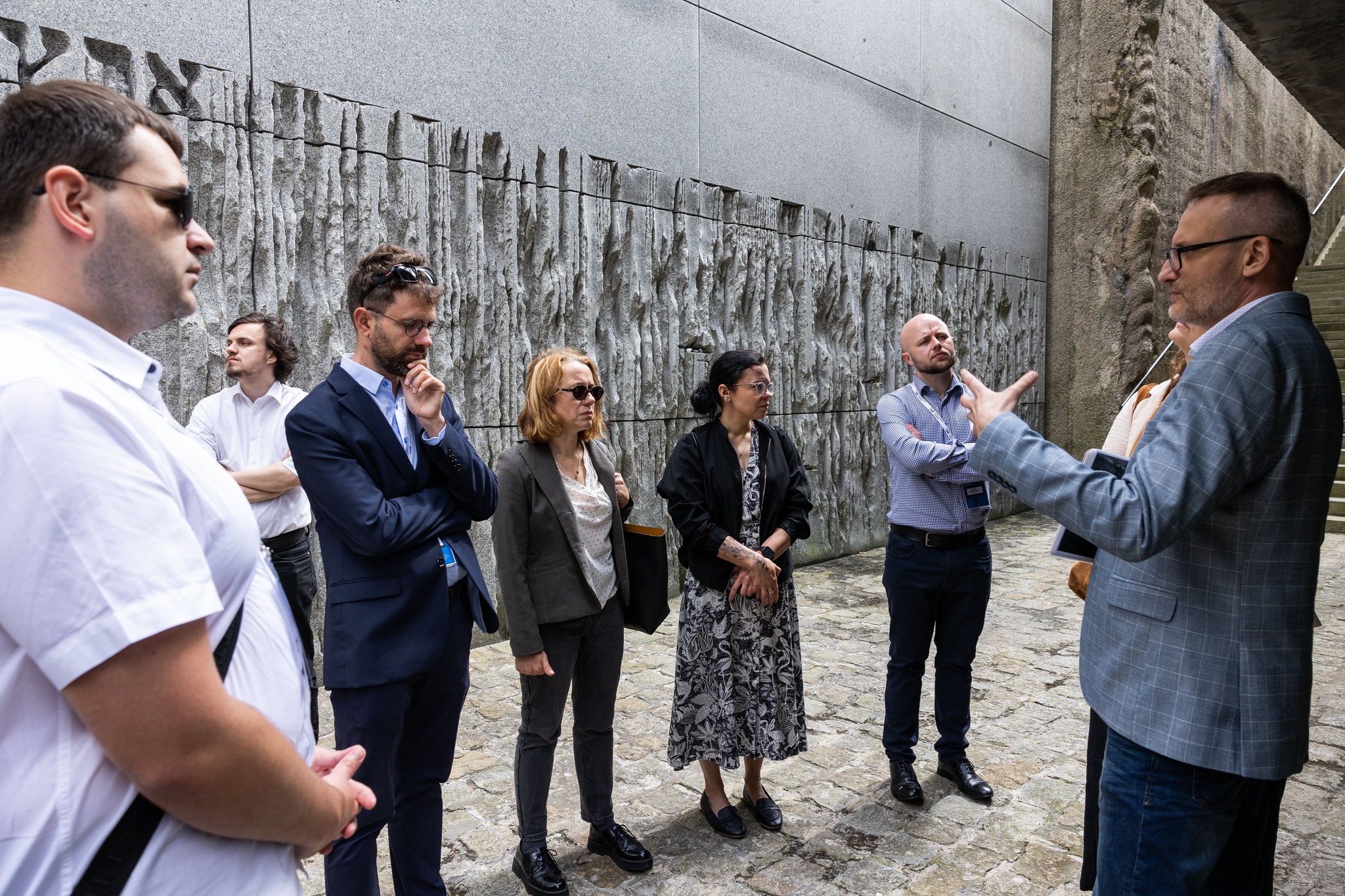
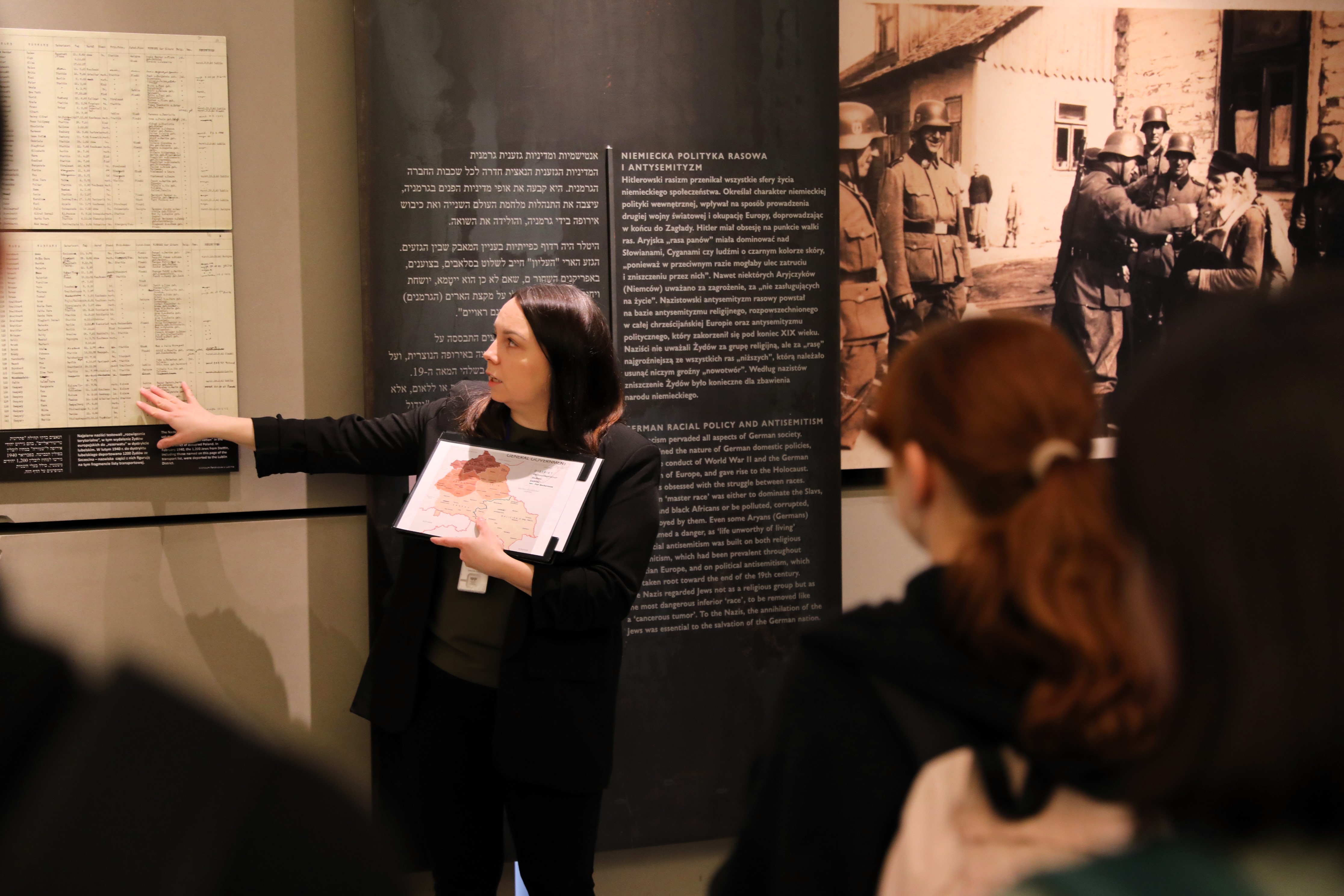
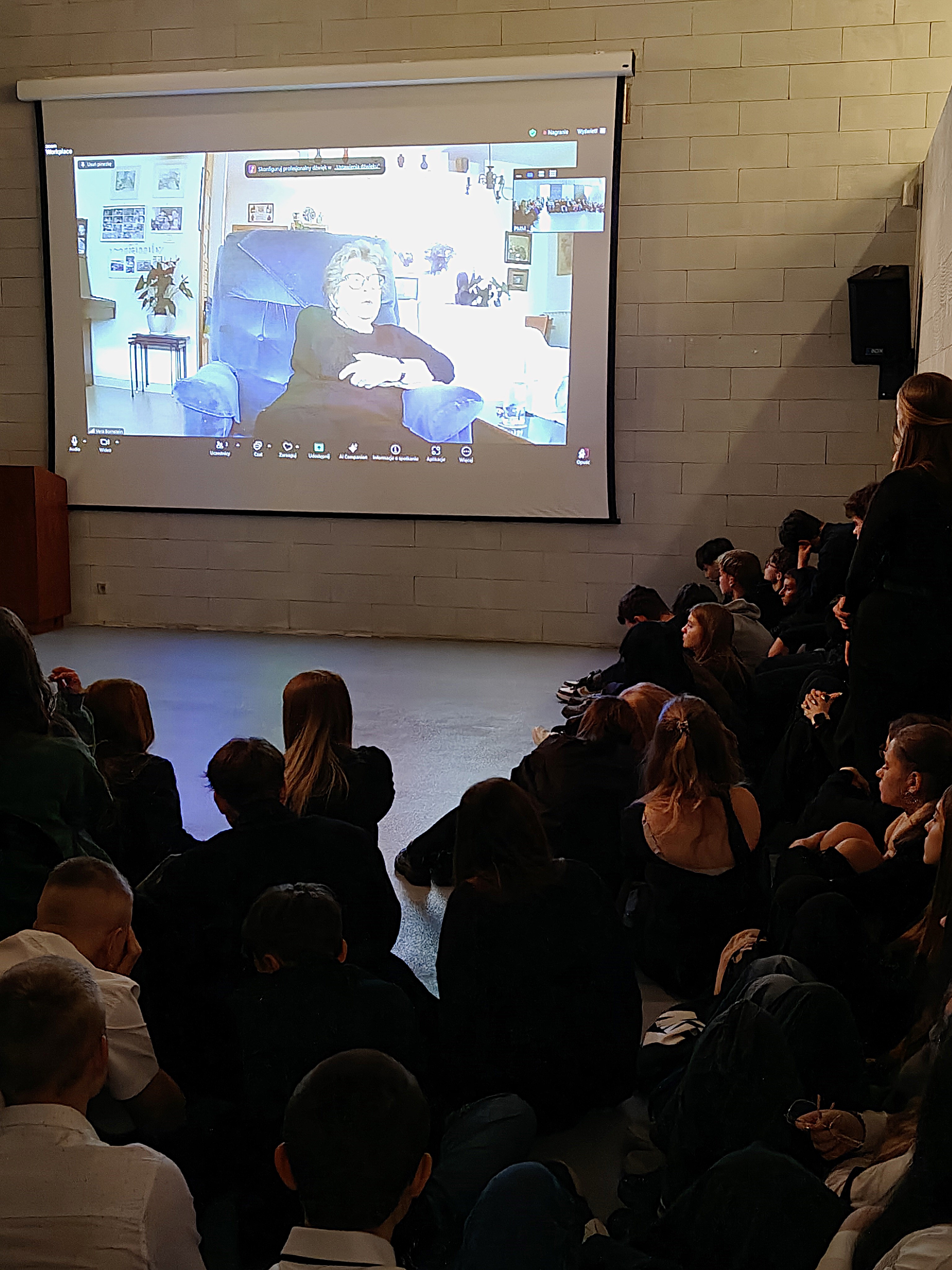
The Museum’s mission is to build historical awareness, counteract forgetting, and foster dialogue and reflection. Through exhibitions, educational activities, publications, and its continuous presence in public life, the Museum staff contribute every day to disseminating knowledge about the German Nazi extermination camp in Bełżec—so that more and more people become aware of the existence of this site and its tragic history.
Working in such a place is not only a duty but above all a responsibility toward truth, history, and memory. It involves constant care for the authenticity of the site, reliable documentation of facts, and the development of programs that thoughtfully and responsibly pass on knowledge to future generations.