European Day of Remembrance for the Righteous

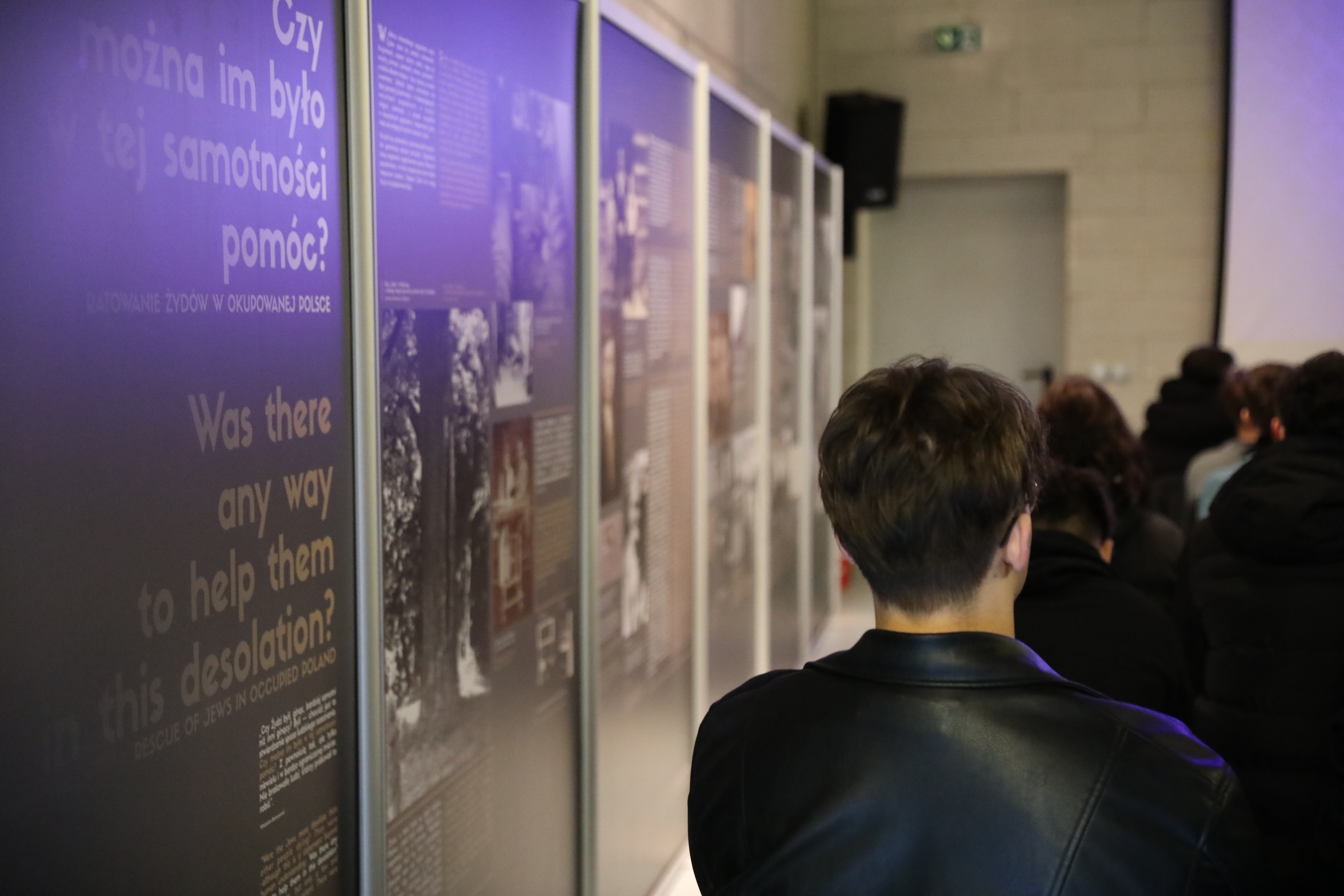
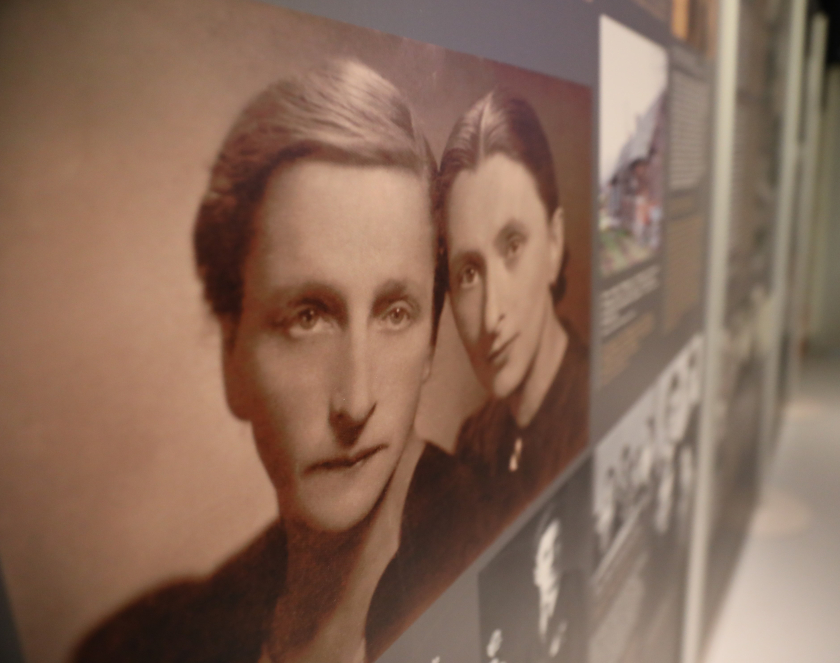
A black-and-white archival photograph of two women with serious expressions and smoothly combed hair, constituting the main element of a museum exhibition. The portrait is placed on a dark board next to other photographs and historical texts, and the entire shot was taken at an angle, which gives the composition depth.
“Whoever saves one life saves the world entire” – these words, often quoted in the context of the history of the Righteous Among the Nations, remind us of the power of individual courage and the importance of human solidarity in times of evil. It was precisely these attitudes that were the focus of the events organised to mark European Day of Remembrance for the Righteous.

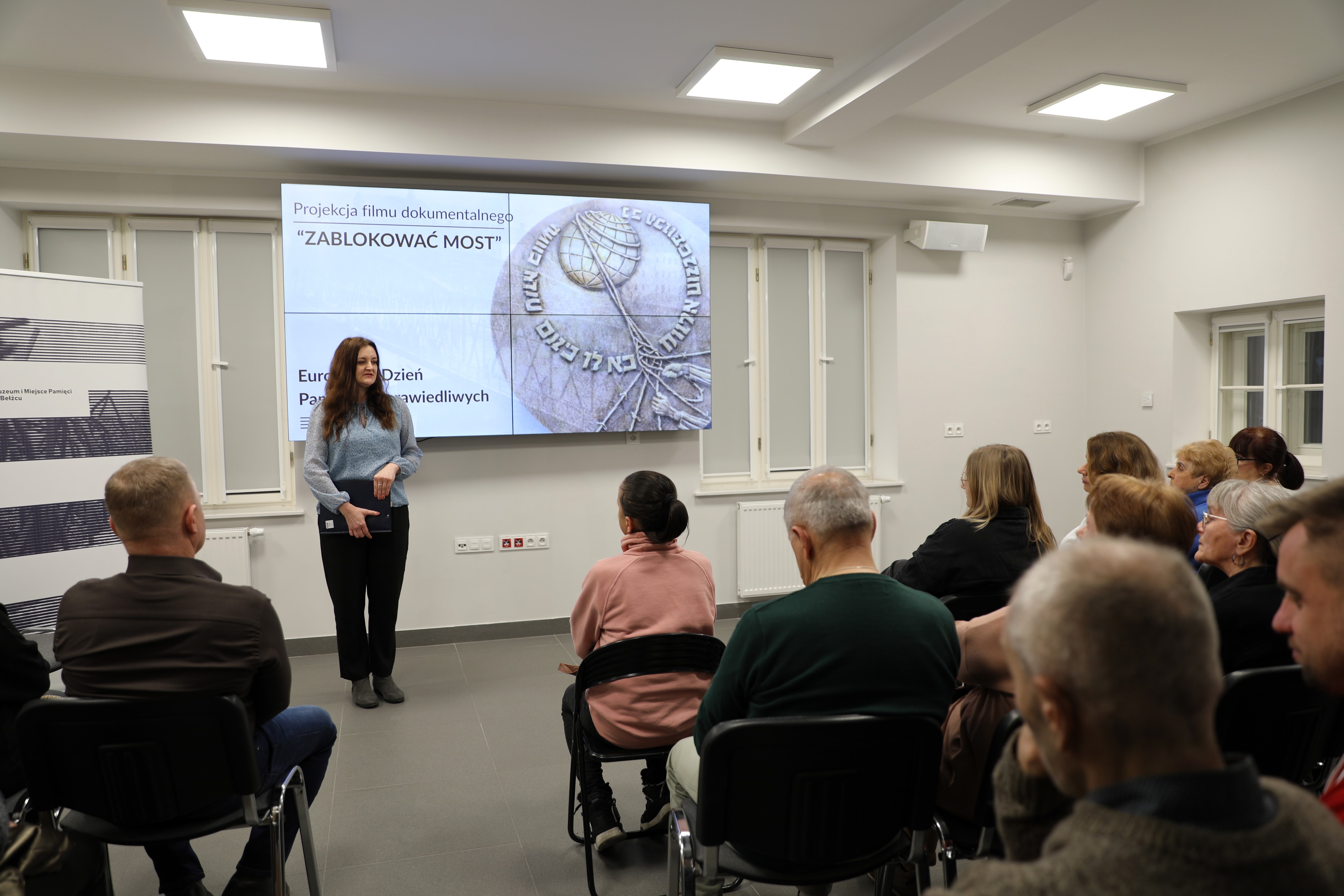
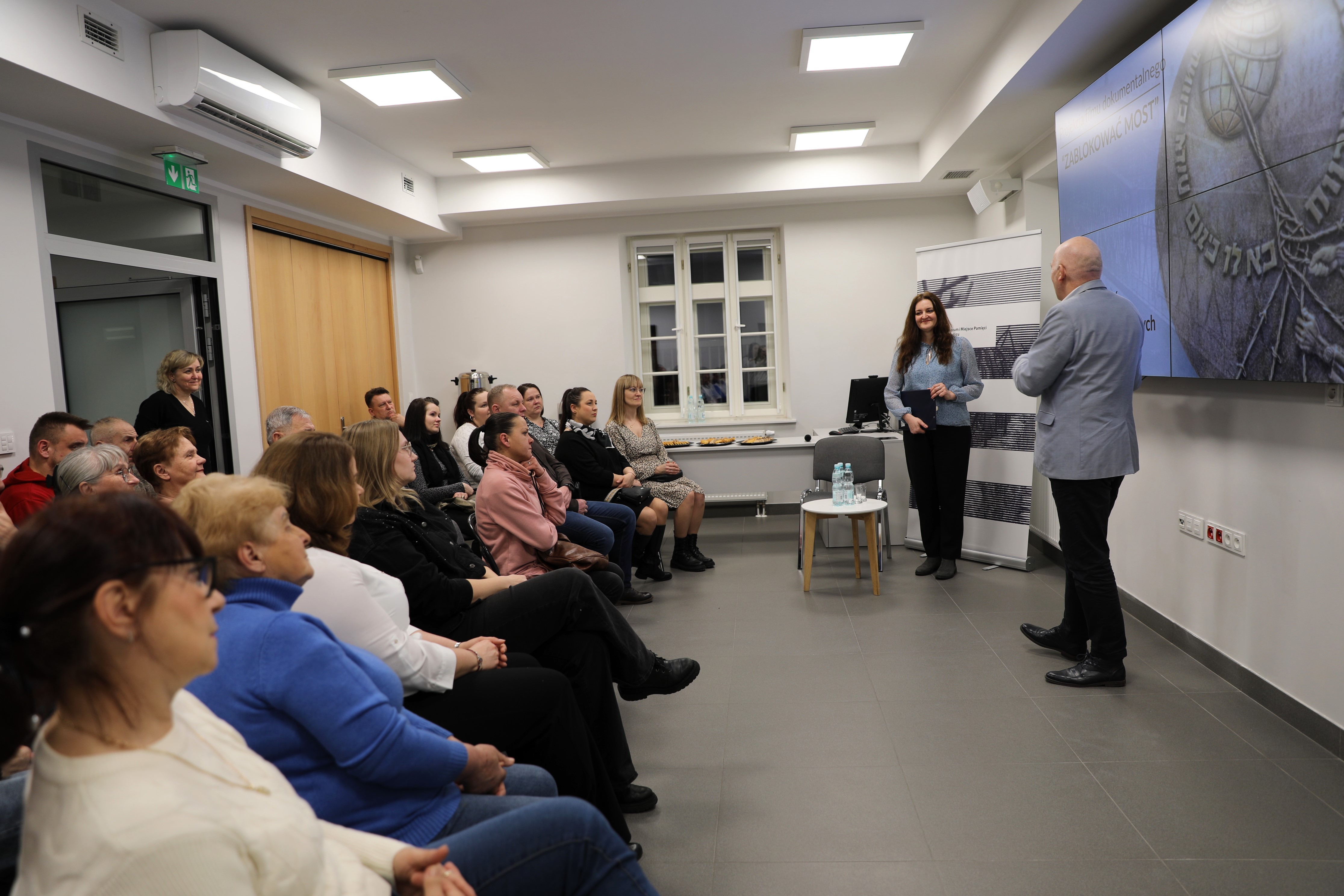
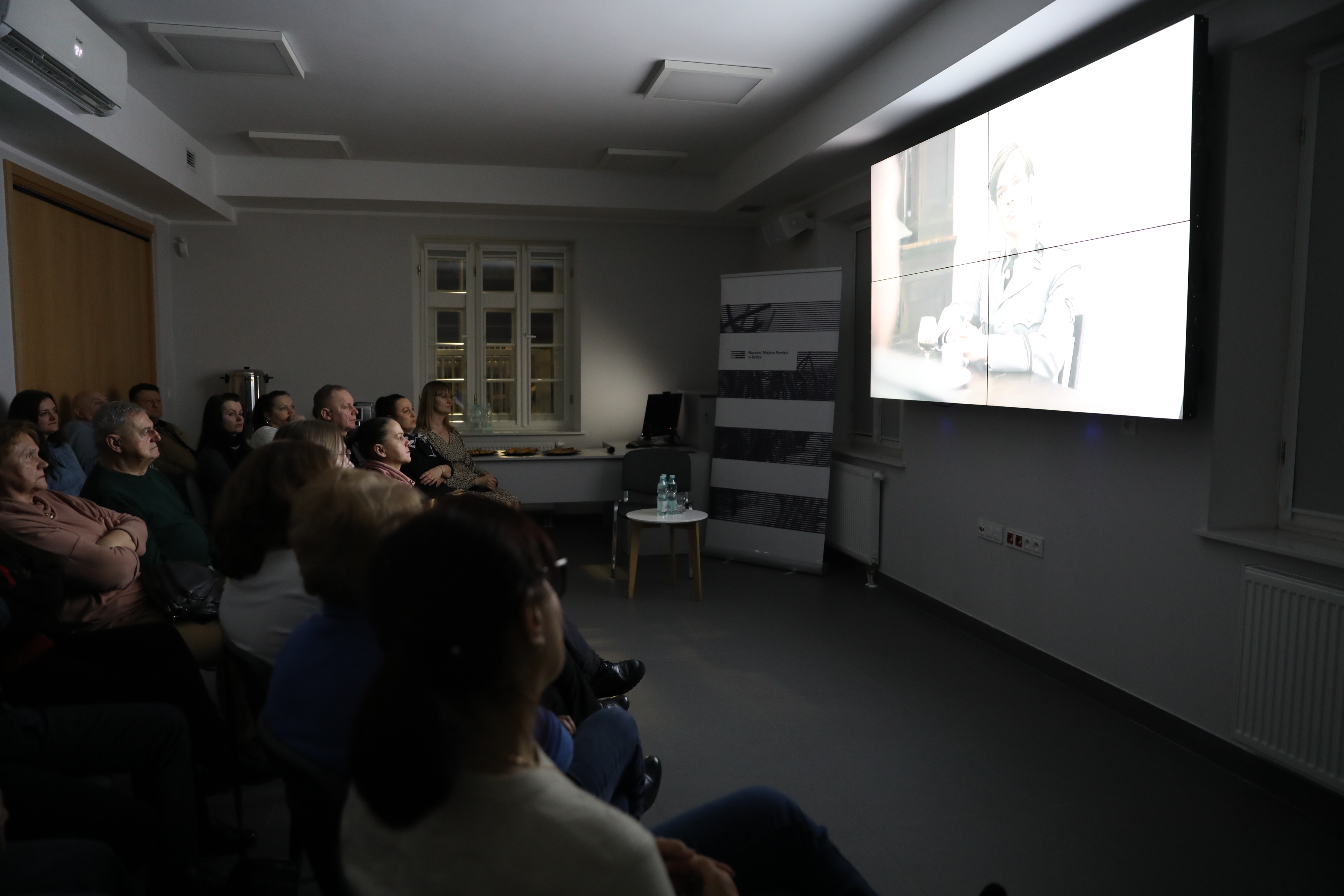
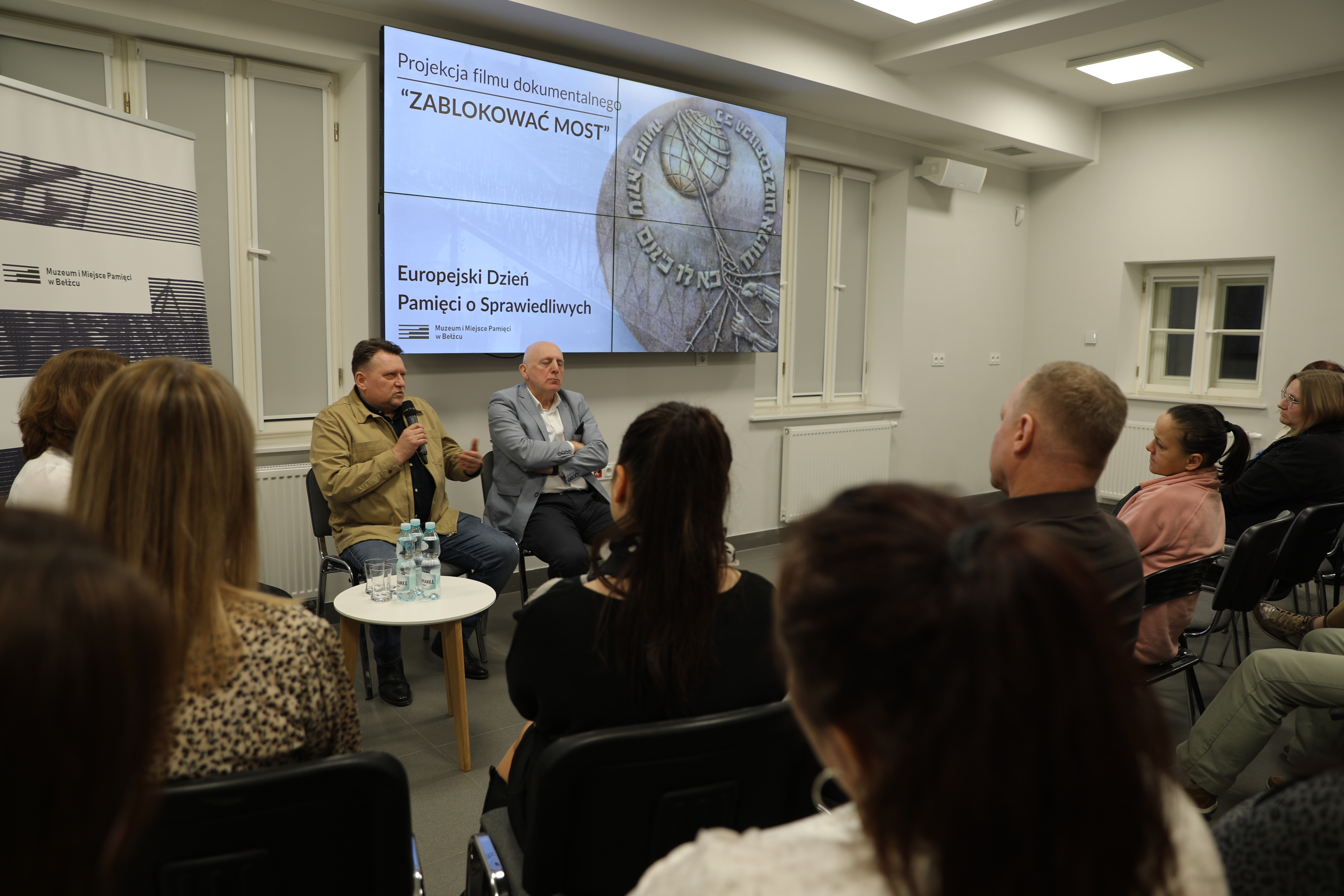
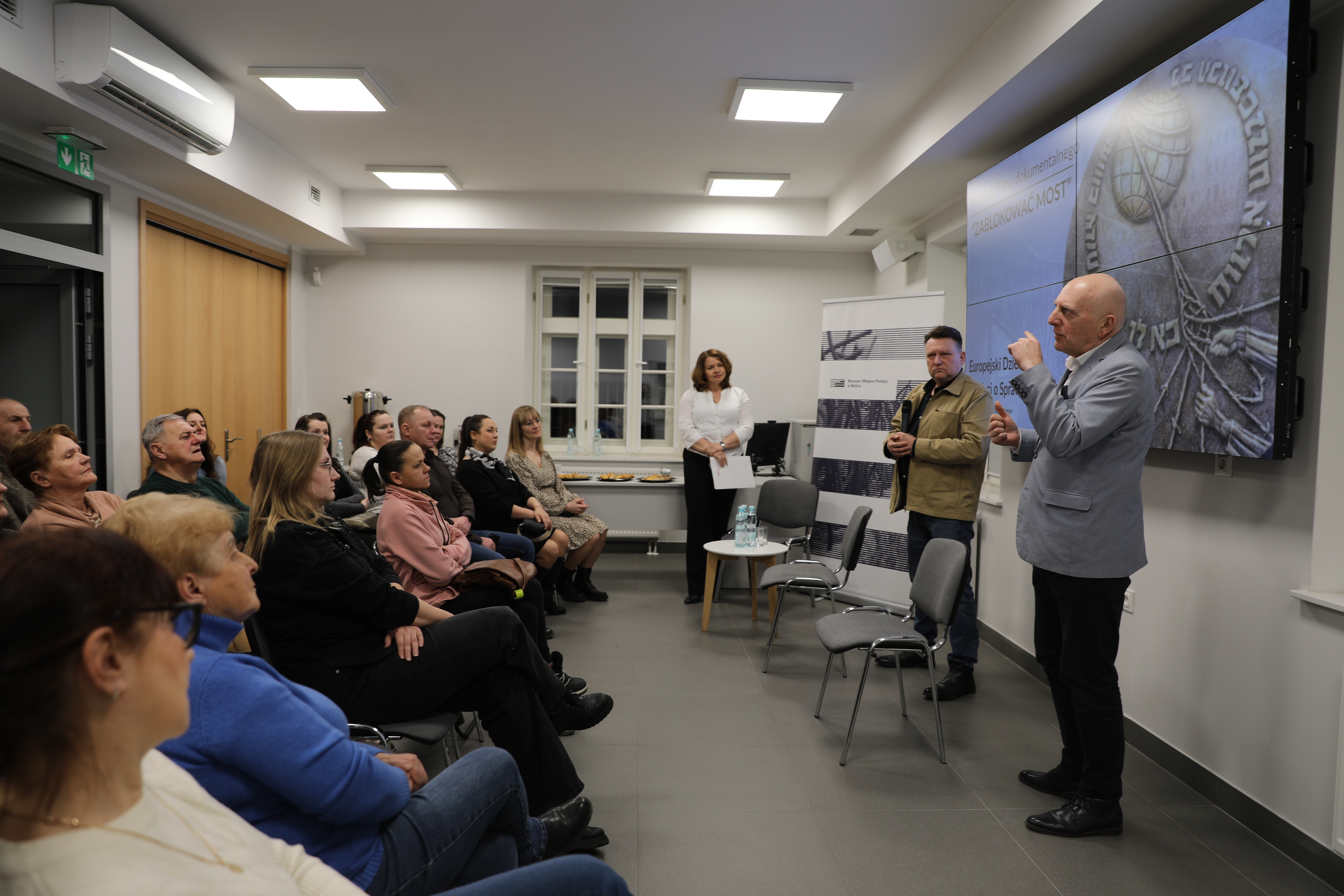
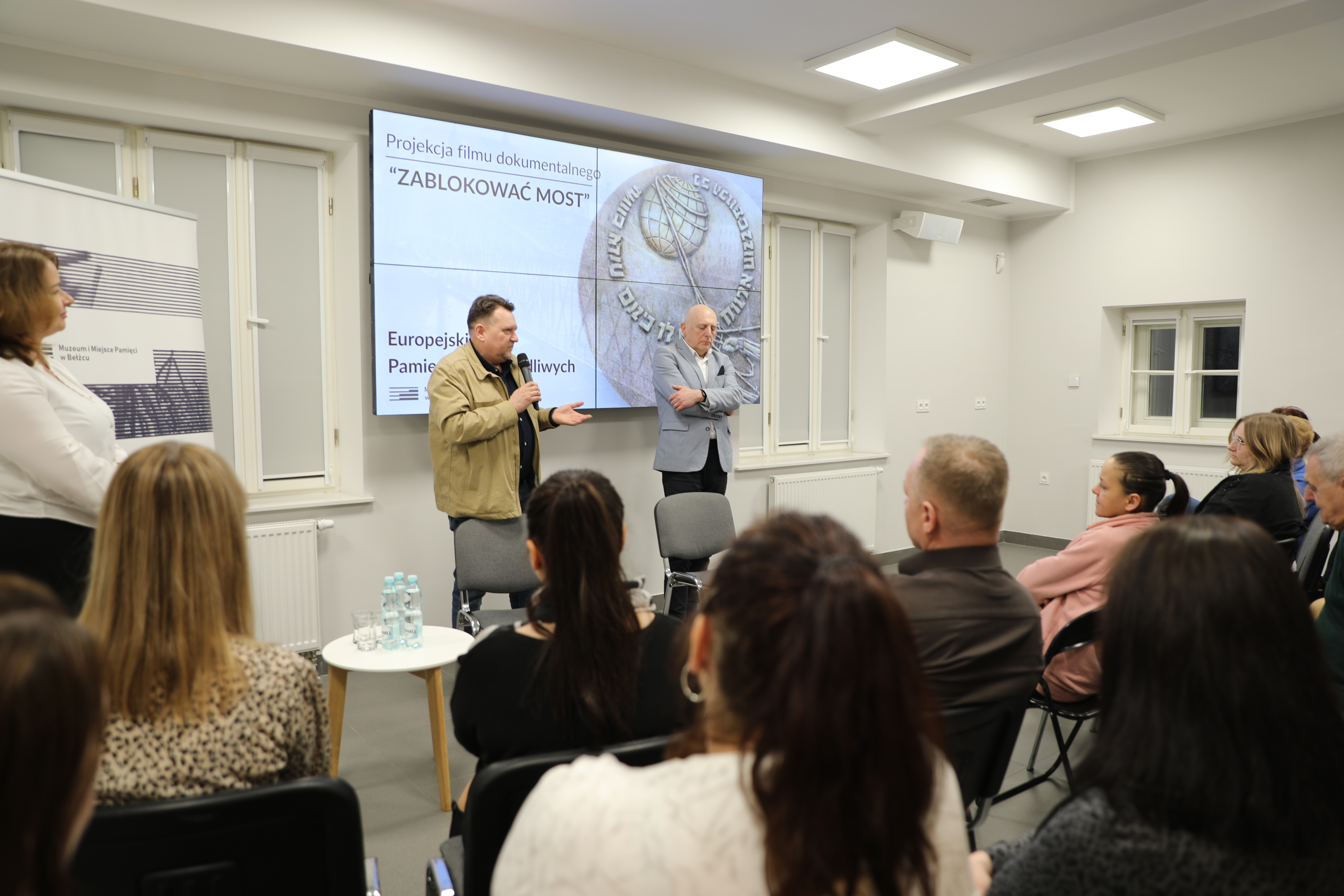
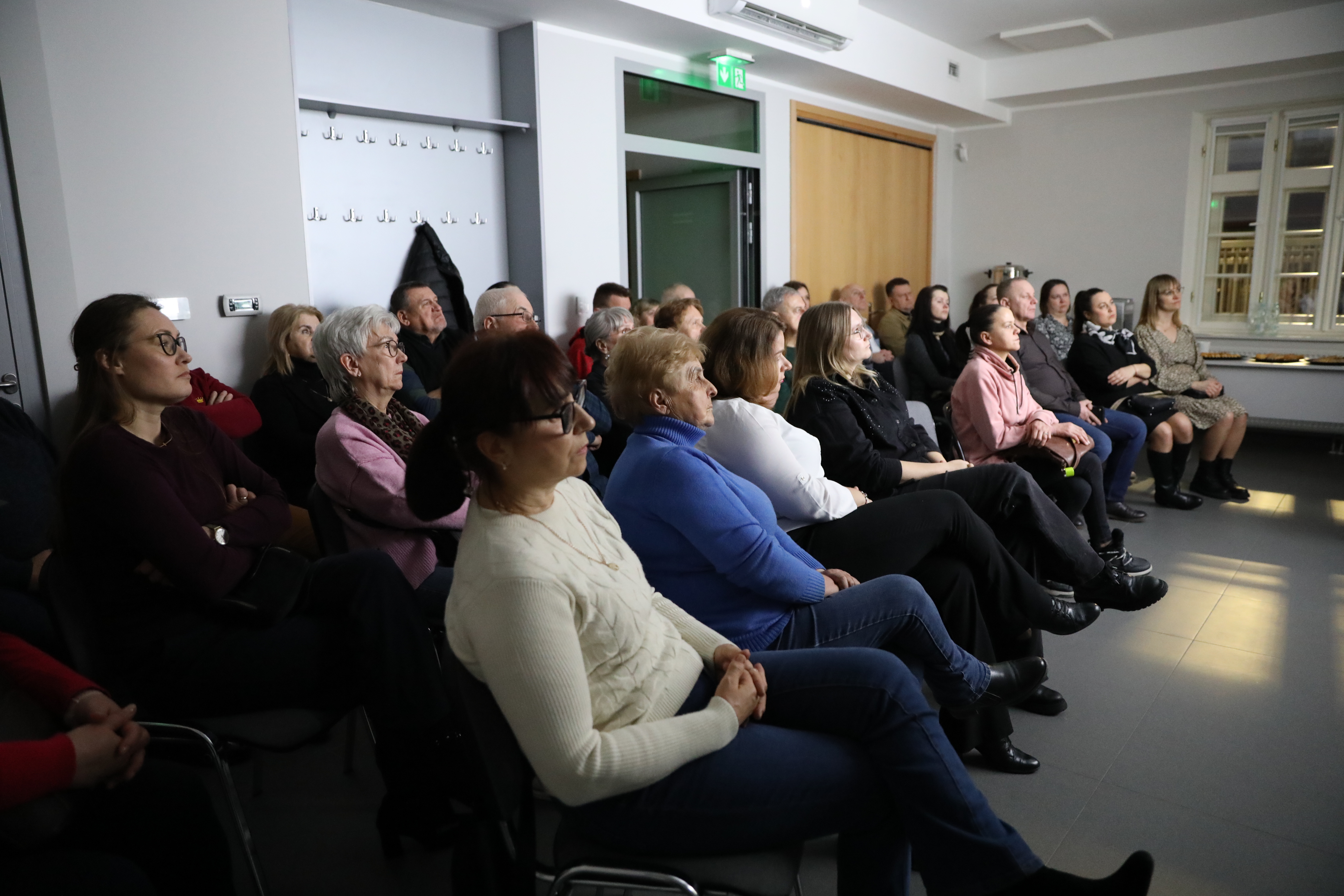
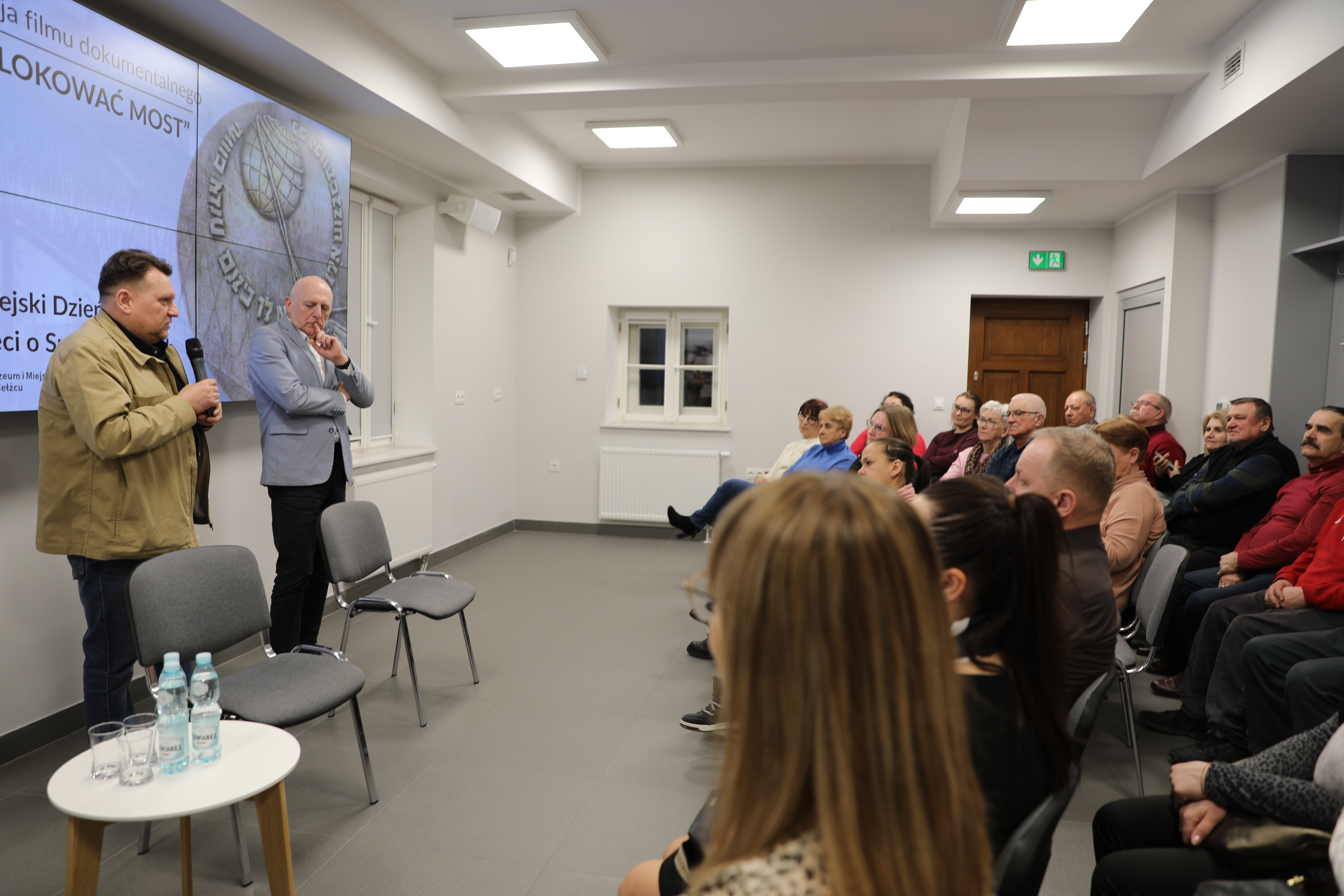
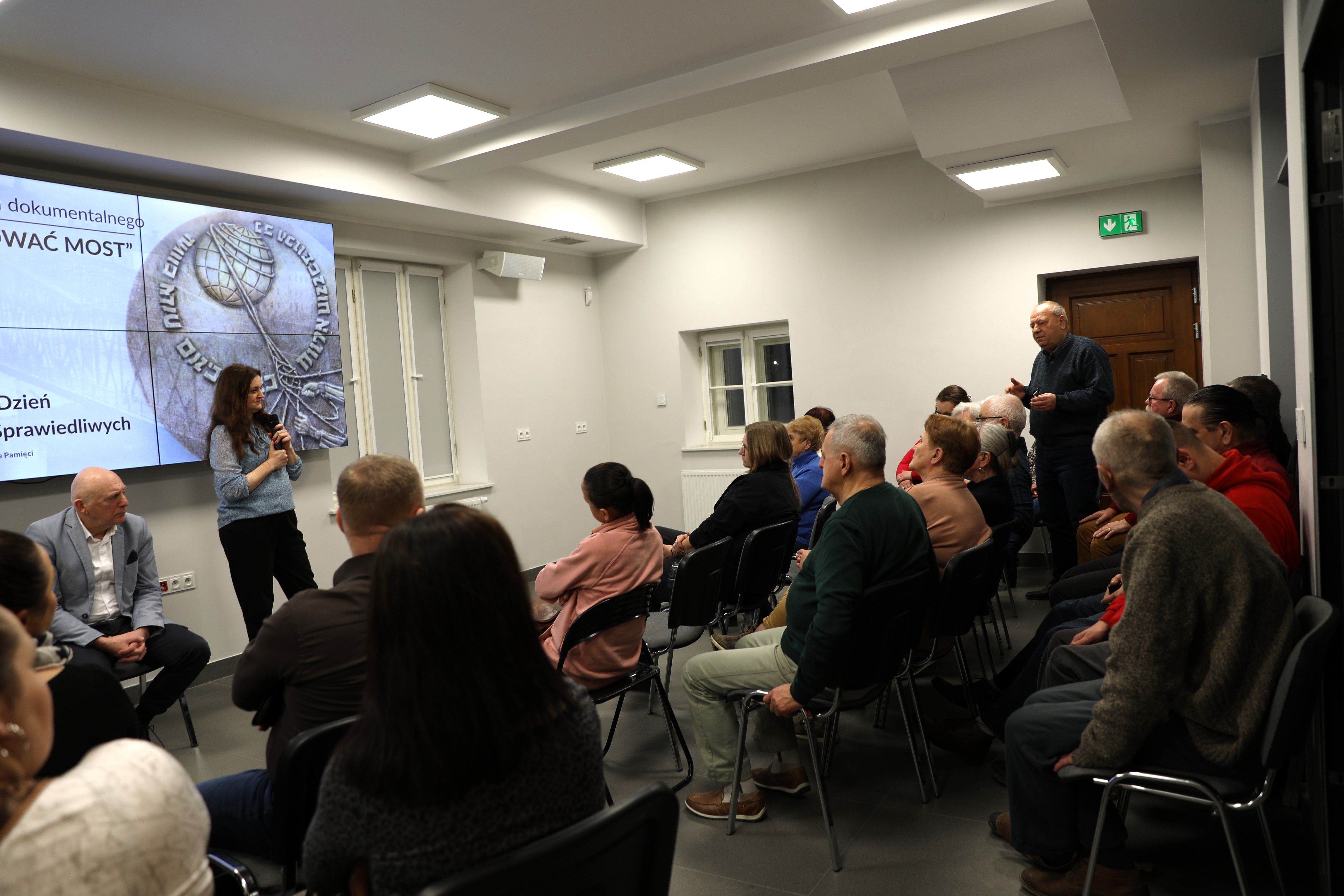
On 5 March, a screening of the documentary film Block the Bridge took place, telling the story of two Wehrmacht soldiers – Lieutenant Dr Albert Battel and Major Max Liedtke. In the reality of the Nazi system, based on violence and ruthless obedience, they defied orders and contributed to saving the lives of approximately 200–500 Jews from the Przemyśl ghetto. Their decision was an expression of extraordinary civil courage. Years later, they were honoured with the title of Righteous Among the Nations by the Yad Vashem Institute.

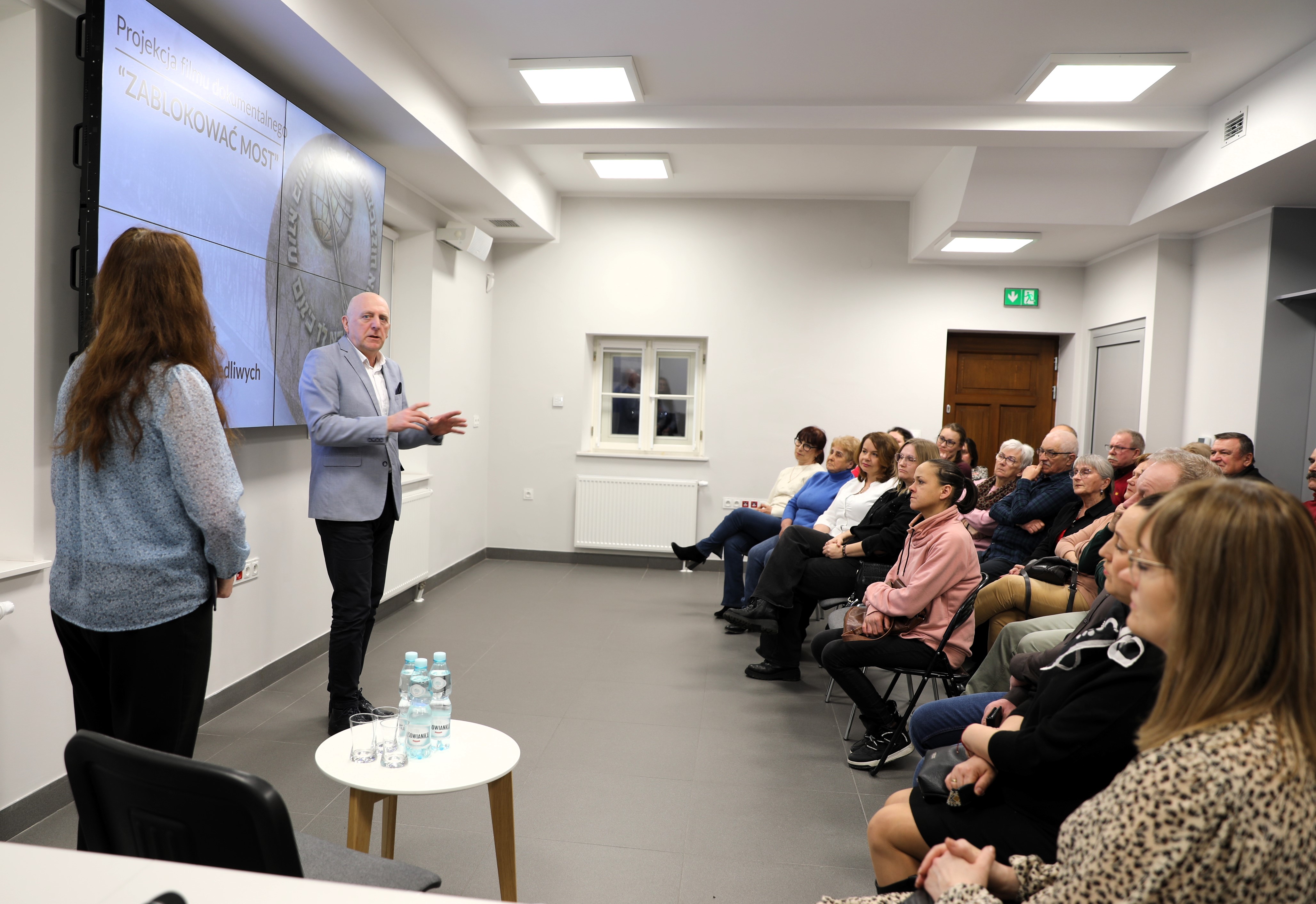
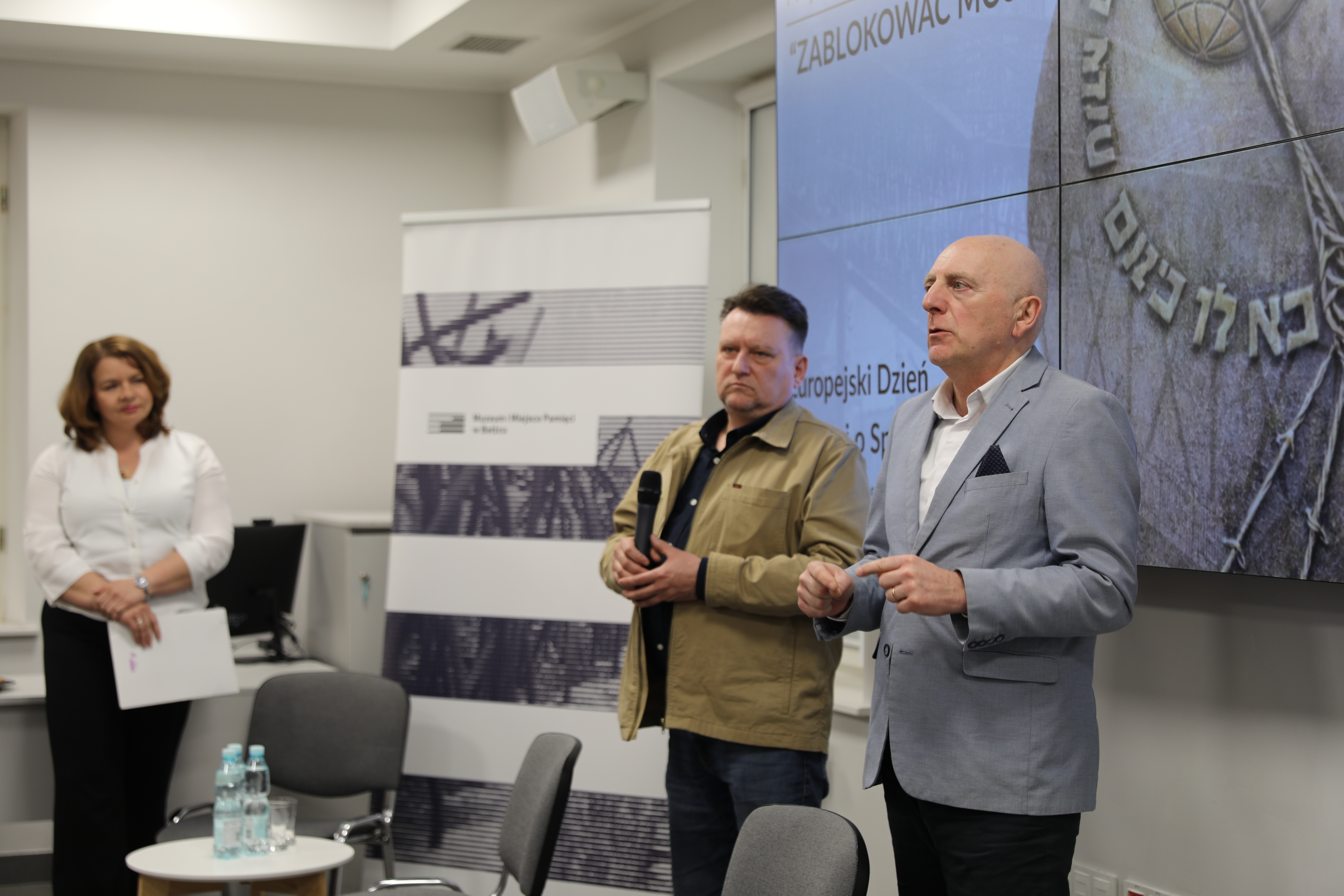
After the screening, there was a meeting with the actors – Janusz Łukasiewicz and Marek Niedźwiecki, who was also the initiator of the film. During the conversation, participants had the opportunity to learn about the fate of the rescued Jews and the behind-the-scenes story of the production. The actors talked about their work on the film, their preparations for their roles, and how the filmmakers tried to convey the drama of the decision made by Battel and Liedtke. The meeting became a space for discussion about responsibility, courage, and the importance of individual choices in the face of injustice.
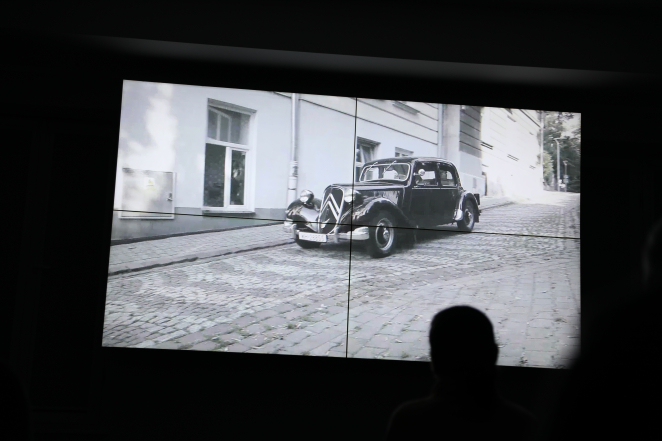
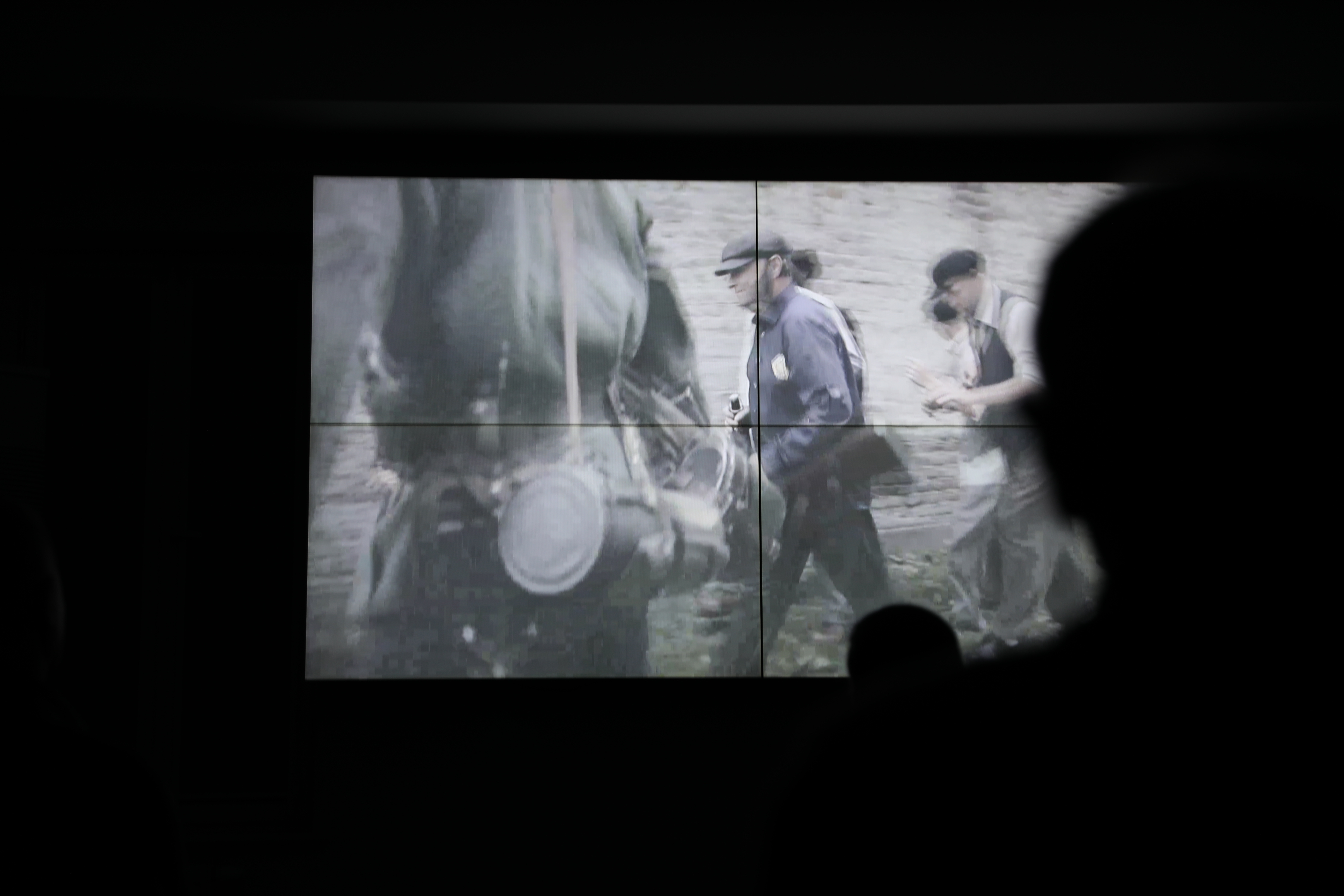
A black-and-white projection on the screen shows a vintage Citroën car parked on a sloping, cobbled street. In the foreground, in a darkened exhibition hall, the silhouette of a person watching the recording is visible from behind.

The following day, 6 March, participants took part in a free guided tour of the former extermination camp in Bełżec. This was followed by meetings with employees of the Ulma Family Museum of Poles Saving Jews During World War II in Markowa. They presented the exhibition Could they have been helped in their loneliness? Saving Jews in occupied Poland, which shows the dramatic choices made by people who decided to help the persecuted despite the enormous risk.

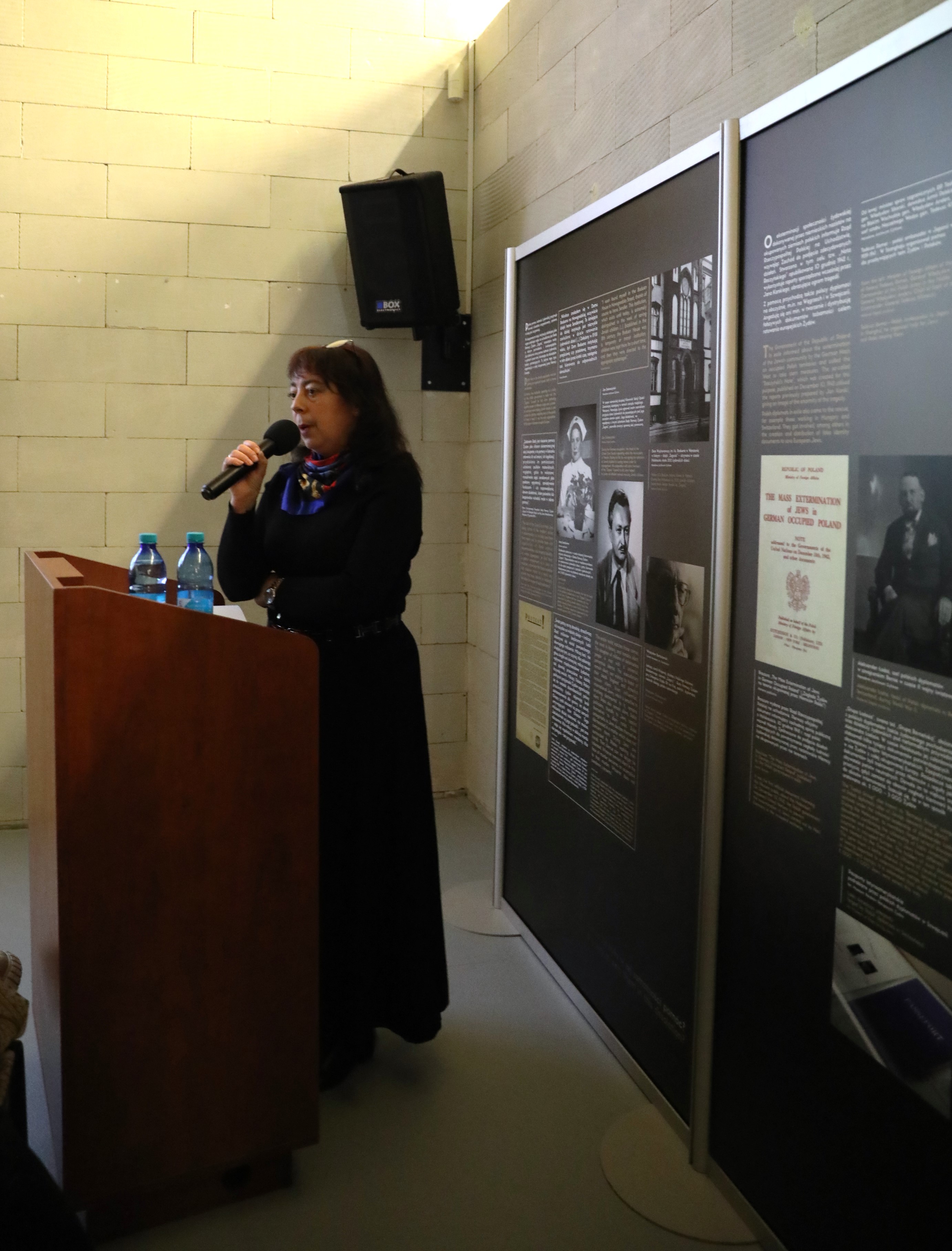
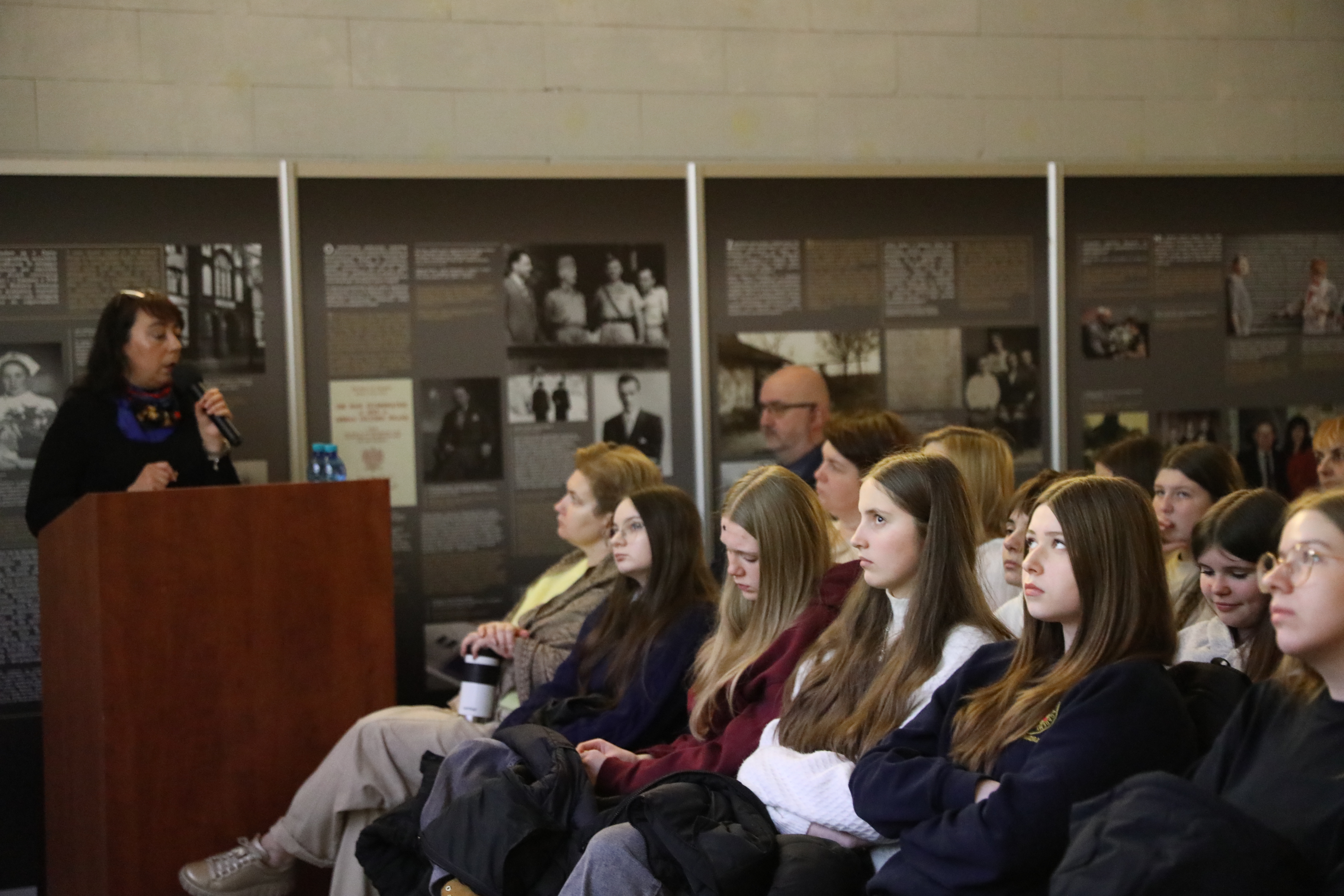
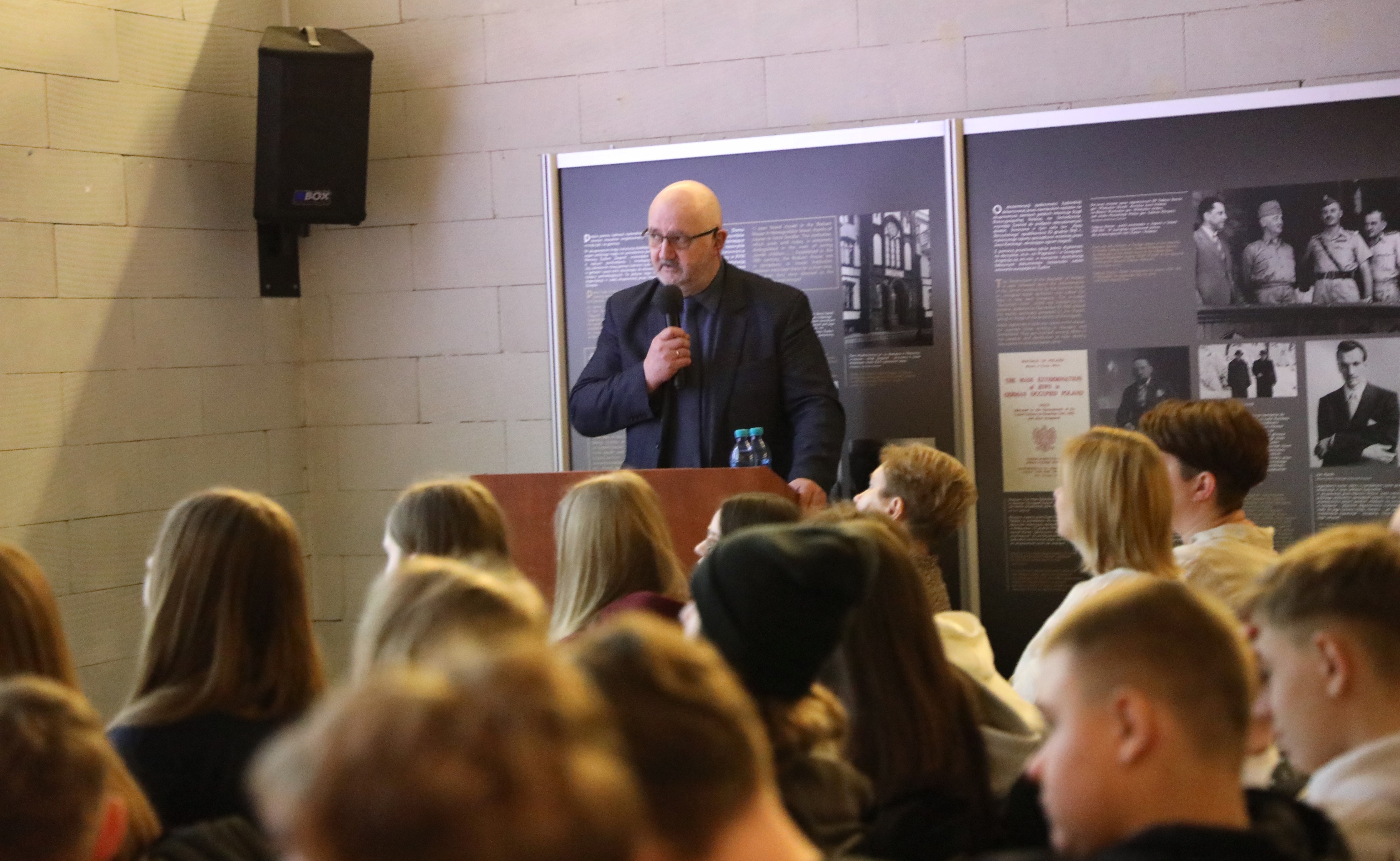
In her lecture "The Righteous Among the Nations from Markowa. The Blessed Ulms and other selected families", Renata Kunysz told the stories of people who risked their own lives to save Jews. Artur Dobrucki, in his presentation entitled "Memory, image, testimony. The Blessed Ulma Family in the space of remembrance", showed how the memory of the Ulma family functions today in the public space and how it is preserved in various forms of commemoration.

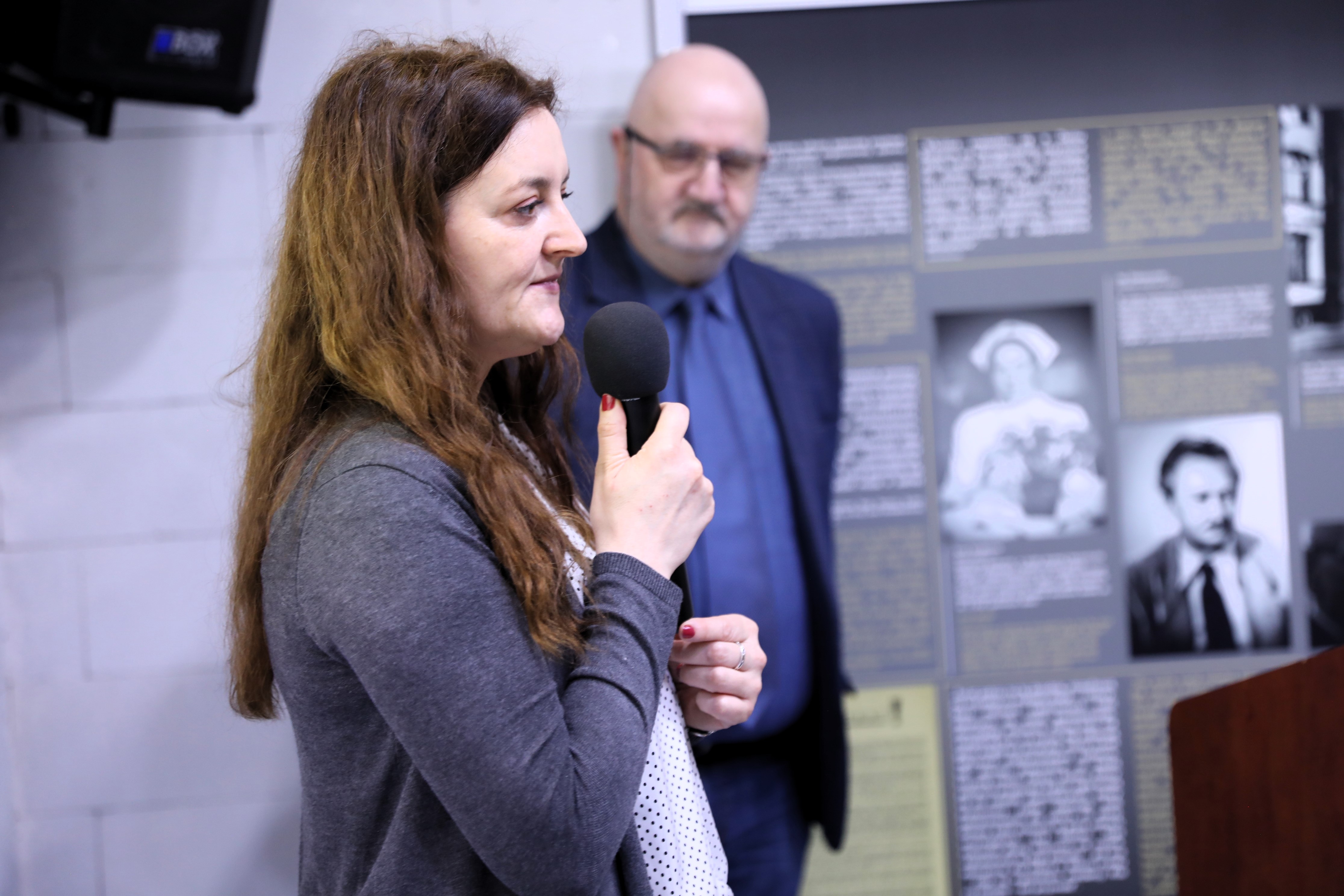
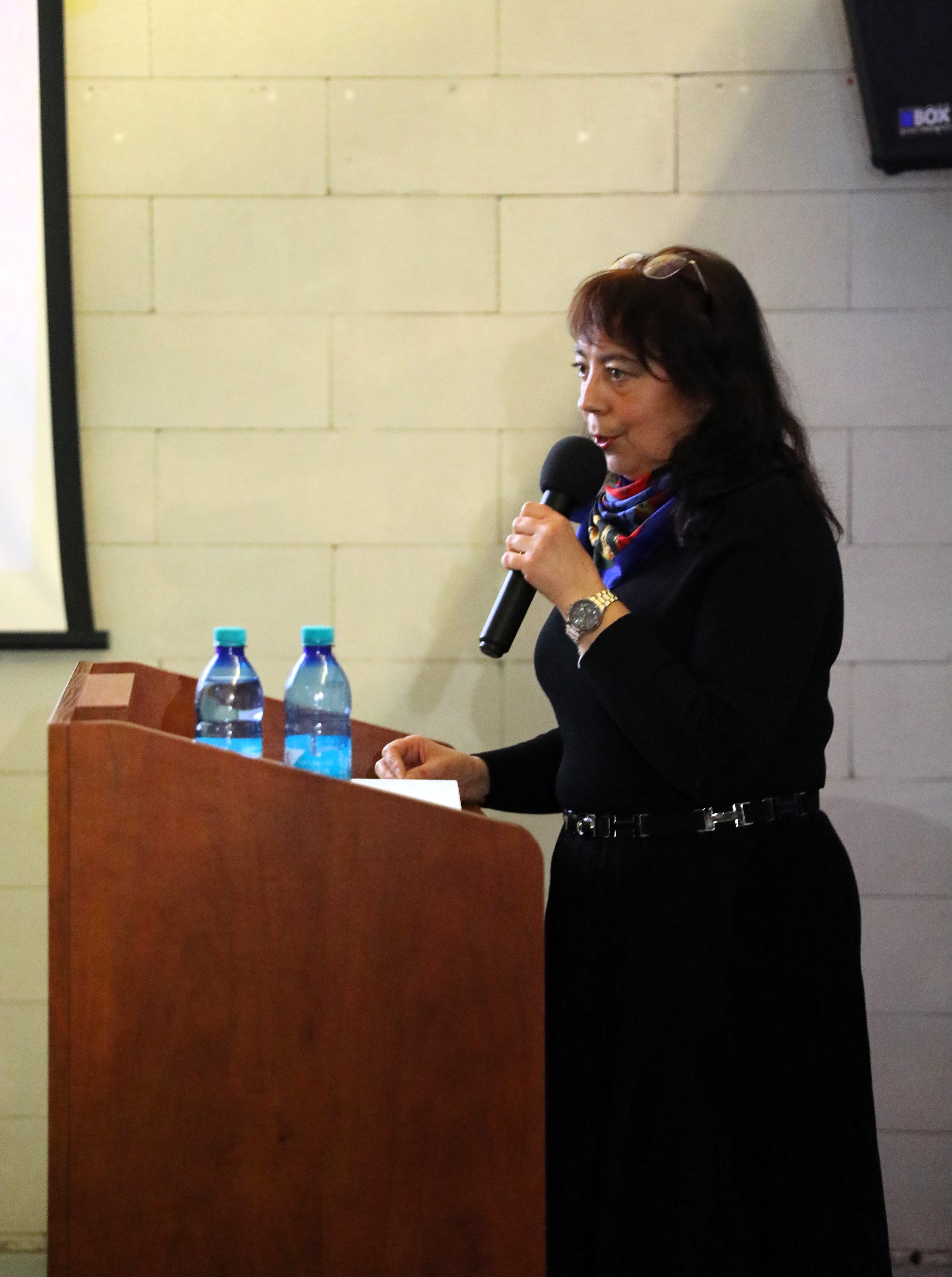
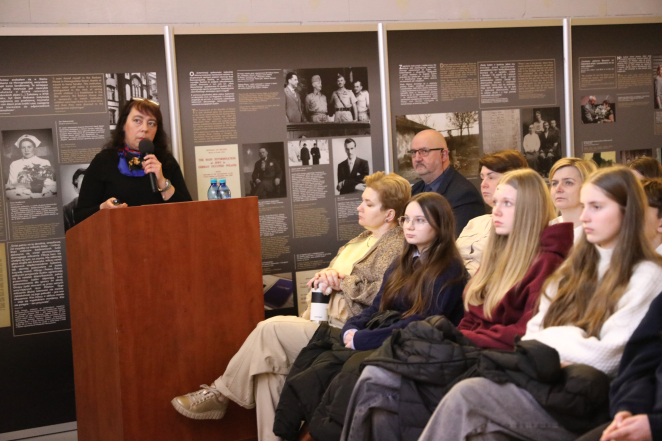
A woman speaking into a microphone at a wooden lectern. Next to her sits a group of attentive listeners, and in the background are large educational boards with archival photographs and historical texts.
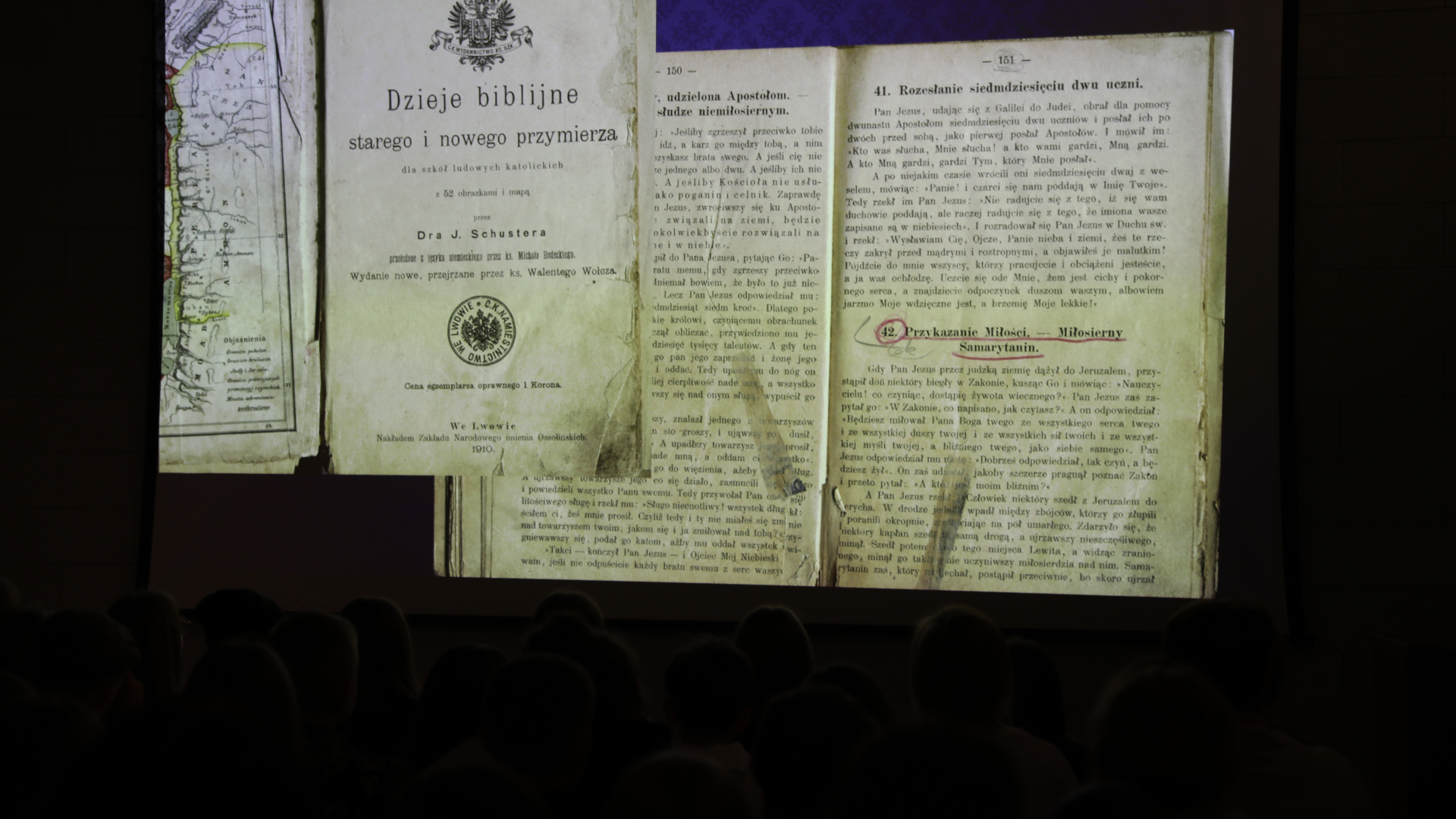
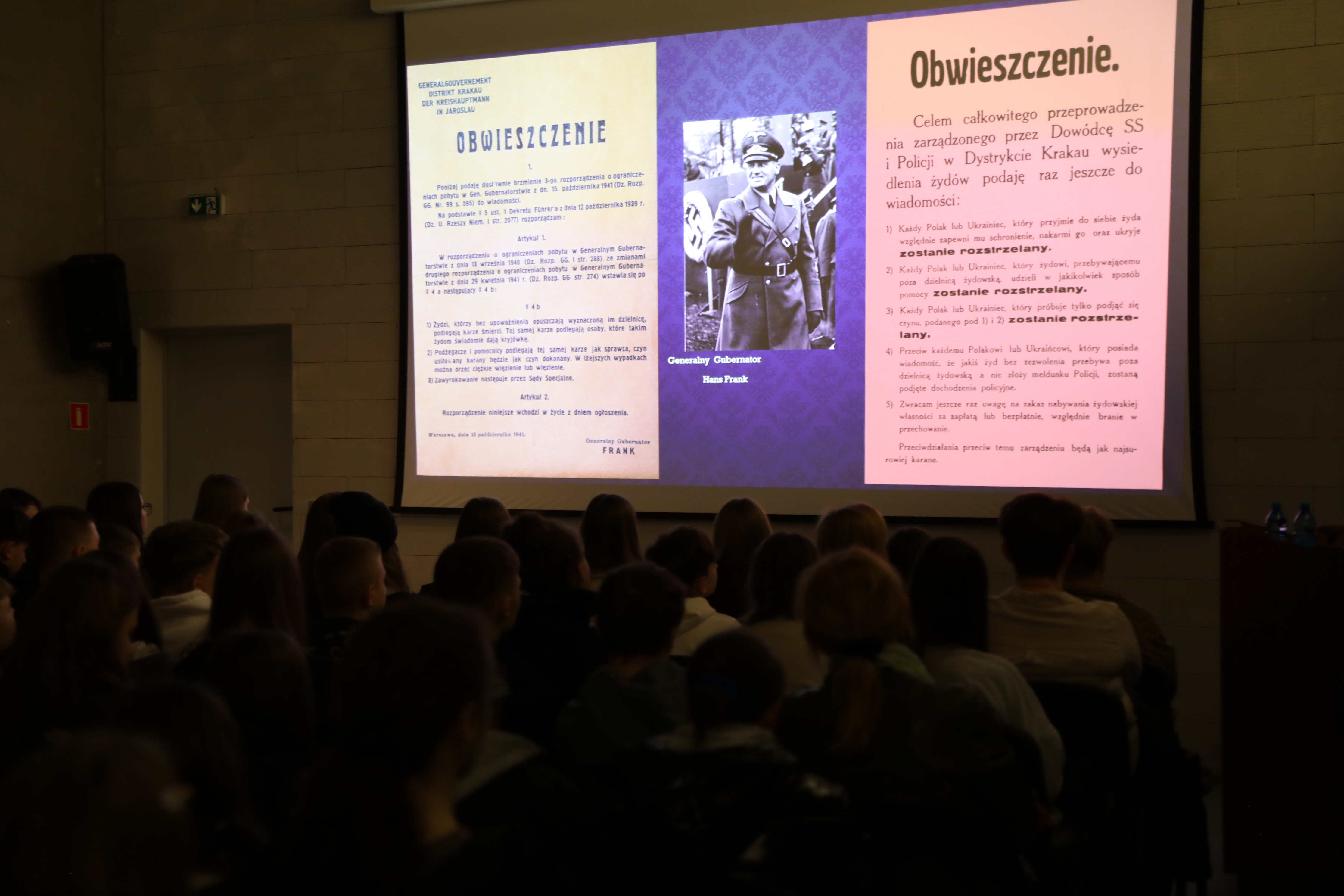
Projection of scans of pages from an old book entitled ‘Biblical History of the Old and New Covenants’ on a large screen. At the bottom of the photo, you can see the outlines of the heads of the audience sitting in a darkened room.

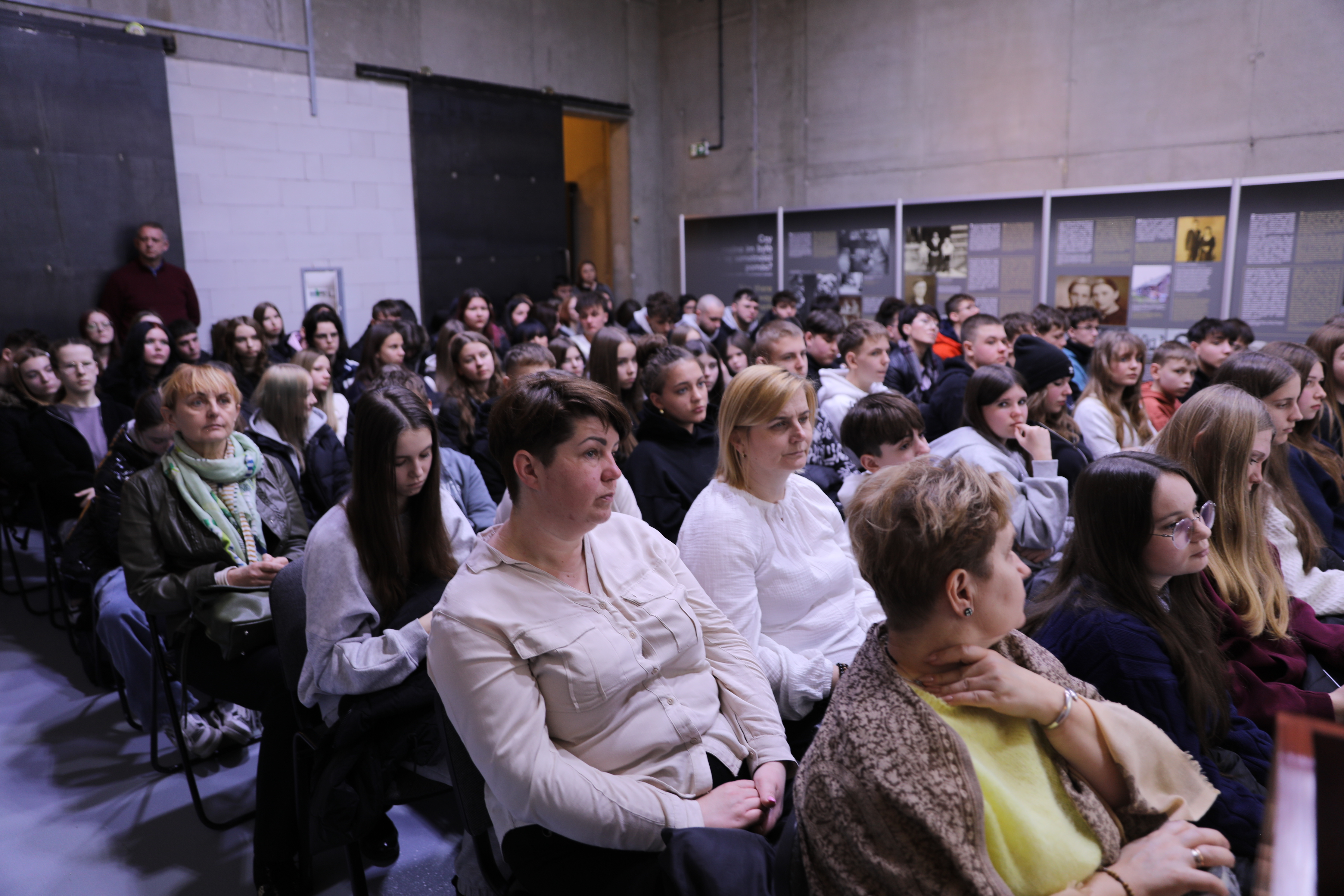
The events were attended by pupils and teachers from the Home Army Primary School in Kaczórki, the Peasant Battalions Primary School in Szewnia Górna, and the Maria Curie-Skłodowska Food and Business School Complex in Jarosław. The meetings became an important history lesson and a reminder that even in the most difficult times, a single person can have the courage to stand up to evil and save another human being.

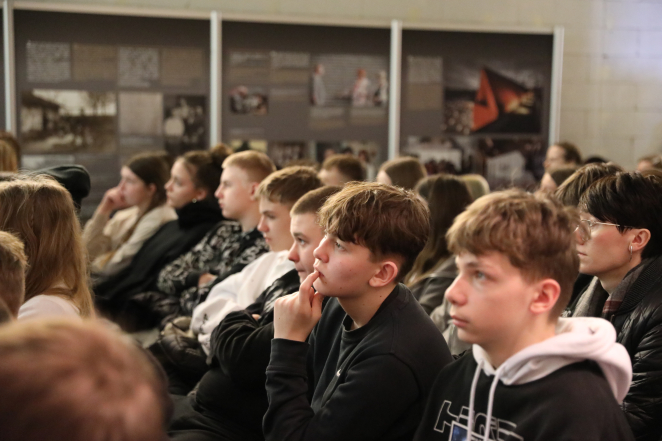
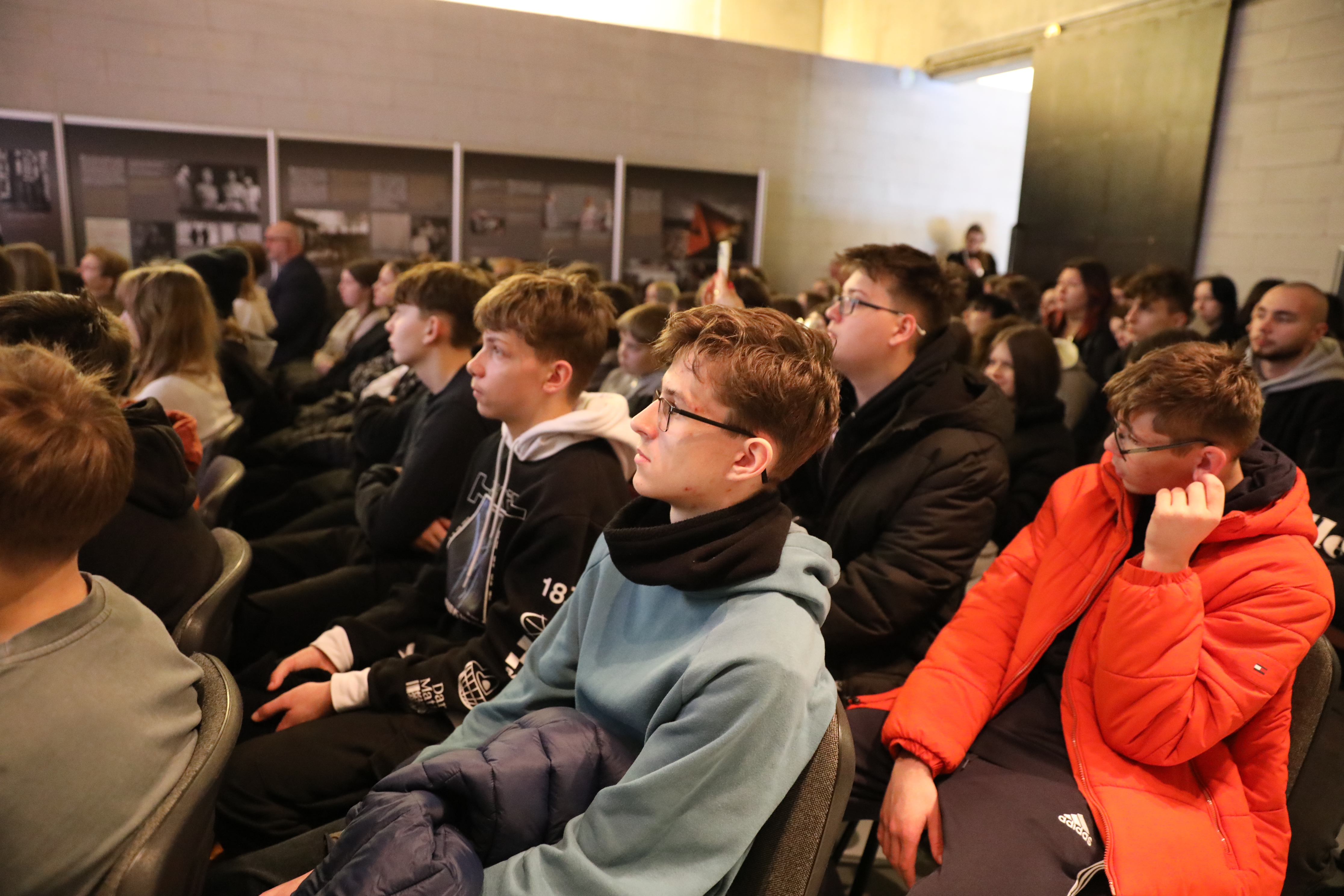
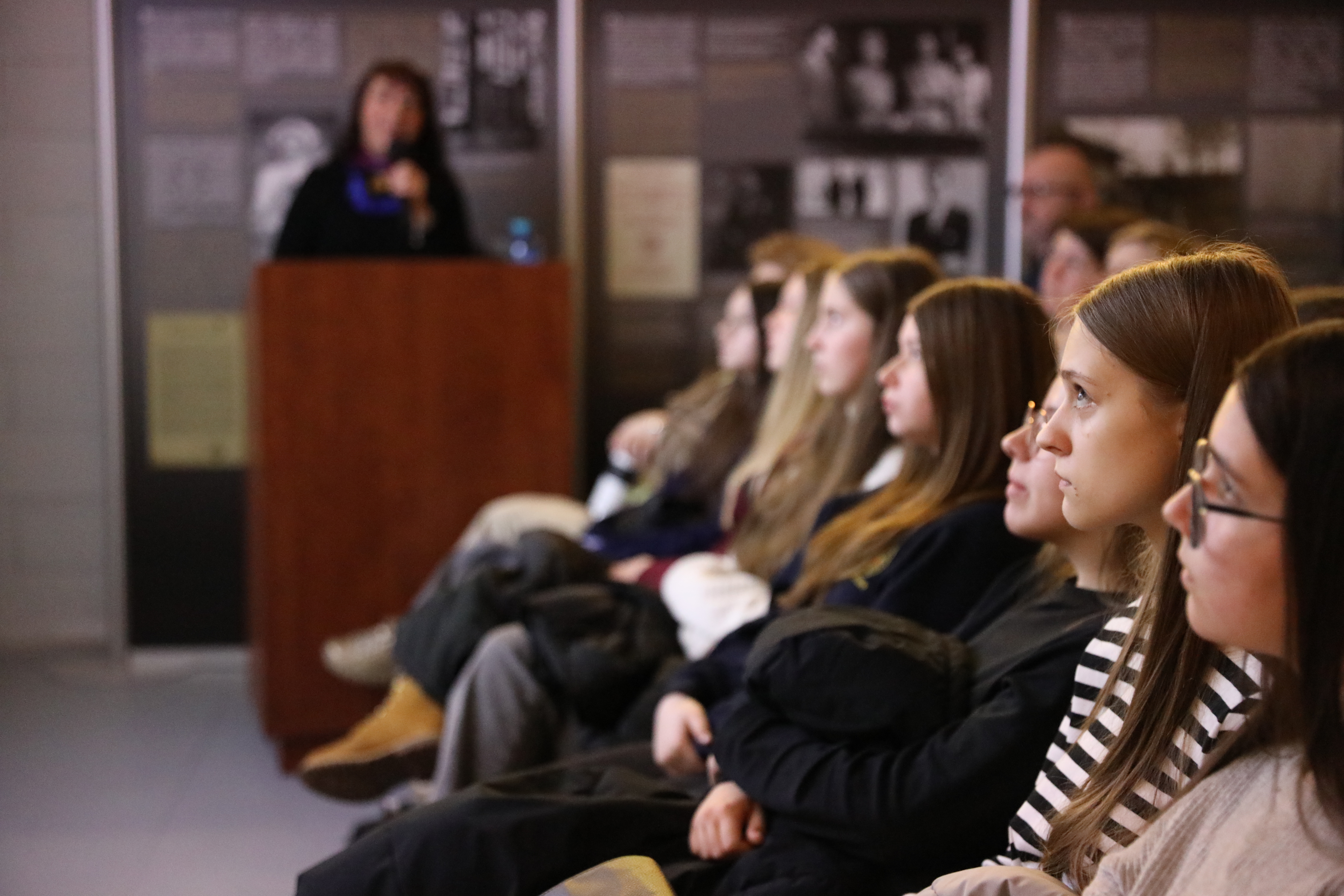
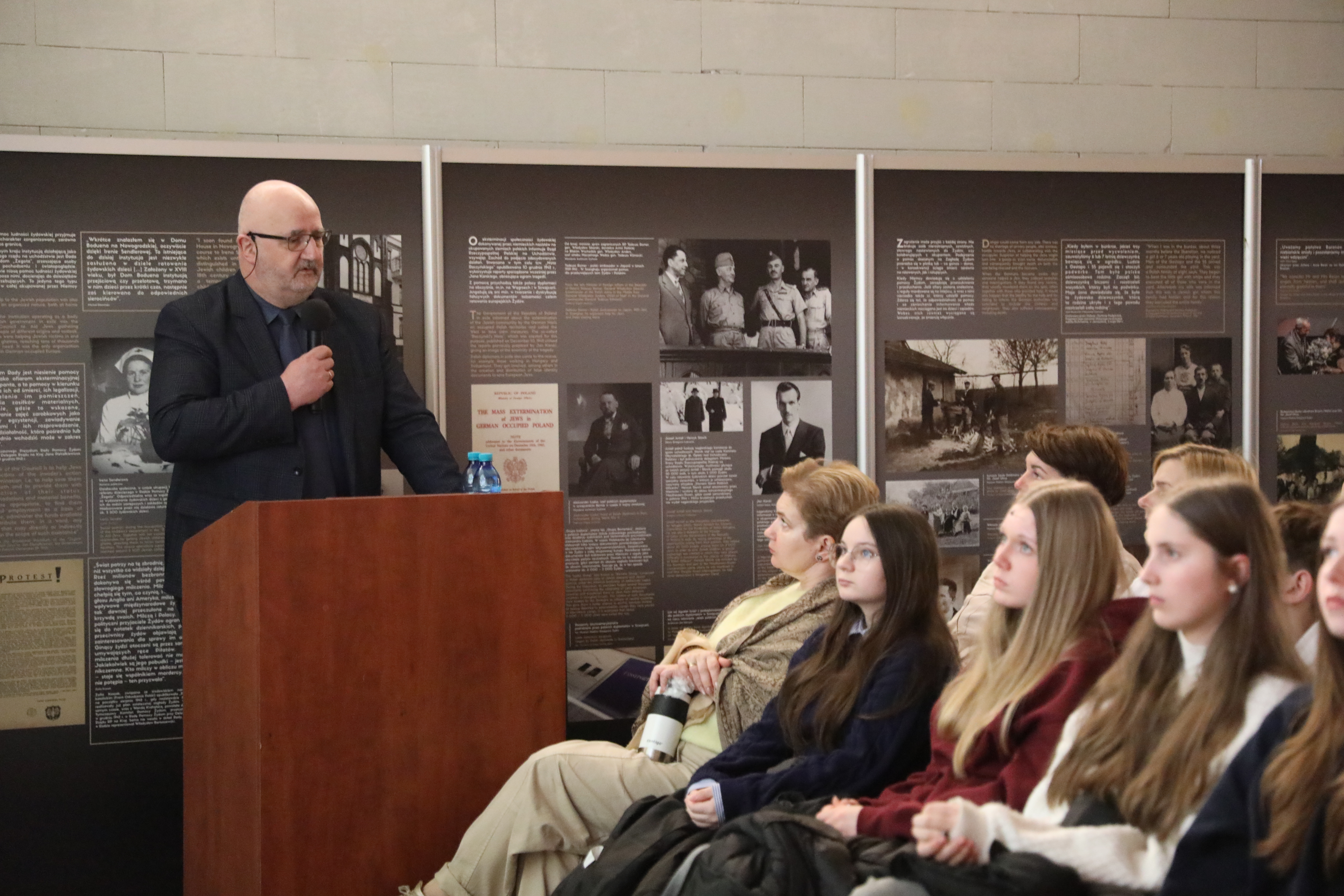
The audience sitting in rows and listening attentively to the lecture during the event. In the background, exhibition panels with texts and photographs are visible – stories of the Righteous.