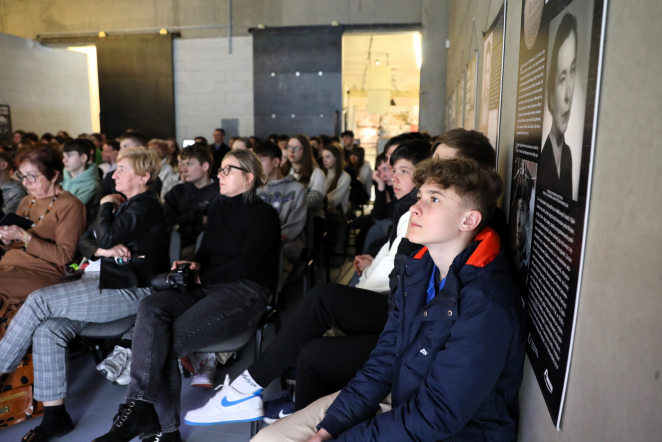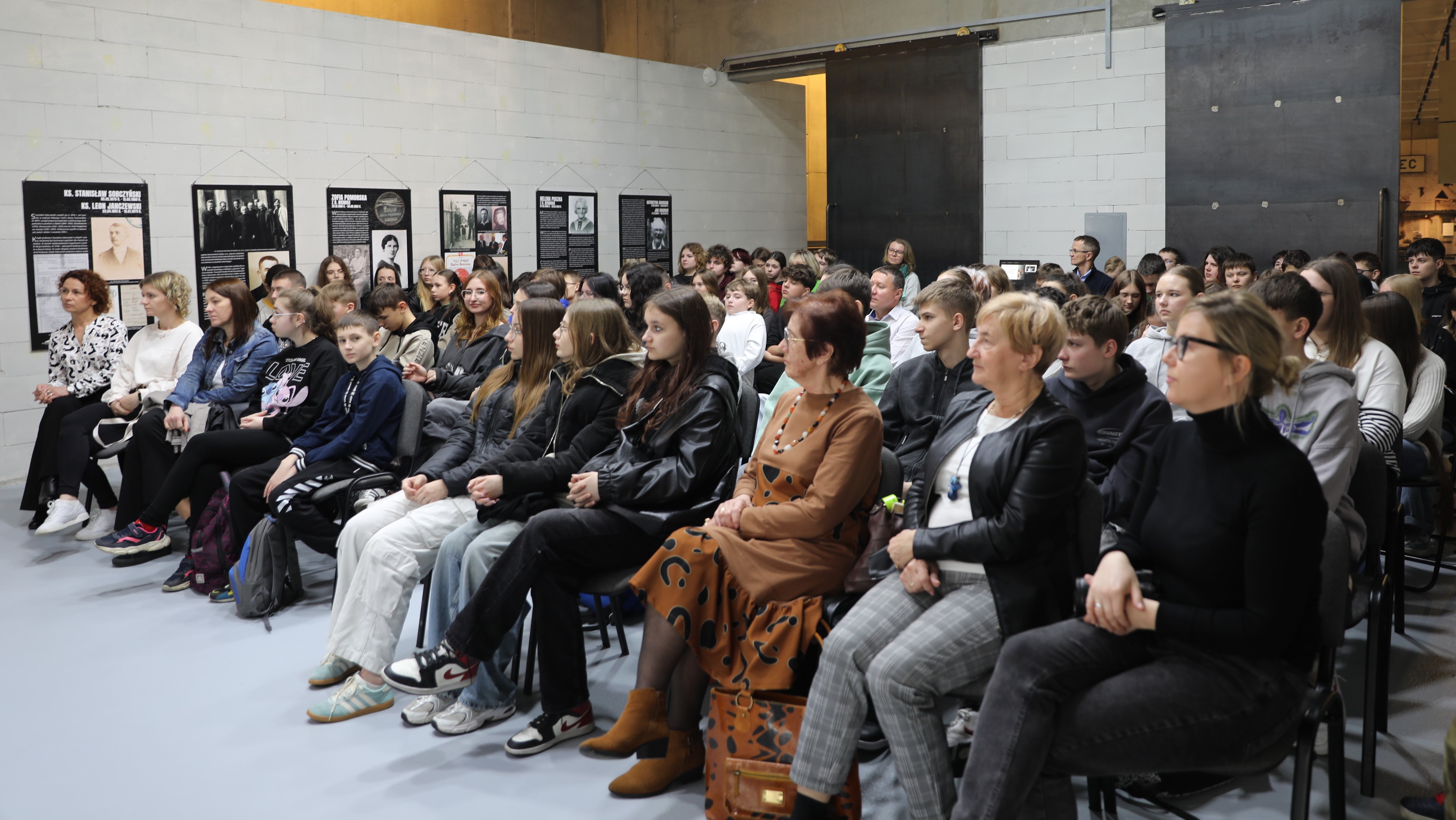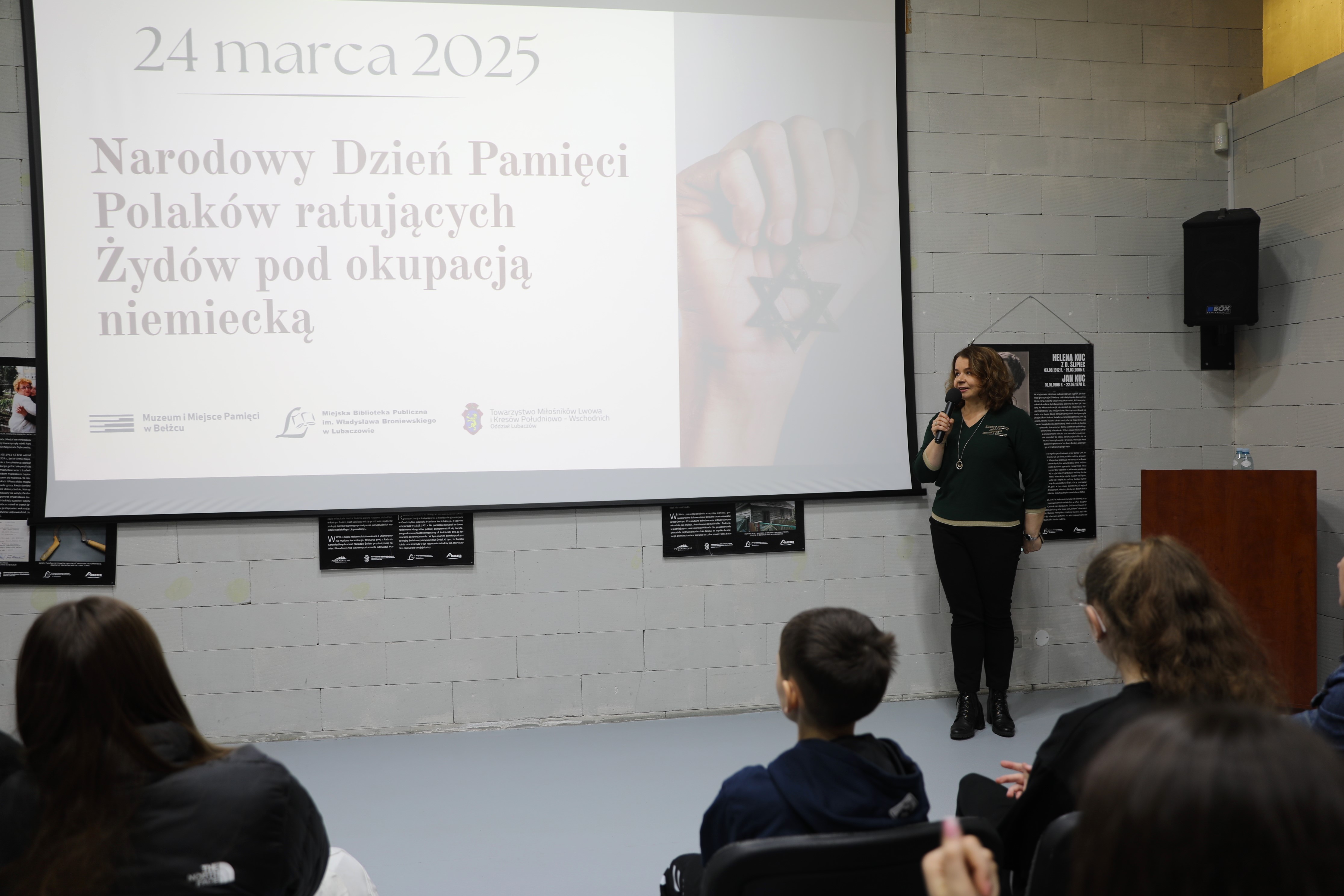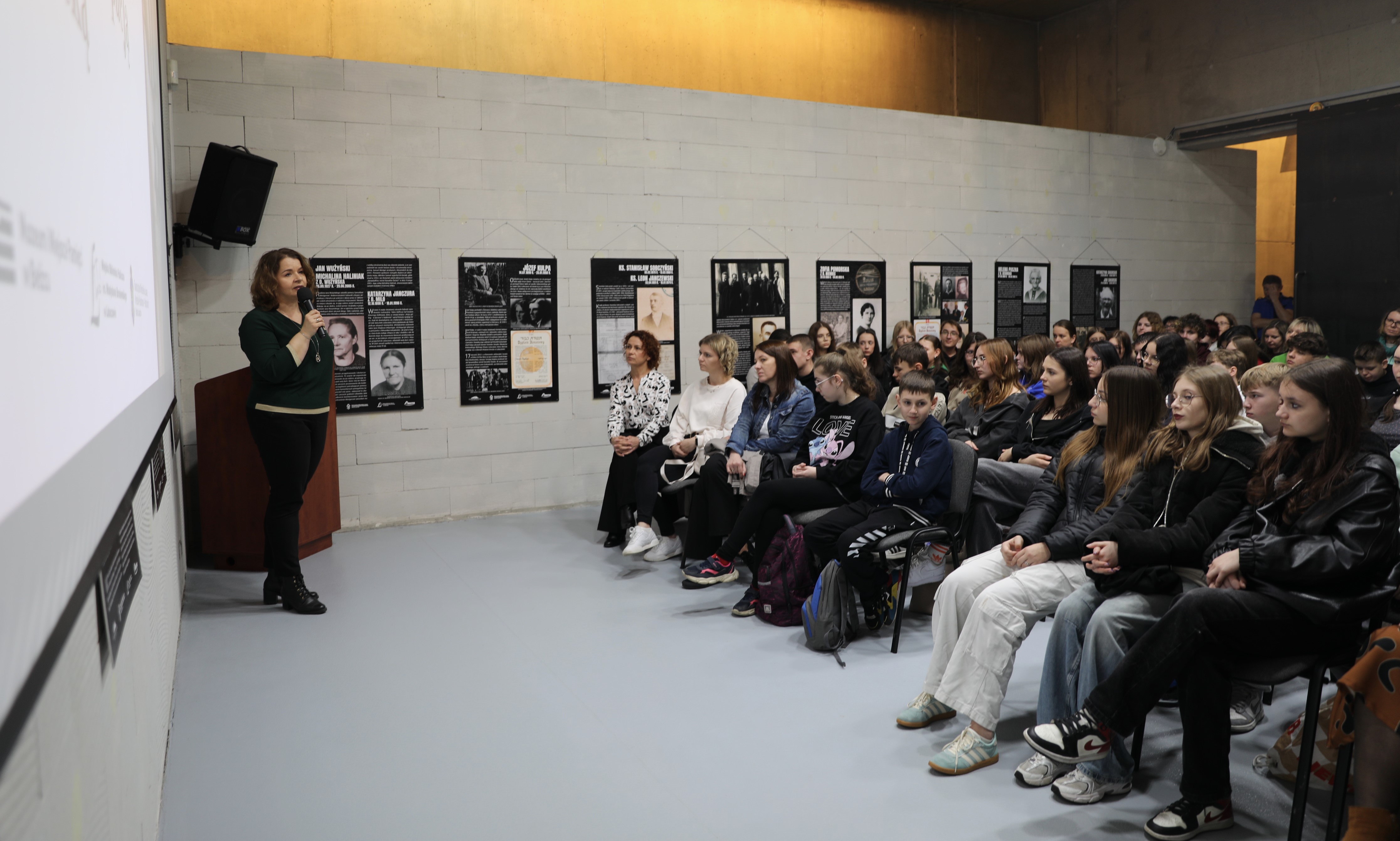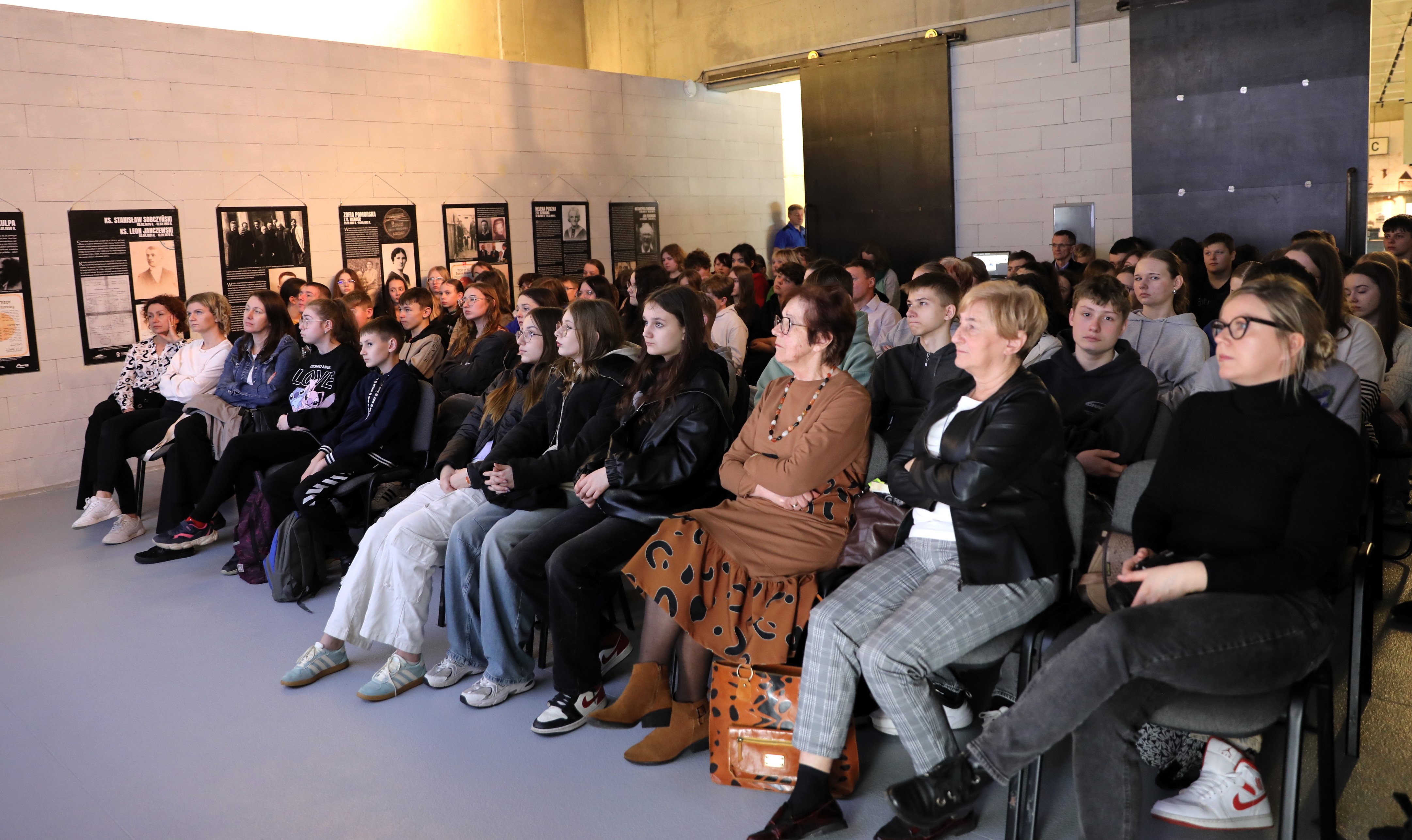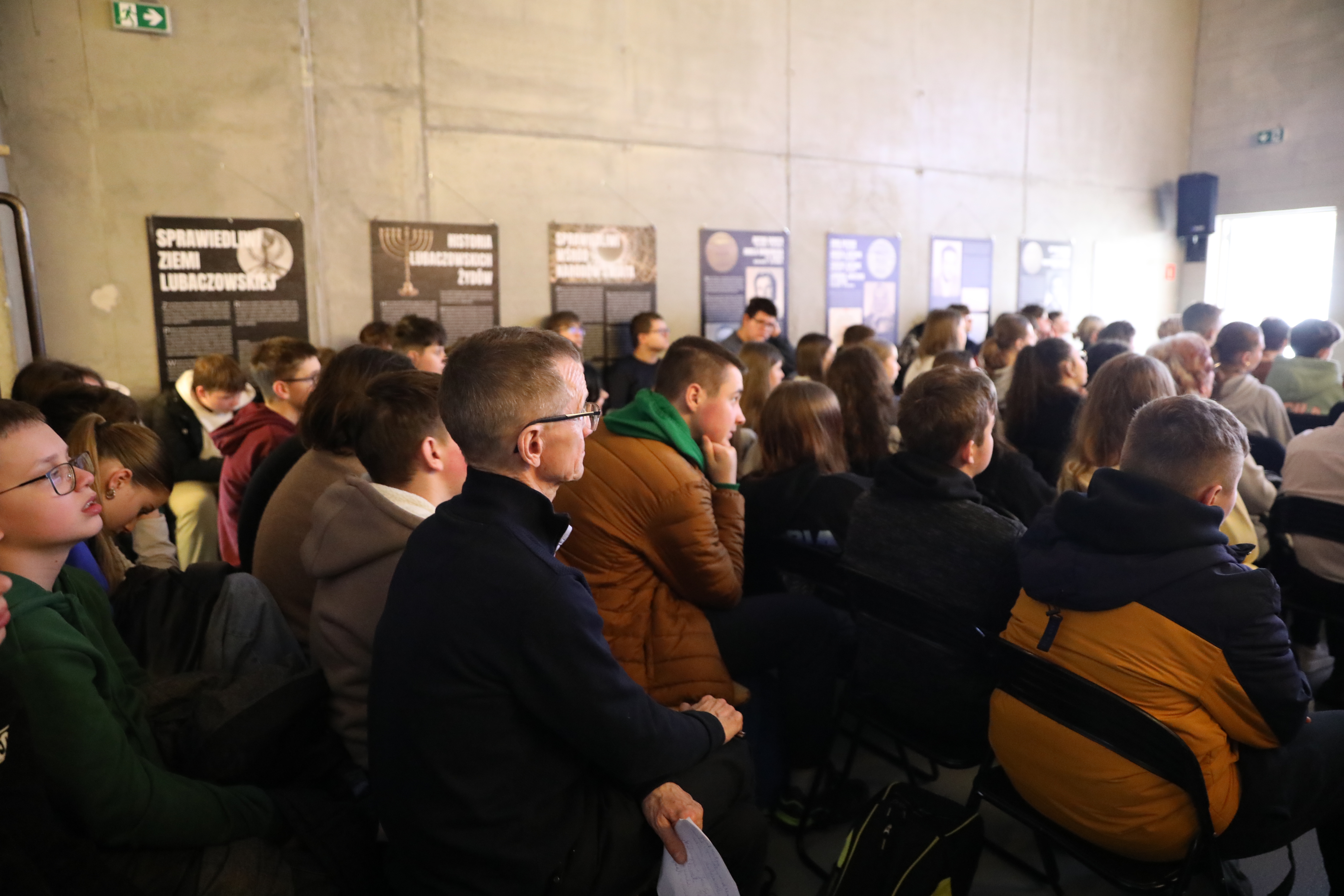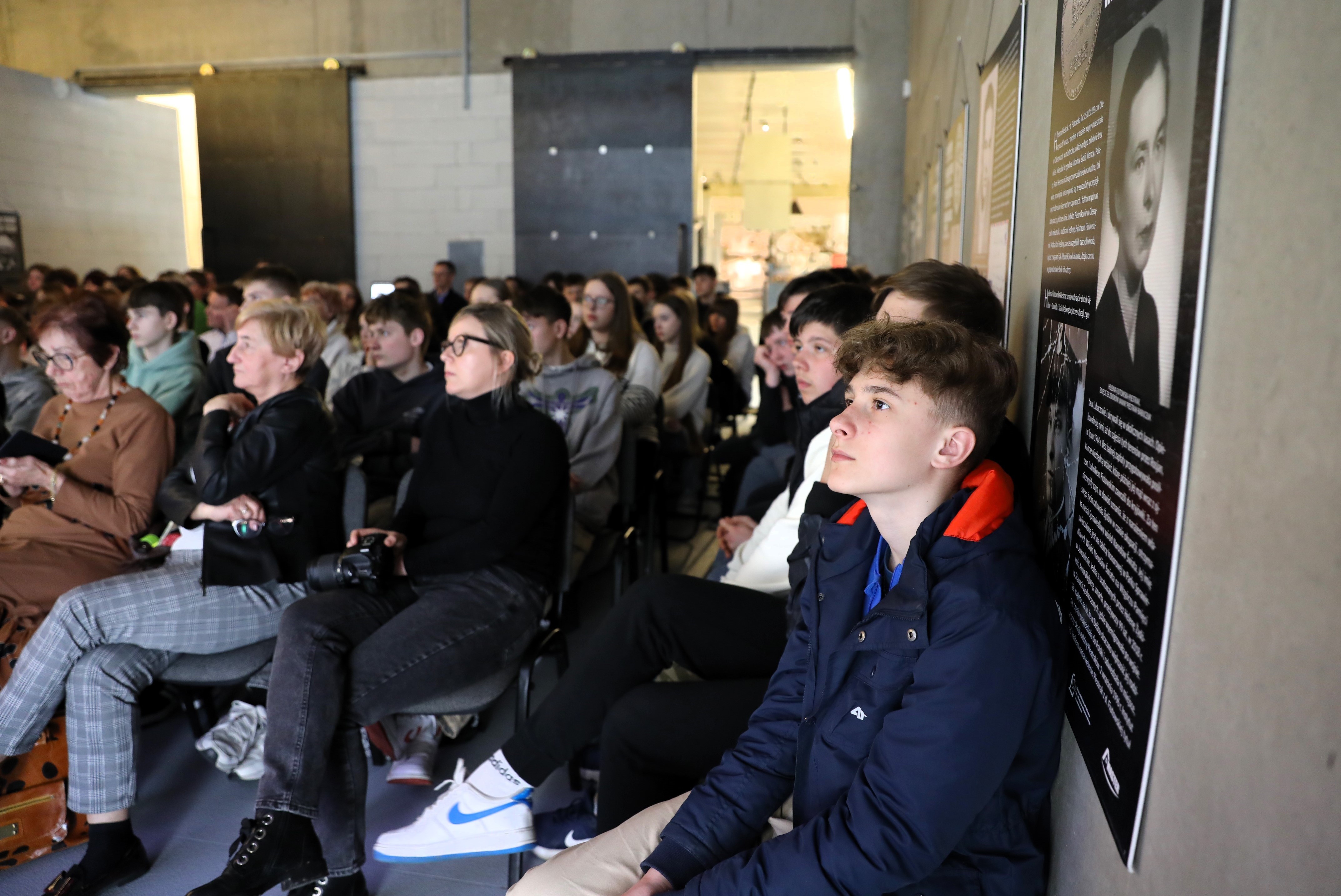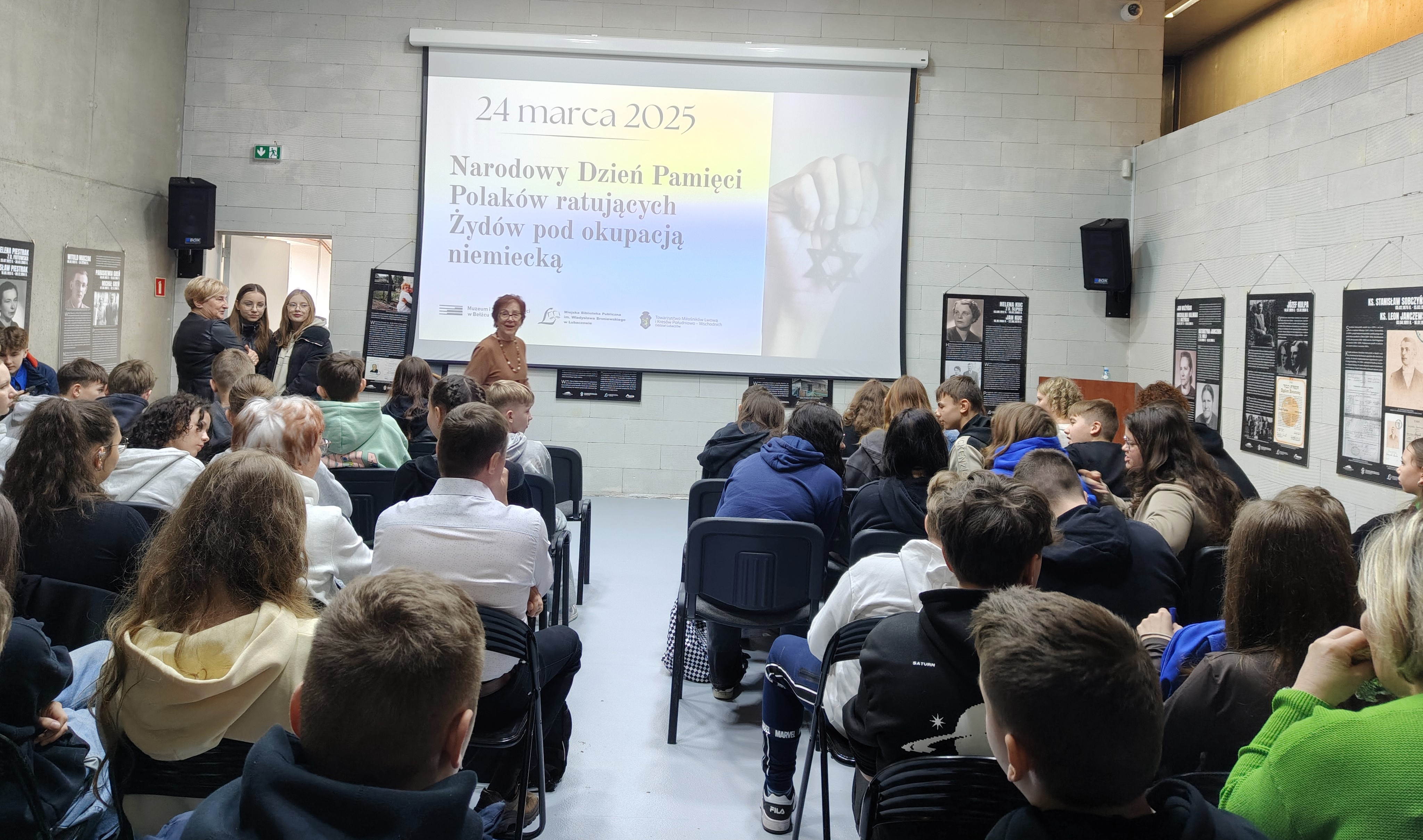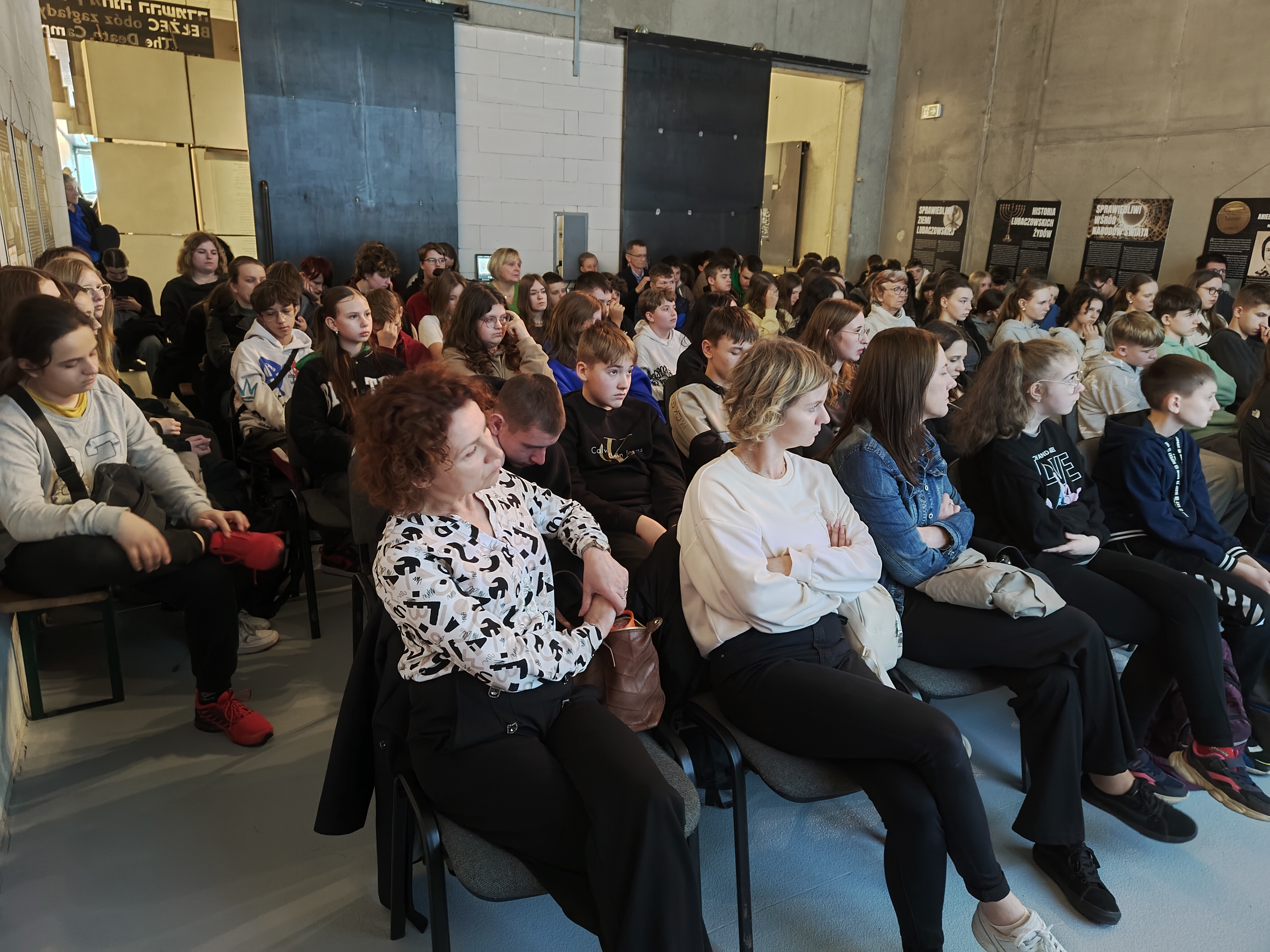
The commemoration began with a guided tour of the grounds of the former German Nazi extermination camp, which allowed participants to become familiar with the tragic history of the site, as well as with the heroism of those who did not hesitate to help persecuted Jews during World War II.
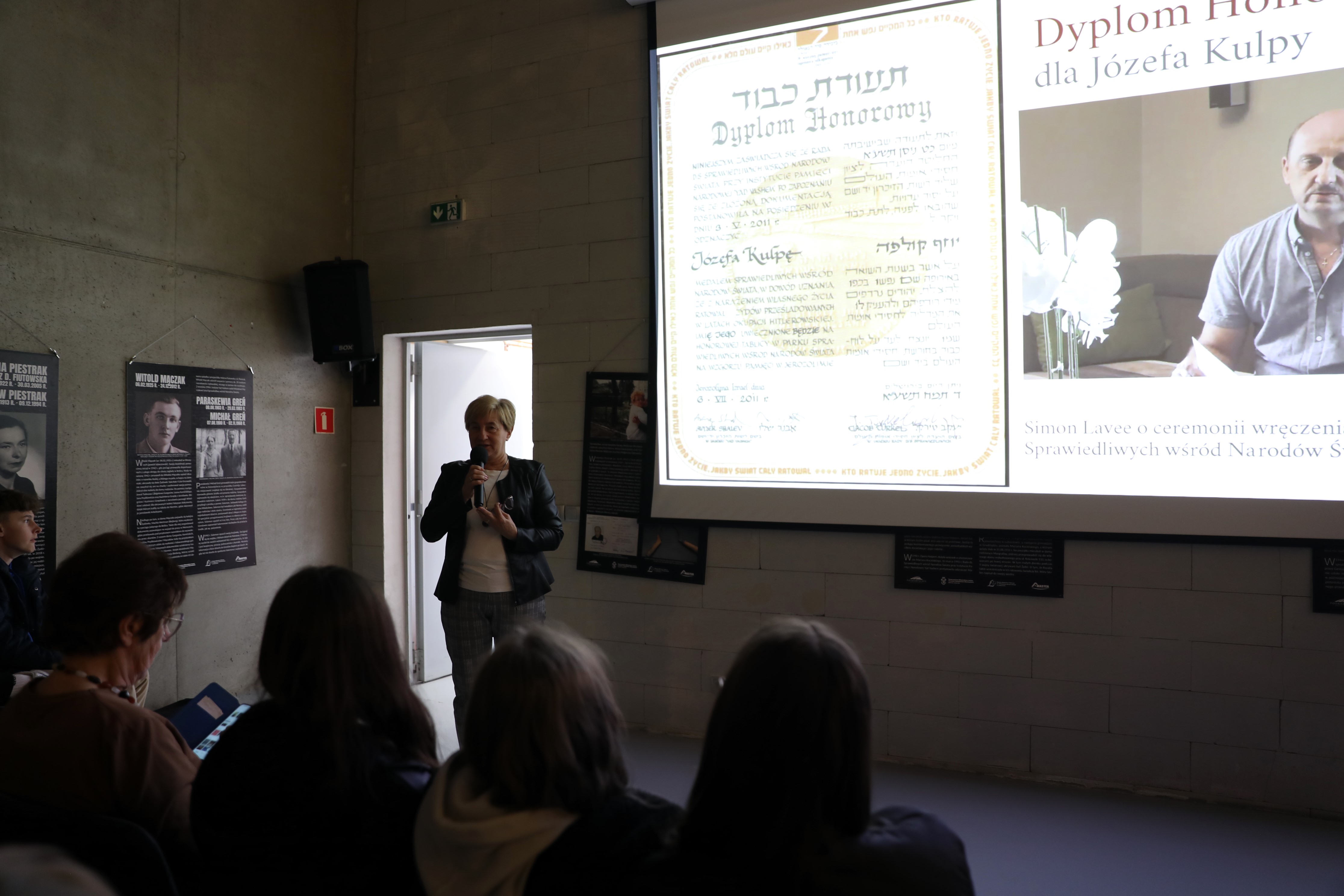
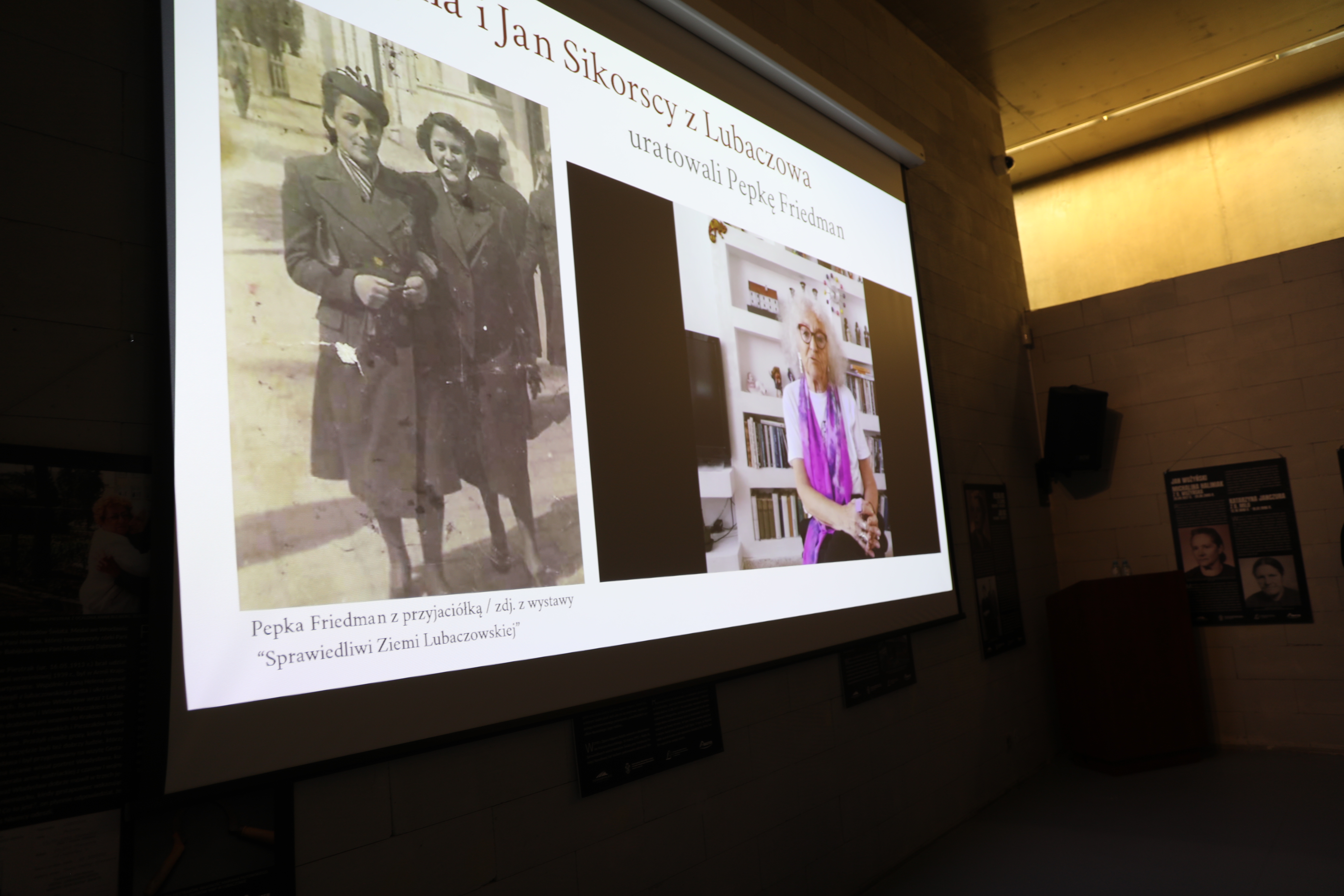
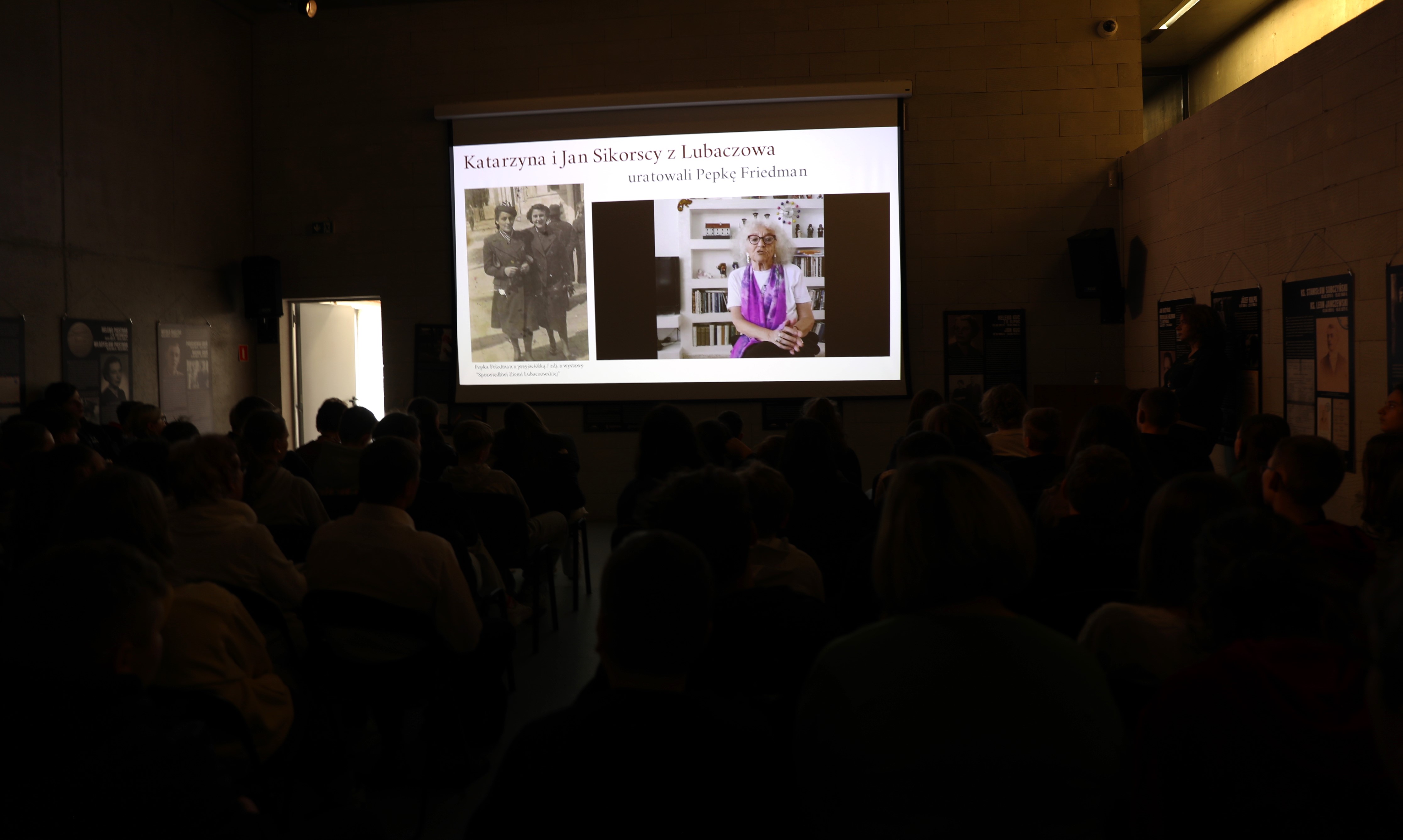
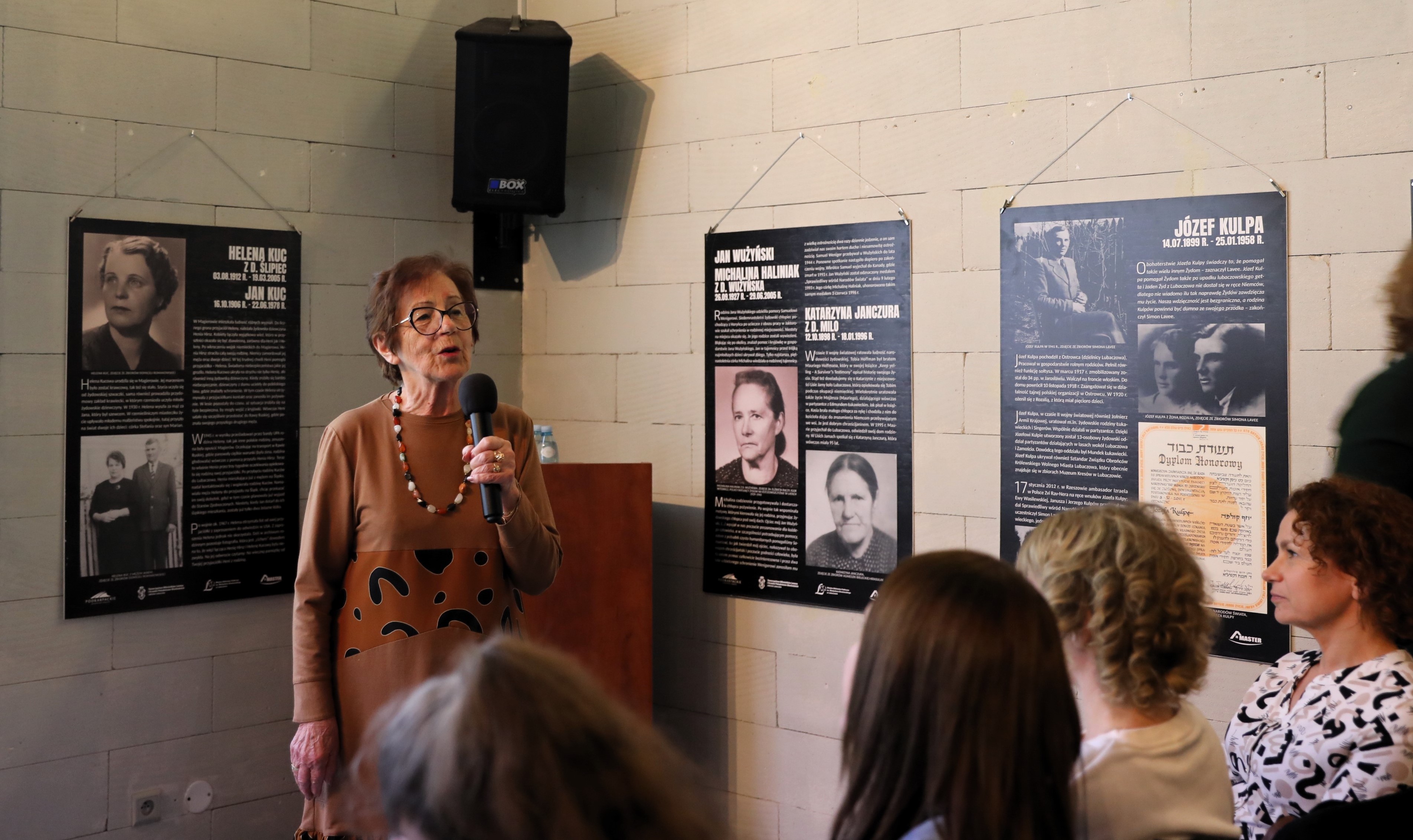
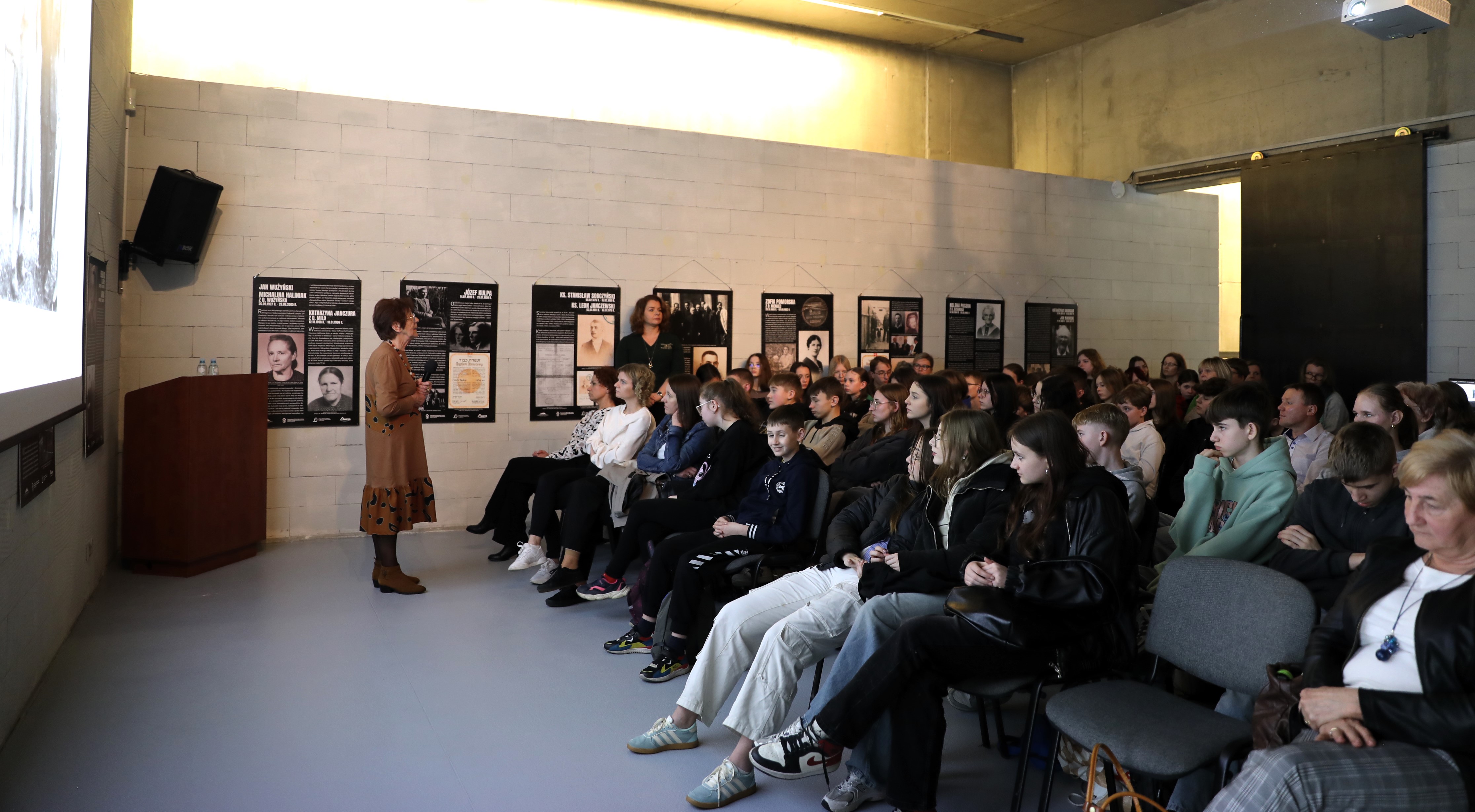
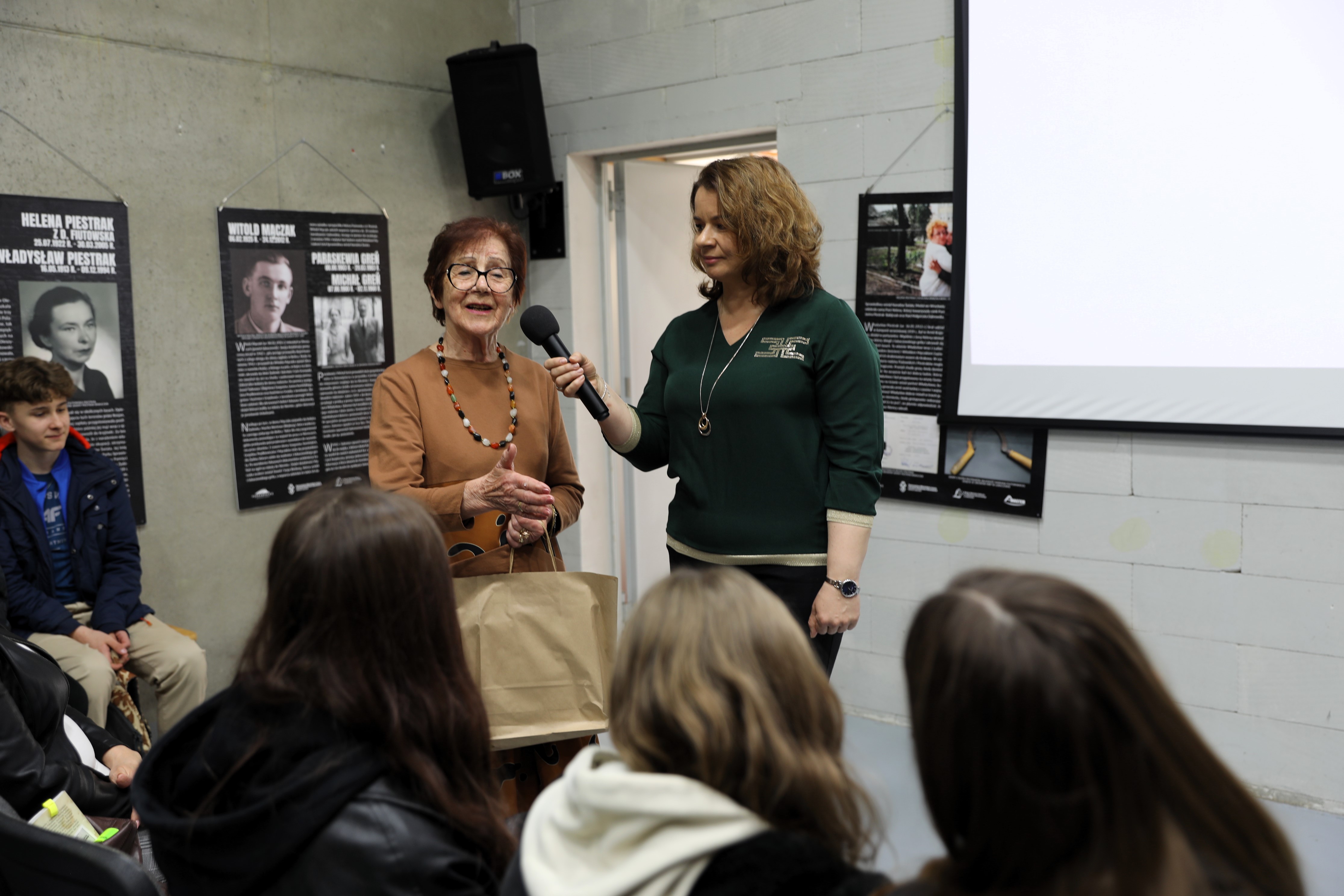
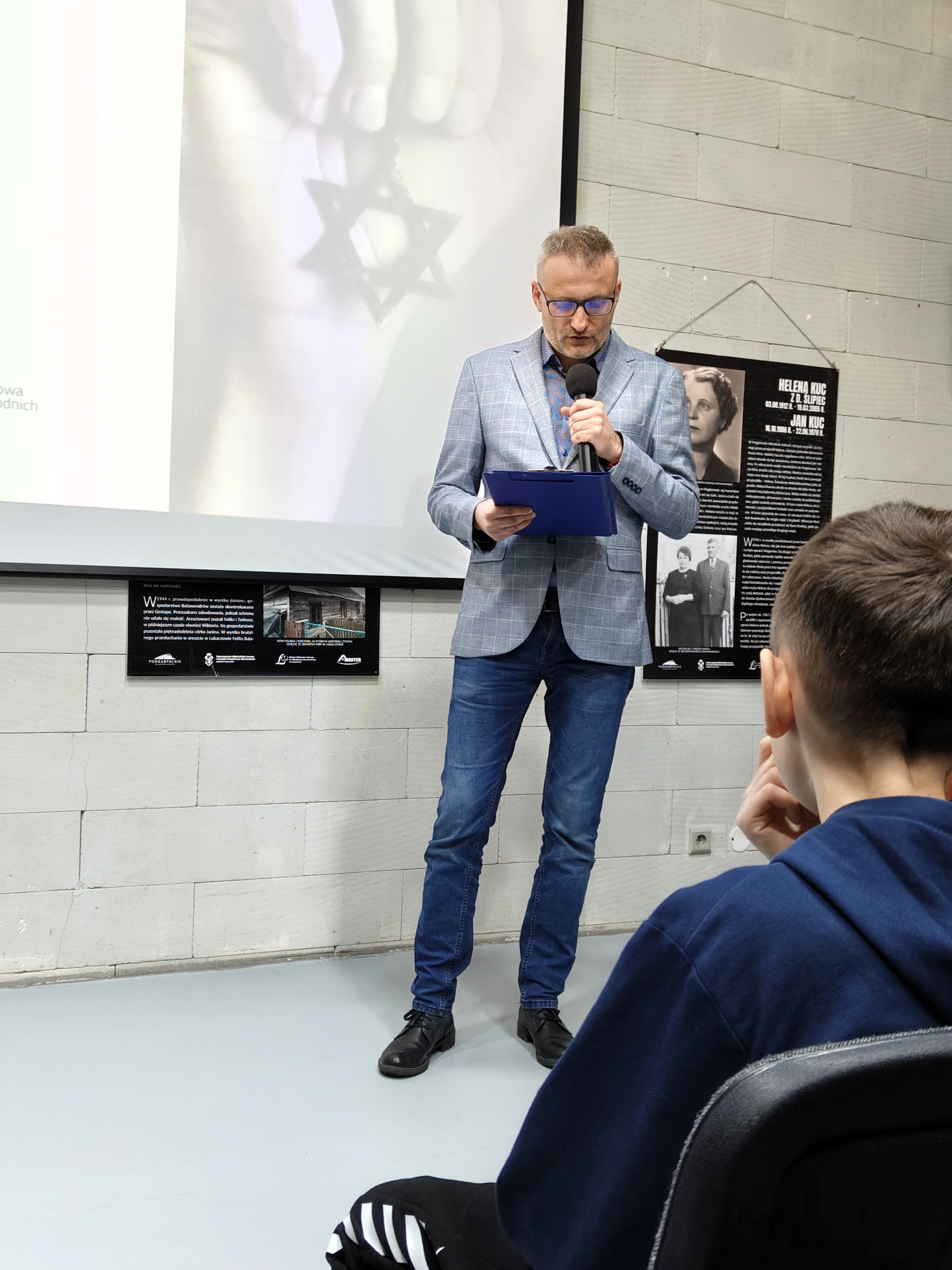
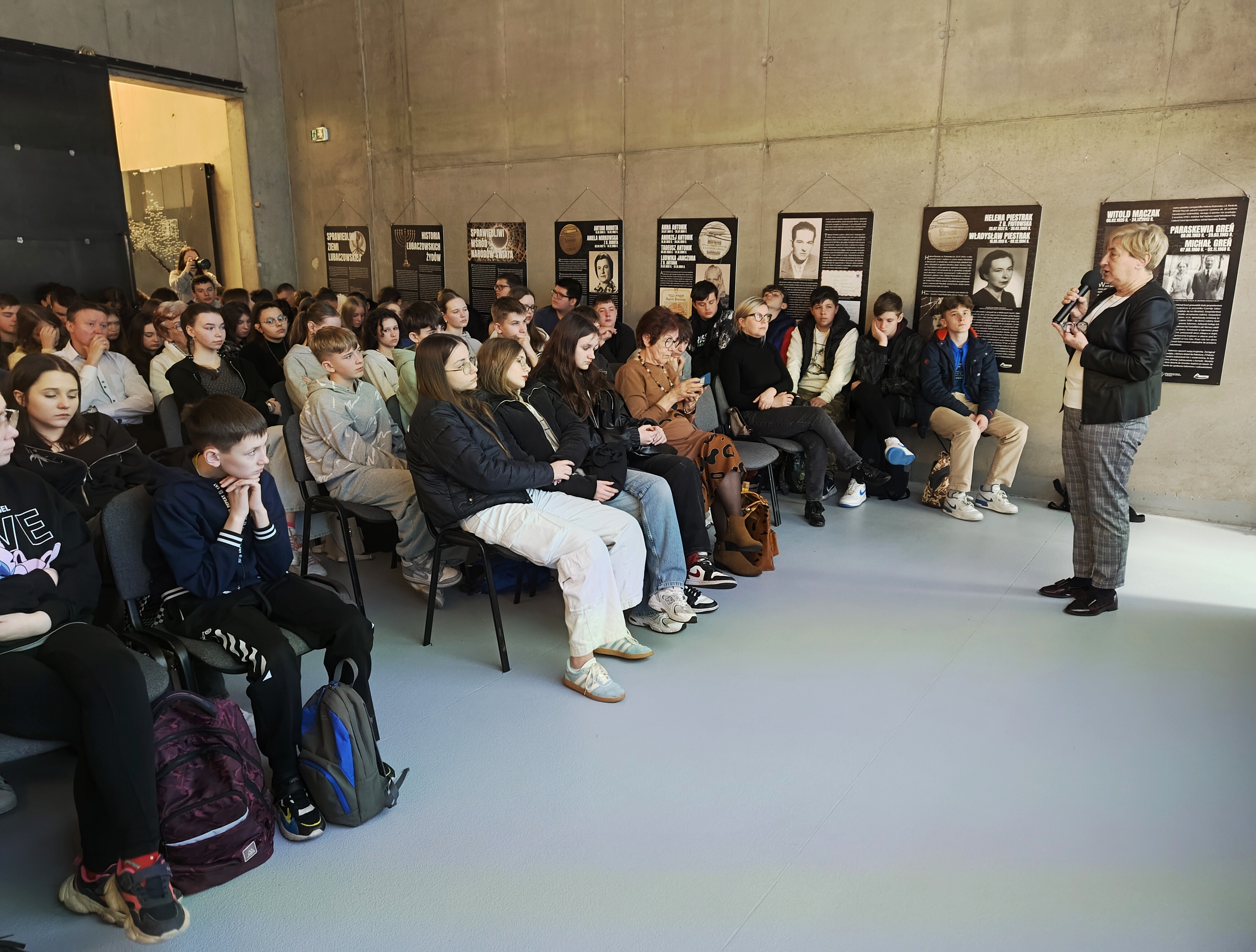
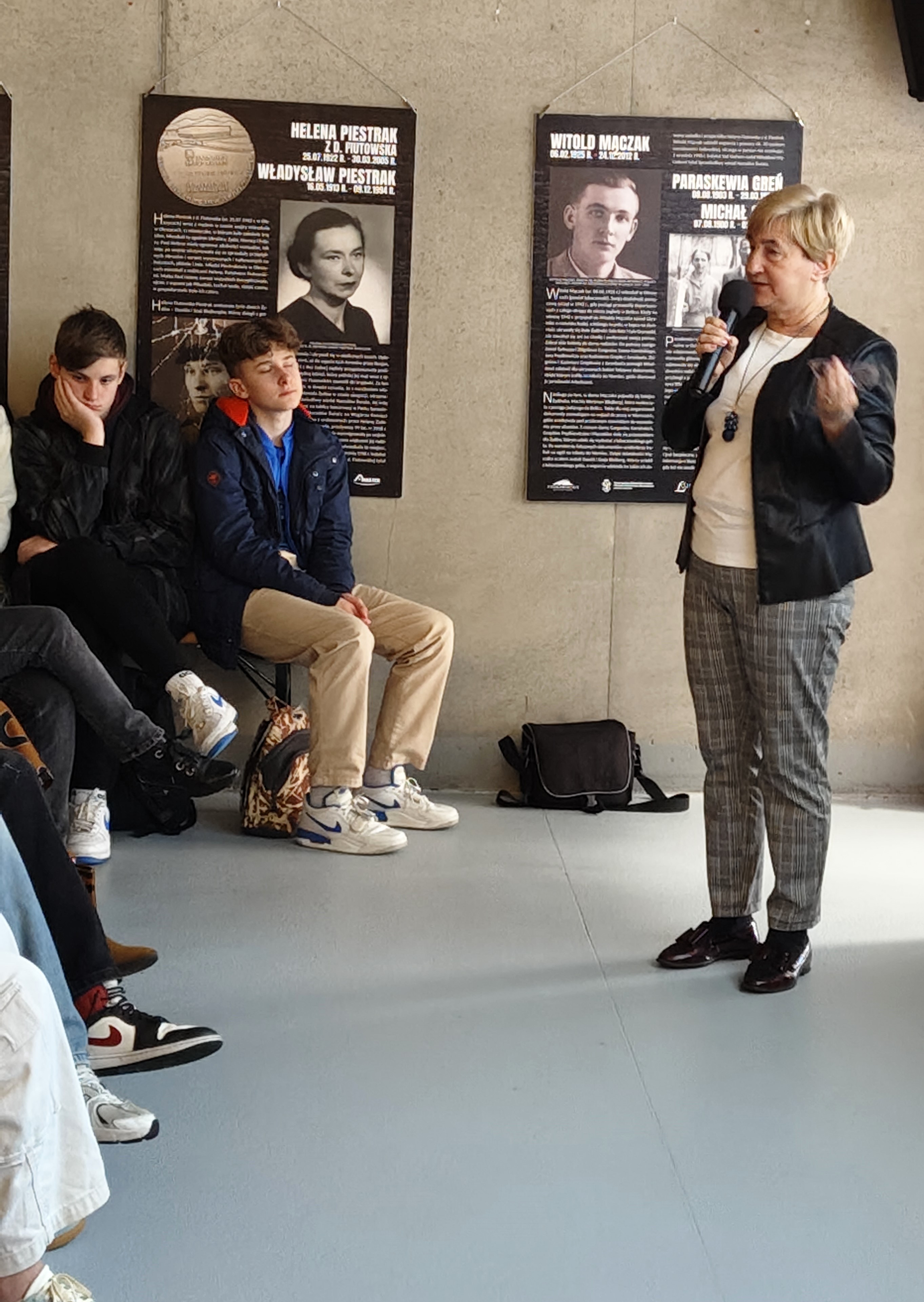
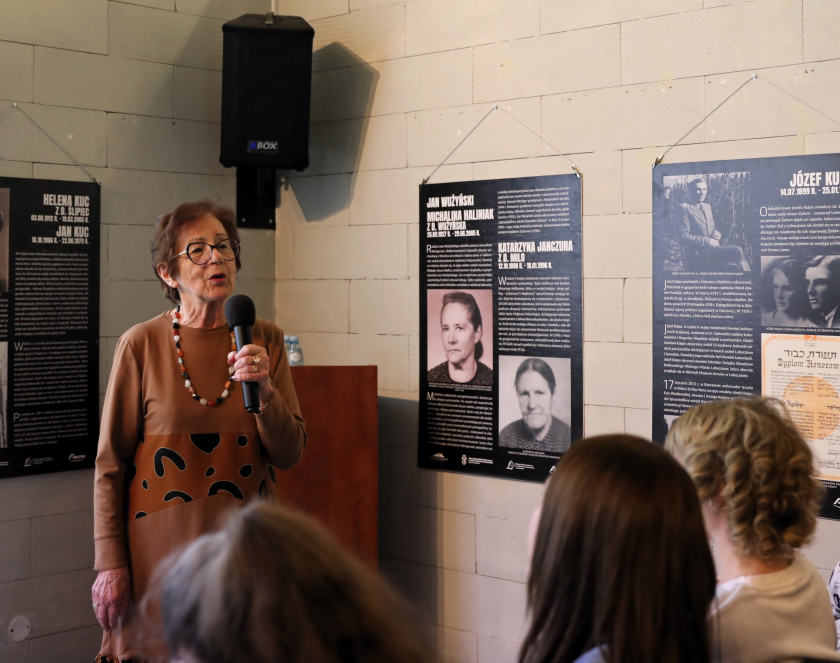
Next, excerpts from the film “The Righteous of the Lubaczów Region” were presented, showing local heroes. A guest of the event was Mrs. Stefania Krupa, whose parents hid Salomon, a Jewish friend of their son Władysław, during the war. She spoke about the difficult decisions faced by her family. A speech was also delivered by Maria Magoń, president of the Society of Enthusiasts of Lviv and the South-Eastern Borderlands in Lubaczów, who shared her experiences from the ceremony of awarding the medal and diploma of “Righteous Among the Nations.” She also spoke about the great importance of Polish-Jewish dialogue, emphasizing how important it is to maintain contact with the families of those rescued, as it not only preserves the memory of those who risked their lives but also builds bridges of understanding and mutual respect between nations.