Polish-German Memorial Sites Forum

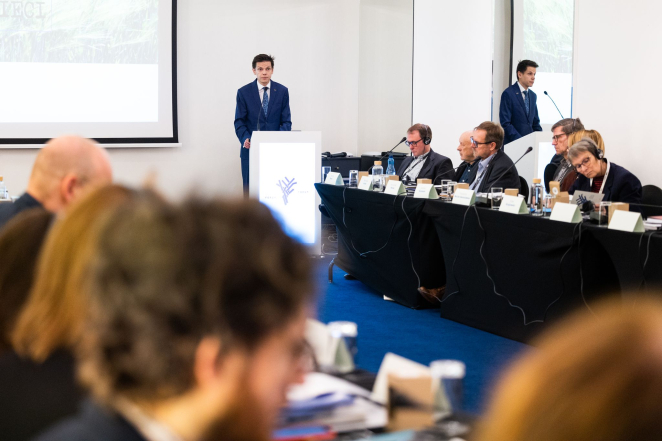
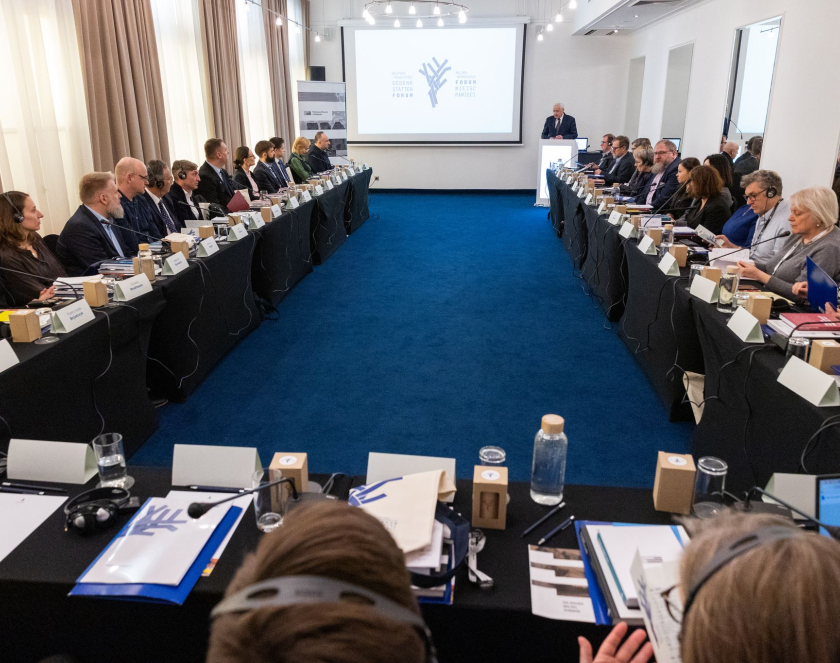
A group of smartly dressed people in a conference room, seated at tables arranged in a horseshoe shape, with one person at the lectern and a banner displayed on the wall.
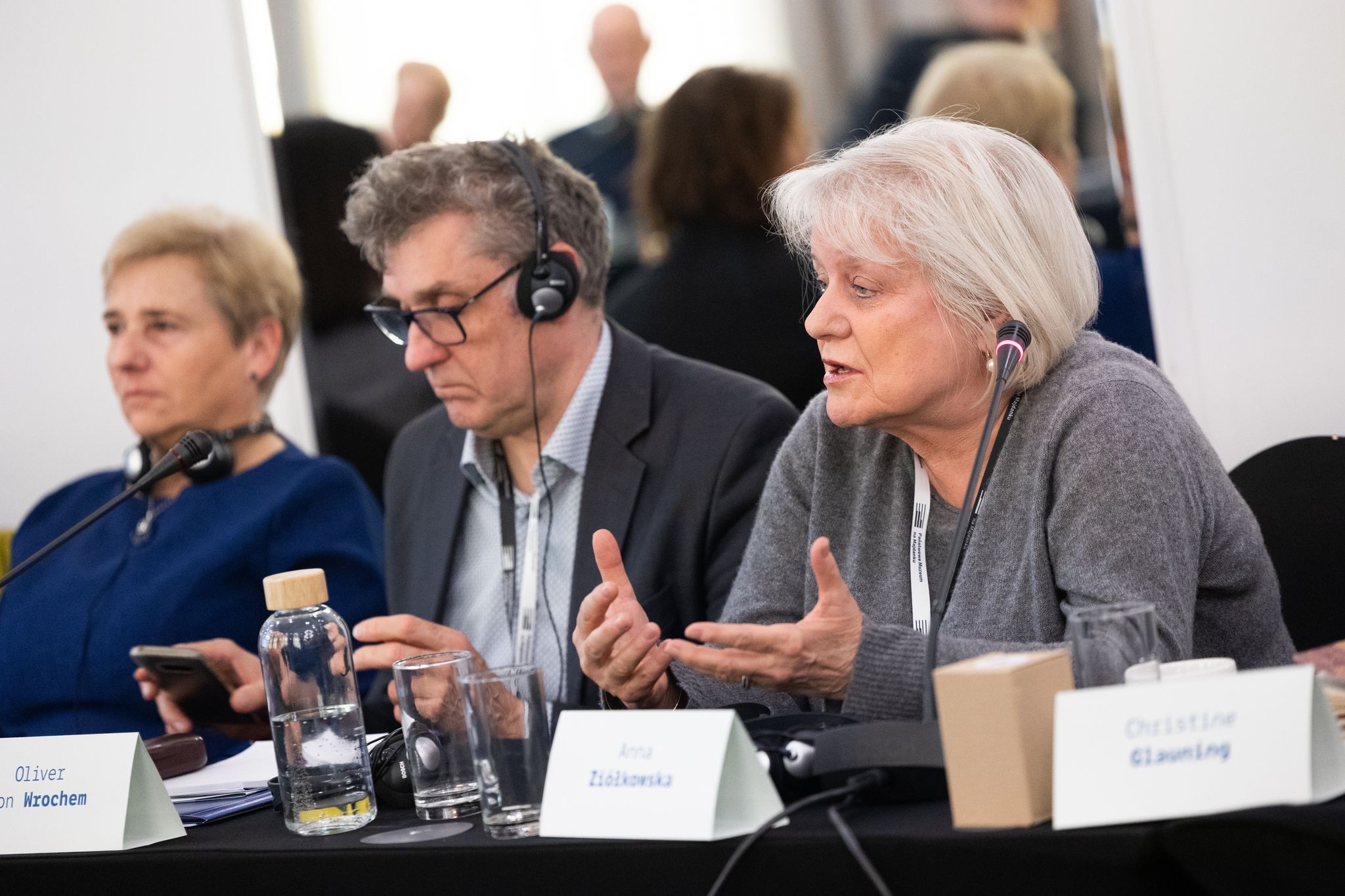
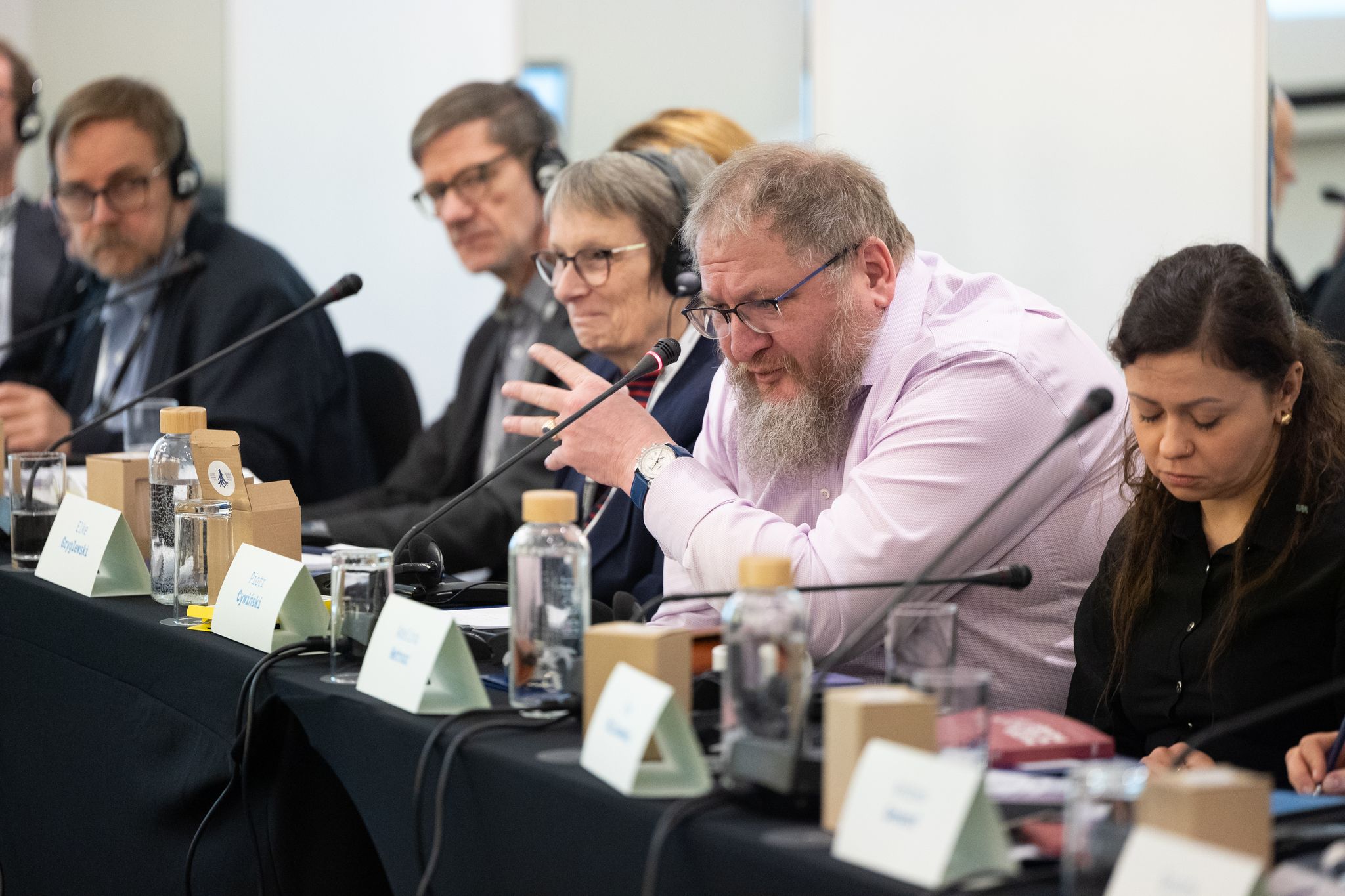
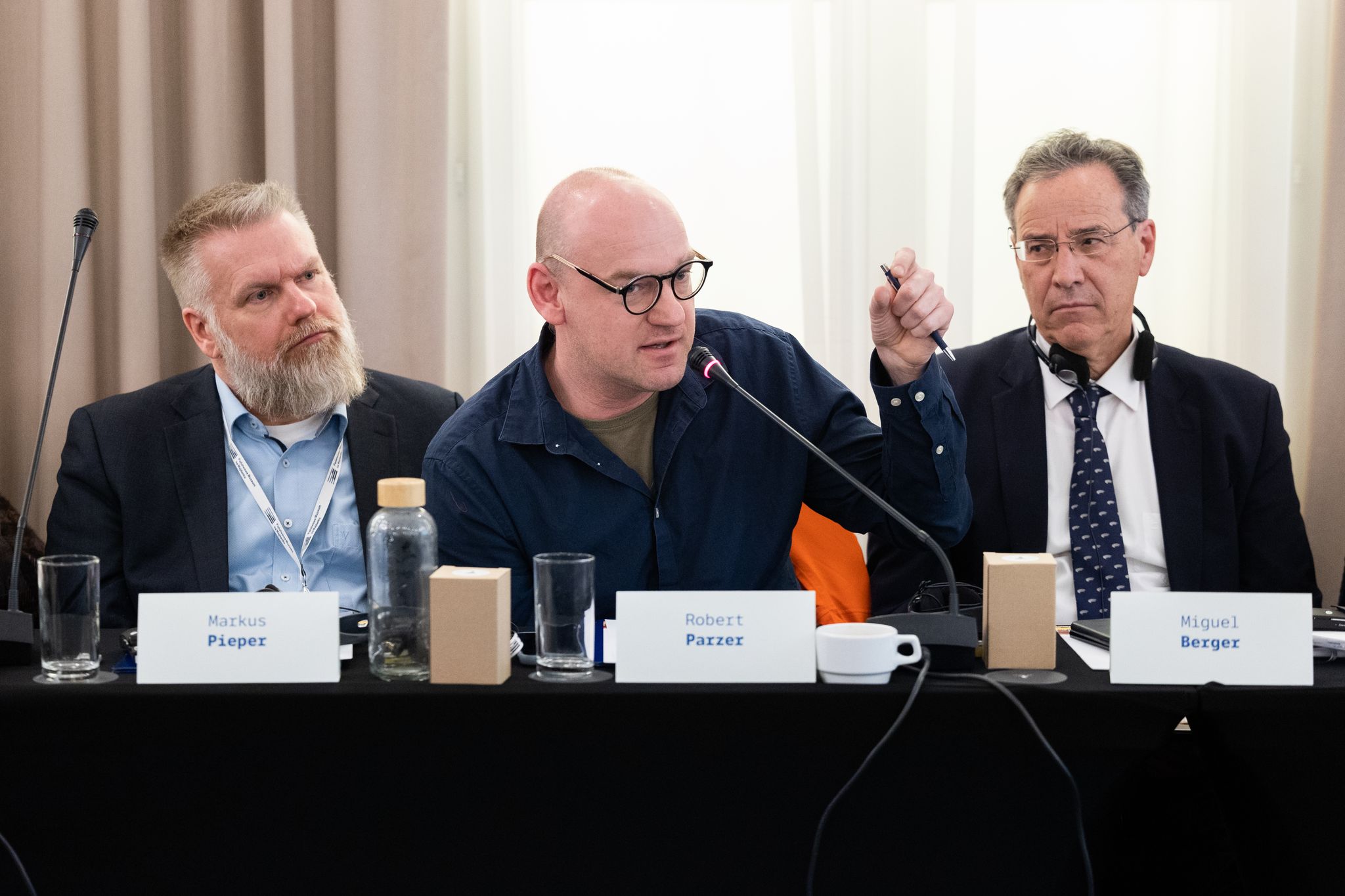
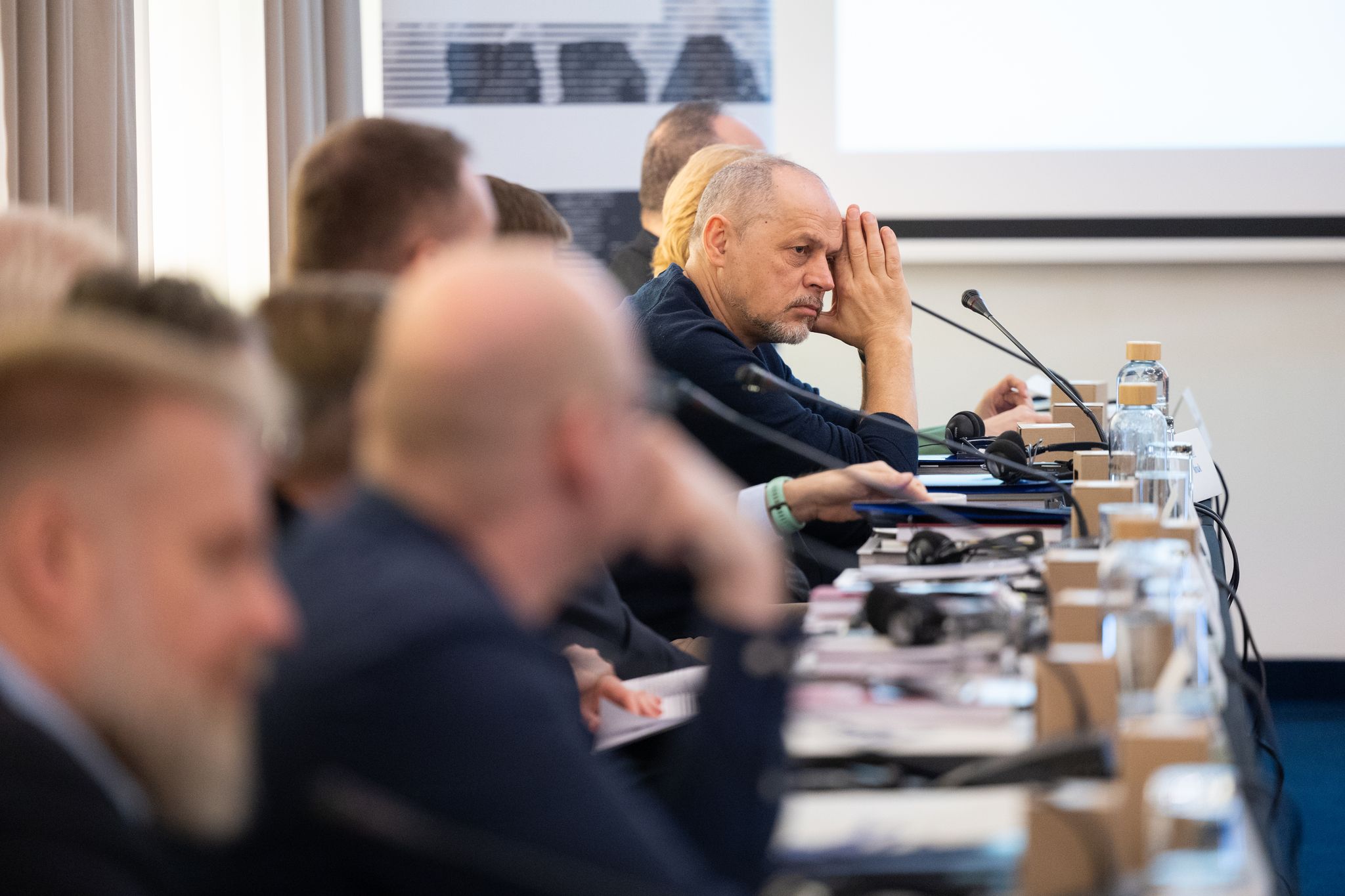
At the initiative of the State Museum at Majdanek, the first conference of the Polish-German Memorial Sites Forum took place in Lublin from 23 to 26 March 2026. Representatives of thirty institutions commemorating the victims of the Second World War participated in the event.

Opening the proceedings, Tomasz Kranz, Director of the Majdanek Museum, stated that “the main idea behind the Forum is an attempt to intensify cooperation between Polish and German museums in such a challenging field as the history and remembrance of the Second World War. At the same time, it is an effort to seek new qualities as well as new forms and tools of cooperation. The Forum will not be merely a more or less formalized structure, but a living organism that will develop through subsequent meetings and, above all, through future joint initiatives.”
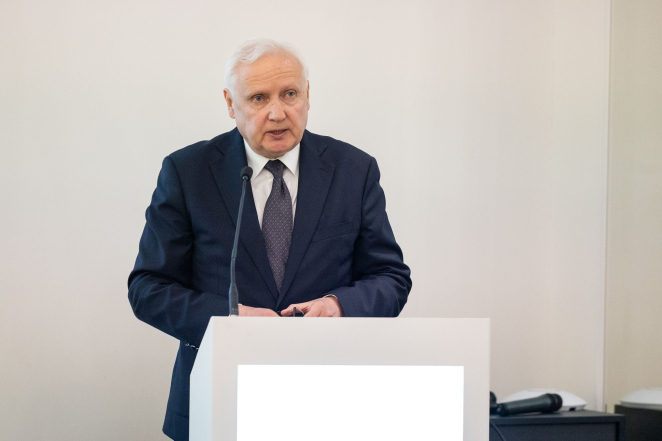
An elderly man in a suit is speaking into a microphone.

Deputy Minister of Culture and National Heritage Marek Krawczyk emphasized the long-standing presence of the Majdanek Museum in the history of historical museology. “Today it is a widely recognized research and educational centre, a multidimensional institution particularly committed to building bridges between Poles and Germans,” he said.

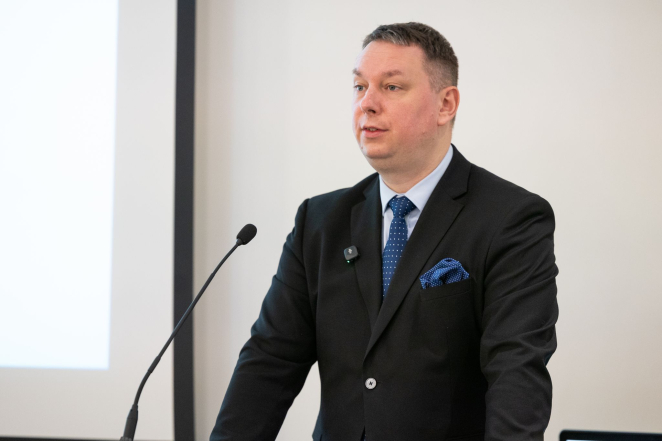
A middle-aged man in a suit is speaking into a microphone.

Miguel Berger, Ambassador of the Federal Republic of Germany to Poland, expressed hope that the Forum would become a platform for in-depth debate and exchange of experience. “History and engagement with history stand at the centre of our relations. Germany is responsible and feels responsible for the crimes committed during the German occupation in Poland; therefore, we greatly value dialogue, for which the Forum provides an important opportunity,” the Ambassador noted.

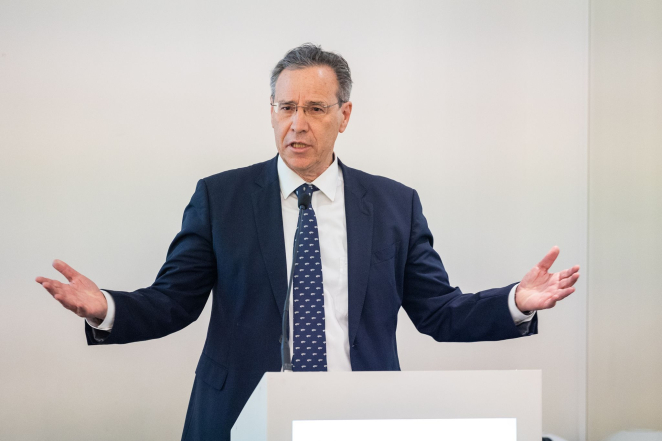
An elderly man in a suit spreads his arms and speaks into the microphone.

The task of the Polish-German Memorial Sites Forum is to initiate, coordinate, and implement long-term joint activities in the field of professional development and substantive cooperation between museums operating at memorial sites in Poland and Germany. Its main objective is to establish a permanent platform for dialogue between these institutions in the areas of commemoration, representation, and the musealisation of the crimes of the Third Reich, as well as to create a bilateral group of experts responsible for implementing joint projects related to the history and remembrance of the Second World War, with particular emphasis on Polish-German relations.

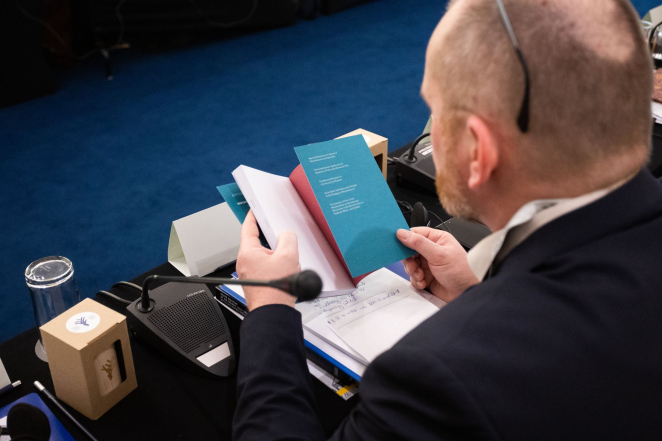
The man is holding a book; on the table there is a microphone and some office supplies.

The starting point for discussions were the presentations of Polish and German strategies in the field of memory policy. Marcin Napiórkowski, Director of the Polish History Museum, who is currently working on a Polish strategic document in this area, observed that “state cultural policy in the field of memory should be regarded as a key element of national security infrastructure.” The German concept was presented by Uwe Neumärker, Director of the Berlin-based Foundation Memorial to the Murdered Jews of Europe and the German coordinator of the Forum.

A man at the lectern, surrounded by people in suits sitting at tables.

The German concept was presented by Uwe Neumärker, Director of the Berlin-based Foundation Memorial to the Murdered Jews of Europe and the German coordinator of the Forum.

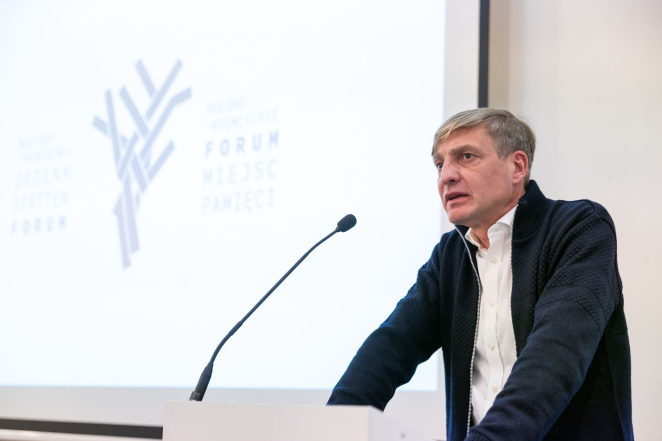
An elderly man in a white shirt and a navy blue jumper is speaking into a microphone.

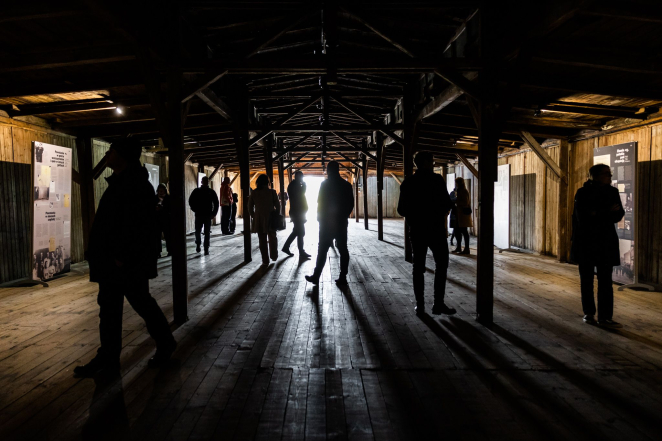
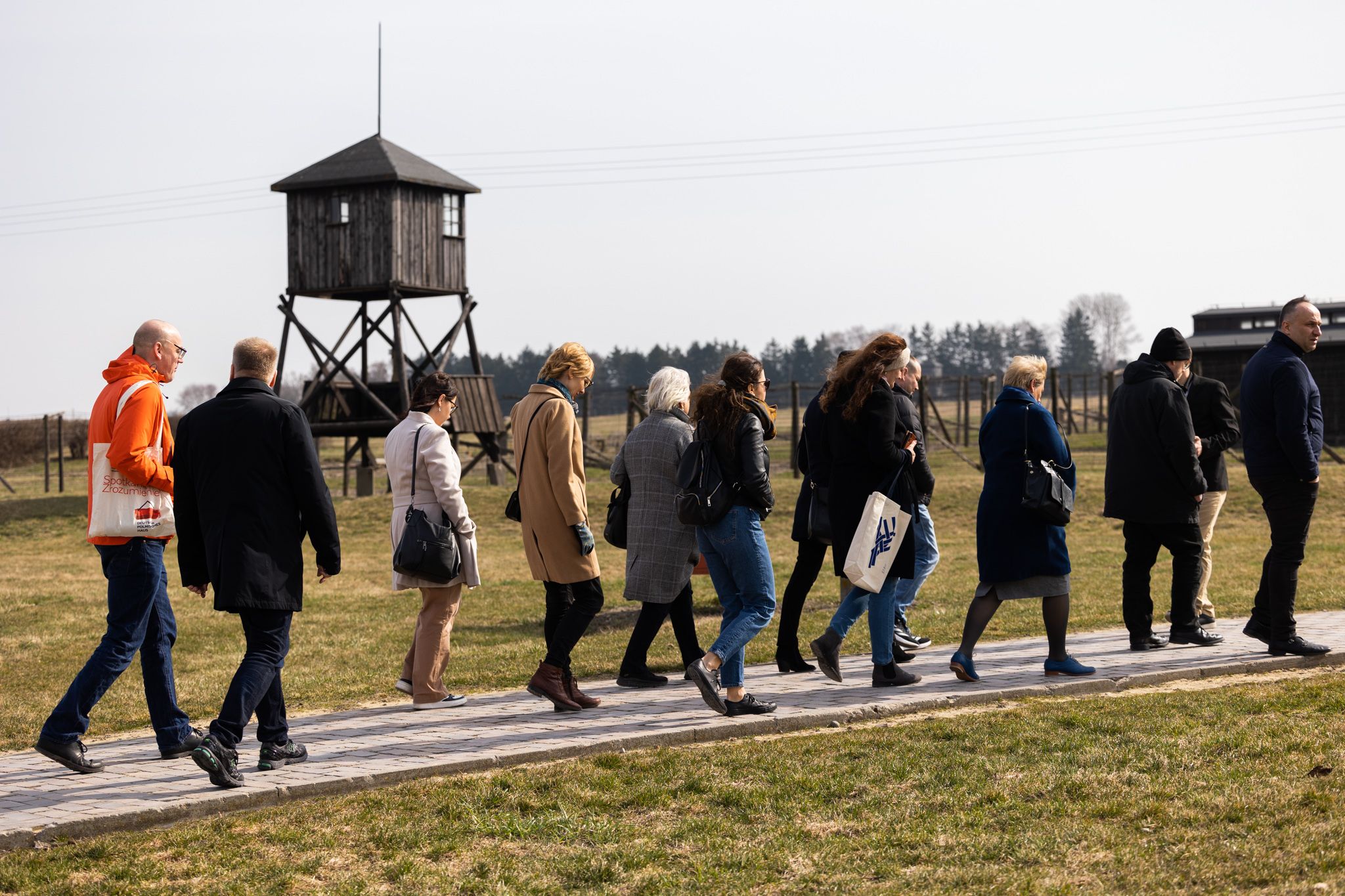
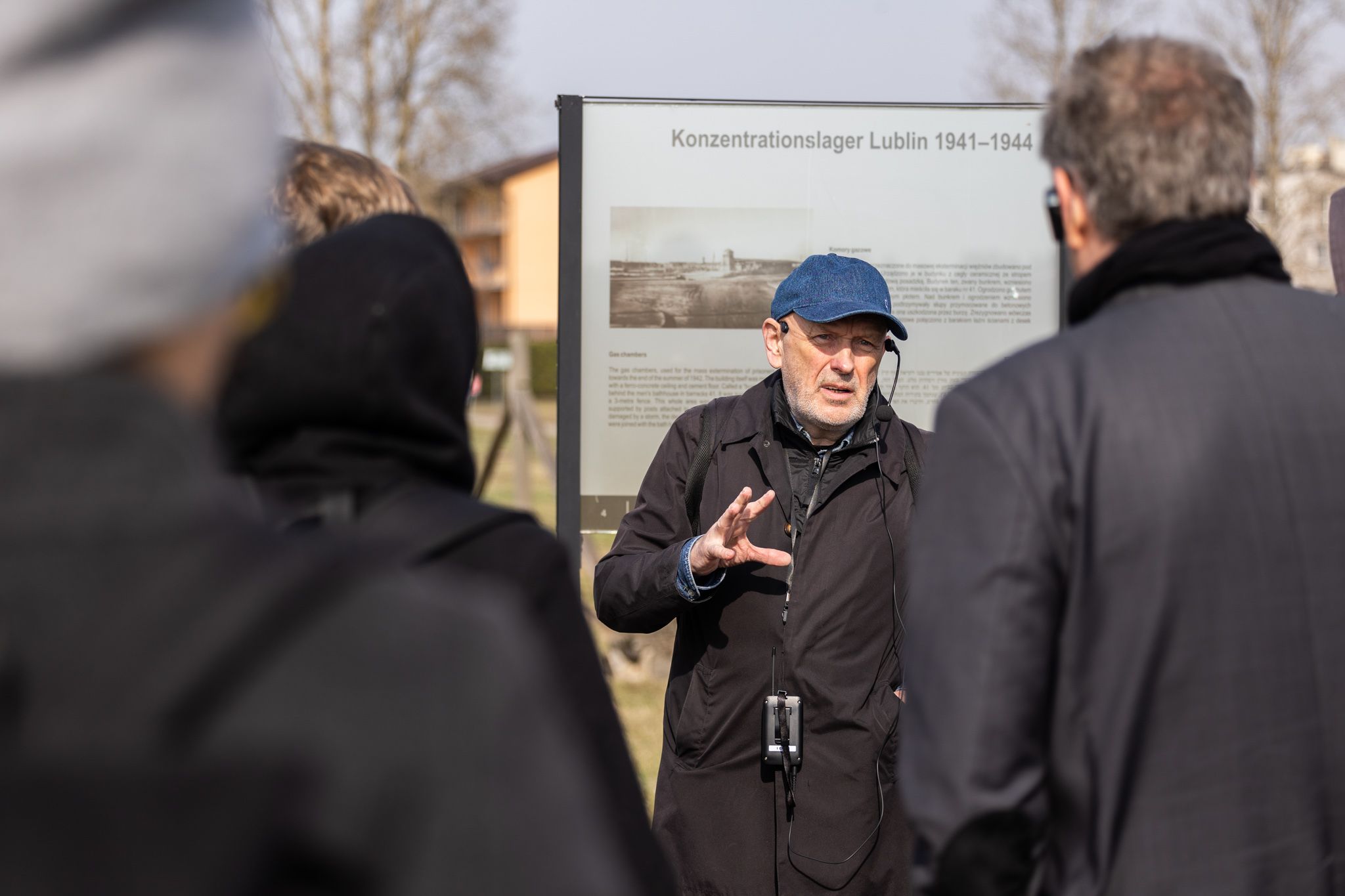
Participants of the Forum’s pilot conference also took part in a study visit to the State Museum at Majdanek and the Museum and Memorial in Sobibór. They additionally visited the former synagogue in Włodawa.

A group of people in a dark, wooden barrack.

The decision to establish the Polish-German Memorial Sites Forum was taken in July 2024 by the then Ministers of Culture of both countries — Hanna Wróblewska and Claudia Roth. The initiative was included in the Action Plan agreed between the two governments. The project is currently in a pilot phase, during which the principles of cooperation and possibilities for long-term funding are being defined. The next meeting is planned for autumn in Dresden.

A printed programme, featuring a blue logo depicting a geometric tree, with the word ‘FORUM’ below it and a glass to the left.

Representatives of the following institutions participated in the Forum’s pilot conference:


Museum of the Second World War in Gdańsk

POLIN Museum of the History of Polish Jews

KL Plaszow Museum

Museum of Polish Children – Victims of Totalitarianism in Łódź

Martyrdom Museum in Żabikowo

Museum of Polish History

State Museum Auschwitz-Birkenau

Treblinka Museum

Stutthof Museum in Sztutowo

Central Museum of Prisoners of War in Opole

Gross-Rosen Museum in Rogoźnica

Warsaw Ghetto Museum

Museum and Memorial in Sobibór

Museum and Memorial in Bełżec

State Museum at Majdanek

Foundation Memorial to the Murdered Jews of Europe

Saxon Memorial Foundation

Villa ten Hompel History Site, Münster

Sandbostel Camp Memorial

Bergen-Belsen Memorial

ROTER OCHSE Halle Memorial

German Resistance Memorial Center Foundation

Documentation Centre for Nazi Forced Labour

Neuengamme Concentration Camp Memorial

Topography of Terror Documentation Centre

House of the Wannsee Conference Memorial and Educational Site

Pirna-Sonnenstein Memorial

Ravensbrück Memorial and Museum

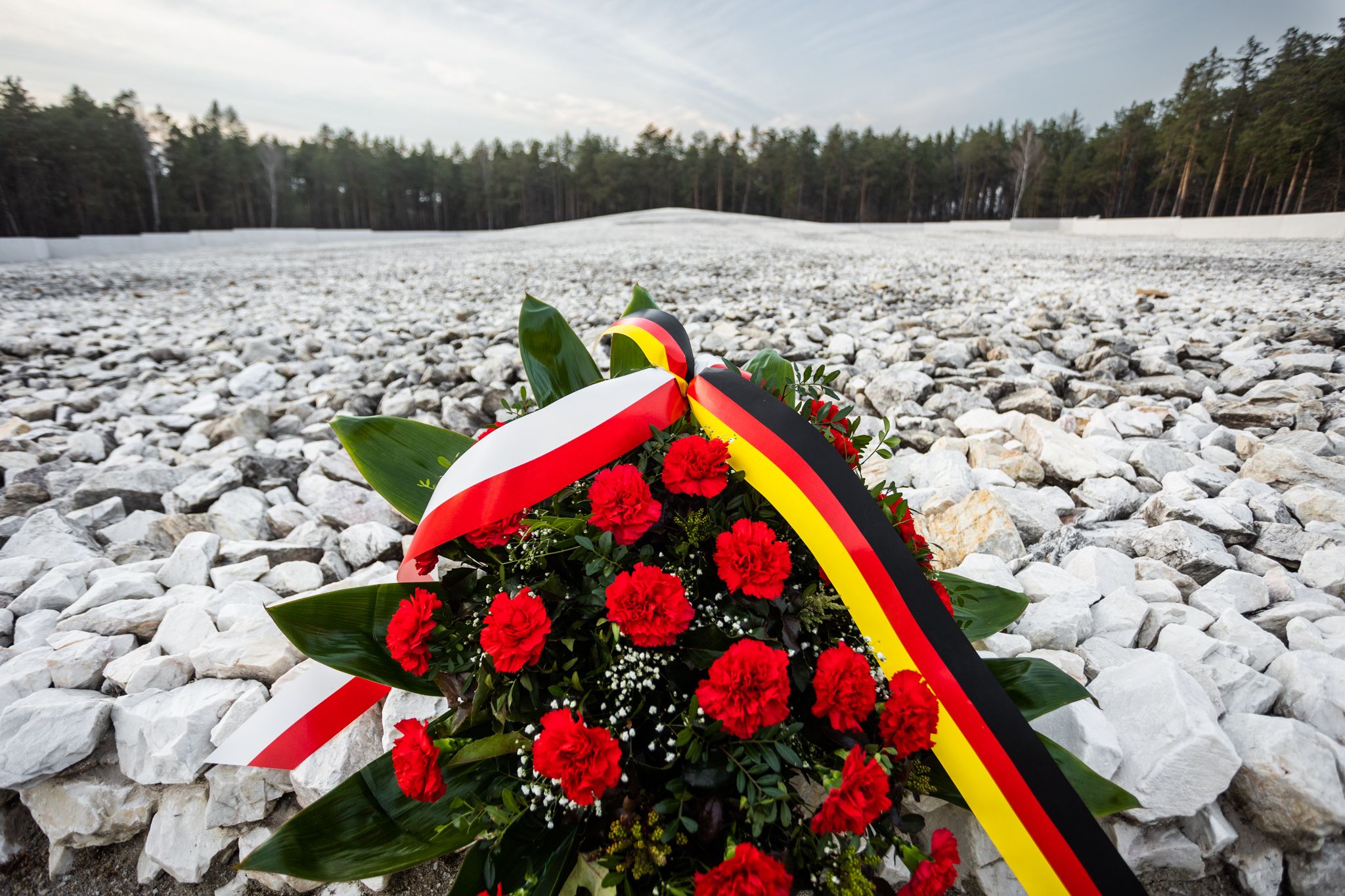
  • A bouquet of red carnations wrapped in a ribbon bearing the Polish and German flags, with a mound of white stones in the background.
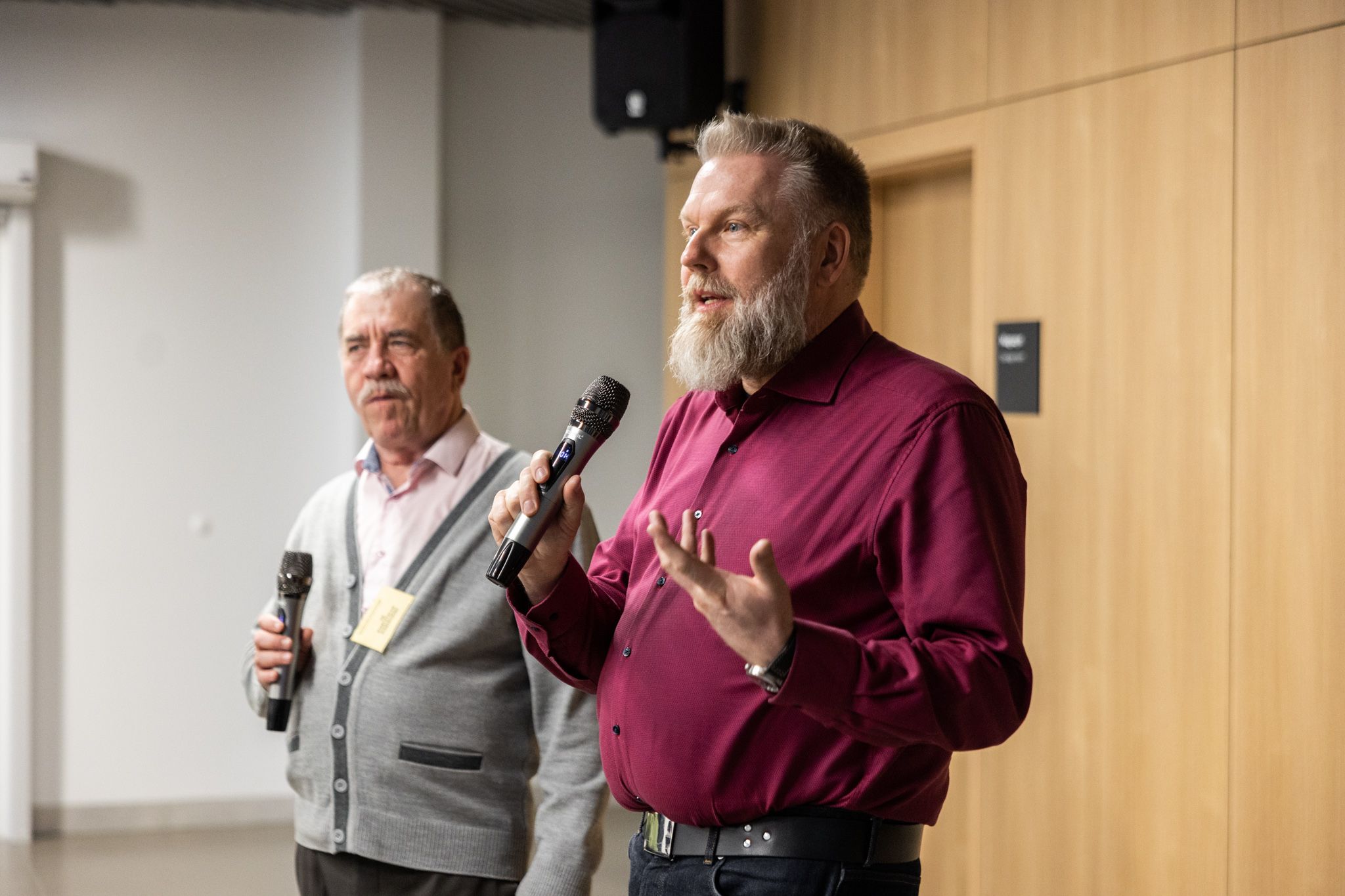
  • Two men, one of whom has a beard, are speaking into a microphone.
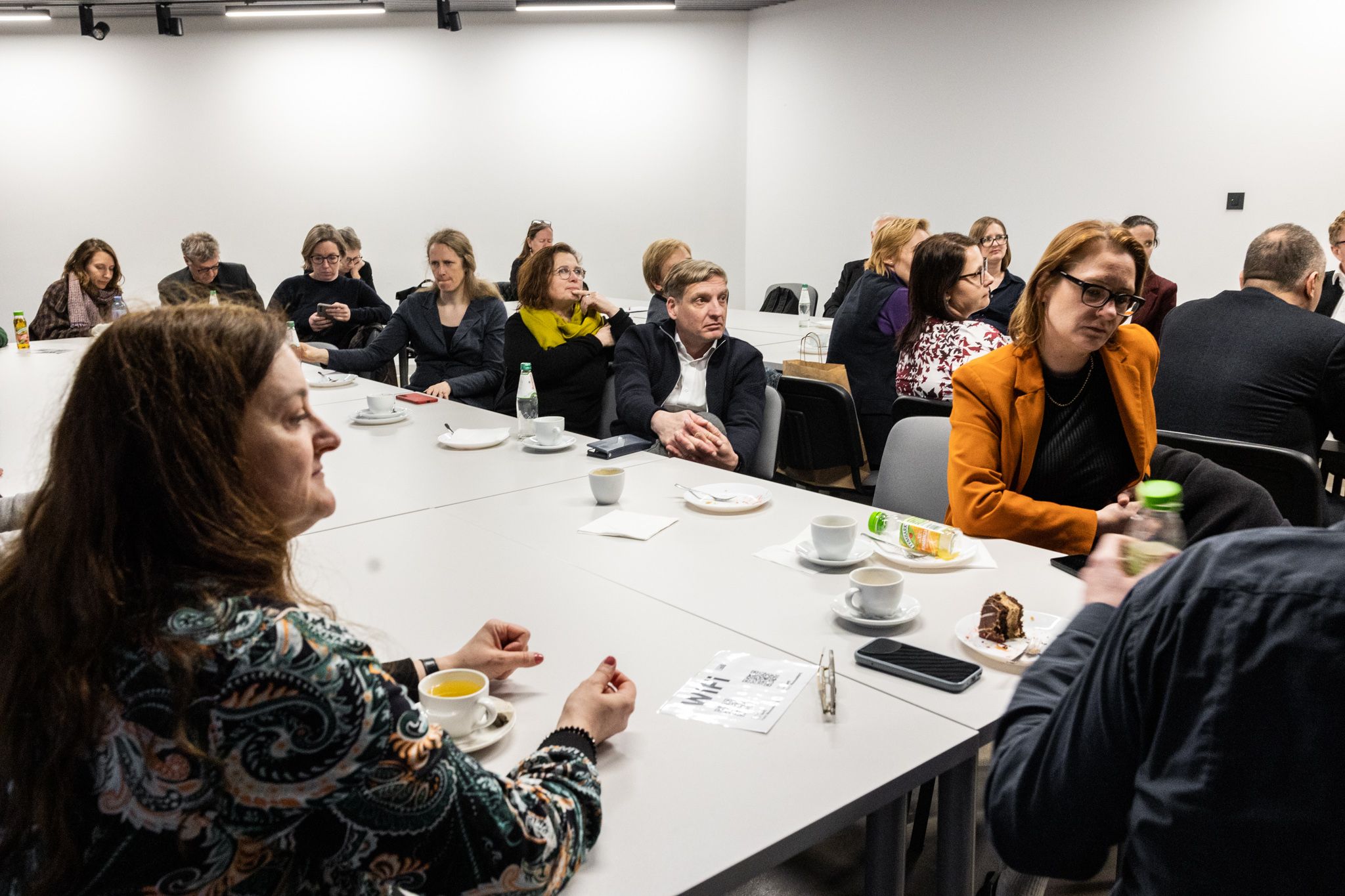
  • A group of people sitting at tables.
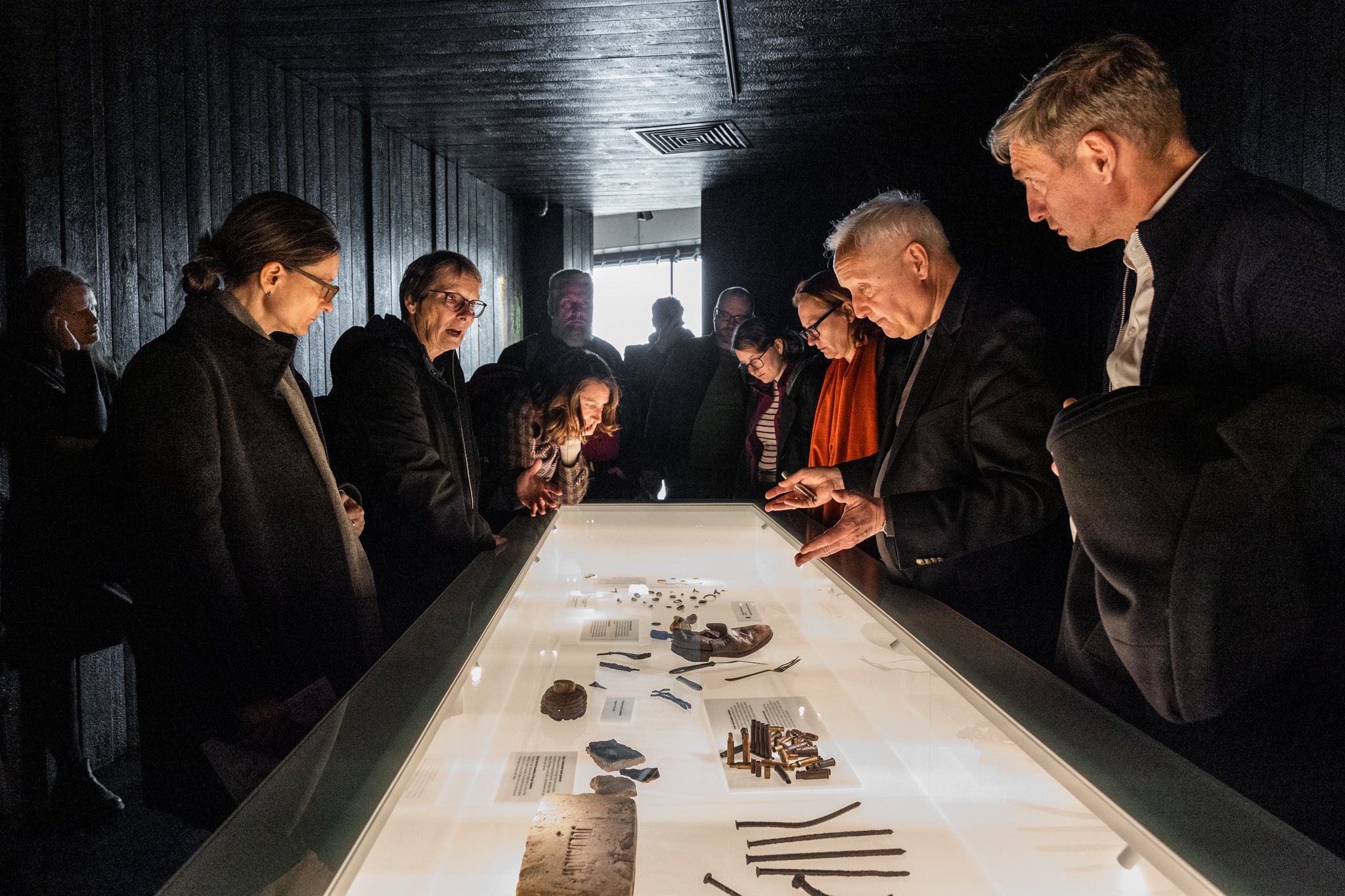
  • A group of people standing in front of a display case lit from above, containing various items.
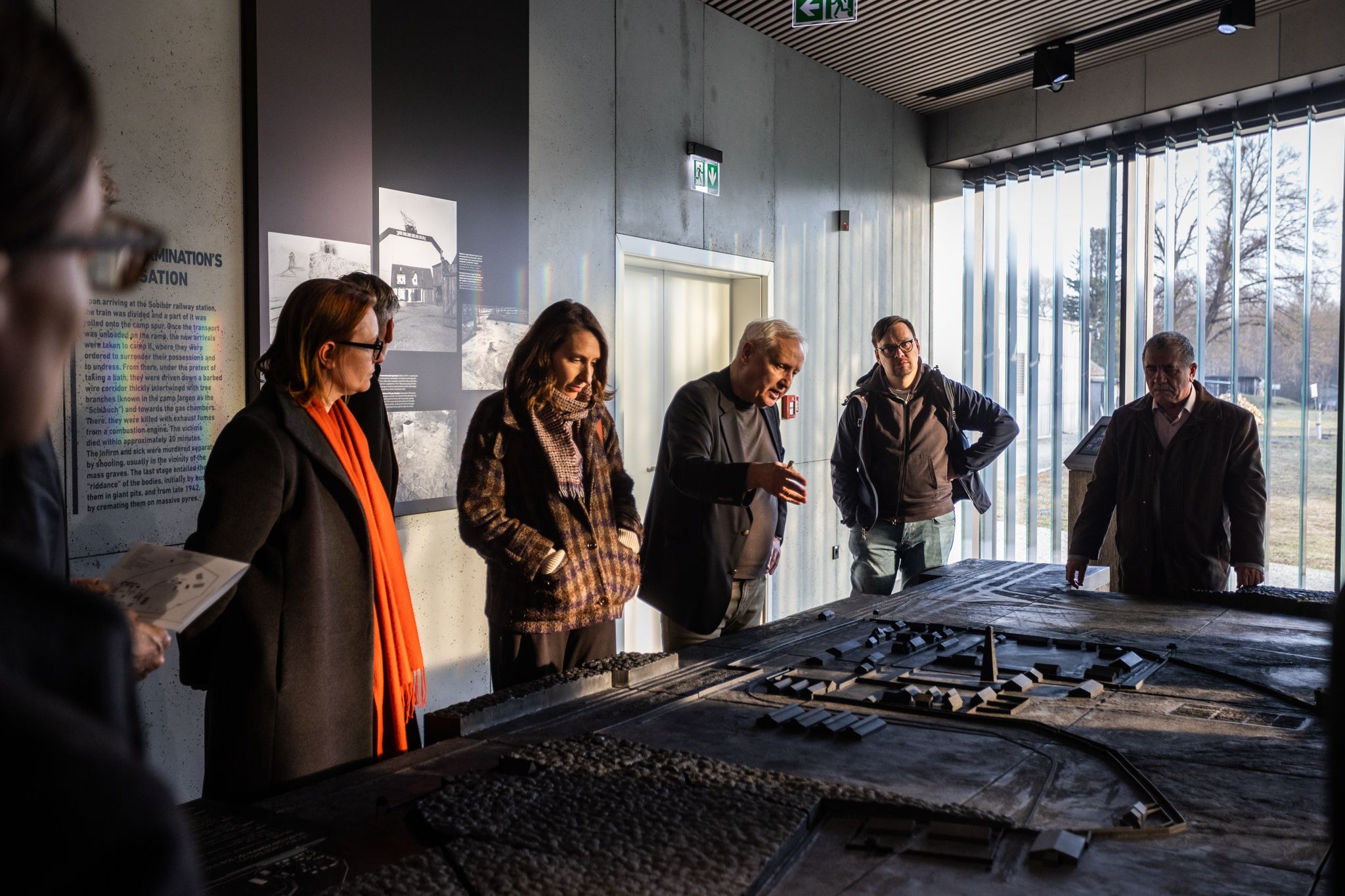
  • A group of people standing around the model.
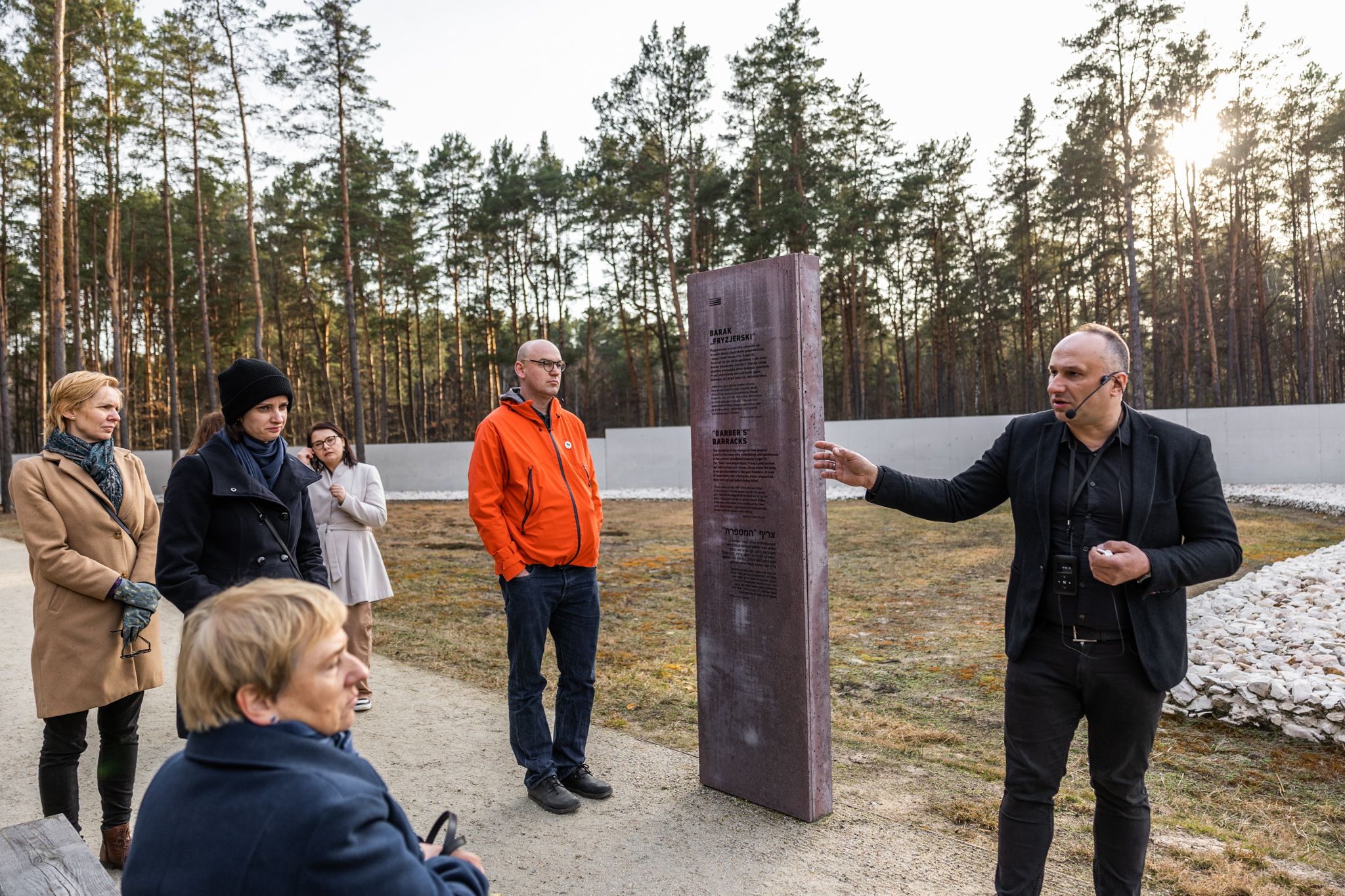
  • A group of people and a guide by the stele.
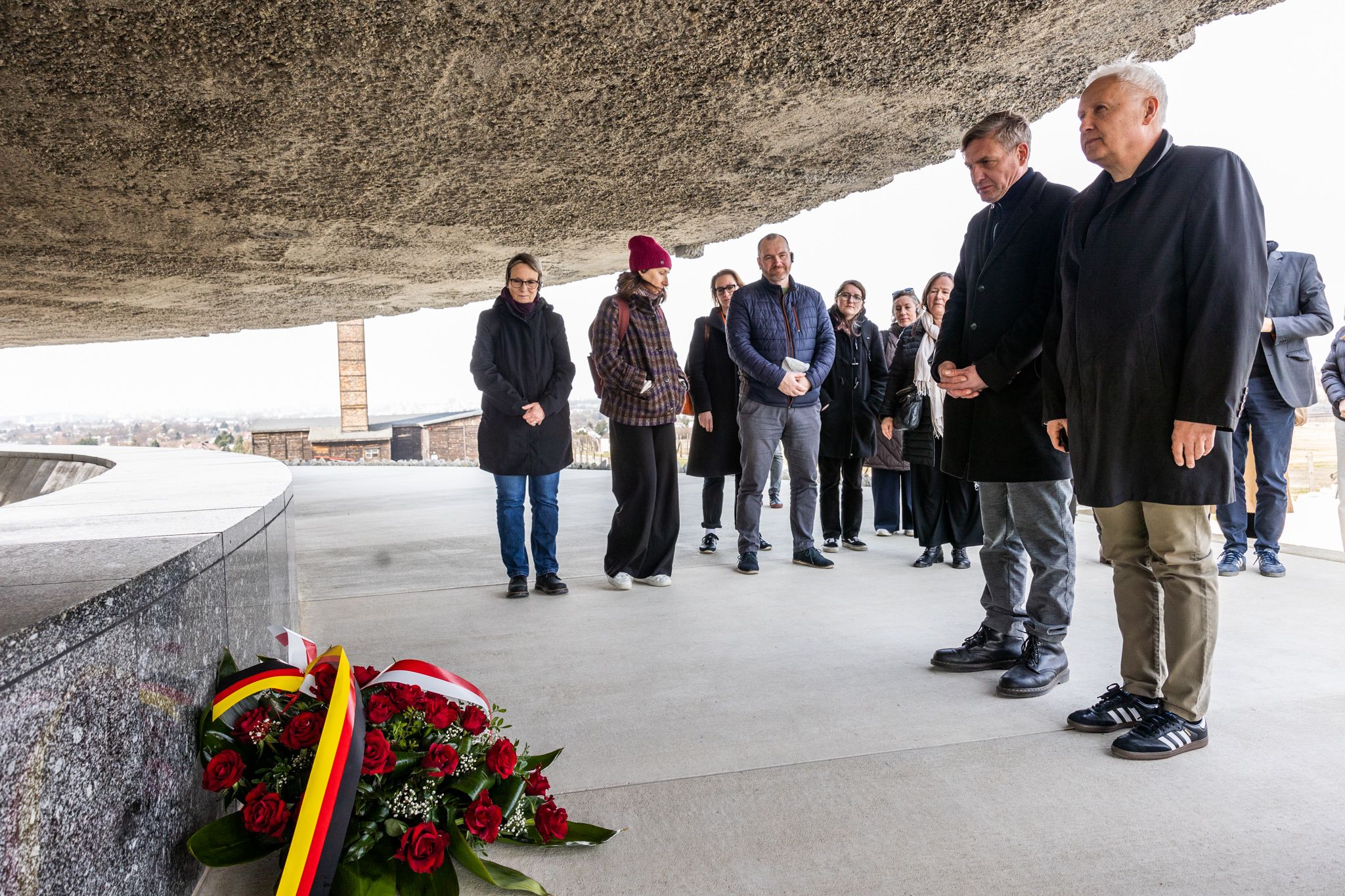
  • Two men, with a group of people behind them, pay their respects beneath the dome of the Mausoleum; in front of them lies a wreath bearing the Polish and German flags.
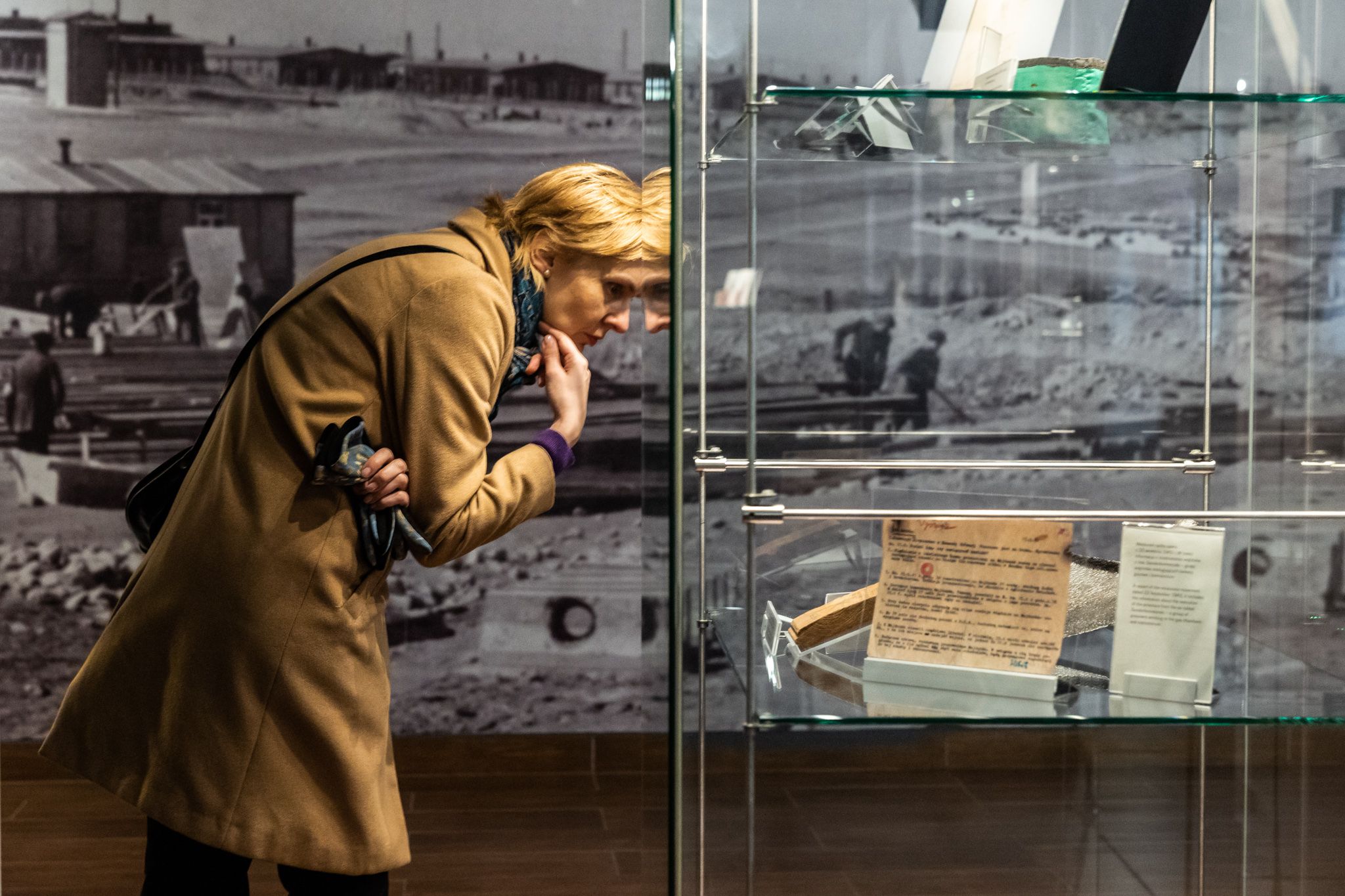
  • A woman is standing by a display case containing documents.
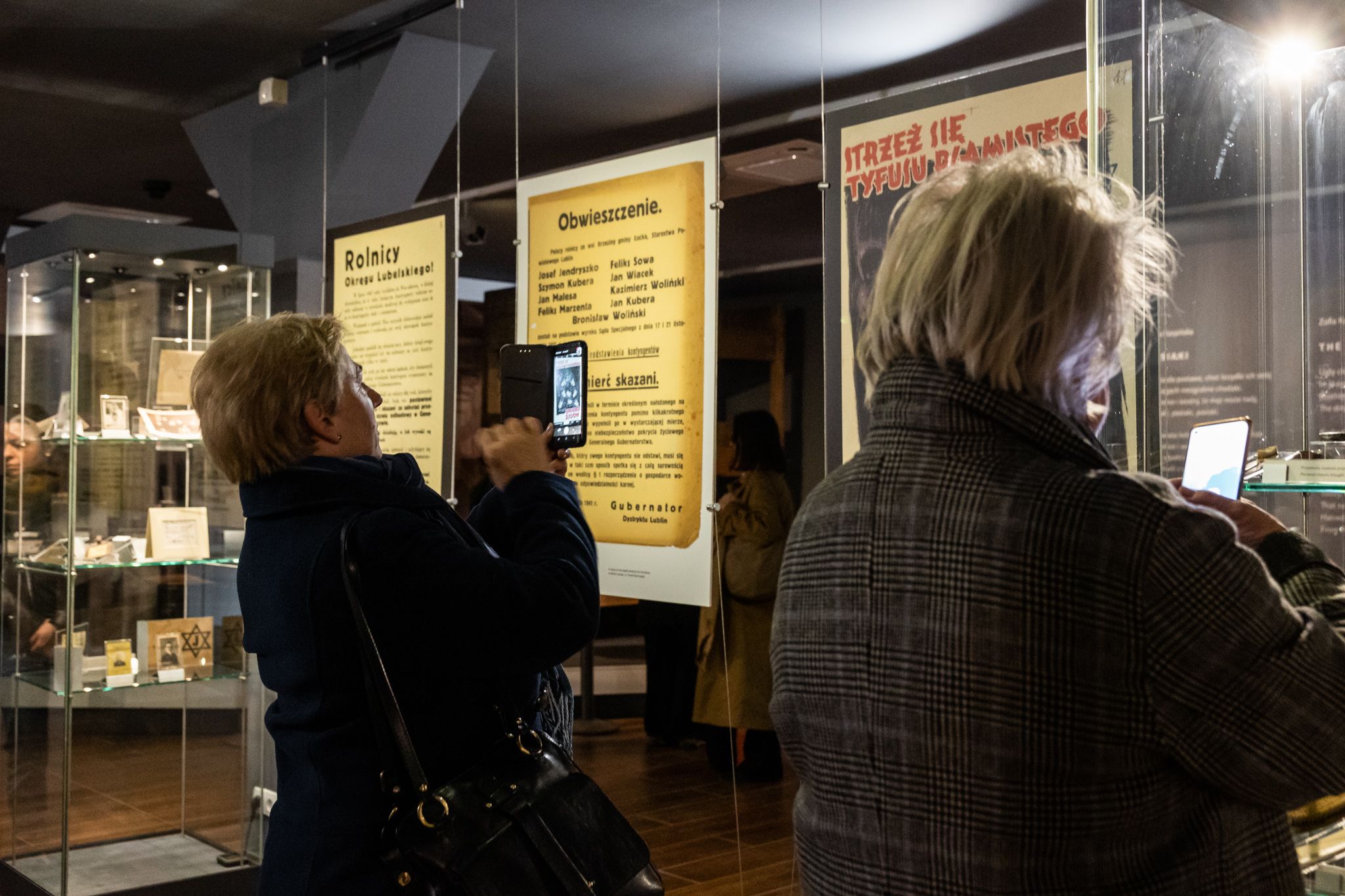
  • Two women are taking photos with their mobile phones at the exhibition.
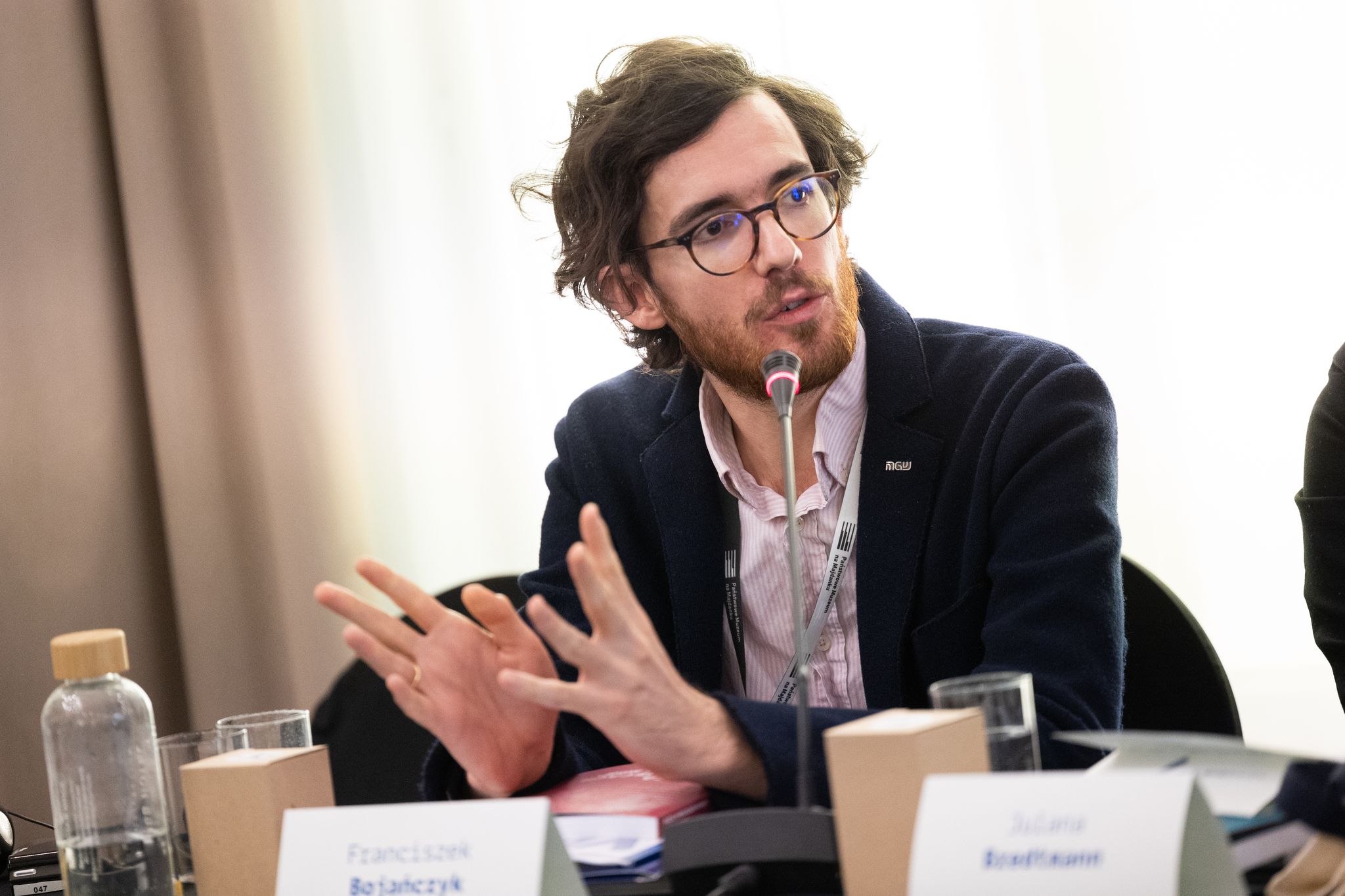
  • A man with glasses and longer hair, wearing a suit, is speaking into a microphone.
  •  A man with a beard and glasses.
  • Three men are sitting at a table; a bald man wearing glasses is speaking into a microphone.
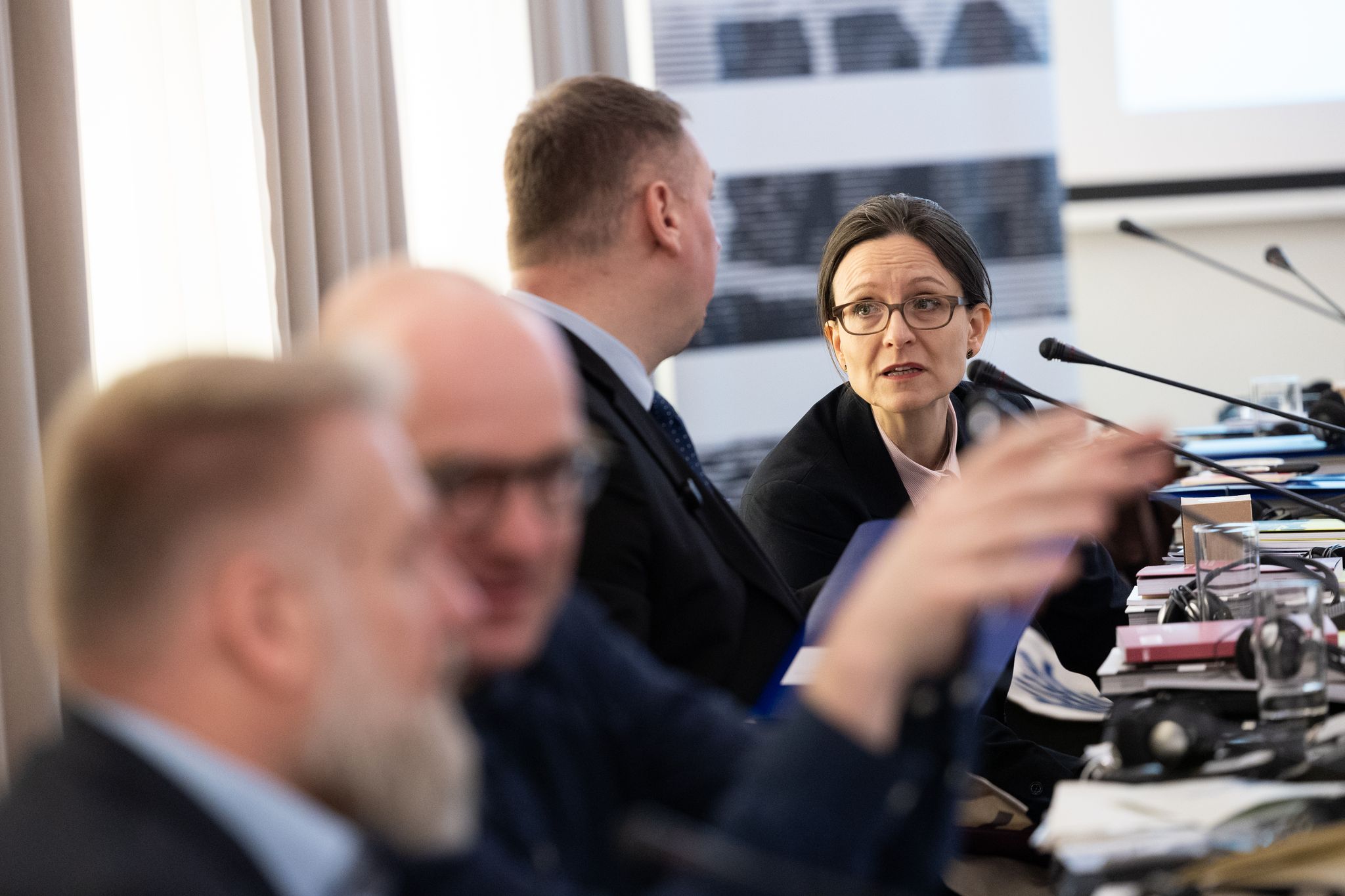
  • A group of people at a table with microphones; a close-up of a woman wearing glasses.