Remembering the extermination of the Roma community from a local perspective

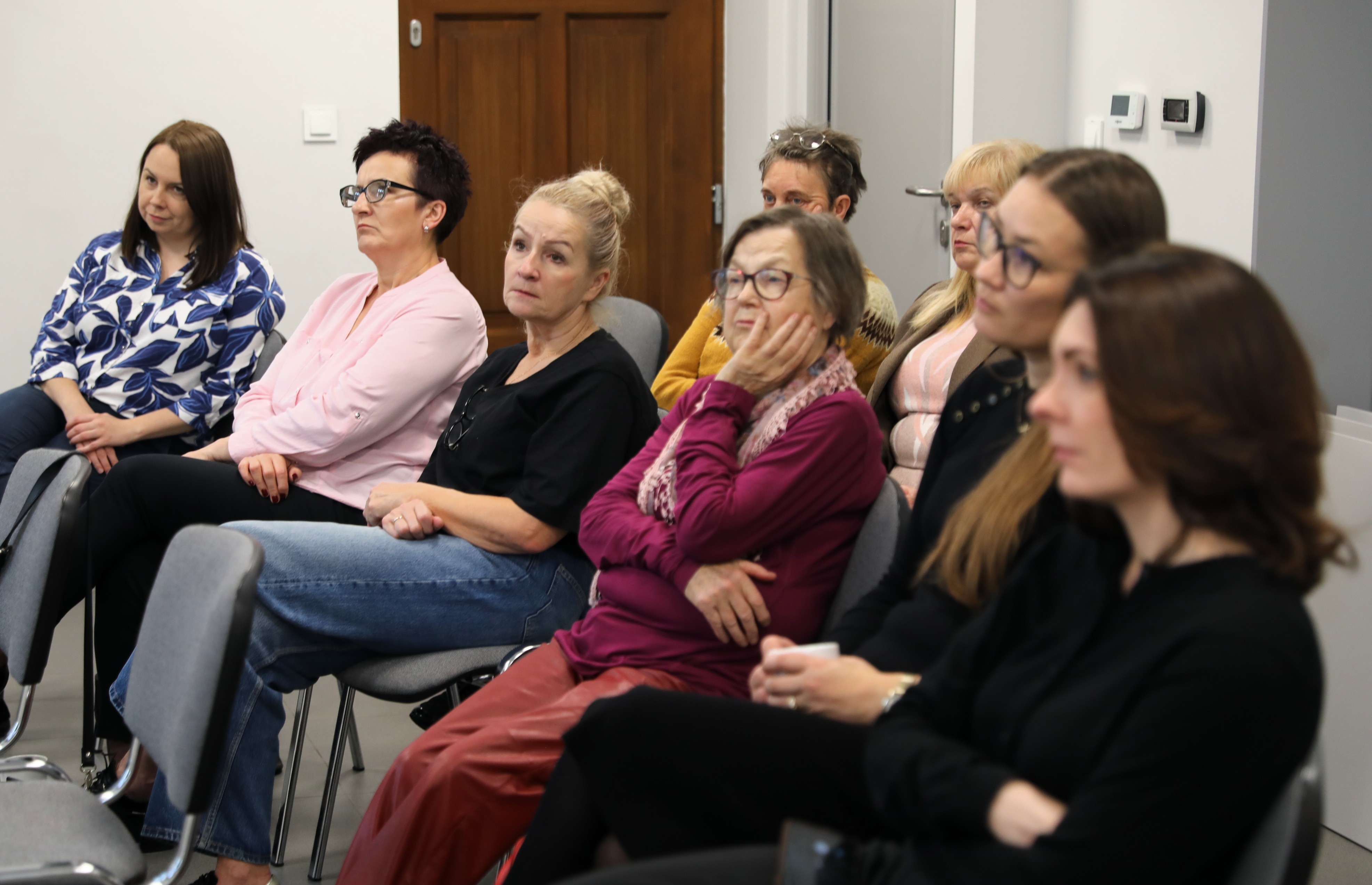
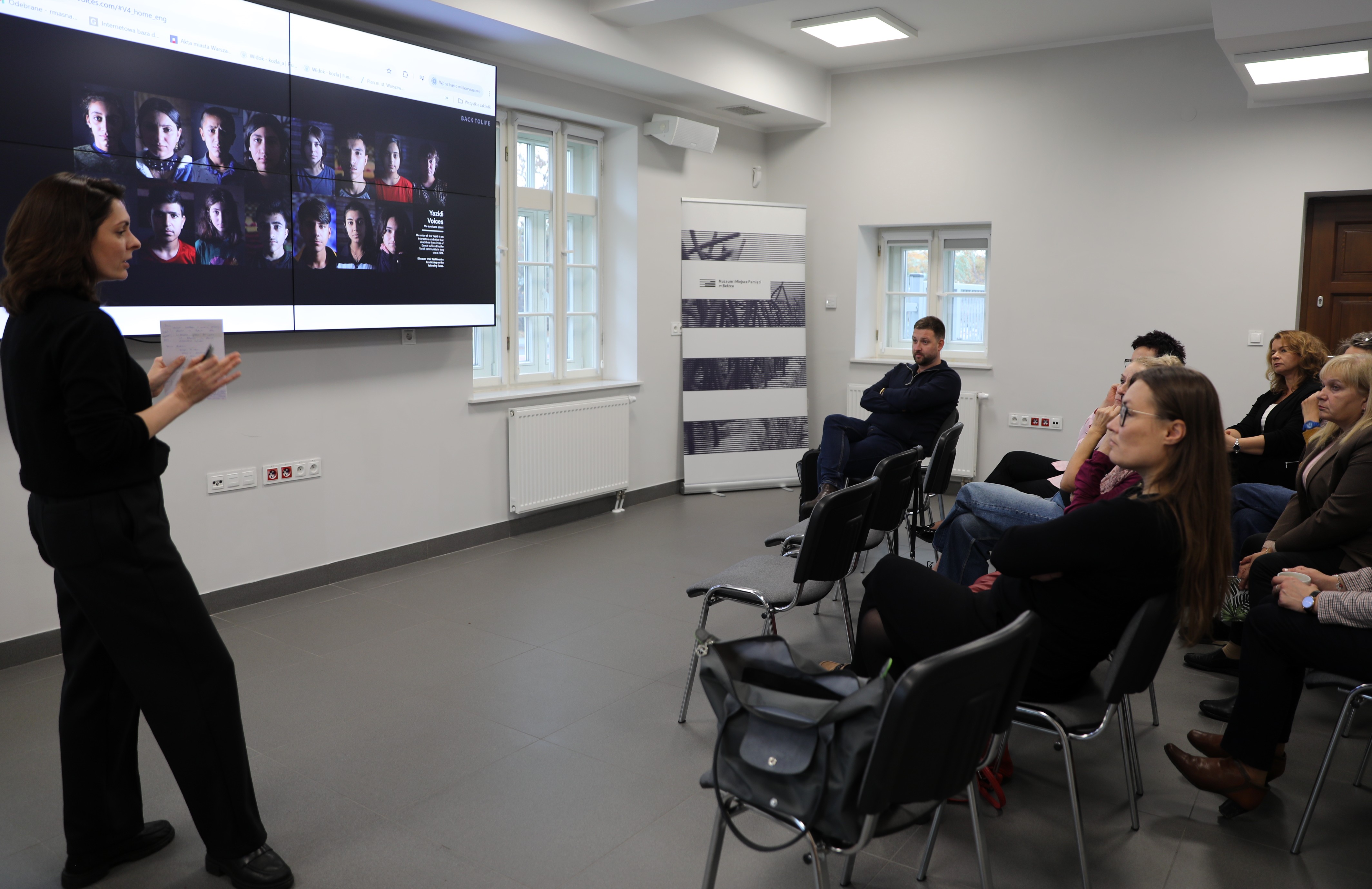
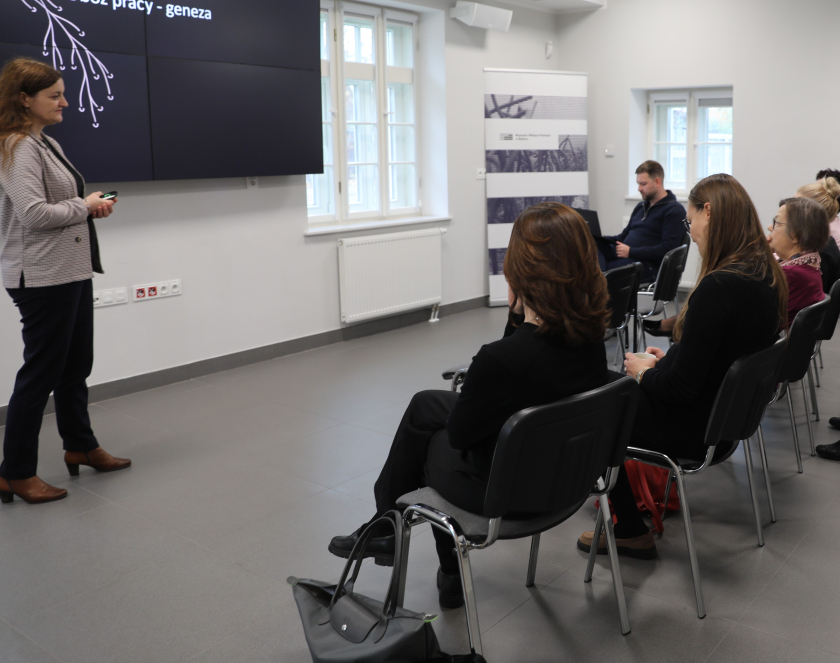
The photo shows a lecture in a bright, modern room. On the left, the lecturer stands in front of a large screen with the words “labour camp – origins,” and opposite her sits a group of attentive listeners.
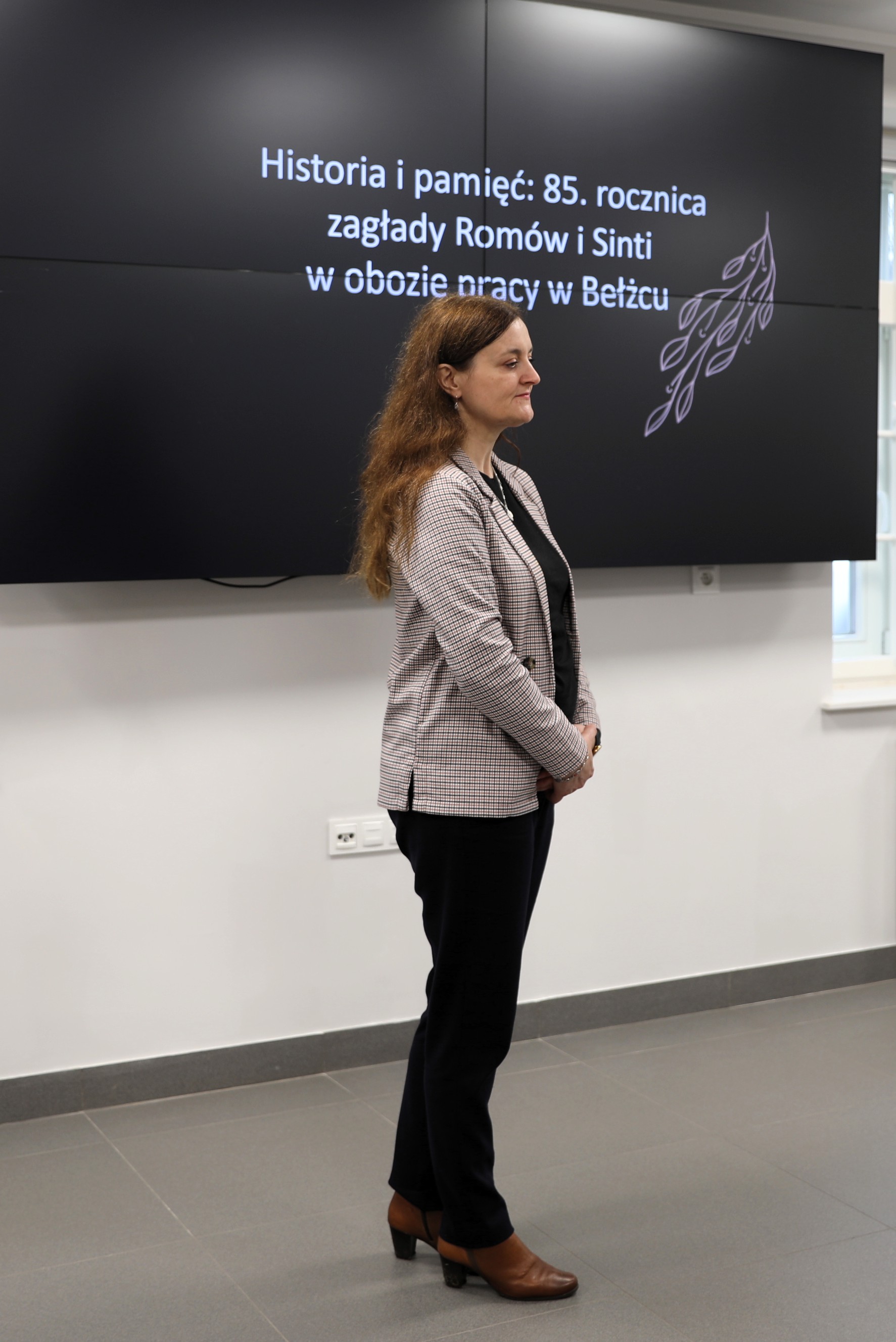
On October 24–25, 2025, the Museum and Memorial in Bełżec, in cooperation with the French non-governmental organization Yahad – In Unum, organised a training seminar devoted to the fate of the Roma community during World War II and the challenges associated with preserving the memory of these events. The aim of the training was to deepen knowledge about the Holocaust of the Roma and Sinti, to learn about places and stories that are still overlooked, and to familiarize participants with methods of field research based on witness accounts and source materials.

Tribute to the Victims – Inauguration at the Monument

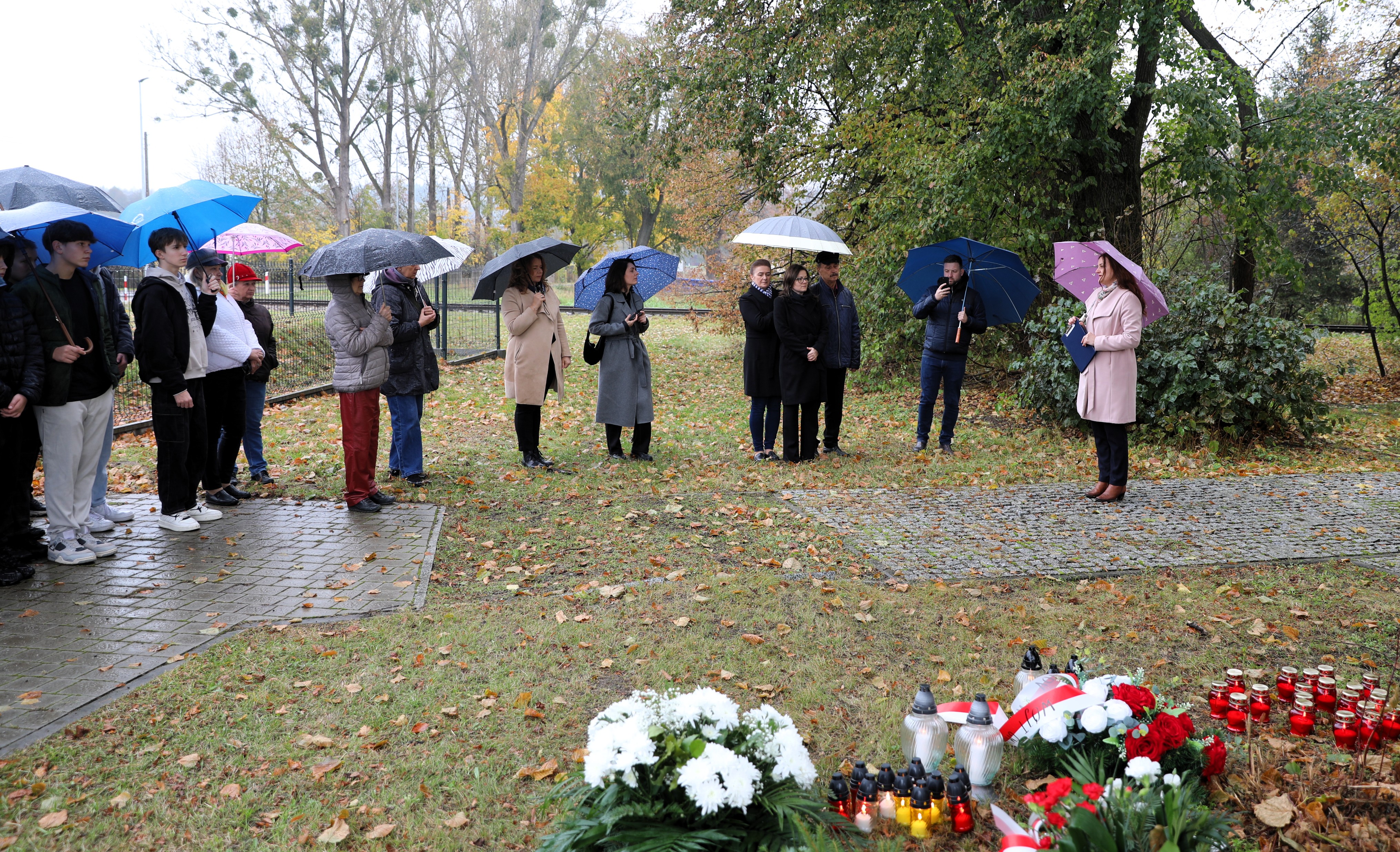
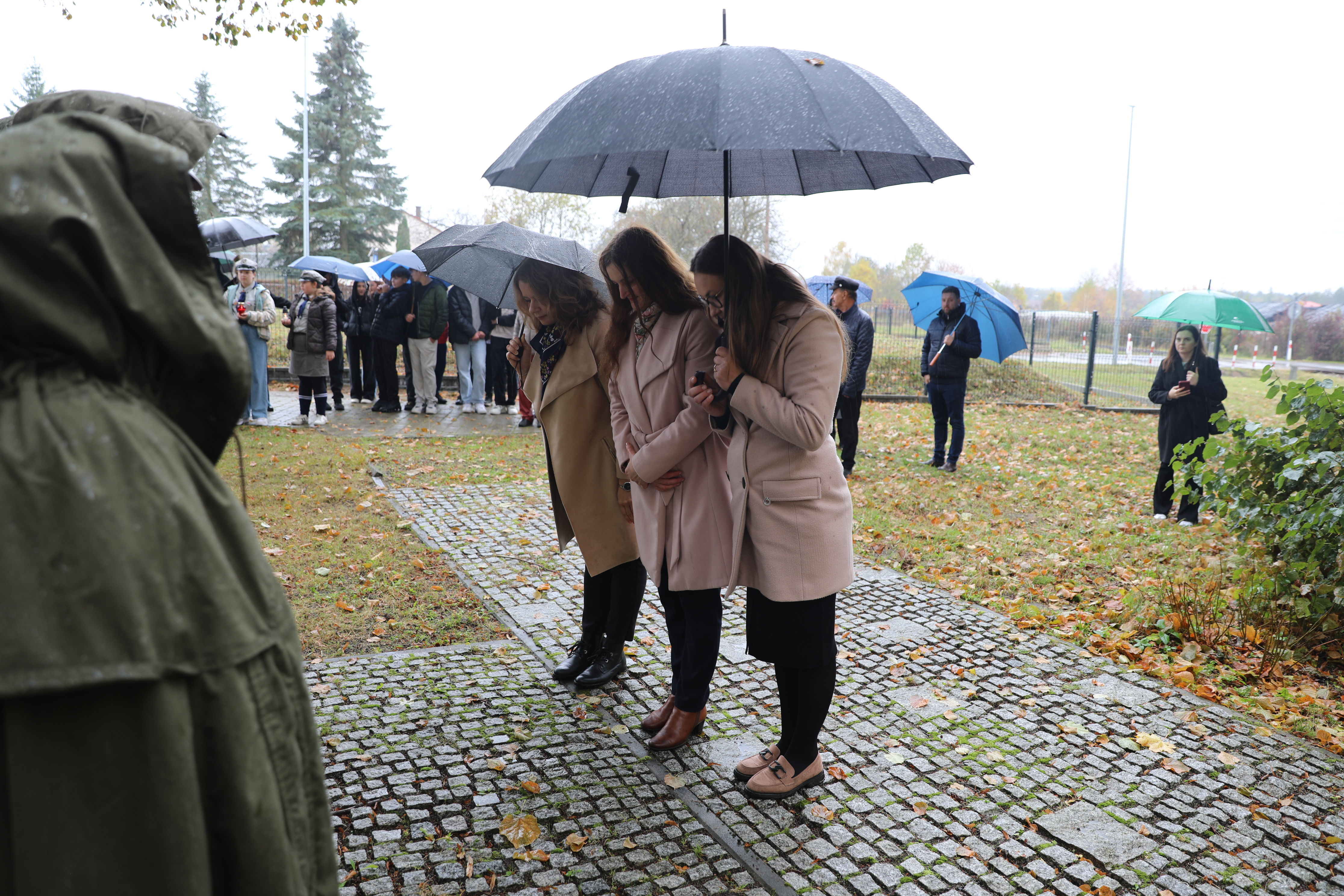
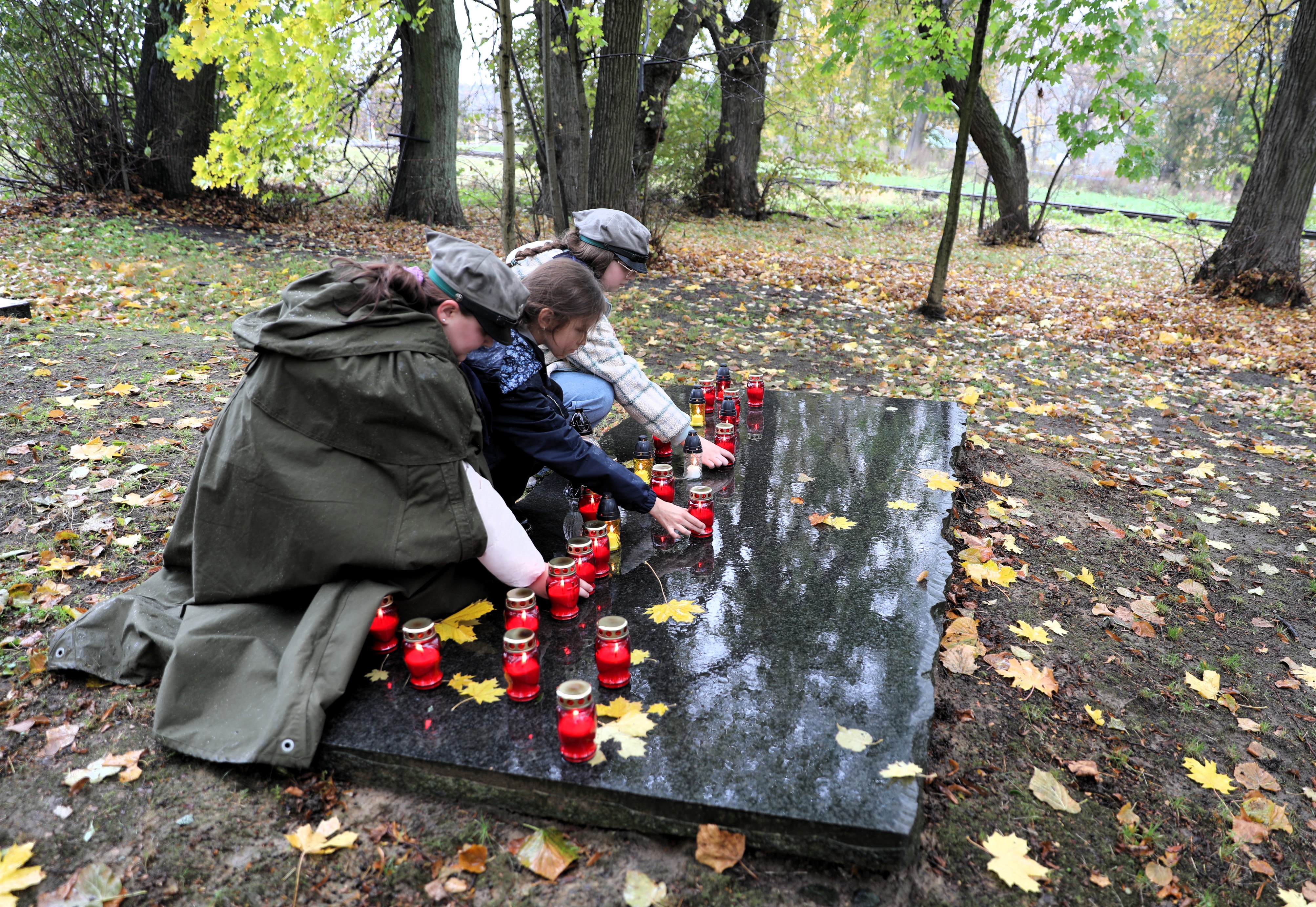
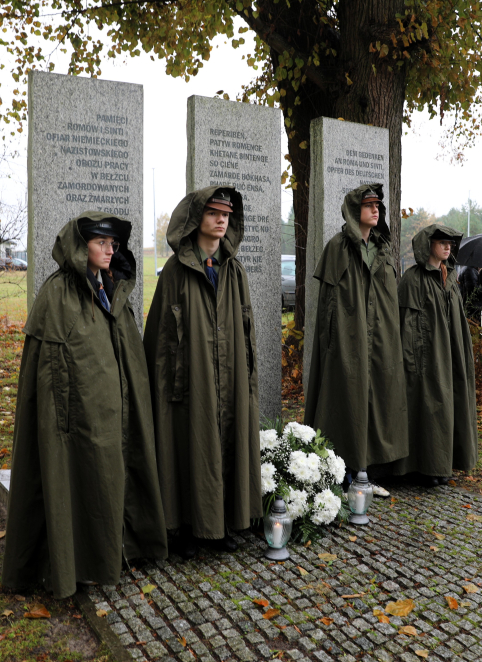
The event began on 24 October with a solemn inauguration ceremony at the monument commemorating the Roma and Sinti victims of the Bełżec labour camp.

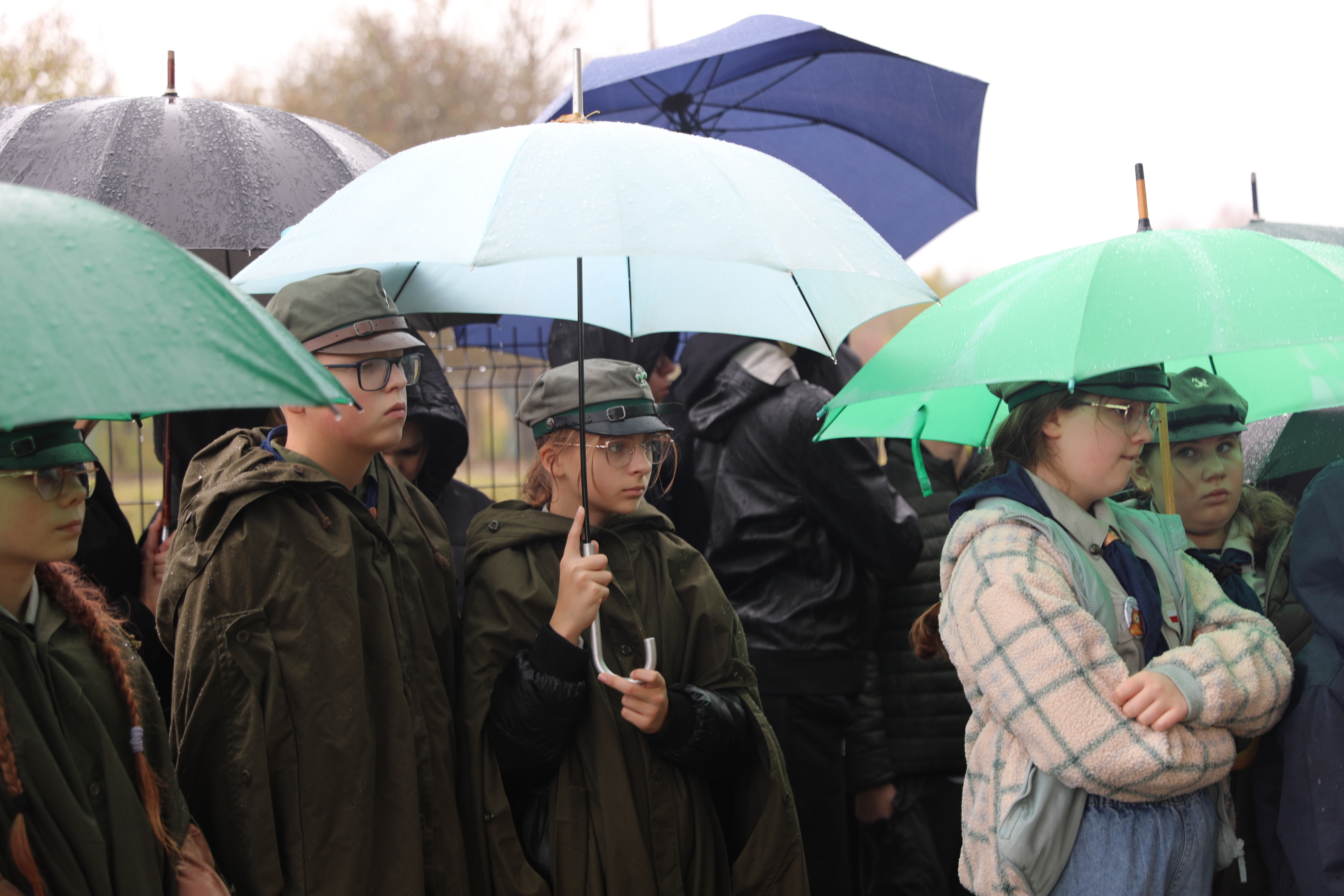
As every year, representatives of the Bełżec municipality and students from the primary school in Bełżec, accompanied by their teachers, took part in this part of the event. The participants paid tribute to the victims of the Holocaust and listened to short speeches by the organisers.

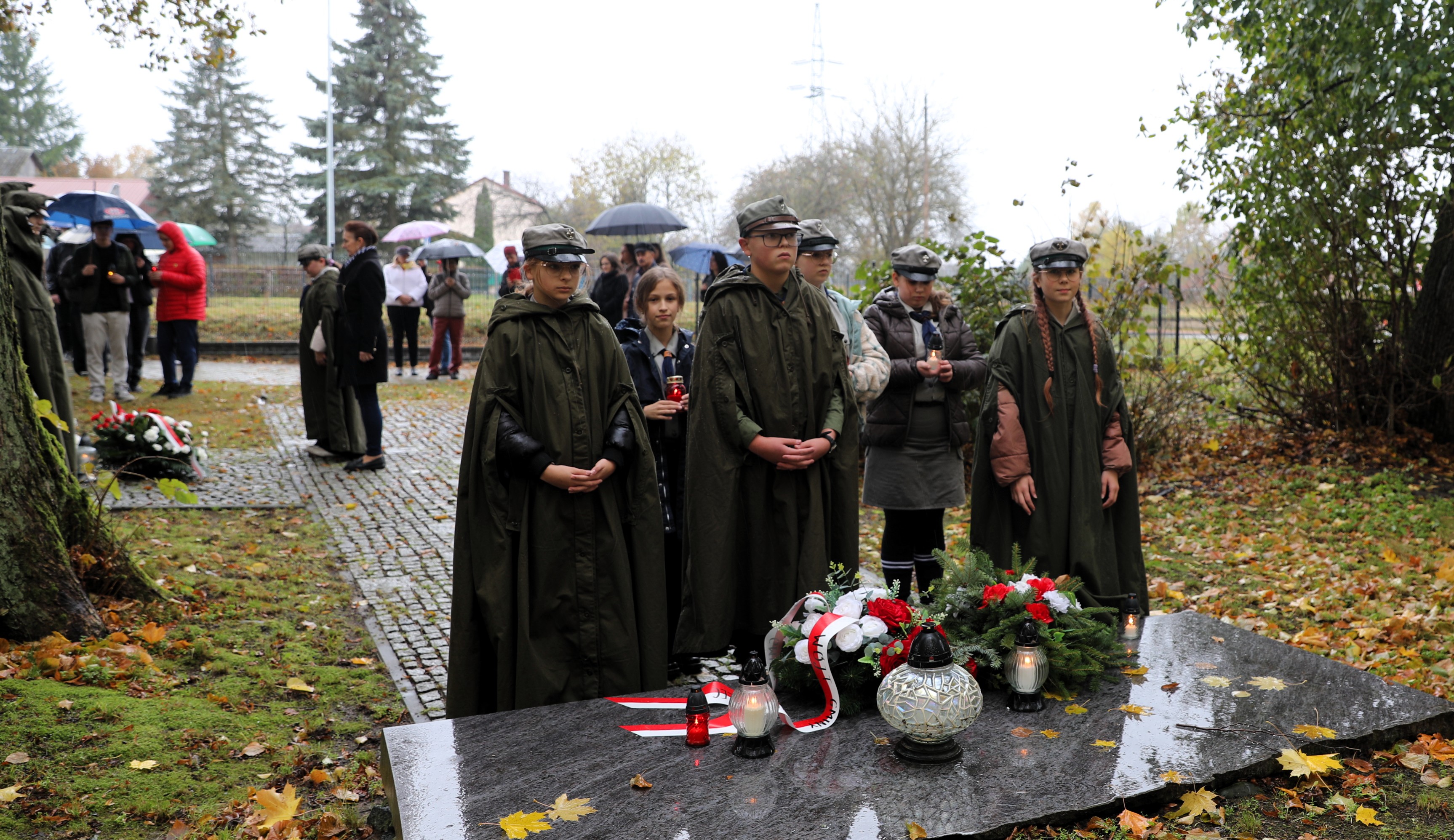
Four scouts in green raincoats stand guard in front of three stone plaques commemorating the victims of the Roma and Sinti. At the foot of the monument, in the autumn scenery, white flowers have been laid and candles lit.
Training seminar devoted to the fate of the Roma community during World War II.

History, Research, and Memory – Lectures on the First Day

After the ceremony, teachers, educators, and regionalists moved on to the lecture part in the Museum's research and teaching facility.

The lectures were given by:

Dr. Ewa Koper (Museum and Memorial in Bełżec), who discussed the functioning of the labour camp in Bełżec and the situation of the Roma community during the German occupation,

Renata Masna (Yahad – In Unum), who presented the organization's activities in the field of documenting execution sites, collecting accounts from the last witnesses, and historical education. In her speech, she also touched upon other mass crimes, including the Porajmos, the genocide of the Maya in Guatemala, and the genocide of the Yazidis in Iraq,

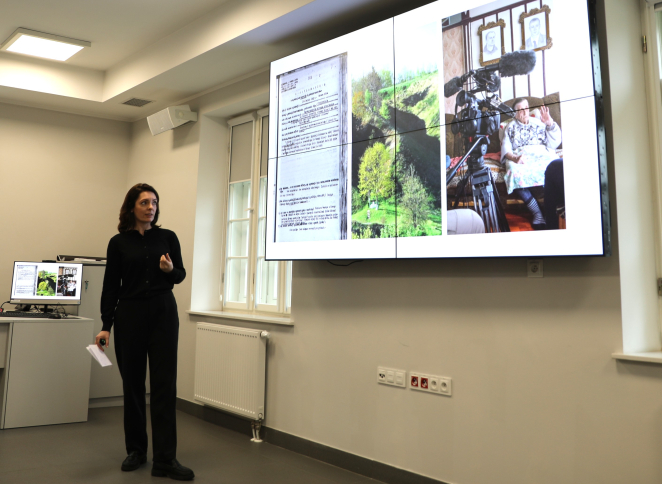
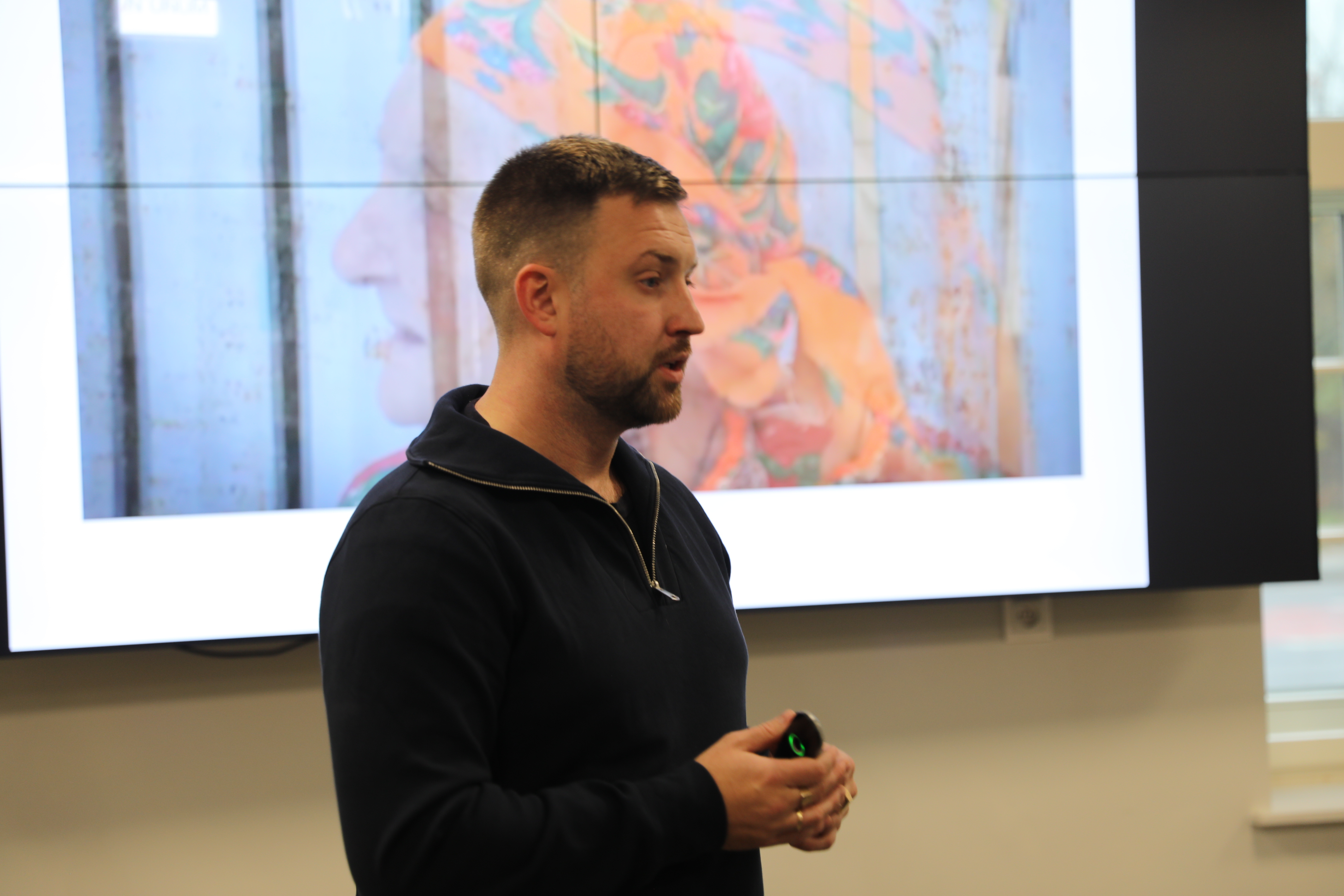
Michał Chojak (Director of the Yahad – In Unum Research Center), who presented the historical context of the Roma Holocaust, the methodology of field research, and the organization's teaching tools, including the interactive map “In-Evidence,” which documents execution sites.
The speaker gives a presentation in the conference room; slides with a document, landscape, and interview recording are displayed on a large screen.
Training seminar devoted to the fate of the Roma community during World War II.

Fieldwork – in the Footsteps of Forgotten places of the Holocaust

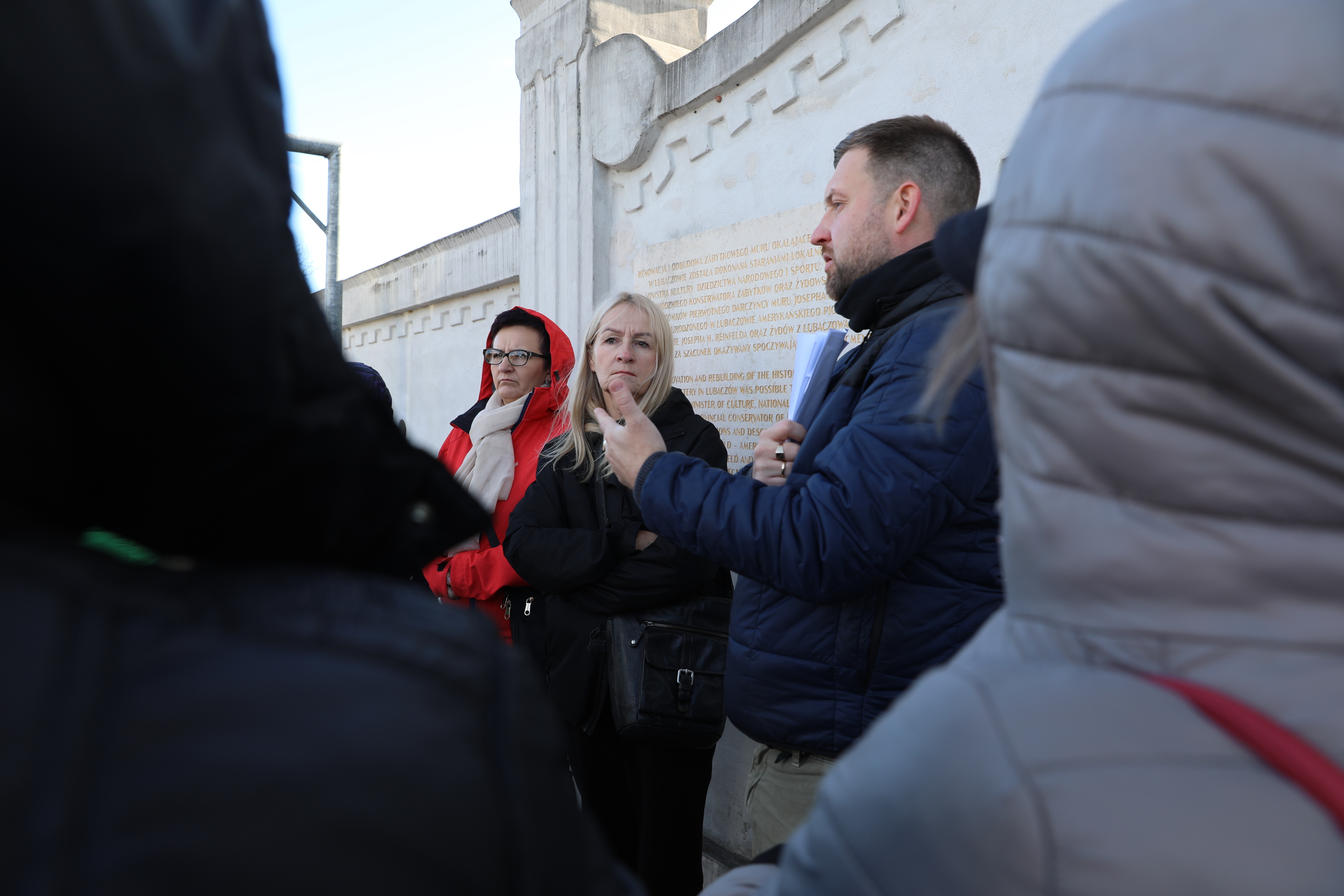
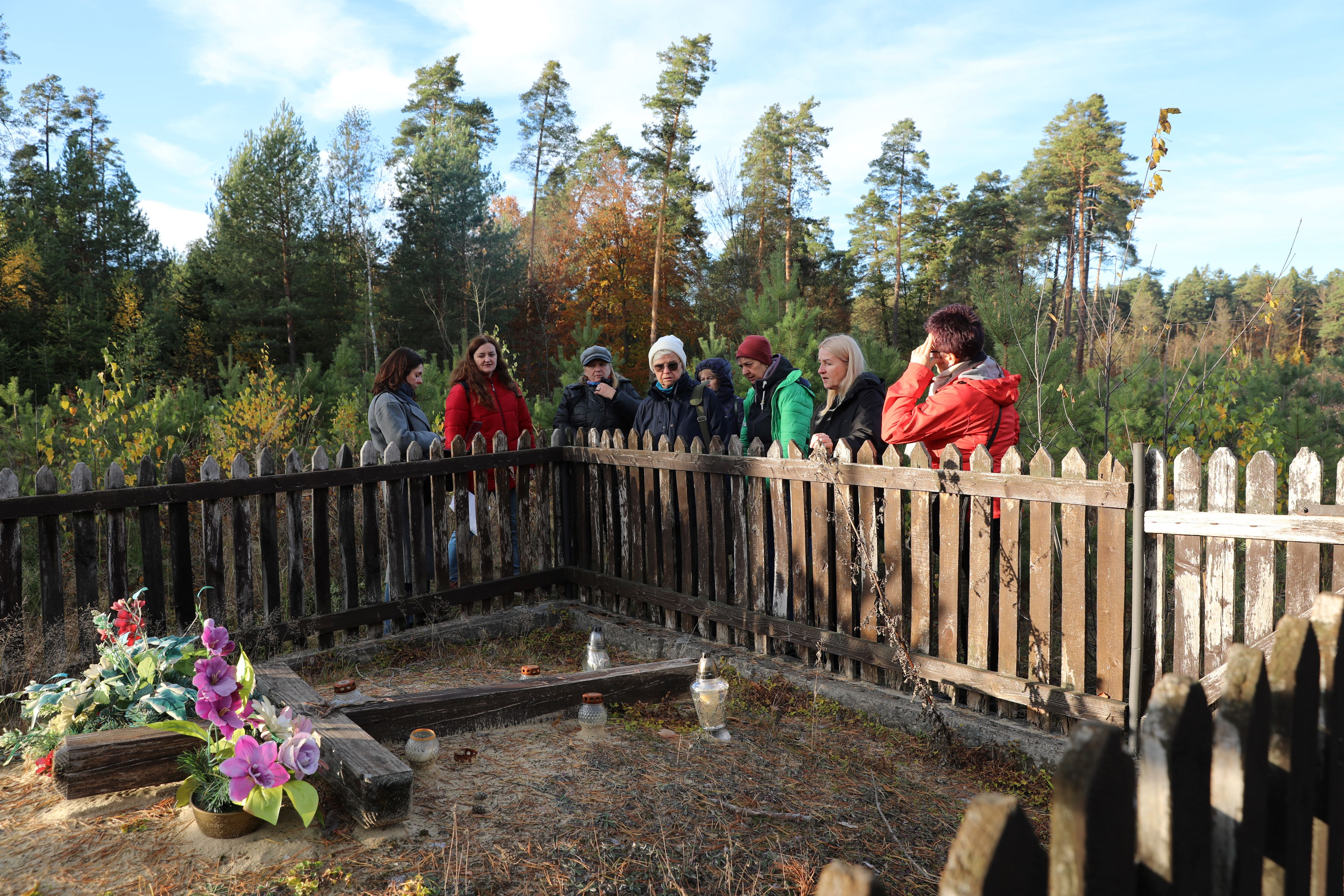
On the second day, a study visit took place in the Lubaczów and Tomaszów counties, during which participants visited memorial sites associated with mass executions of Roma:

Las Niwki (Lubaczów) – the site of the shooting of approximately 50 Roma in 1942,

Bałaje – the site of the execution of 84 people in 1942, where participants also met with a witness to history,

Potoki near Lubycza Królewska – the site of the shooting of approximately 80 people from a detained Roma camp in 1942.

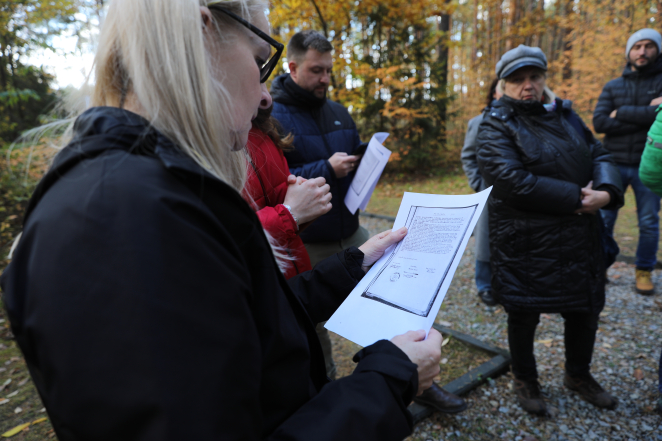
During the visit, participants learned about both the material evidence of the Holocaust and the field research methods used by Yahad – In Unum.

A woman in a black jacket carefully reads a copy of an archival document during an autumn gathering in the forest, attended by a group of people interested in historical accounts.
Training seminar devoted to the fate of the Roma community during World War II.
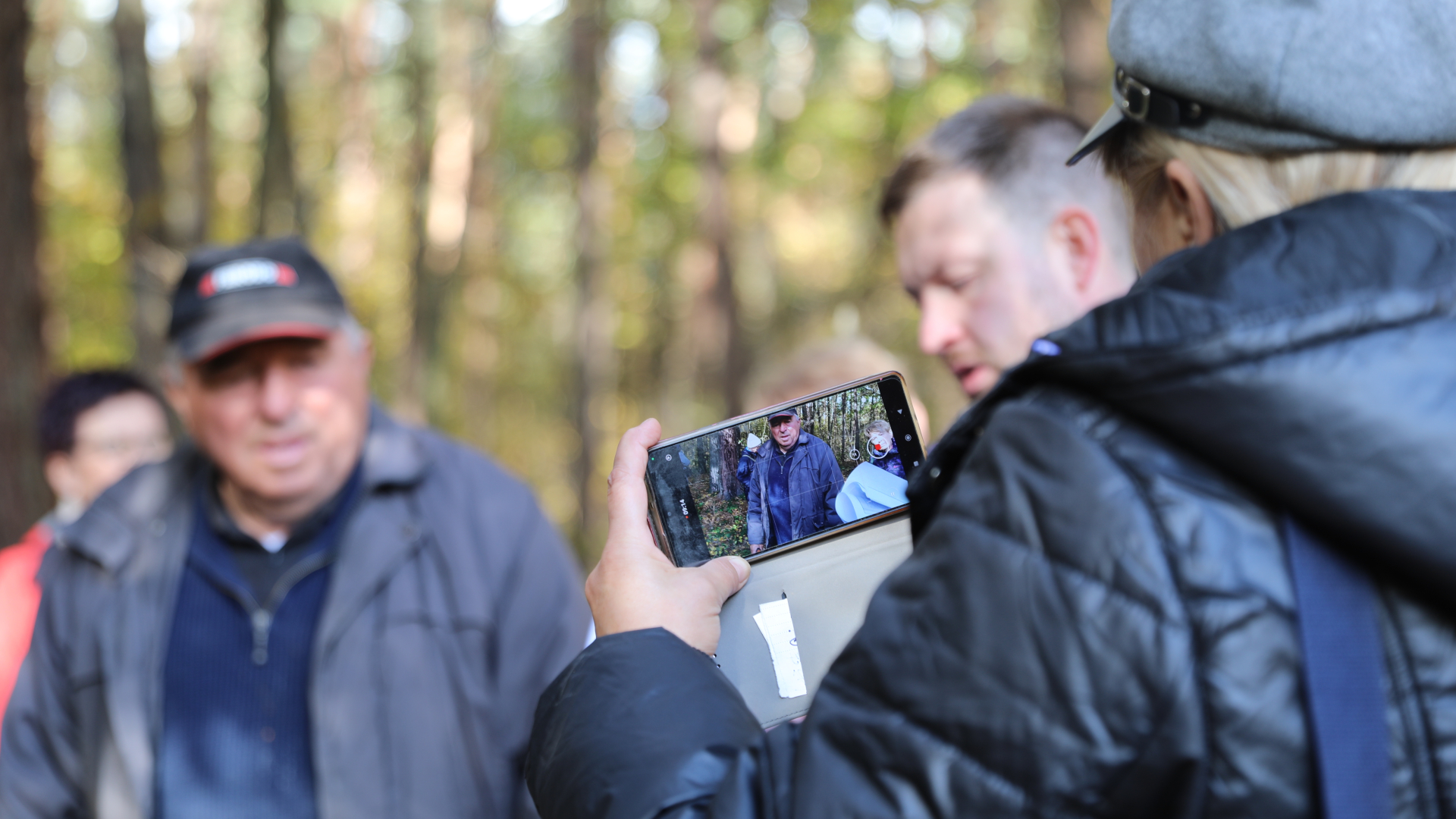
Several people talking in the middle of a forest. One person is recording the speaker with a phone.
Training seminar devoted to the fate of the Roma community during World War II.

Education Means Responsibility

The training deepened participants' knowledge of little-known aspects of the Holocaust of the Roma and Sinti and emphasized the importance of historical education and documenting testimonies to preserve the memory of the victims.

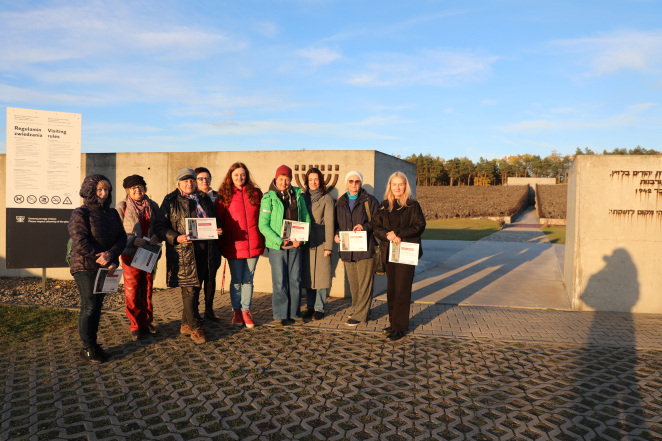
Each participant received a certificate of completion.

A group of women stand in front of the monument at the Museum and Memorial in Bełżec, holding certificates of participation in the seminar.
Training seminar devoted to the fate of the Roma community during World War II.