The 9th "History – Education – Memory" Seminar

A meeting of regionalists, educators, and historians

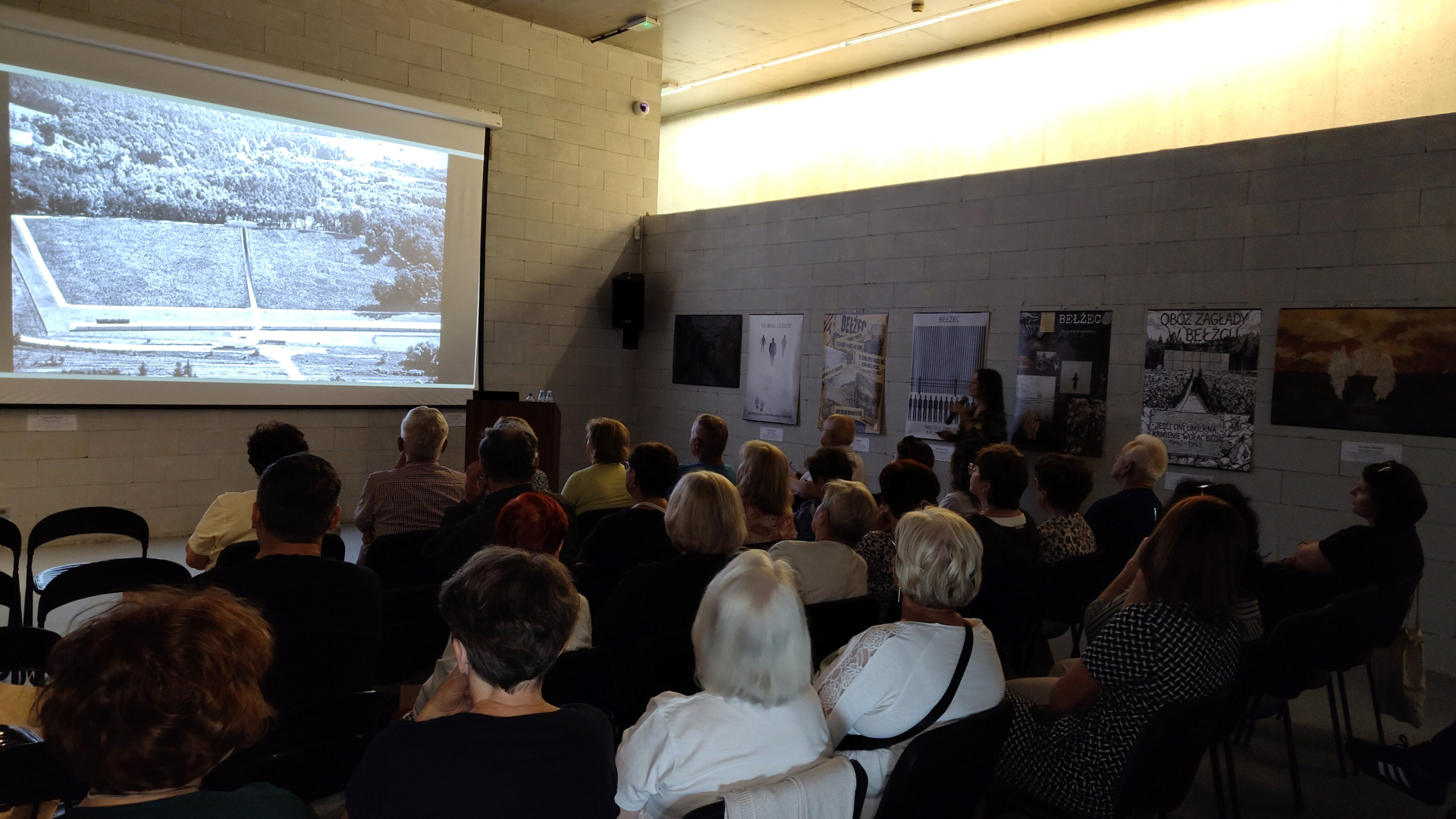
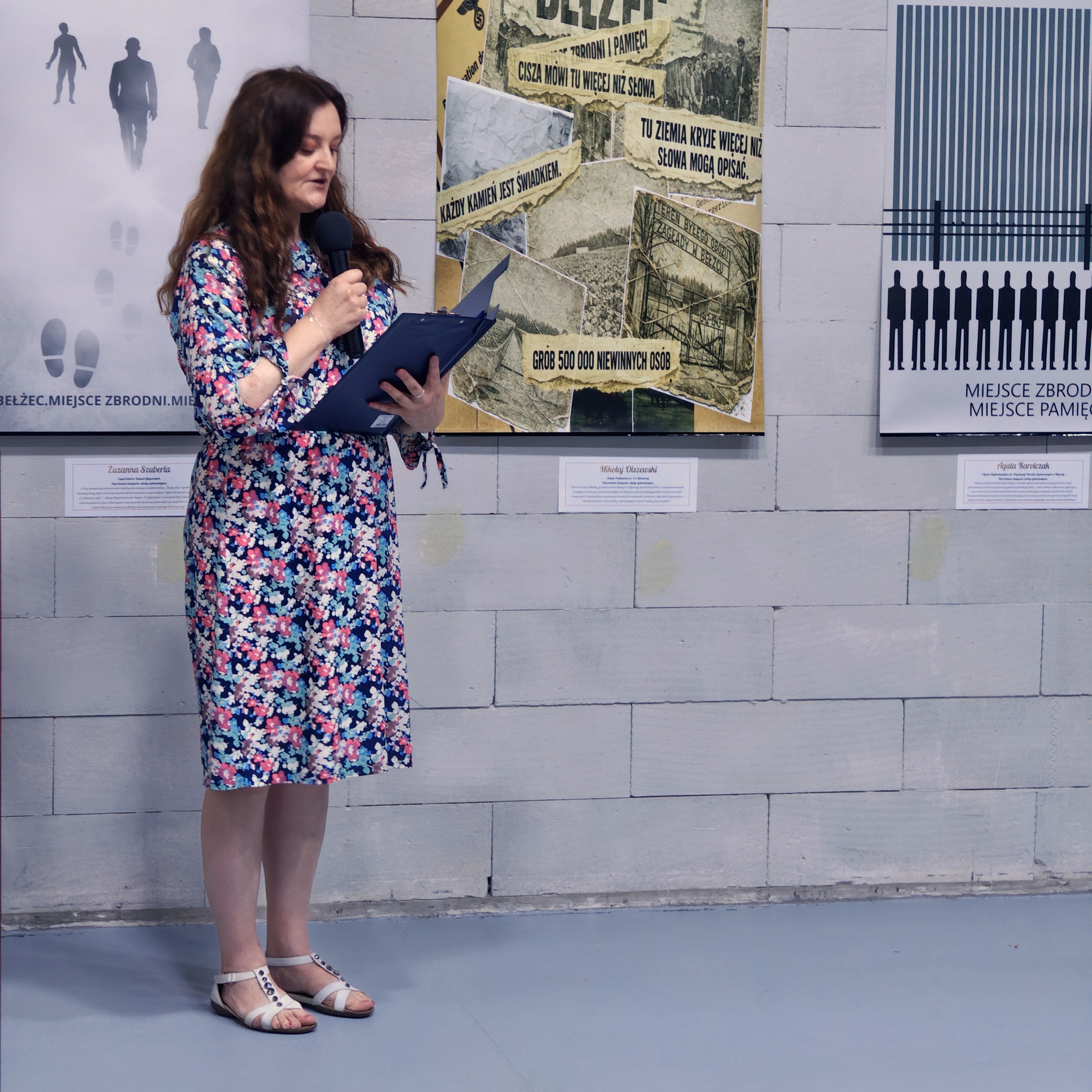
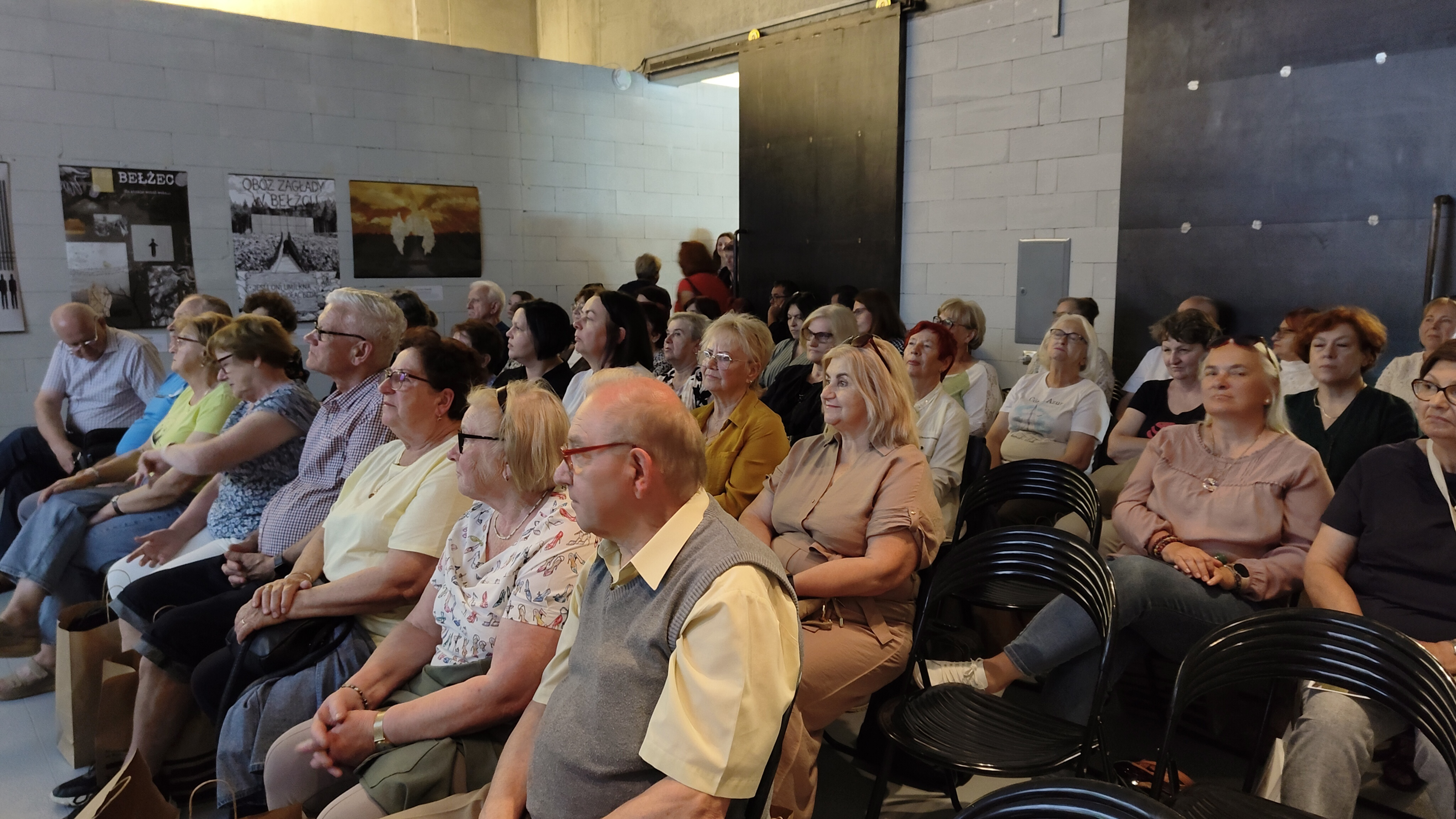
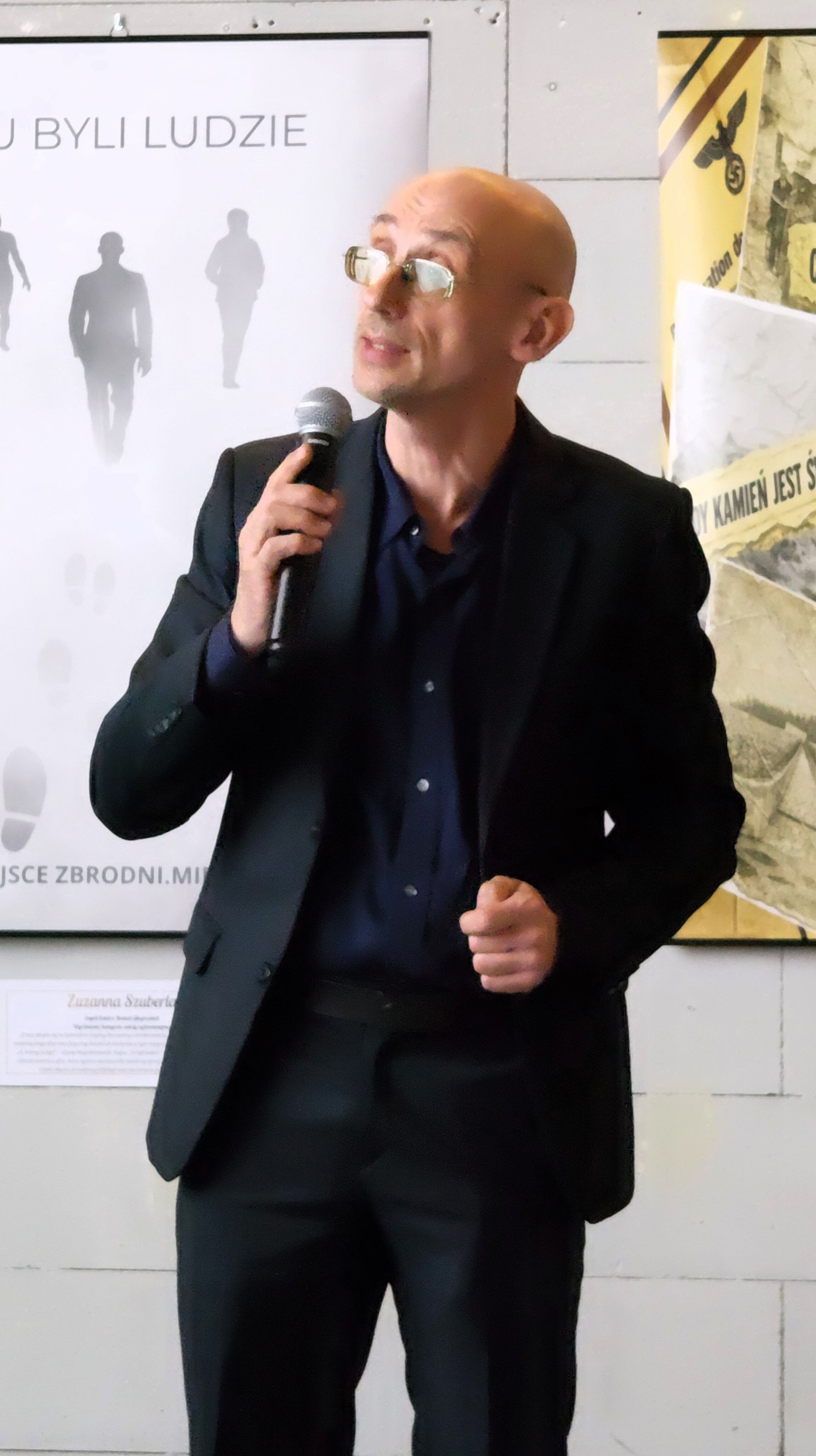
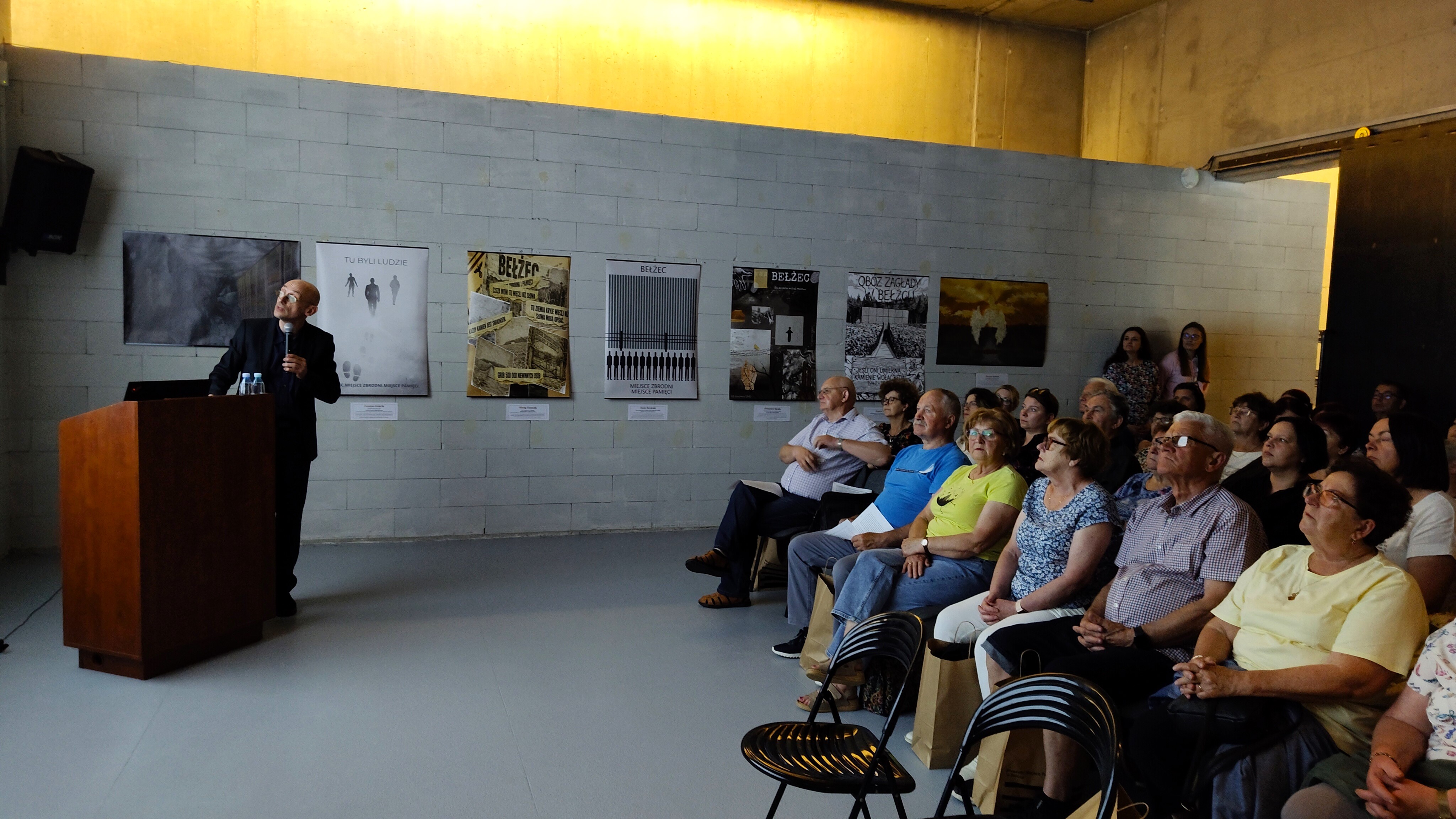
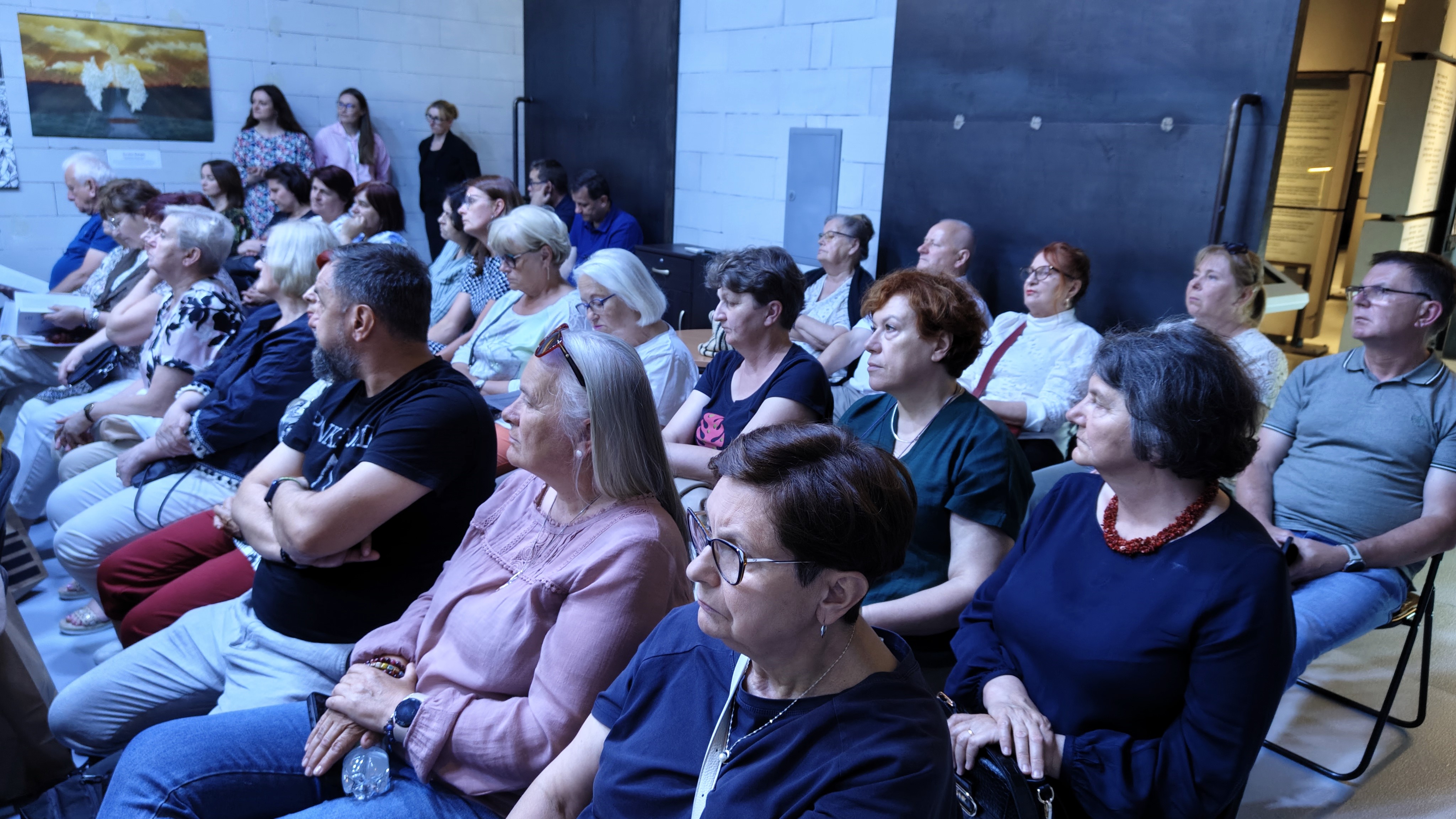
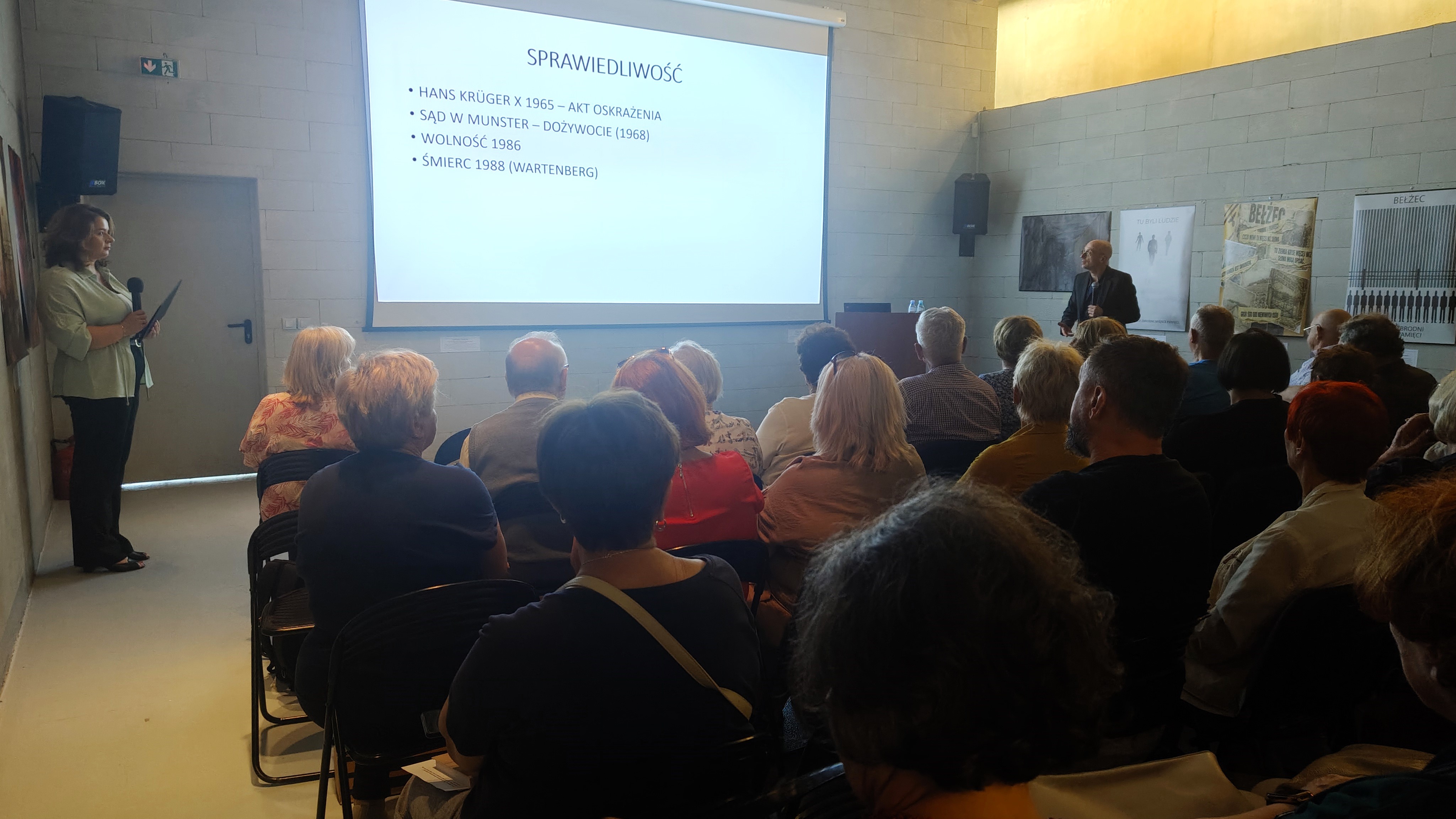
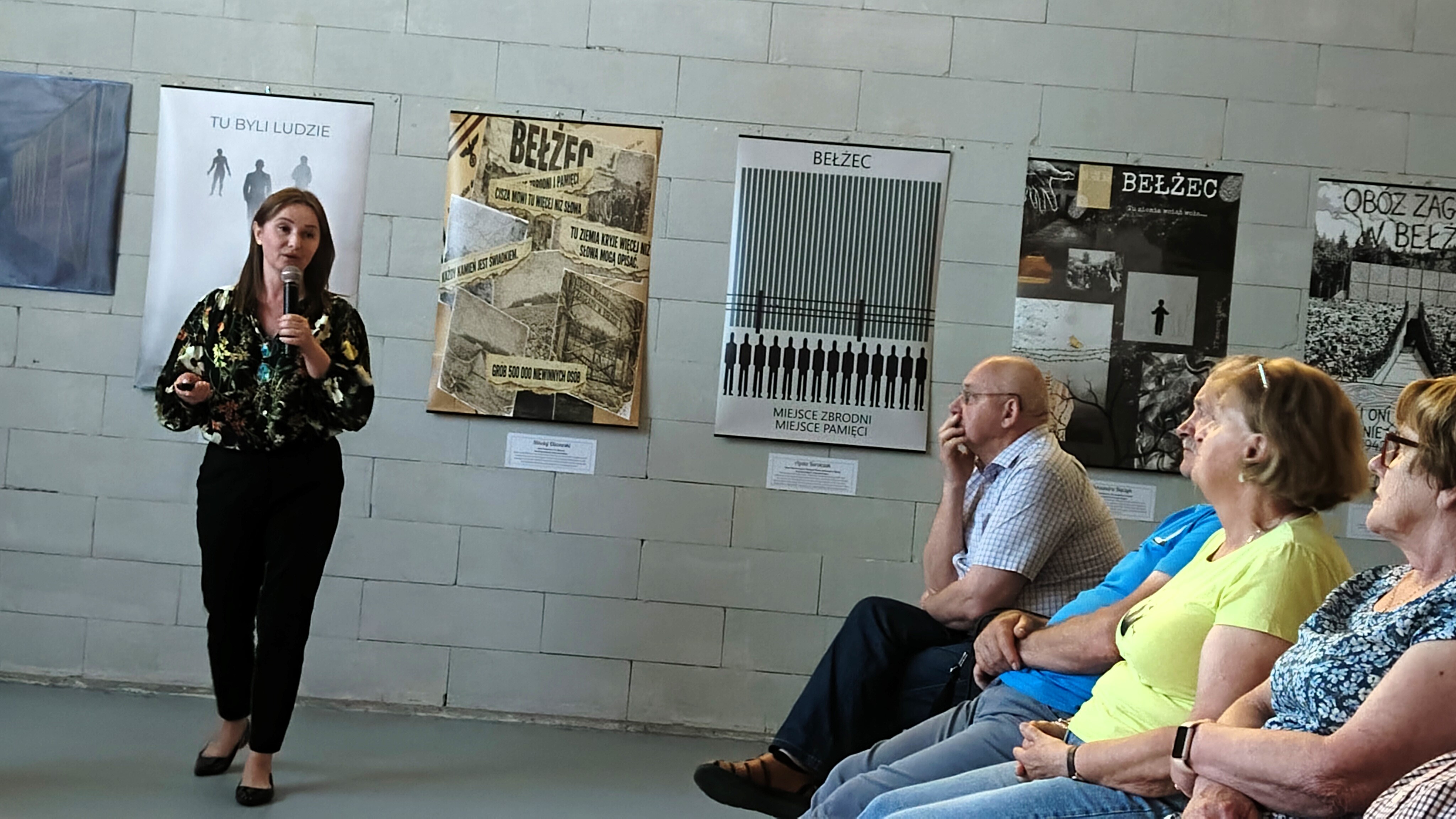
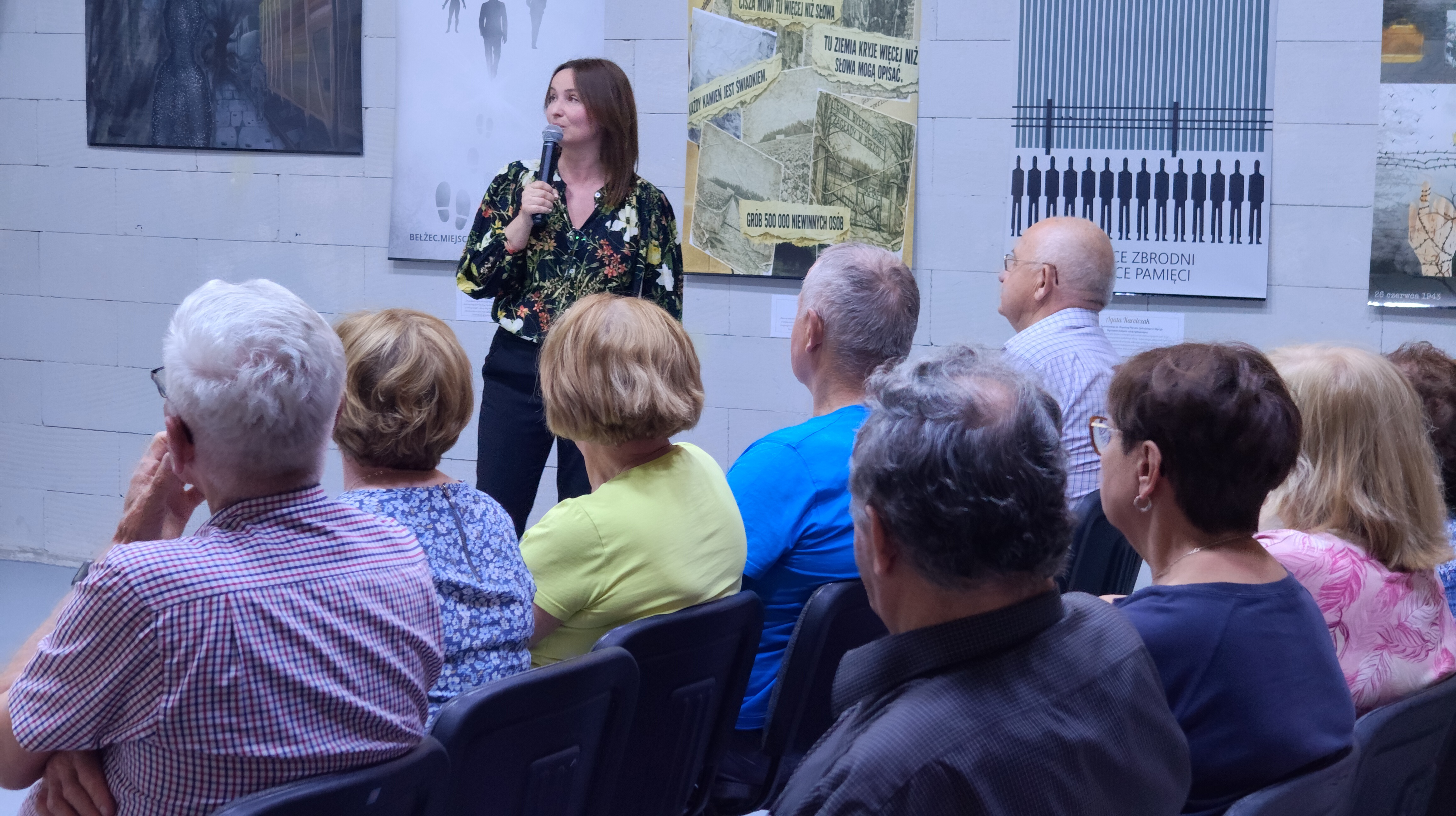
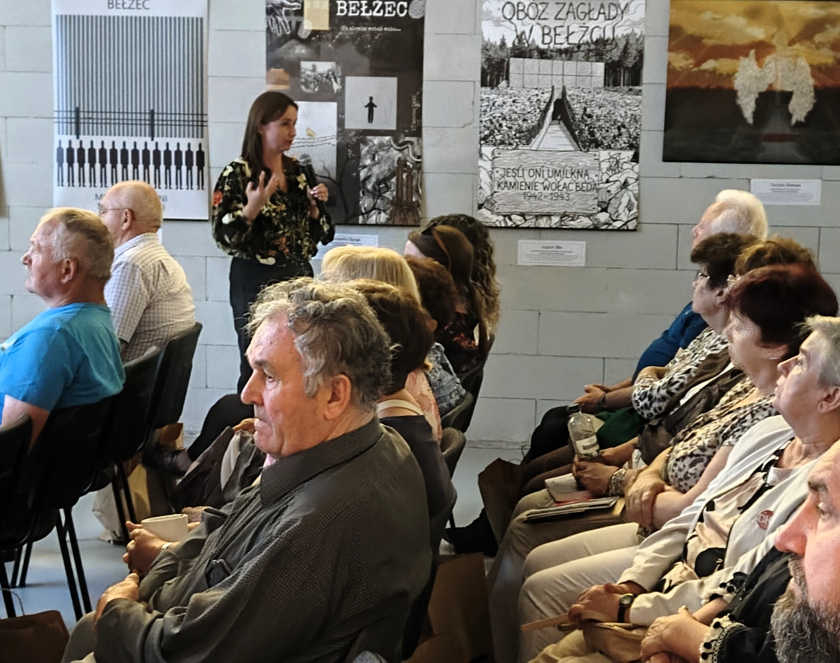
A group of people sitting in a room during a lecture. Informational posters related to the Bełżec death camp are displayed on the walls. A speaker is standing in front of the audience, addressing them.

On June 8, 2026, the Bełżec Museum and Memorial hosted the 9th Seminar for Regionalists, Educators, and Historians, titled "History – Education – Memory." The event provided a platform for deep reflection on contemporary methods of teaching about the tragic past, as well as the challenges faced by institutions dedicated to preserving heritage and historical memory.
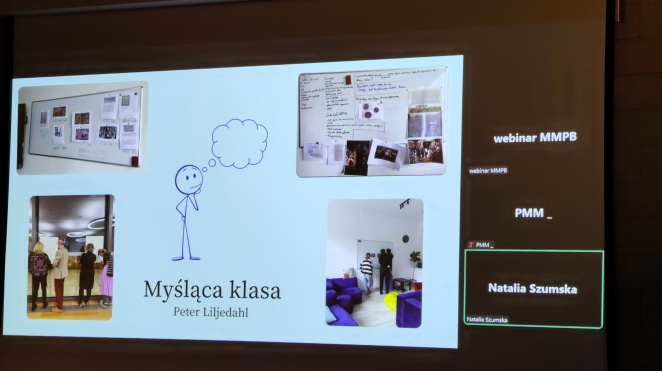
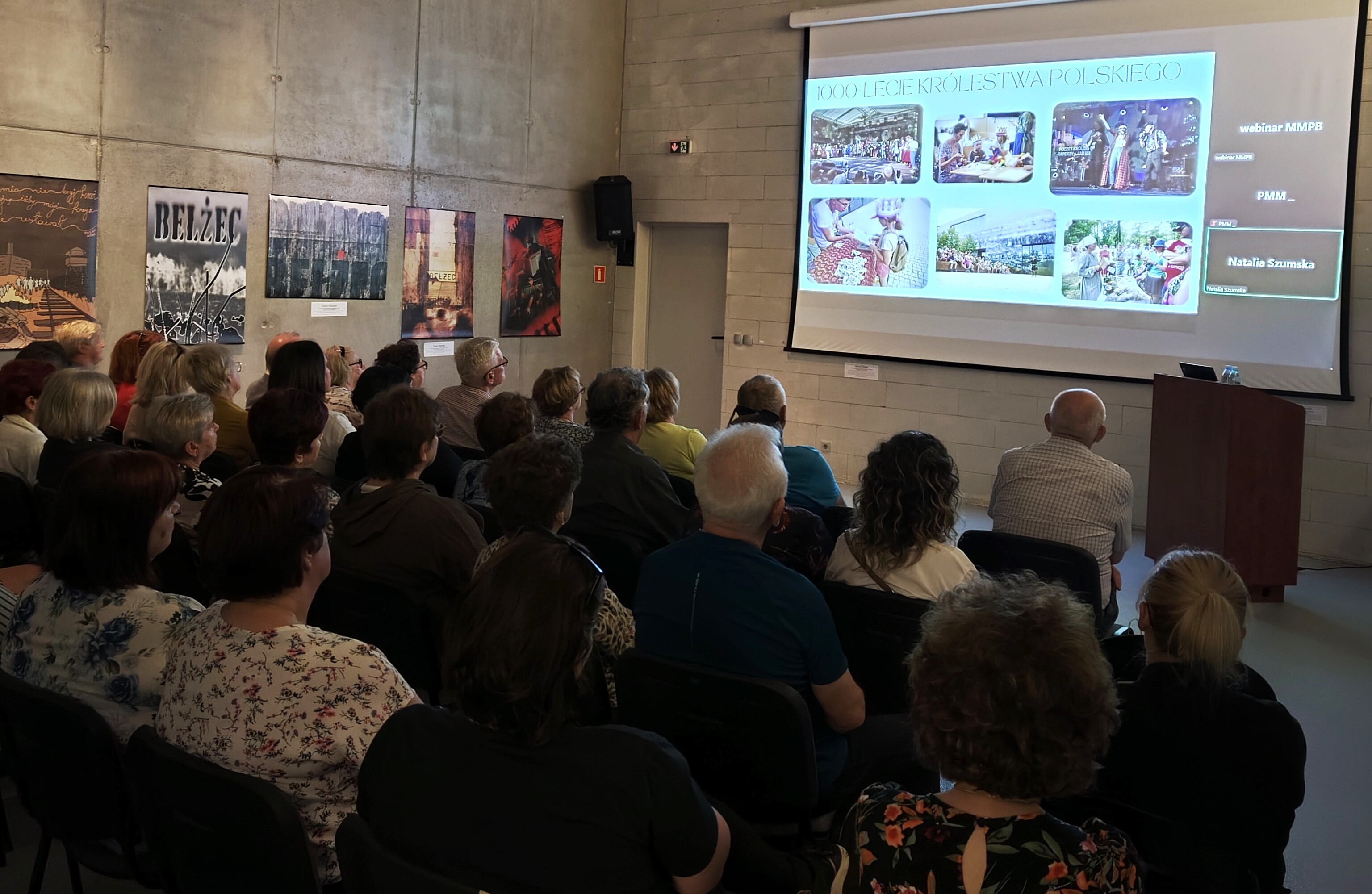
A presentation slide titled "Myśląca klasa" (Thinking Classroom) by Peter Liljedahl. The slide includes photos of students working at whiteboards and an icon of a person with a thought bubble. The right side shows a webinar interface.

The seminar program featured three distinct research and educational perspectives:

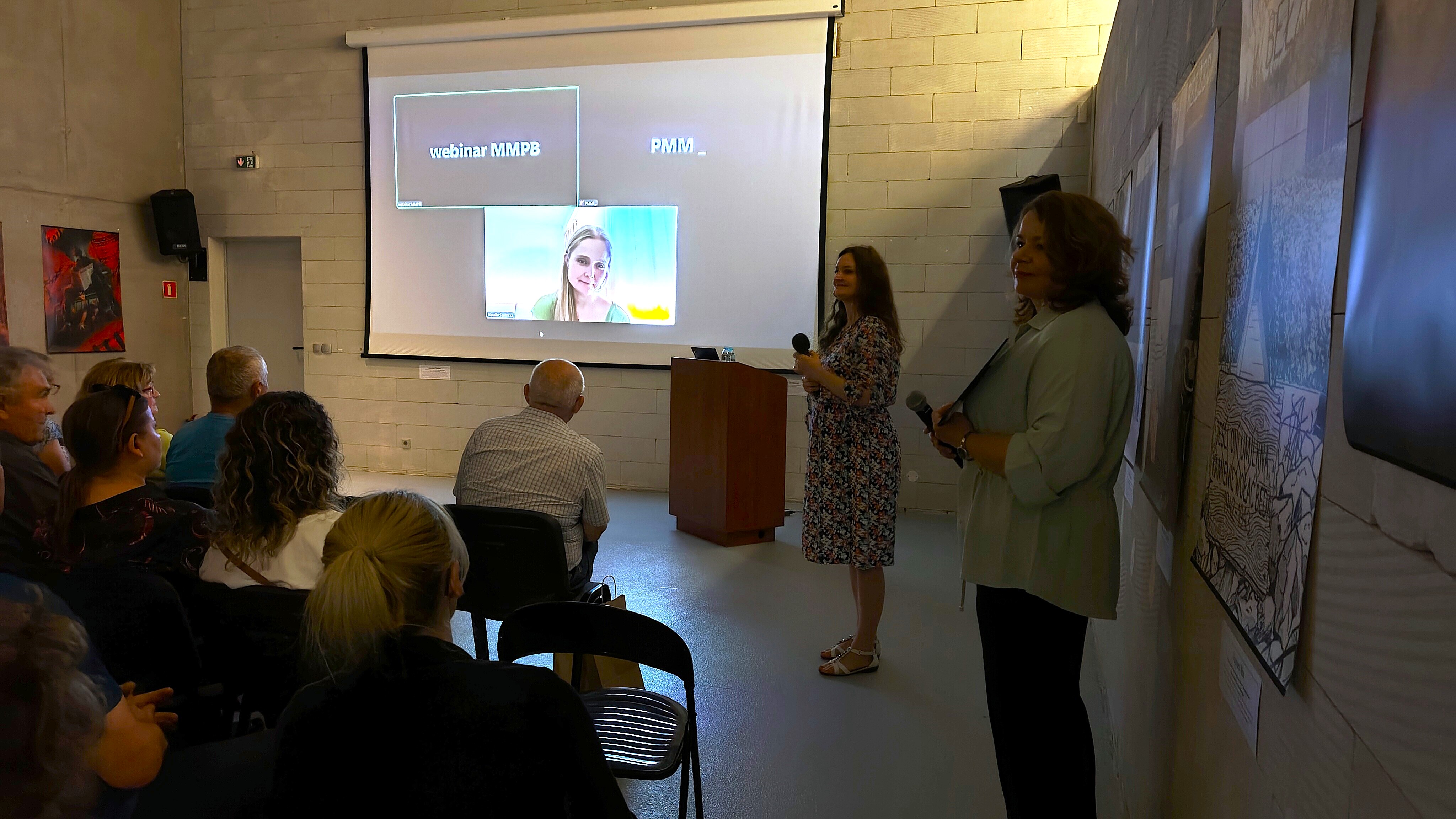
  • Natalia Szumska from the Polish History Museum presented a lecture titled "A Different Story: Education at the Polish History Museum," highlighting innovative approaches to historical narrative and the vital role of modern educational tools in engaging audiences.

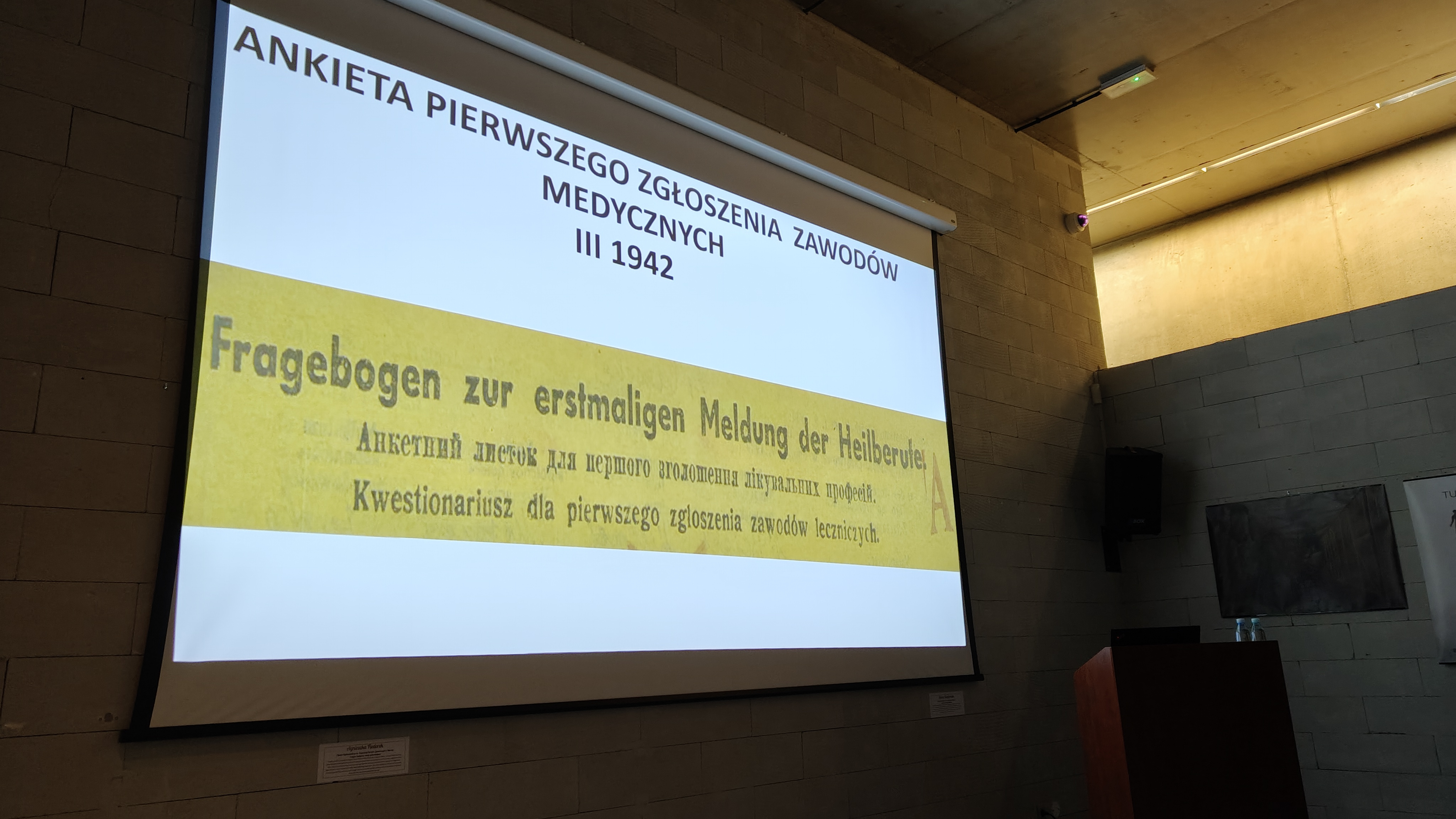
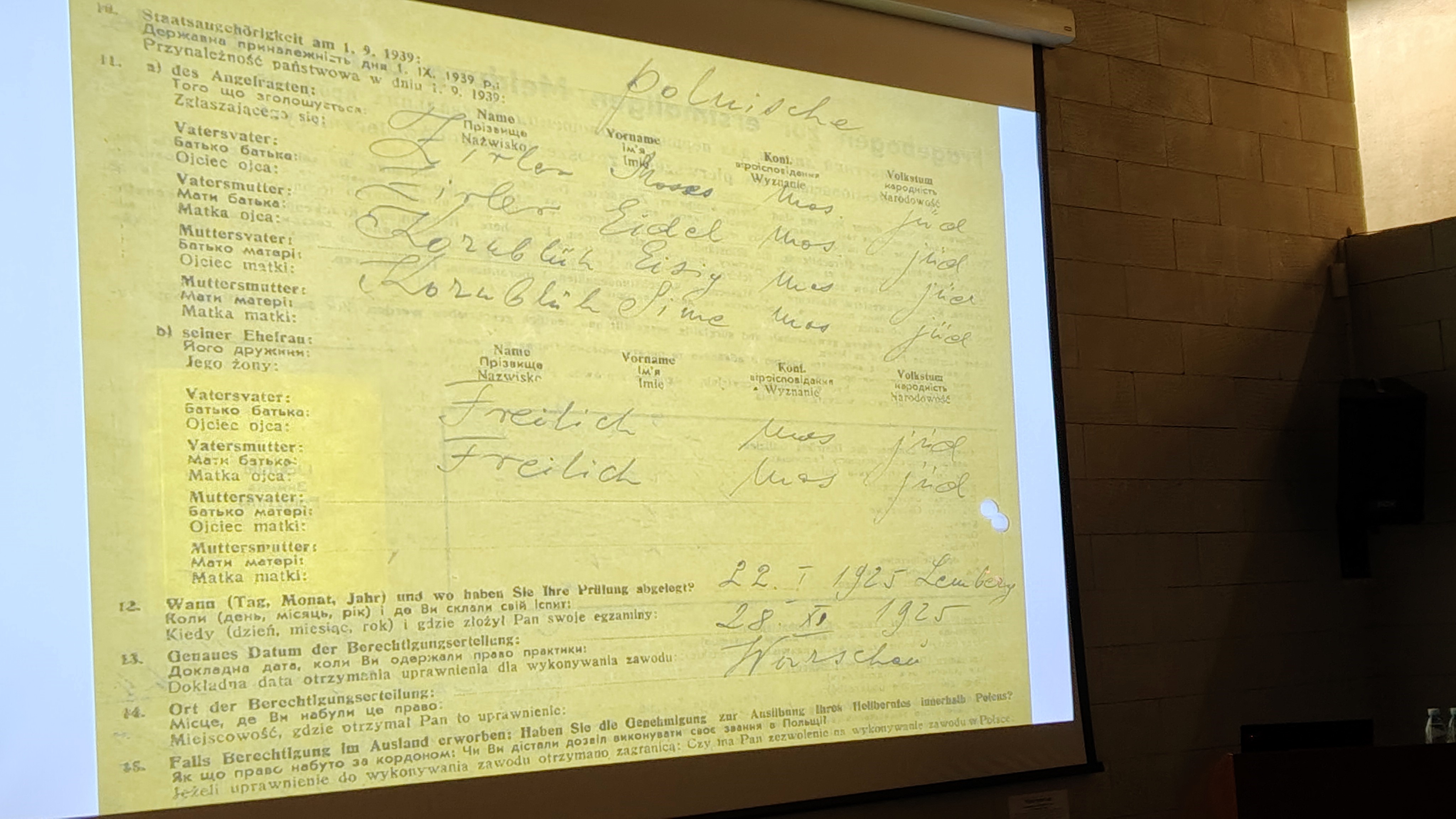
  • Dr. Marcin Urynowicz from the Institute of National Remembrance presented an insightful analysis of documents containing the personal data of medical personnel in the Stanisławów Ghetto, demonstrating their value as source material and their significance for historical research.

  • Dr. Anna Stróż-Pawłowska from the Pilecki Institute delivered a paper titled "Monuments in Former Extermination Camps: Creative Ego vs. Genius Loci." Her presentation addressed the ethical and architectural dilemmas of memorializing sites of mass murder, exploring the tension between an artist's vision and the inherent character and history of these spaces.

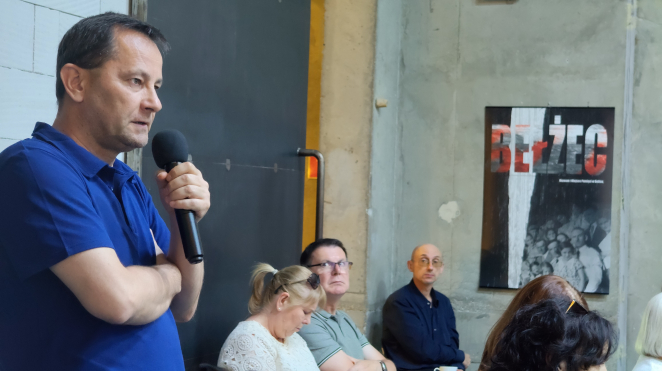
Each thematic block concluded with a Q&A and discussion session, offering speakers and attendees a valuable opportunity to exchange experiences and insights.

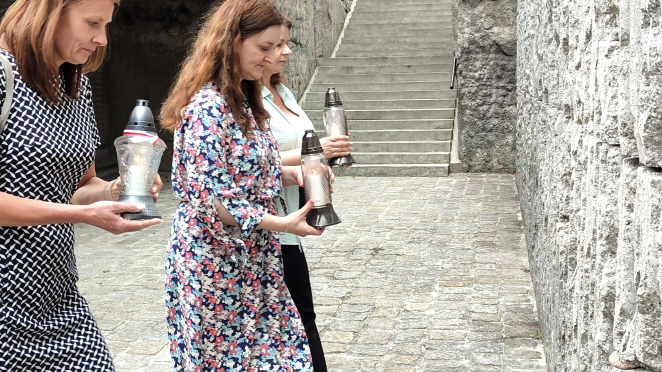
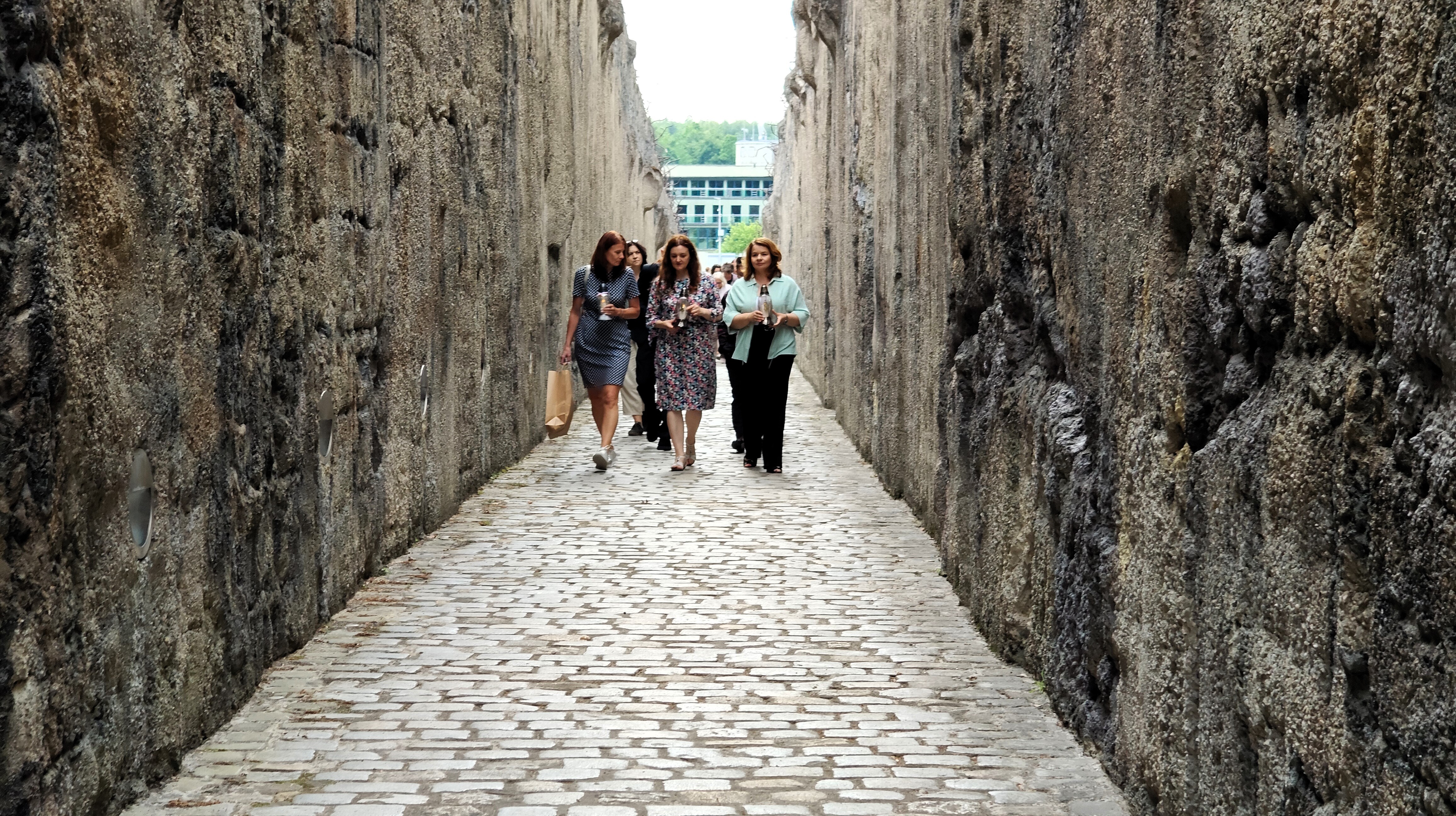
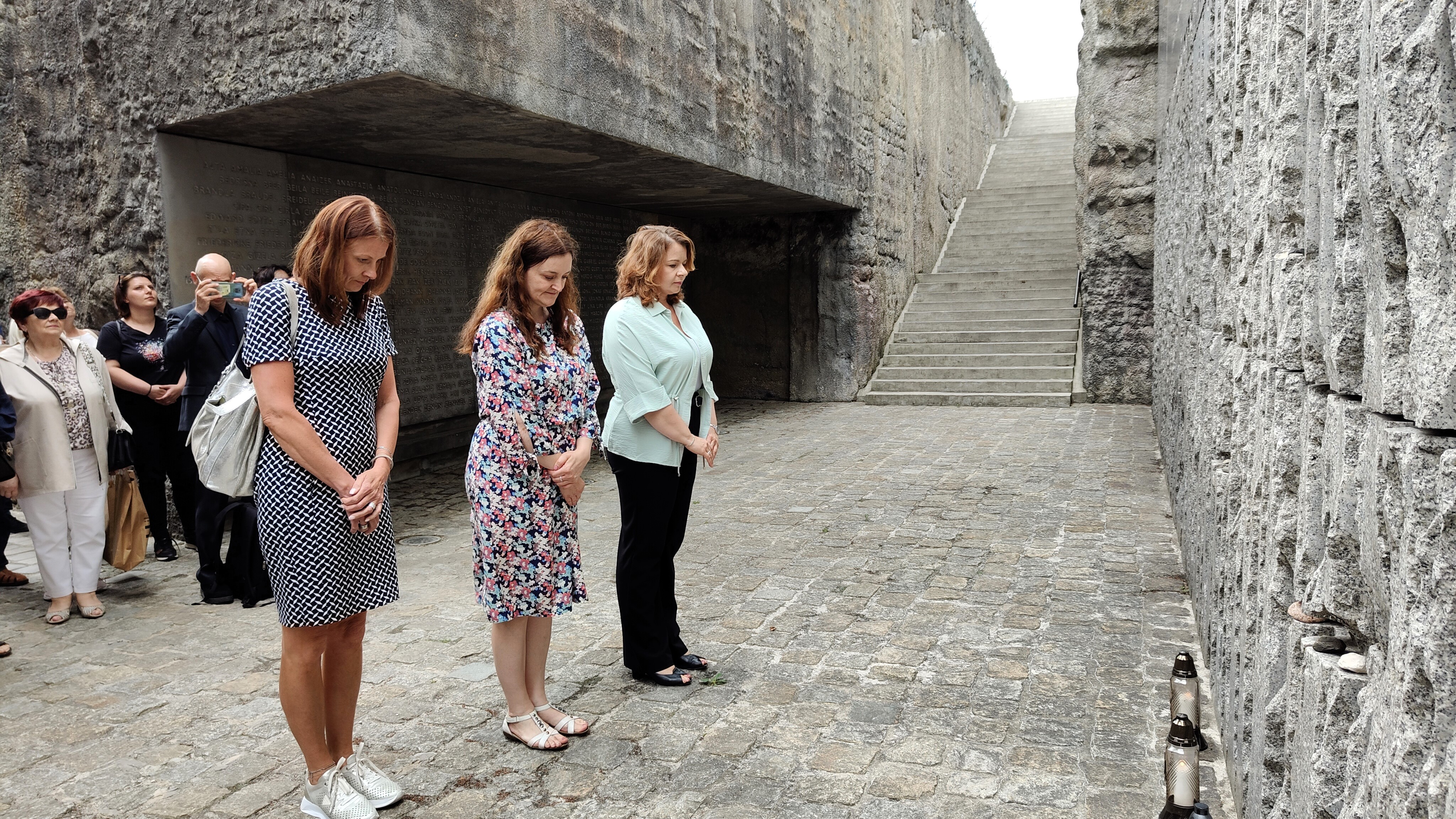
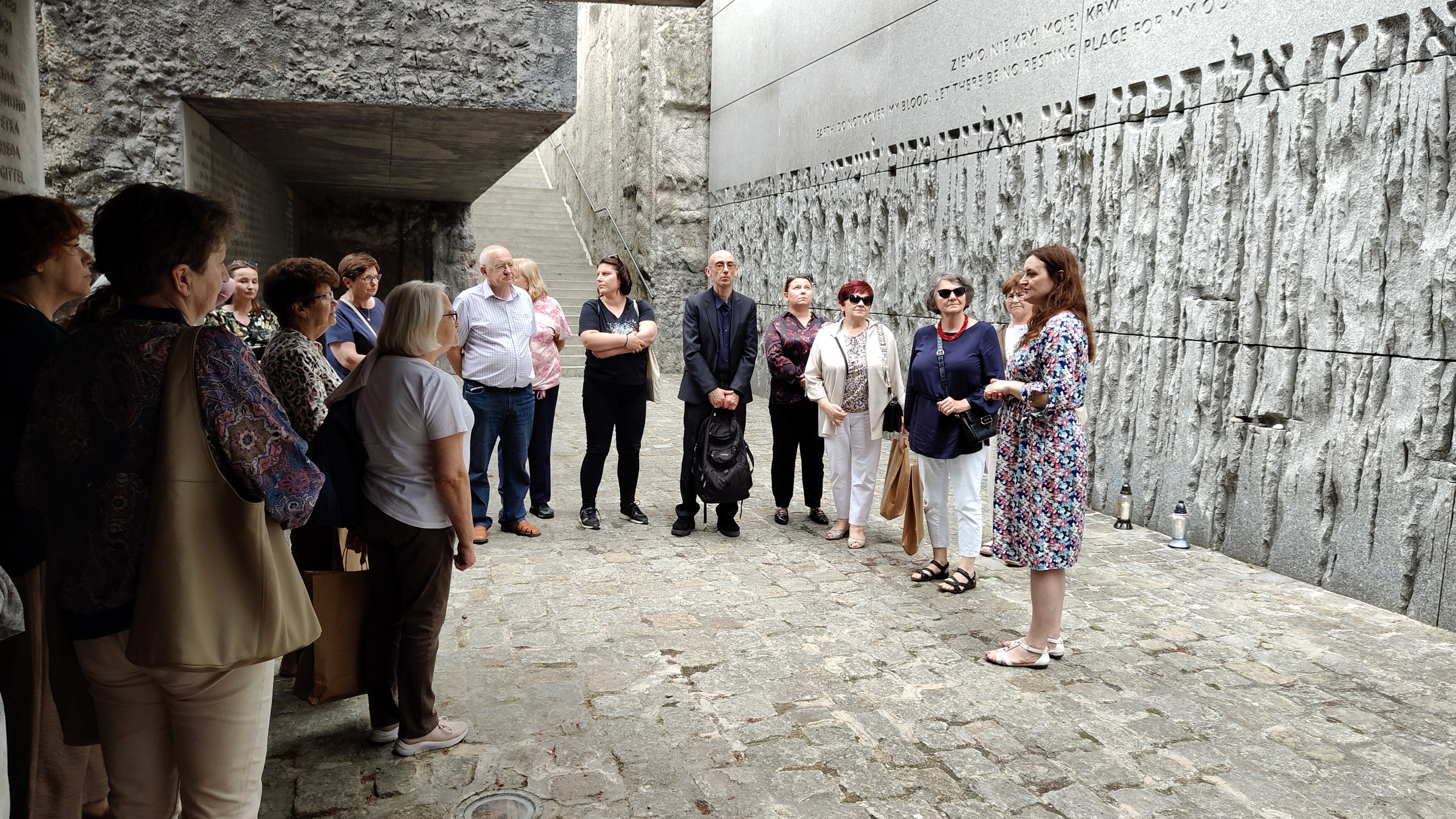
Following the academic sessions, participants gathered at the Ohel Niche to light candles and pay tribute to the victims of the German Nazi extermination camp in Bełżec. The day concluded with a guided tour of the former camp grounds, allowing participants to experience the solemnity and tragedy of the memorial site fully.