The Last Transport from Bełżec

The Last Transport from Bełżec
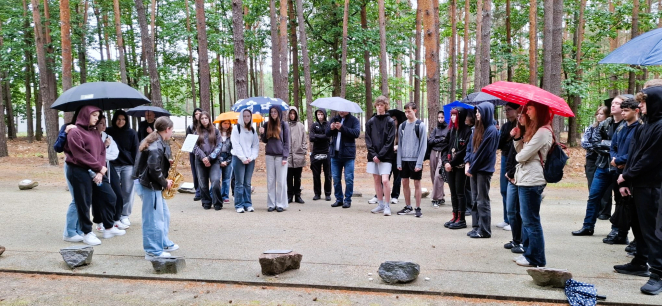
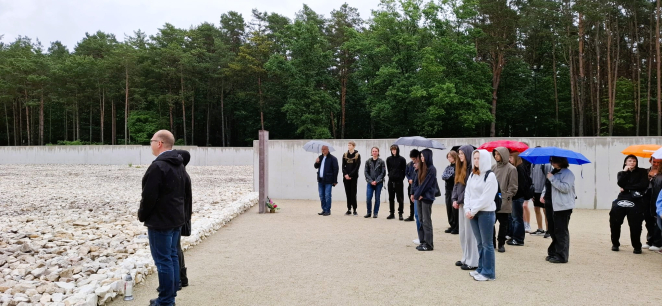
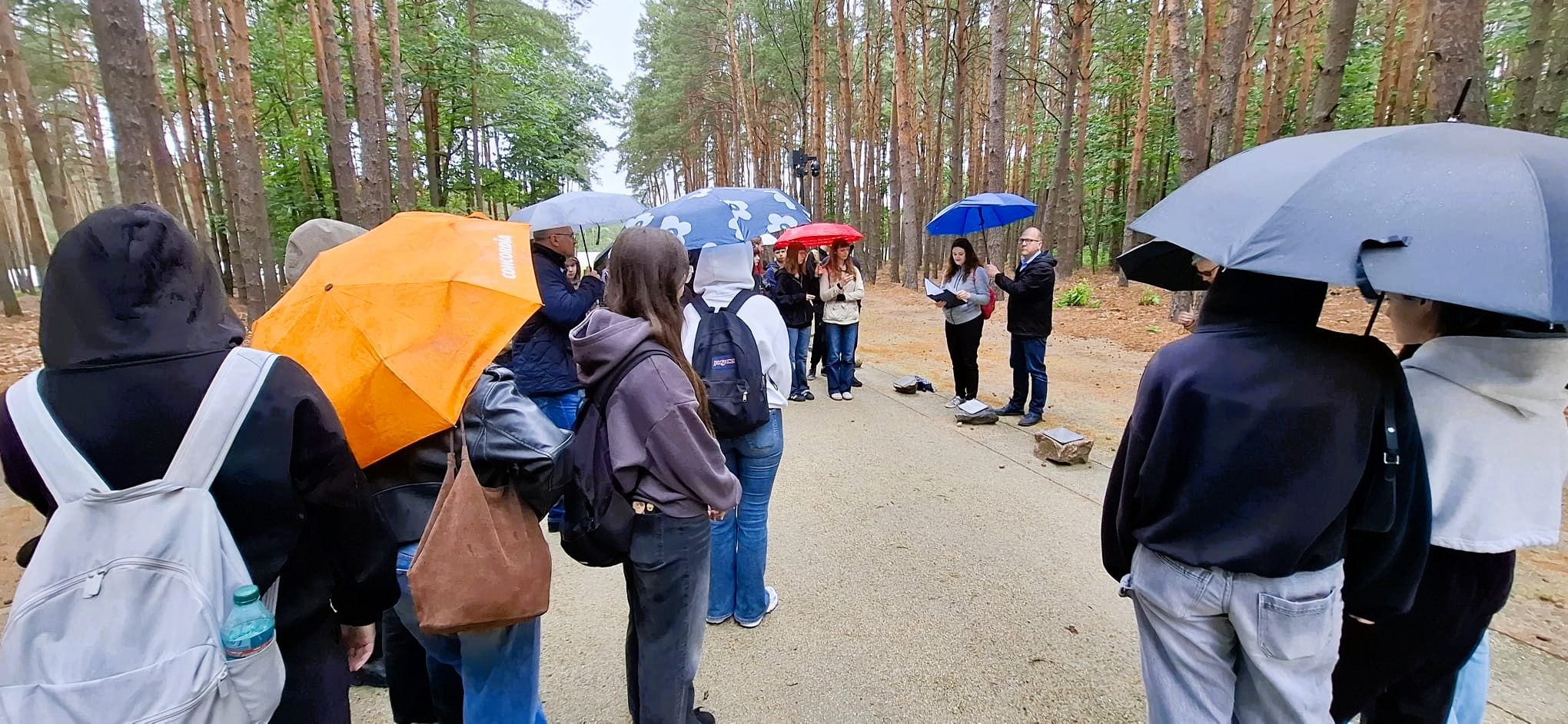
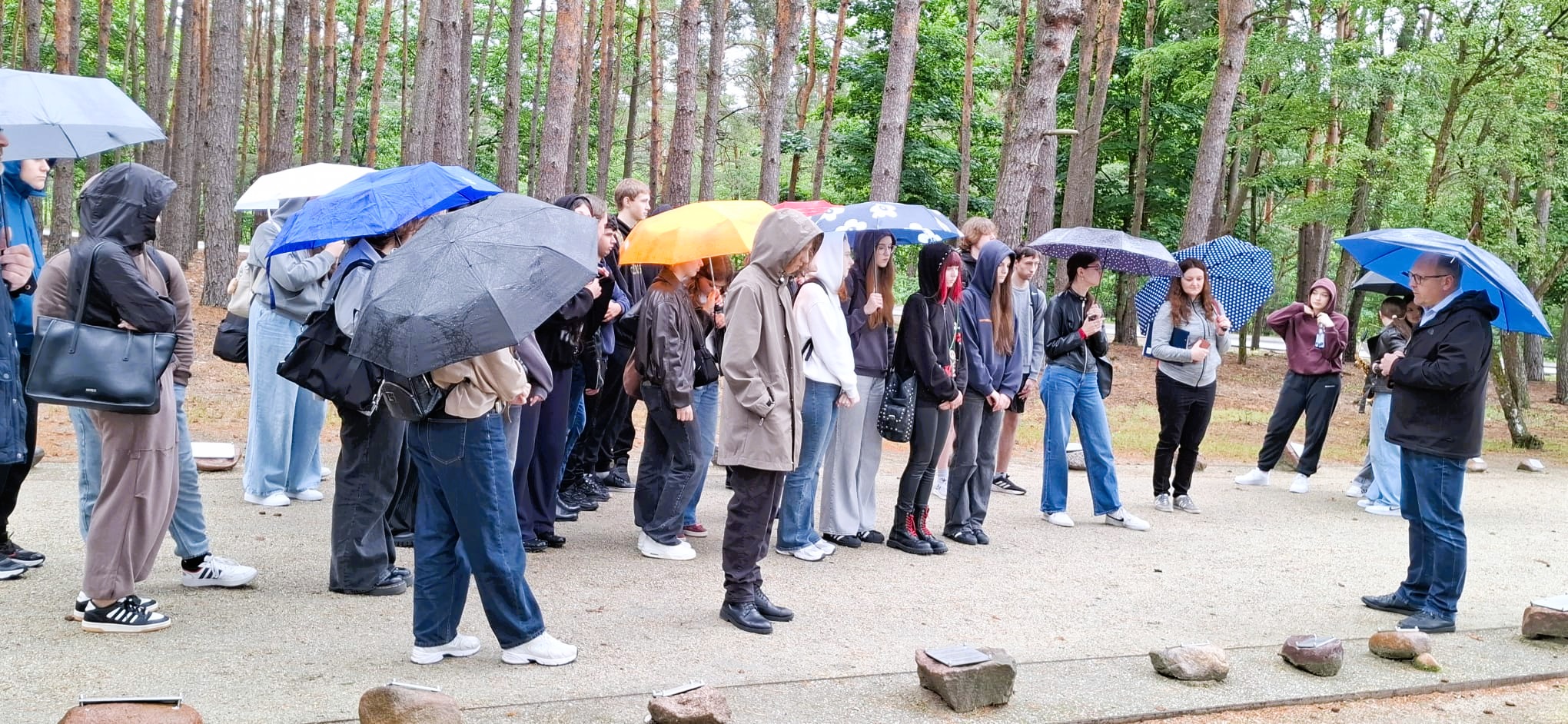
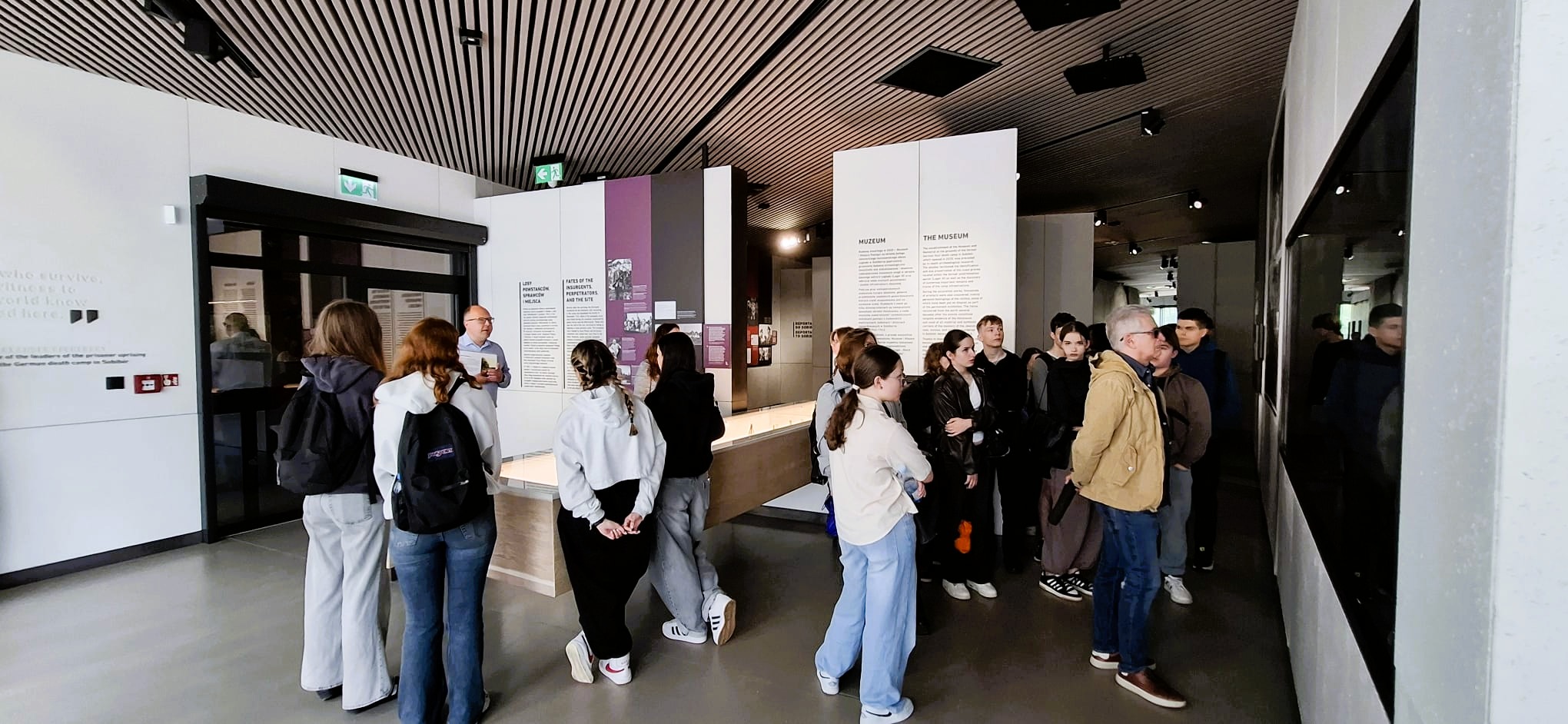
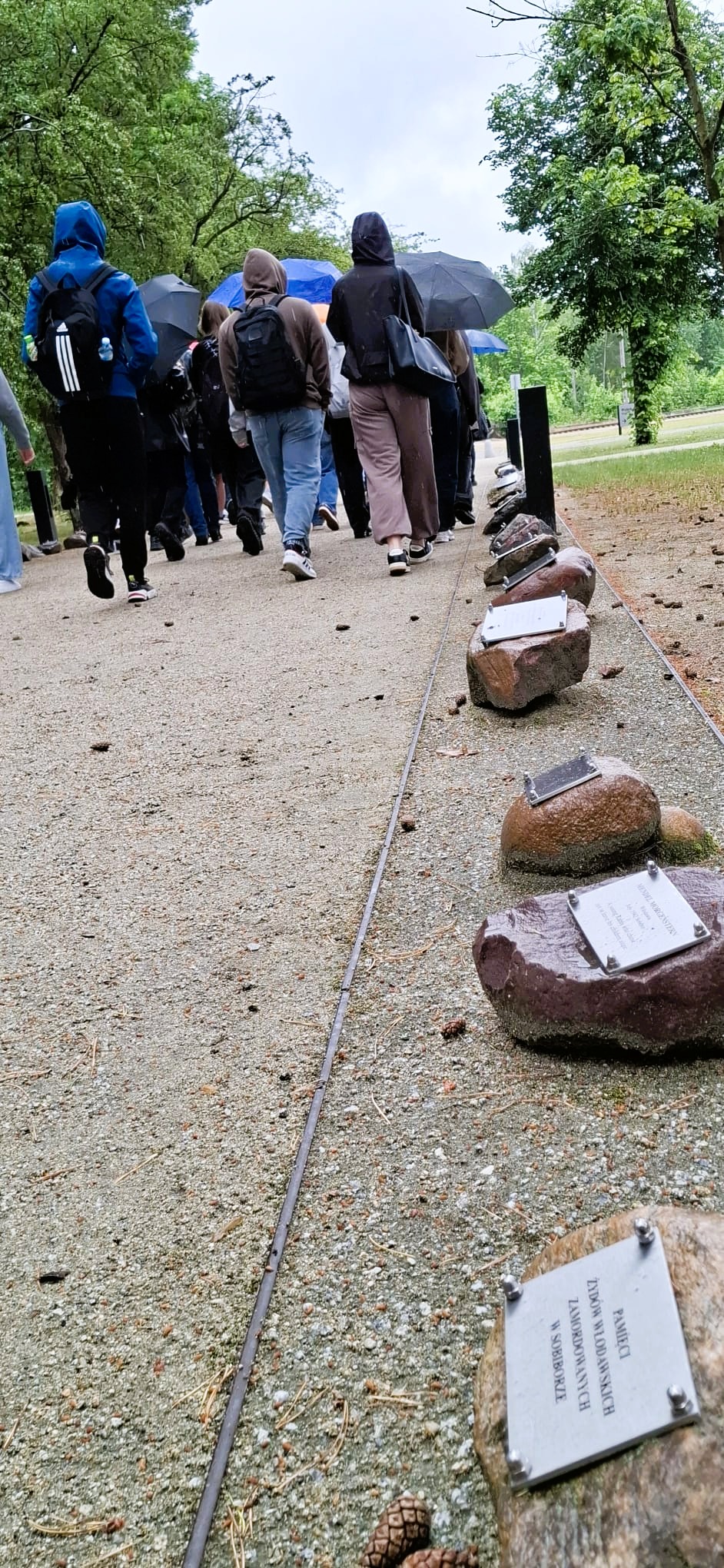
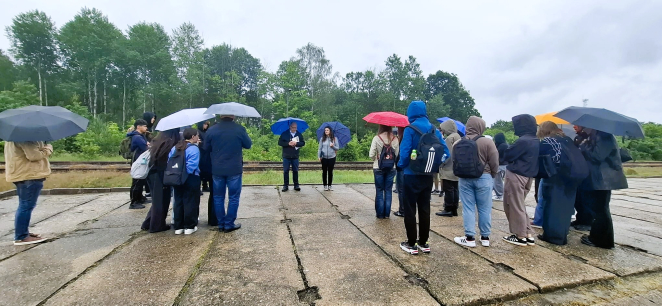
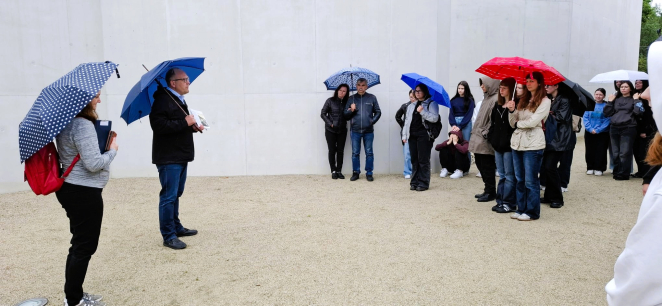
On Friday, 12 June 2026, staff members of the Bełżec Memorial and Museum and the Sobibór Museum, together with students and teachers from Włodawa and Zamość, commemorated the National Day of Remembrance for the Victims of German Nazi Concentration Camps and Death Camps. During the visit, the students and museum staff also paid tribute to the prisoners from Bełżec who were transported to their deaths in the German Nazi death camp at Sobibór in the final transport.

June 14: National Day of Remembrance for the Victims of German Nazi Concentration Camps and Extermination Camps
This day was established in 2006 by the Polish Parliament to pay tribute to all victims of the German Nazi concentration and extermination camps that operated during the Second World War. The date is significant, as it commemorates the events of 14 June 1940, when the first mass transport of prisoners was deported from the prison in Tarnów to the German Nazi concentration camp Auschwitz. Among the 728 Polish prisoners were mainly soldiers of the September Campaign, members of underground independence organisations, university students, and secondary school pupils.

Prisoners from Bełżec

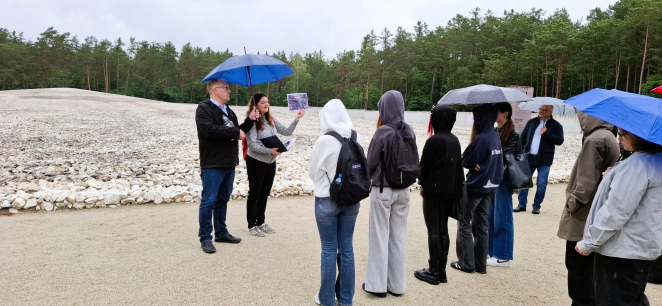
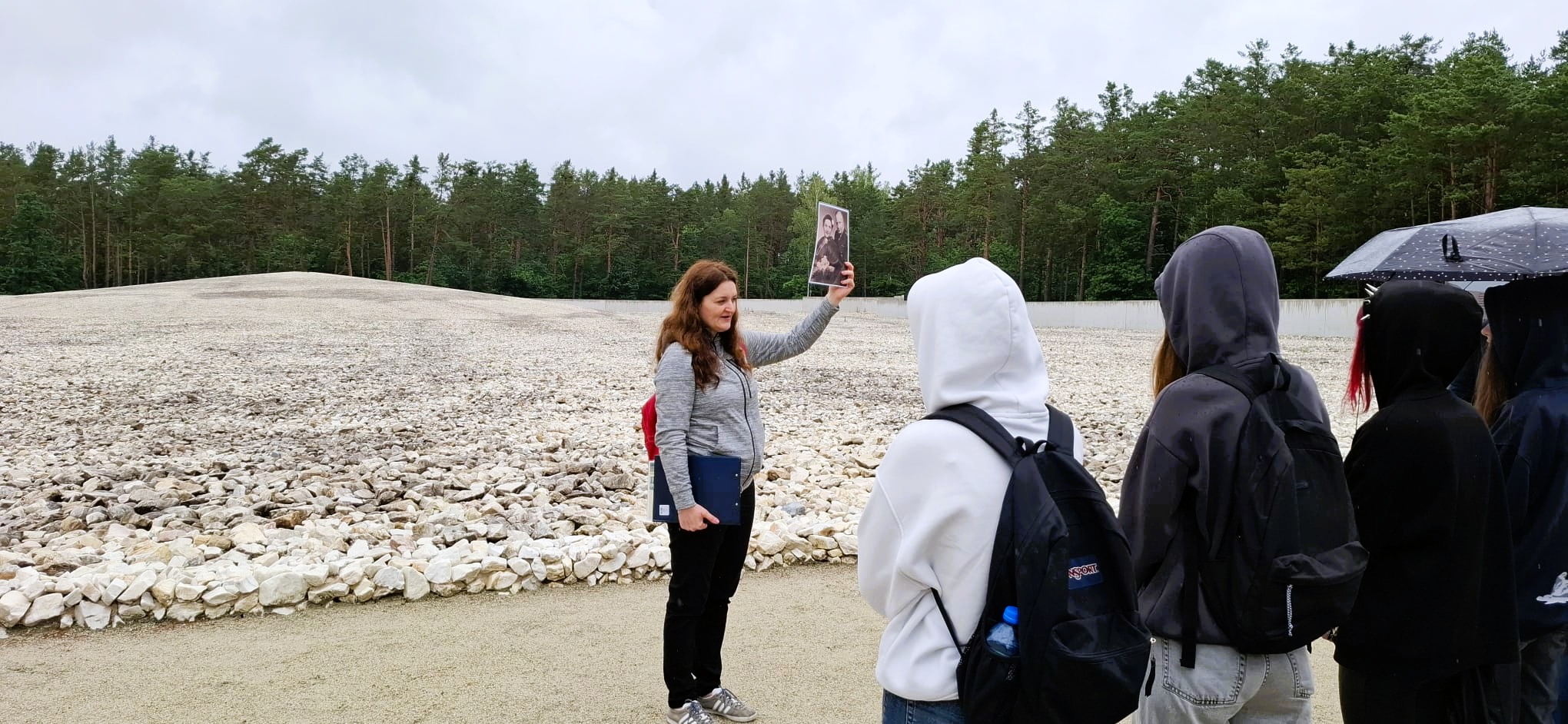
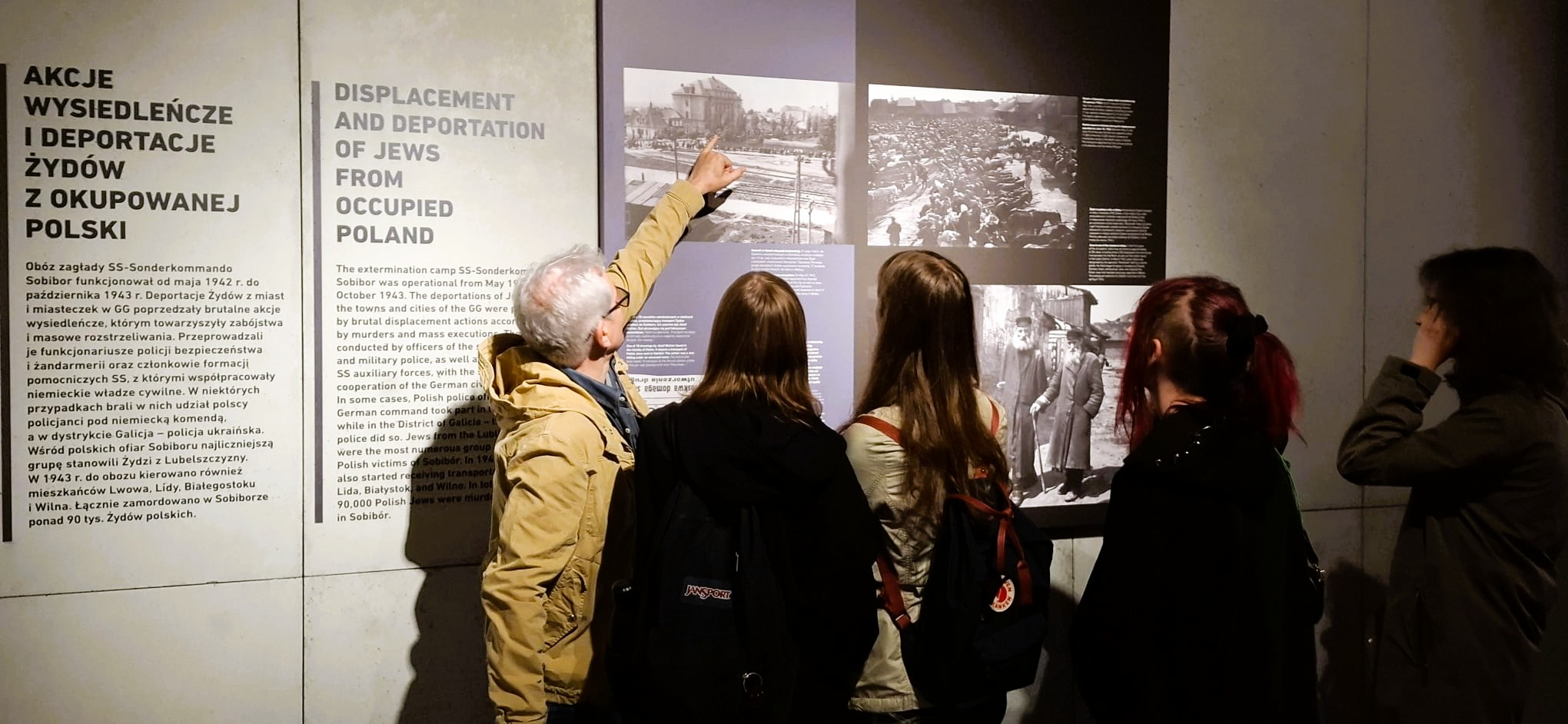
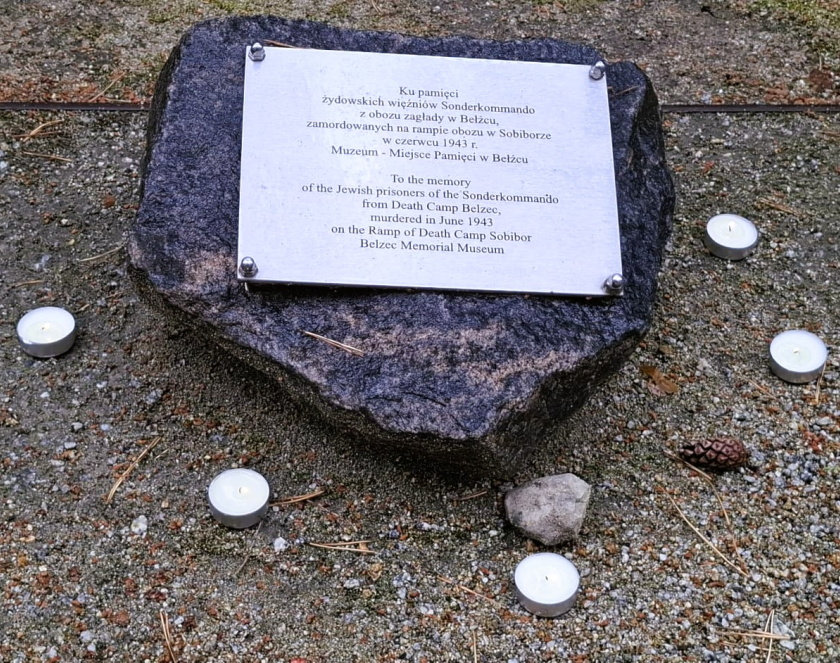
During the guided tour, the students learned about the fate of the prisoners at the Bełżec death camp, including Chaim Hirszman. On 26 June 1943, a transport carrying the last 300 prisoner-labourers from the liquidated Bełżec camp arrived at Sobibór. When the train stopped at the camp ramp, the transported prisoners attempted to resist, but the SS men responded with brutal force, shooting the entire group immediately after they left the railcars. While searching the clothing of the murdered Jews, prisoners of Sobibór discovered scraps of paper from which they learned about the liquidation of the death camp at Bełżec.

The story of Thomas (Tomasz) Blatt was also a main theme of Friday’s educational tour with the students. Blatt, a survivor of the Sobibór death camp, described the contents of notes left by Jews from Bełżec in his memoirs:

“We worked in Bełżec for a year. We do not know where they are taking us. They say it is to Germany. There are tables for eating in the railcars. We were given bread for three days and vodka. If this is a lie, you should know that death awaits you as well. Do not trust the Germans. Avenge us.”

These words were among the most important factors that contributed to the outbreak of the armed revolt and the escape of nearly 300 prisoners from the Sobibór extermination camp on 14 October 1943.

We Remember

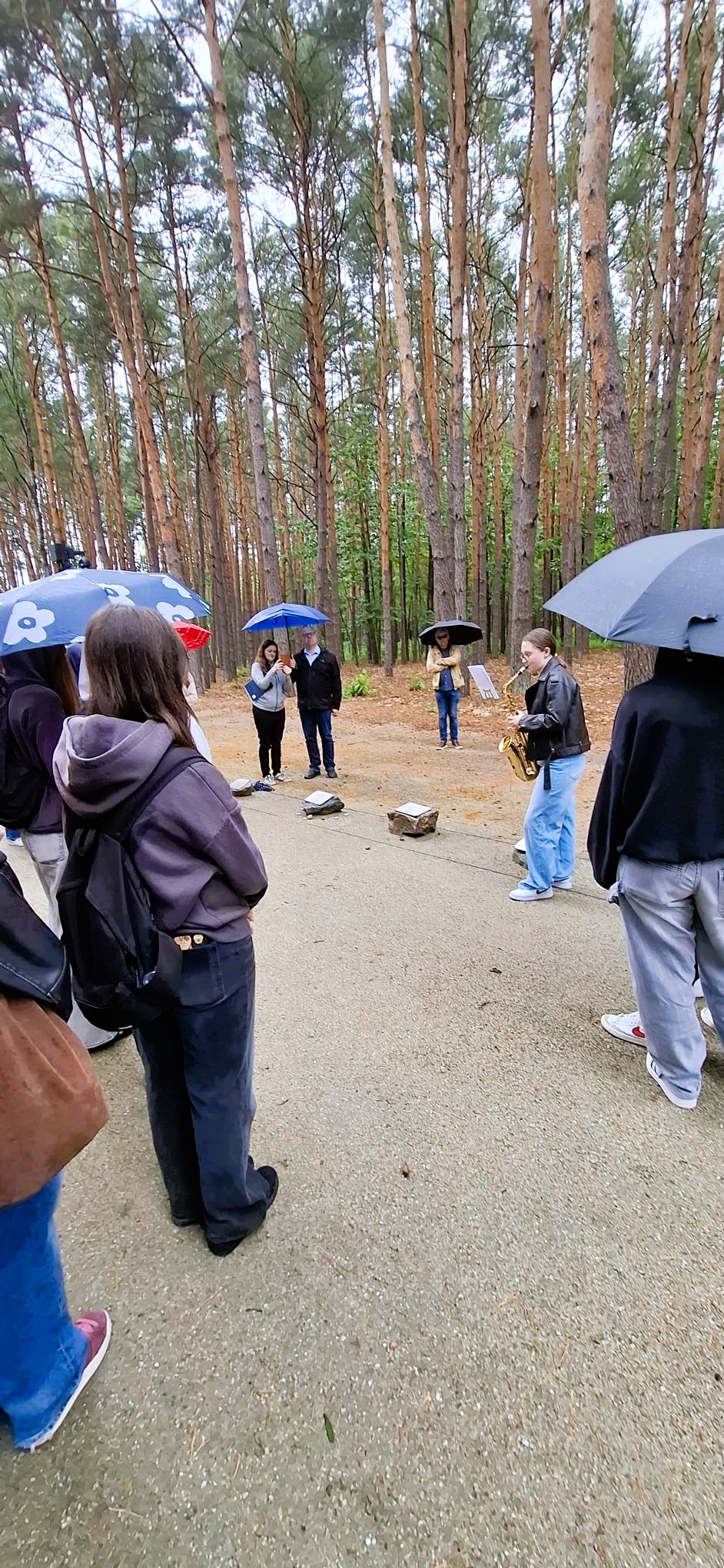
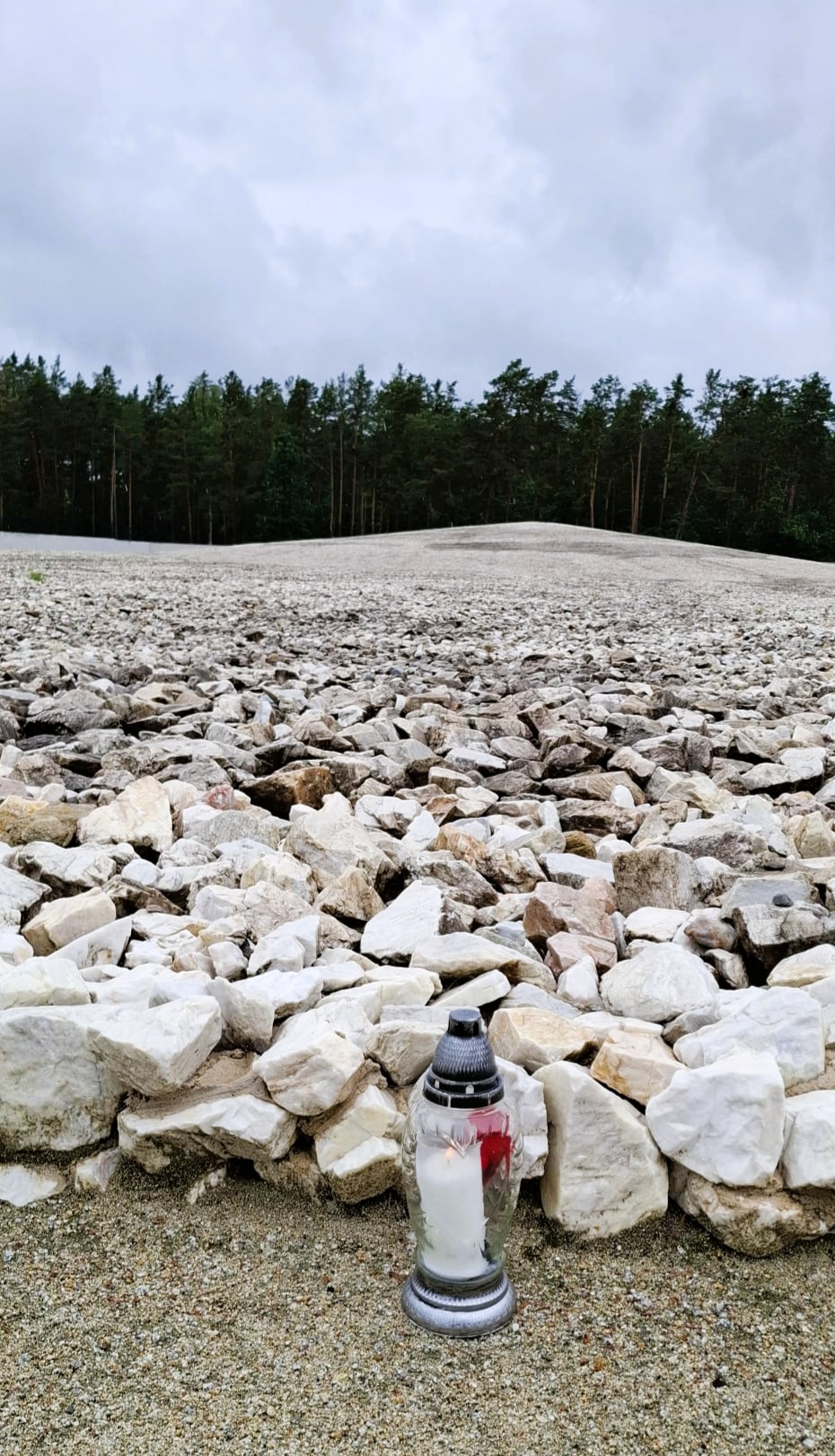
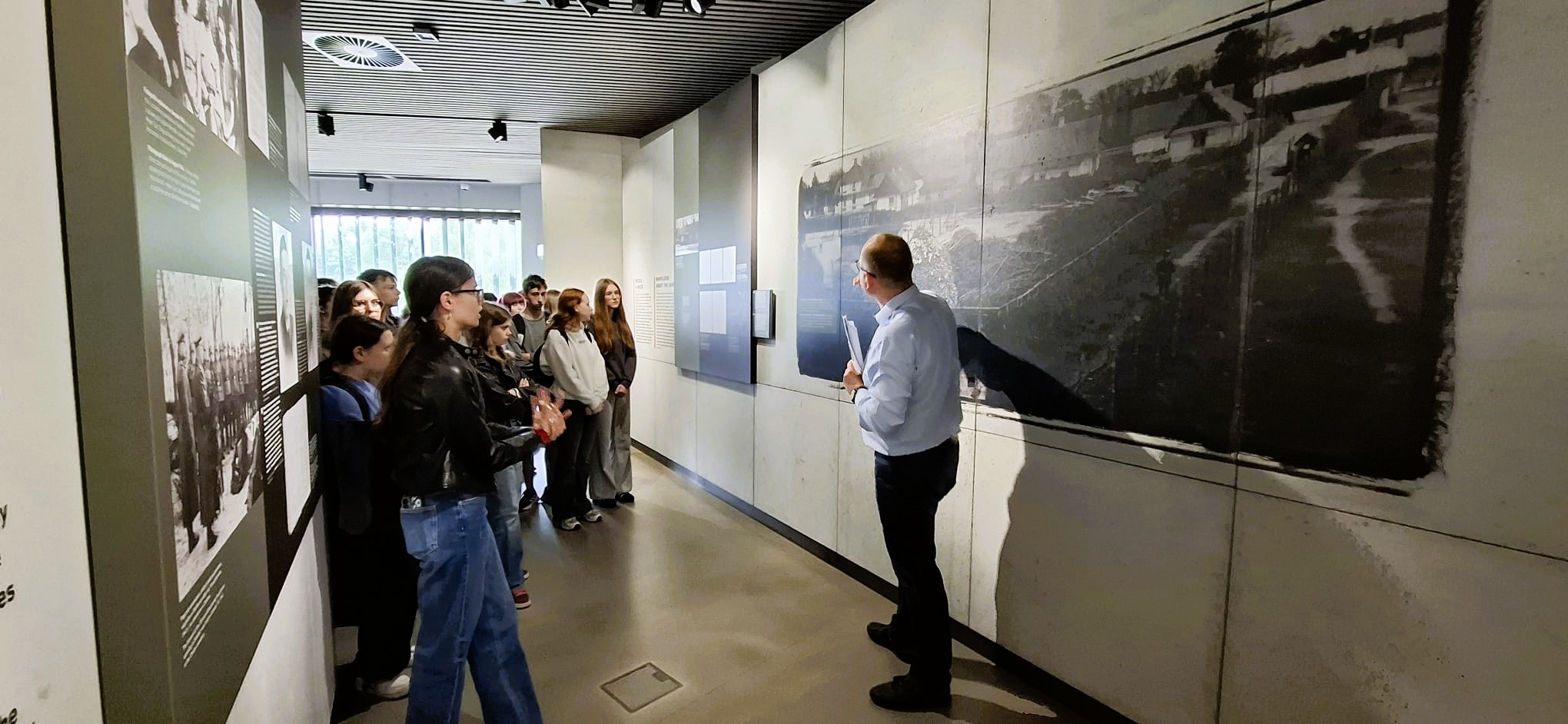
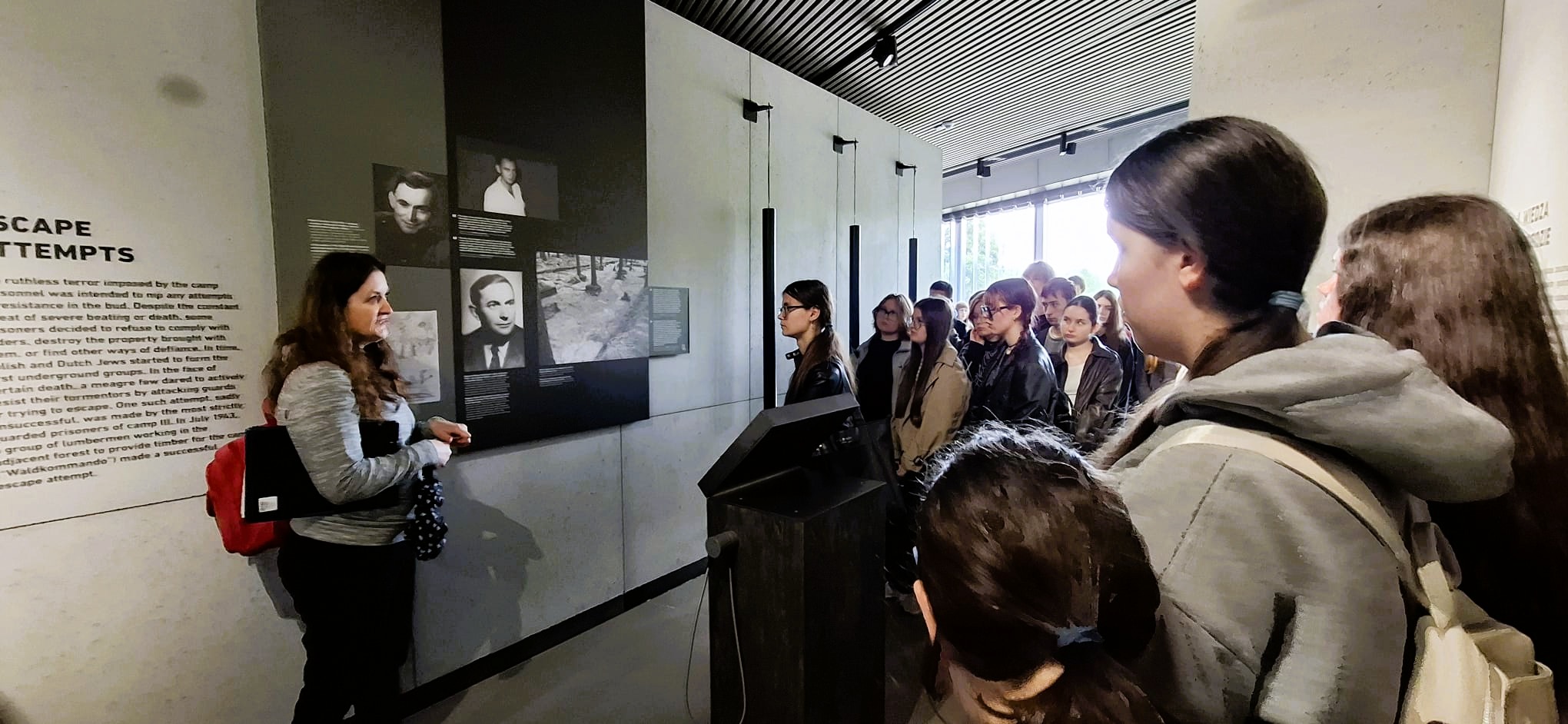
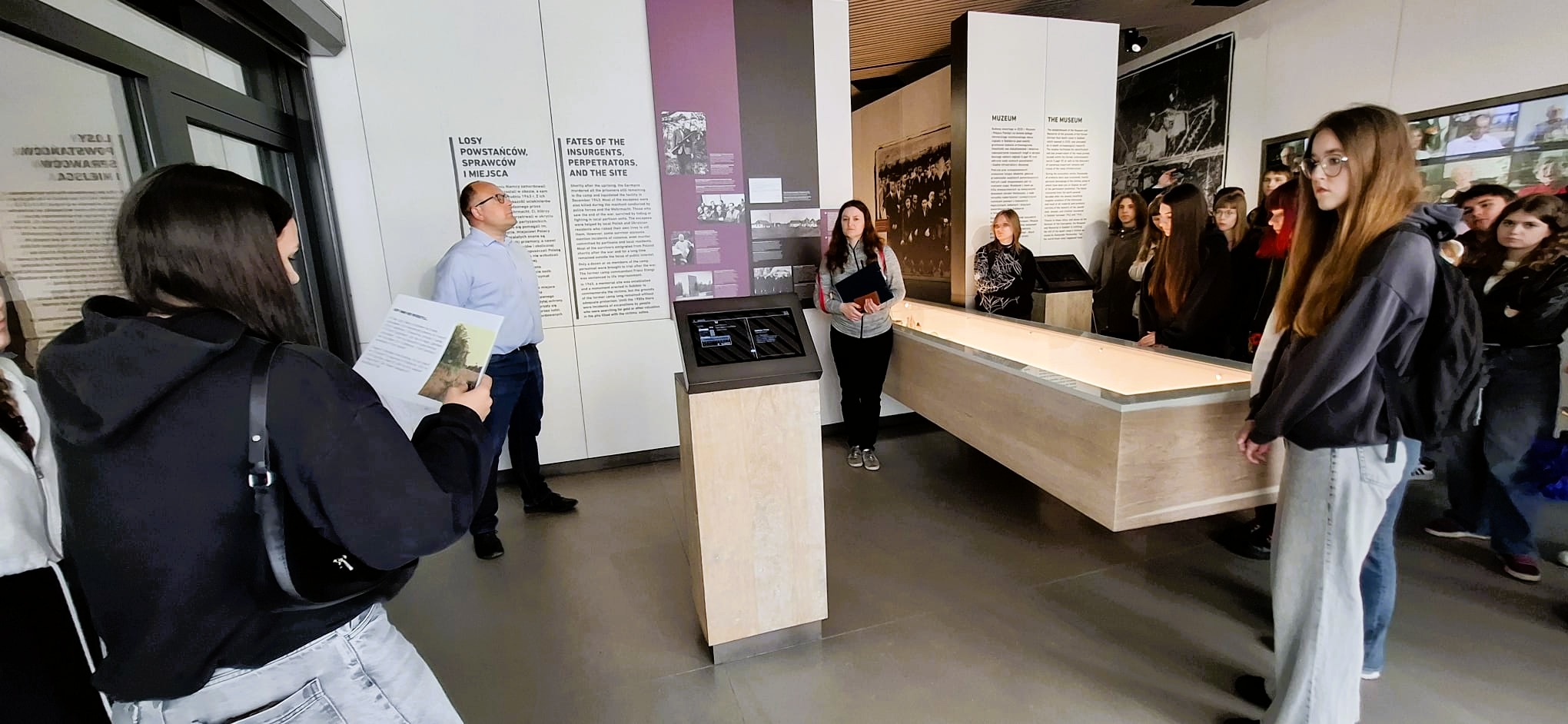
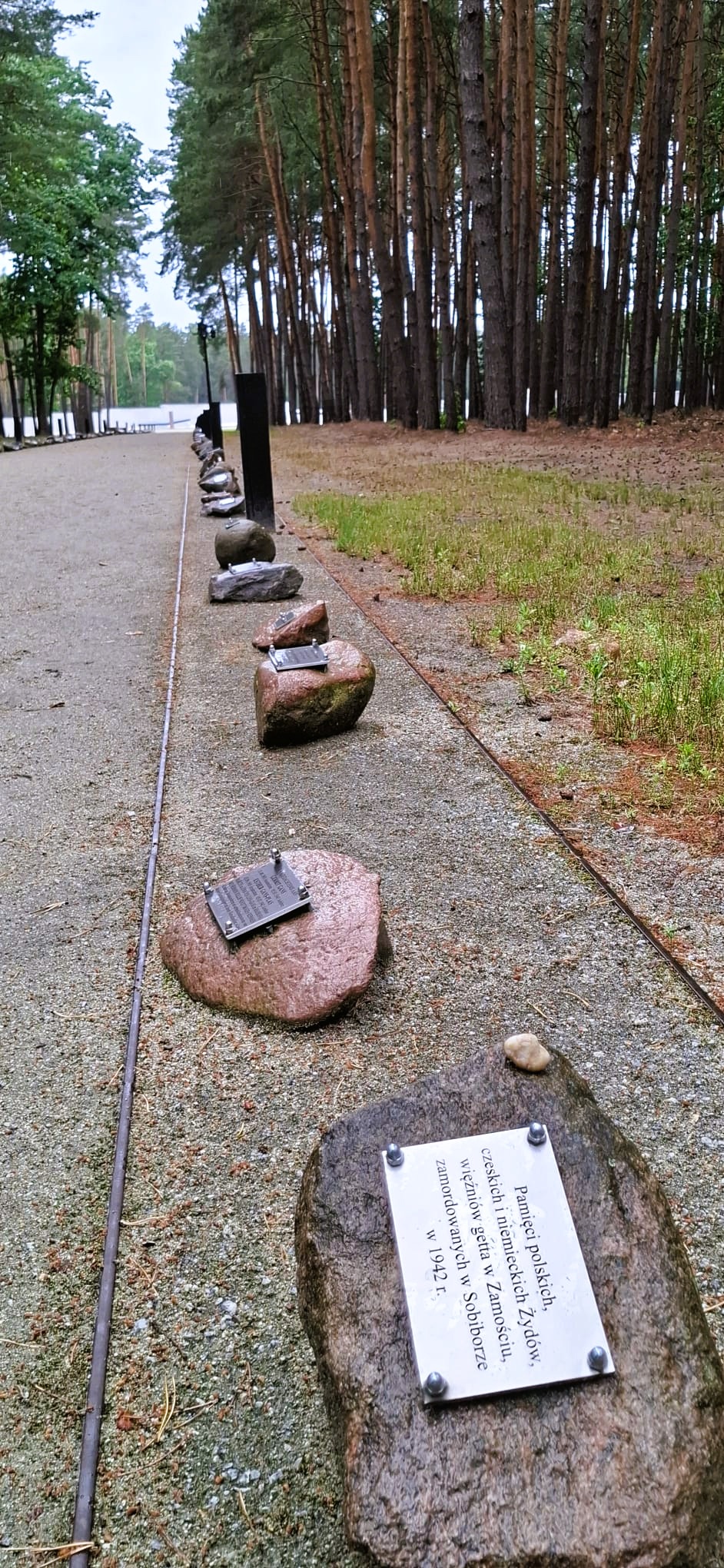
During the educational walk, the students read excerpts from the testimonies of prisoners from the death camps. At the burial clearing and by the memorial stones, candles were lit in remembrance of all victims of the Holocaust, and the stories of the Jewish communities of Włodawa and Zamość were recalled. At the end of the visit, the students anonymously shared their reflections:

“After today’s visit, I realised the scale of the loss and the number of victims. The photographs of the places and people – the victims – filled me with compassion and sorrow. All the stories I heard and read today gave me chills".

"Visiting a place like this made us truly aware of the number of victims and the brutality of the camps. We are grateful for the opportunity to learn about the history of the war and the cruelty that prevailed during it. The realities of those times deeply affected us. It is hard to believe that such inhuman acts could have taken place. Museums like this and the continued search for traces of the past are essential for educating society about the tragedy that occurred".

"After today’s visit, we realised the scale of the tragedy that took place. The objects on display, together with the photographs, helped us see each victim as an individual whose life was brutally cut short. The visit was a valuable experience. Everyone should visit this place".

We would like to thank the students and teachers for their participation in the event, and the Bildungswerk Stanisław Hantz e.V. Foundation for their support.