The Pacification of Lubycza Królewska and the Surrounding Villages

The 84th Anniversary of the Tragedy of 4 October 1942

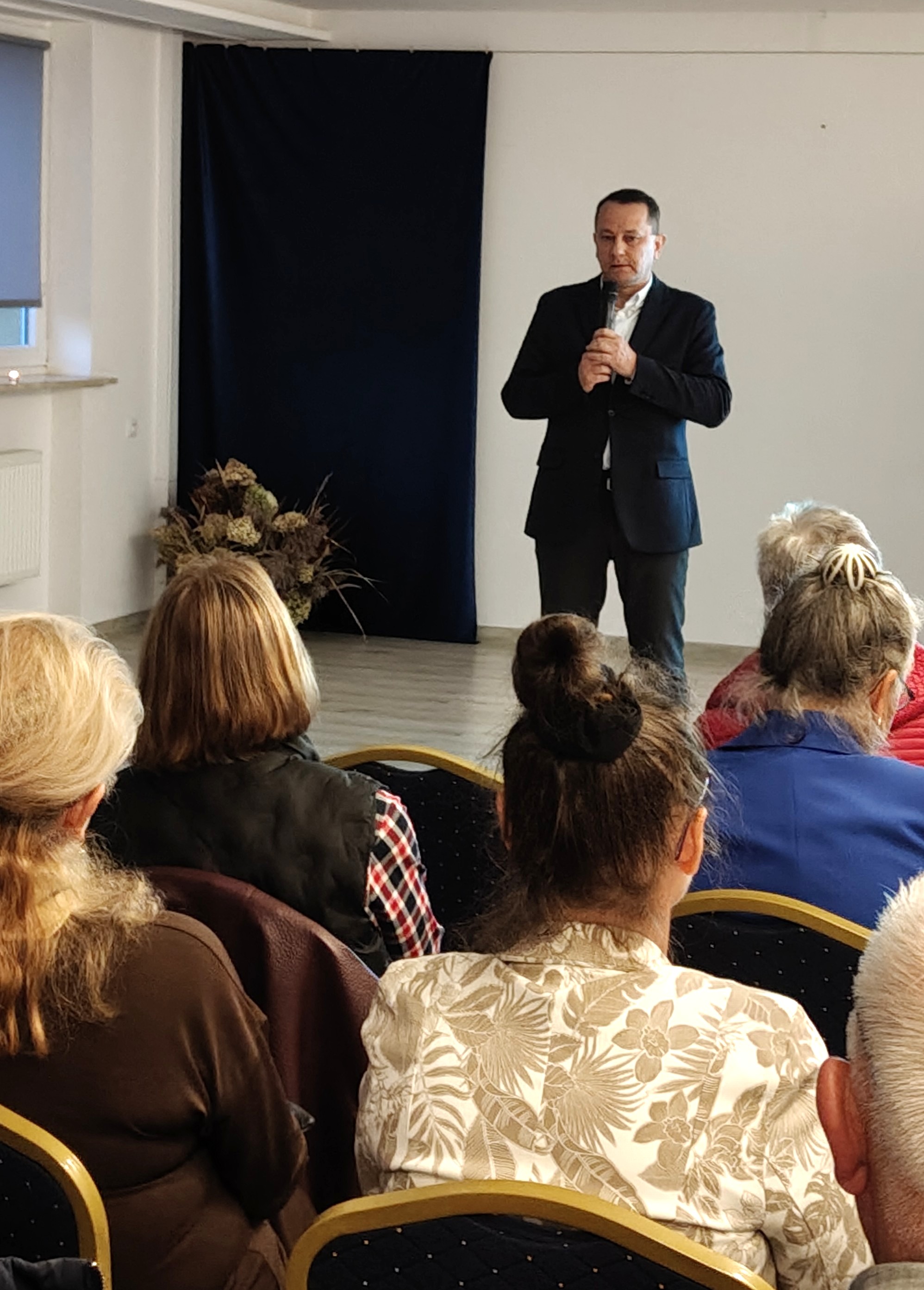
A man in a dark jacket speaks into a microphone during the event. Behind him is a screen displaying a slide entitled “Szalenik”, while a video camera recording the event is visible in the foreground.

On 4 October, a commemorative meeting dedicated to the tragedy of the inhabitants of Żyłka, Lubycza Królewska, Kniazie and Szalenik was held at the Centre for Culture, Sport and Tourism in Lubycza Królewska. The event was organised to mark the 84th anniversary of these events.

Close-up of an open booklet. The right-hand page contains text entitled “The Pacification of Three Nations” and a black-and-white photograph of a man in uniform.

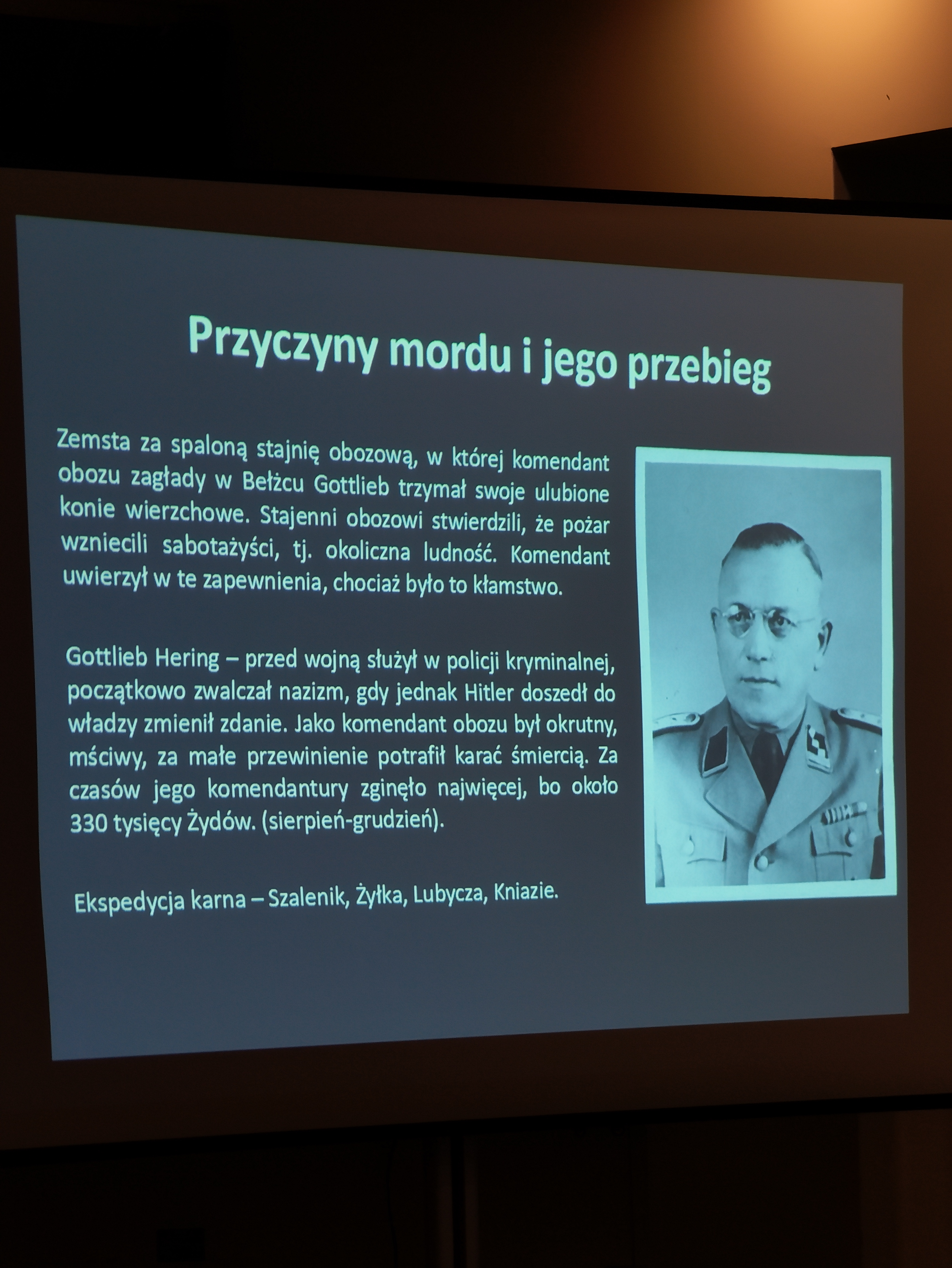
The central part of the meeting was a lecture by Dr hab. Mariusz Koper of the Department of Polish Language at the John Paul II Catholic University of Lublin (KUL), who presented new findings concerning the circumstances surrounding the deaths of local residents murdered during the retaliatory action. He also provided the historical background to the crime: it was an act of revenge for a fire in the stable where Hering kept his favourite riding horses. The fire, most likely caused by the negligence of camp guards, was used as a pretext to blame the local population and carry out the pacification.

A particularly moving part of the lecture consisted of eyewitness testimonies, which enriched the presentation and provided a deeper understanding of the tragedy experienced by the local population. They made Dr hab. Mariusz Koper’s lecture not only highly informative, but also deeply moving, encouraging reflection on the fate of the victims of this crime.

A man in a dark jacket stands with a microphone in front of a screen during a lecture. A presentation slide entitled “Introduction” is displayed behind him.
A black-and-white photograph showing a group of people carrying large bundles among damaged buildings. The words “Aktion Reinhardt” appear in the upper left corner, with the Warsaw Ghetto Museum logo below.

The participants then watched the documentary Aktion Reinhardt: As If We Had Never Existed, directed by Michał Szymanowicz. Its title resonates in a particular way with the history of Lubycza and many other towns and villages, reflecting one of the most horrifying aspects of the Holocaust: the Nazi German attempt not only to physically annihilate the Jews, but also to erase all traces of their presence, culture, traditions and memory. The entire Jewish world that had helped shape the local community for generations was intended to disappear as if it had never existed.

At the conclusion of the meeting, participants received commemorative copies of the booklet The Tragedy of 4 October 1942 (second, revised edition), authored by Dr hab. Mariusz Koper.

The meeting was an important lesson in history and remembrance—a reminder of the victims whose fate must not be forgotten, and of the need to continue uncovering and documenting the truth about events that have become an indelible part of the history of Lubycza Królewska and the surrounding area.

 
A black booklet entitled The Tragedy of 4 October 1942 held in a hand. Its cover features three black-and-white photographs related to Lubycza Królewska and the commemoration of the victims.
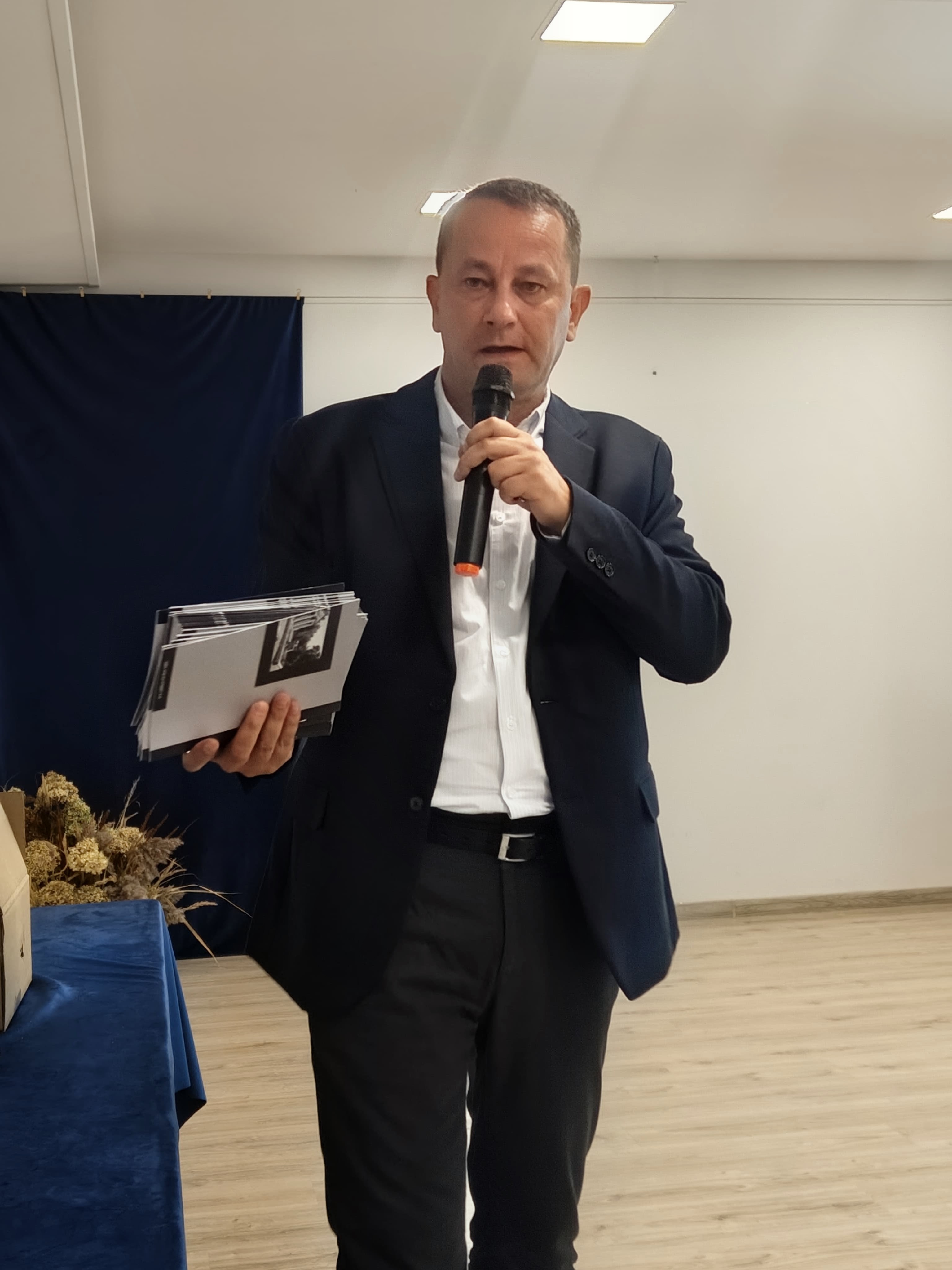
  • A man in a dark suit speaks into a microphone while holding a stack of commemorative booklets in his other hand.
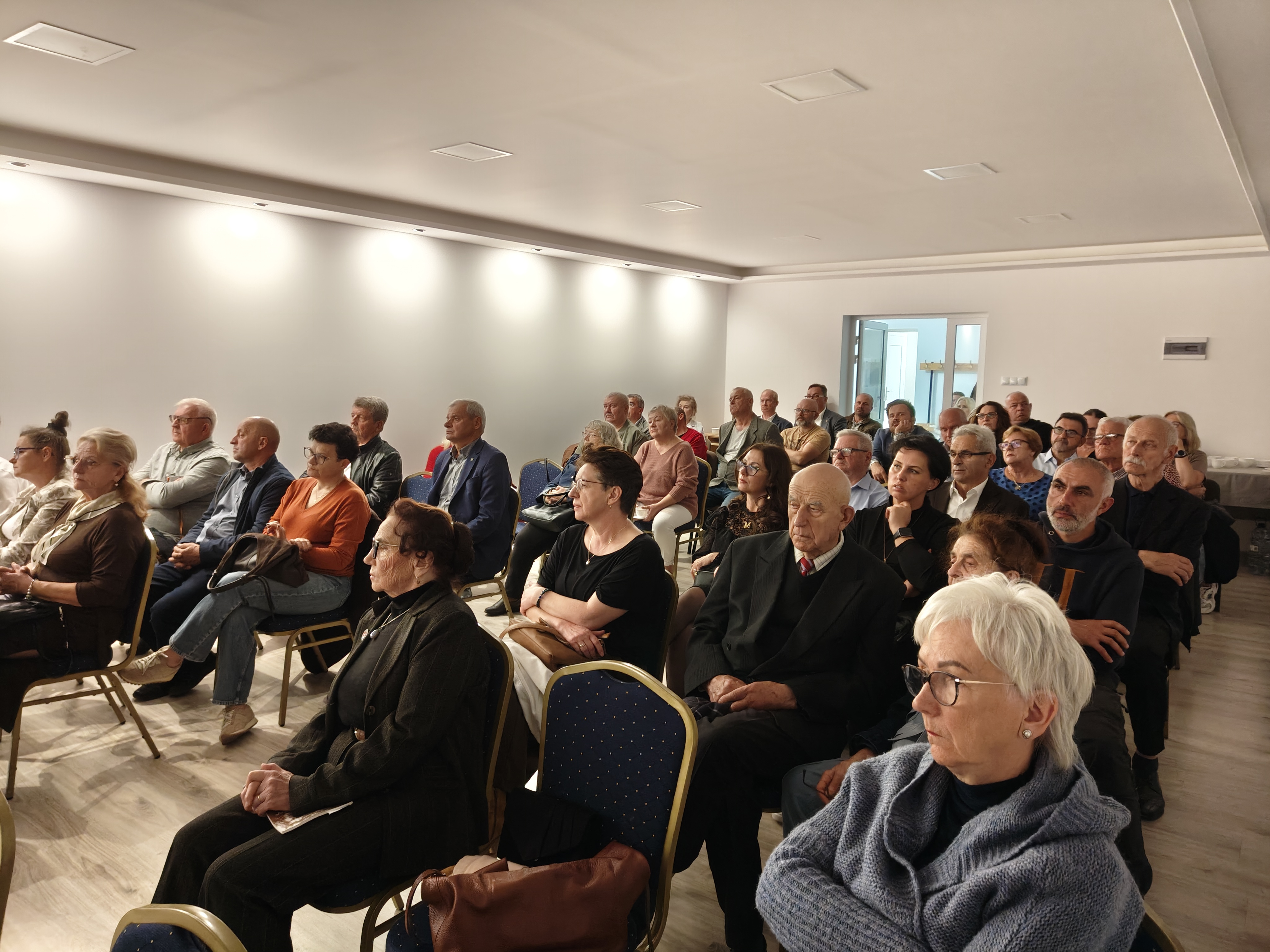
  • Participants seated in several rows of chairs, listening to a presentation taking place outside the frame.
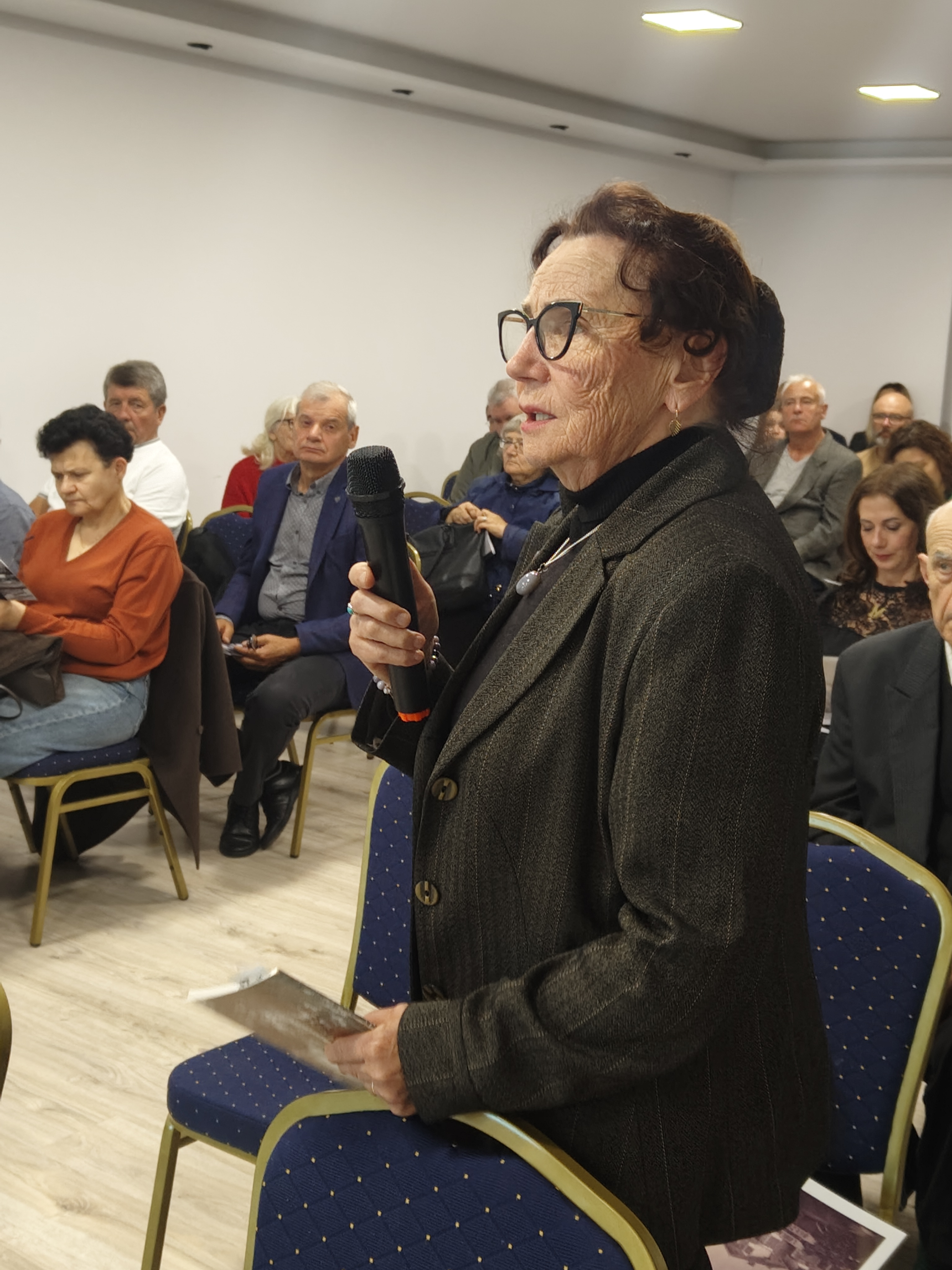
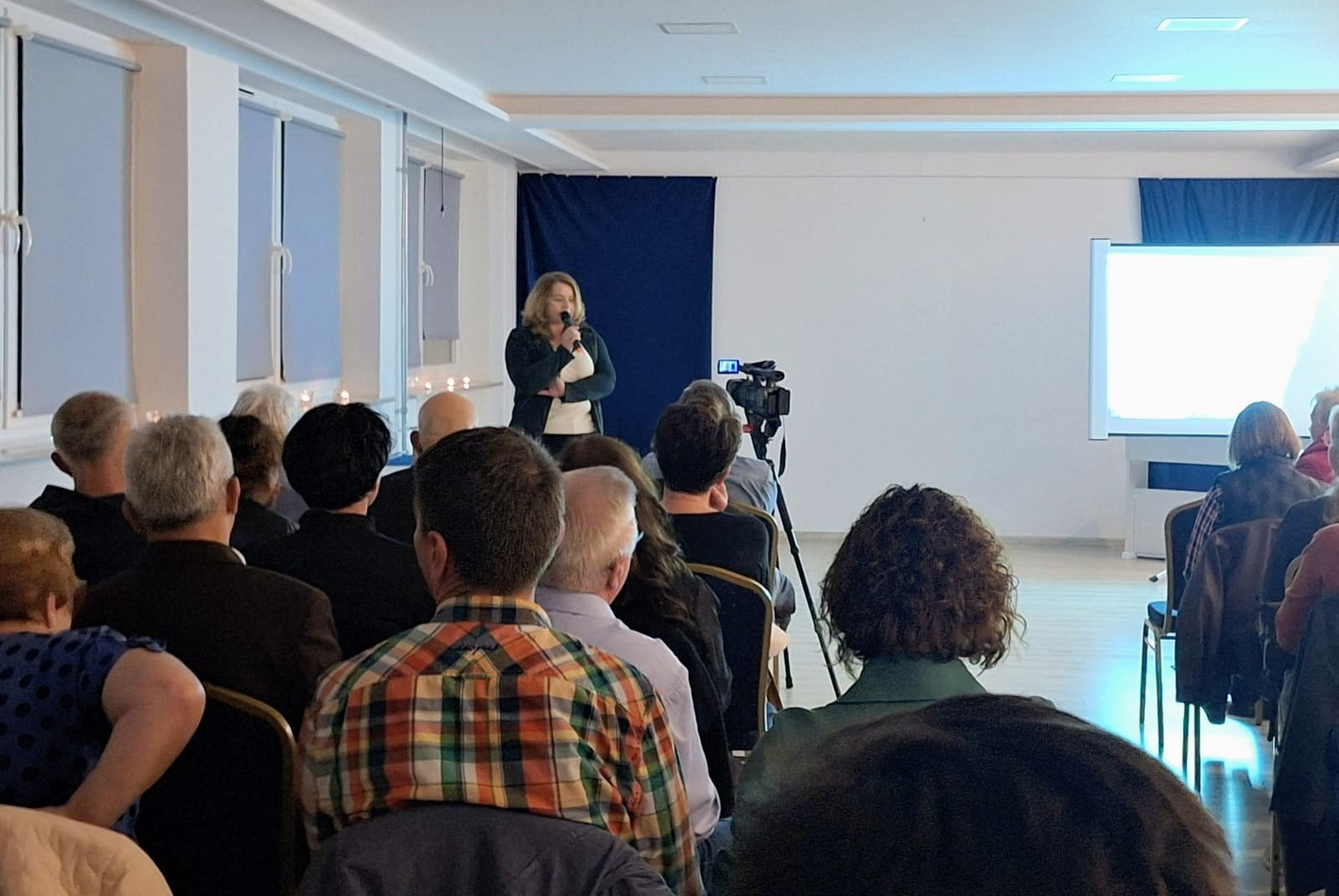
  • An older woman wearing glasses stands among the participants and speaks into a microphone while holding a booklet in her other hand. Seated audience members are visible in the background.
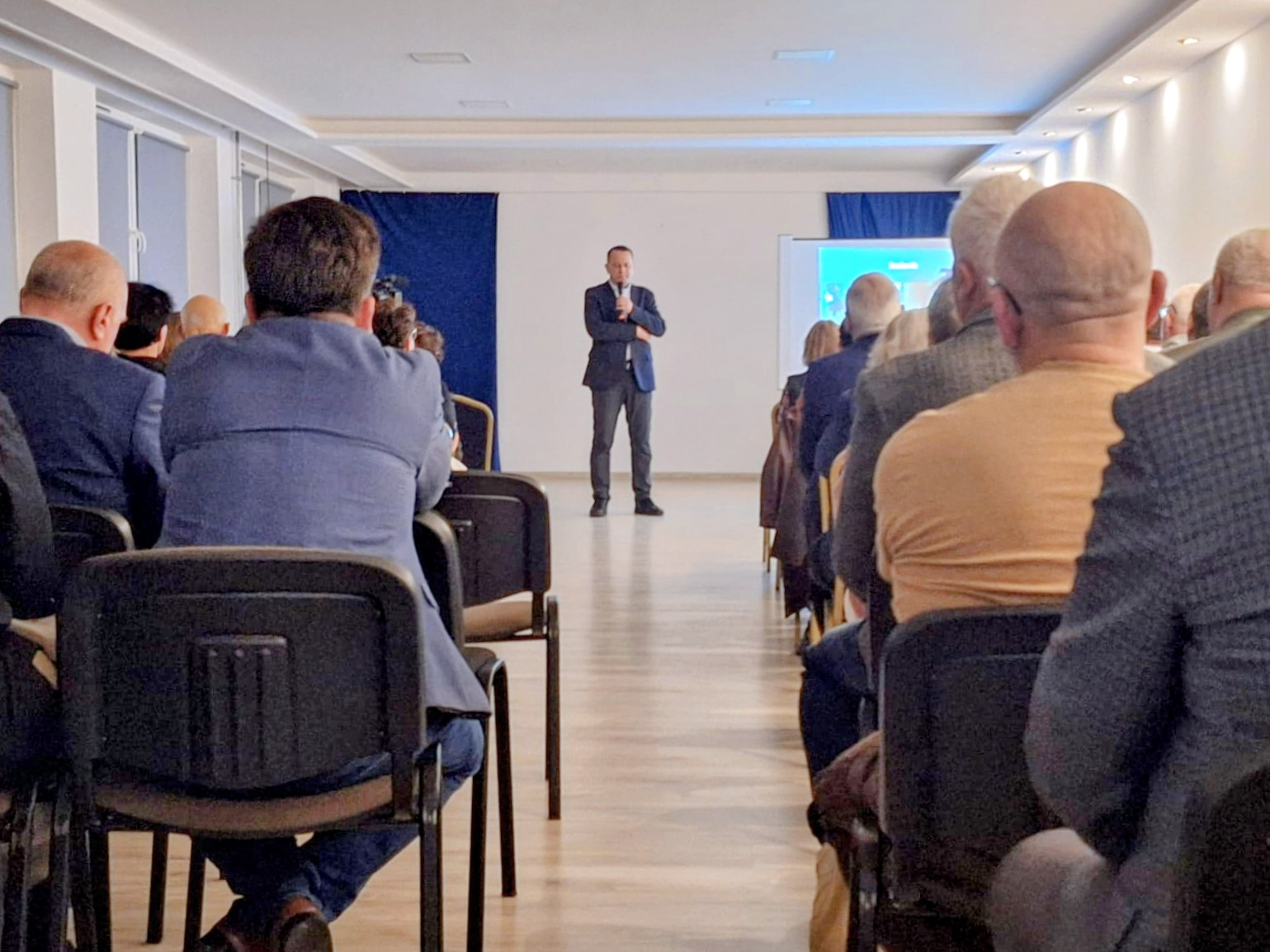
  • View from the back of the room showing participants seated in rows of chairs. A man with a microphone delivers a lecture in front of the audience, with a presentation displayed on a screen behind him.
  • A presentation slide entitled “The Causes and Course of the Massacre”, containing information about the circumstances of the pacification and a black-and-white photograph of Gottlieb Hering.
  • A man in a dark suit speaks into a microphone in front of the seated audience. Participants facing the speaker are visible in the foreground.
  • A woman speaks into a microphone in front of the gathered audience. Participants are seated in rows of chairs, with a video camera recording the event beside the speaker.
  • A group of participants seated in rows of chairs, attentively listening to a presentation taking place outside the frame.