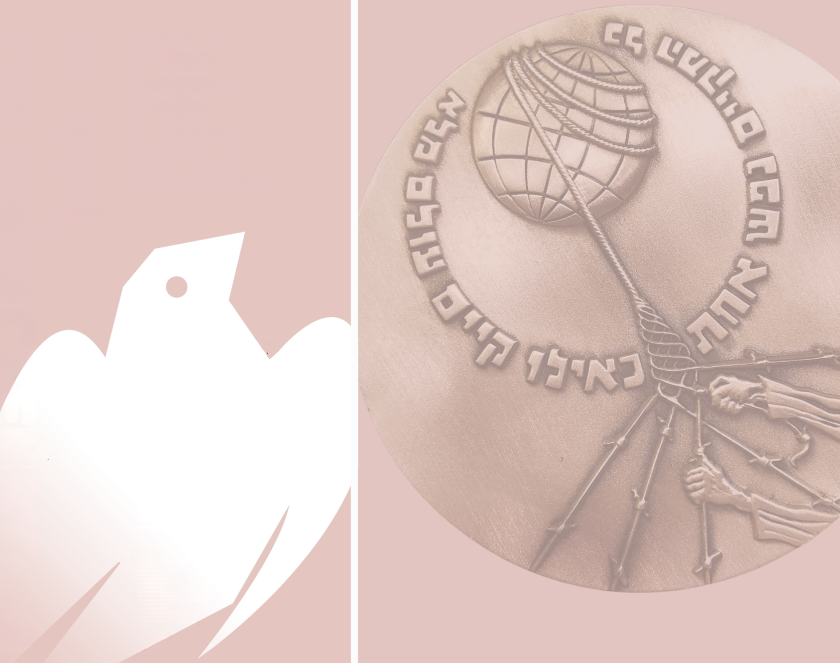
In the Name of Humanity

Poles Saving Jews During the German Occupation

In the Name of Humanity
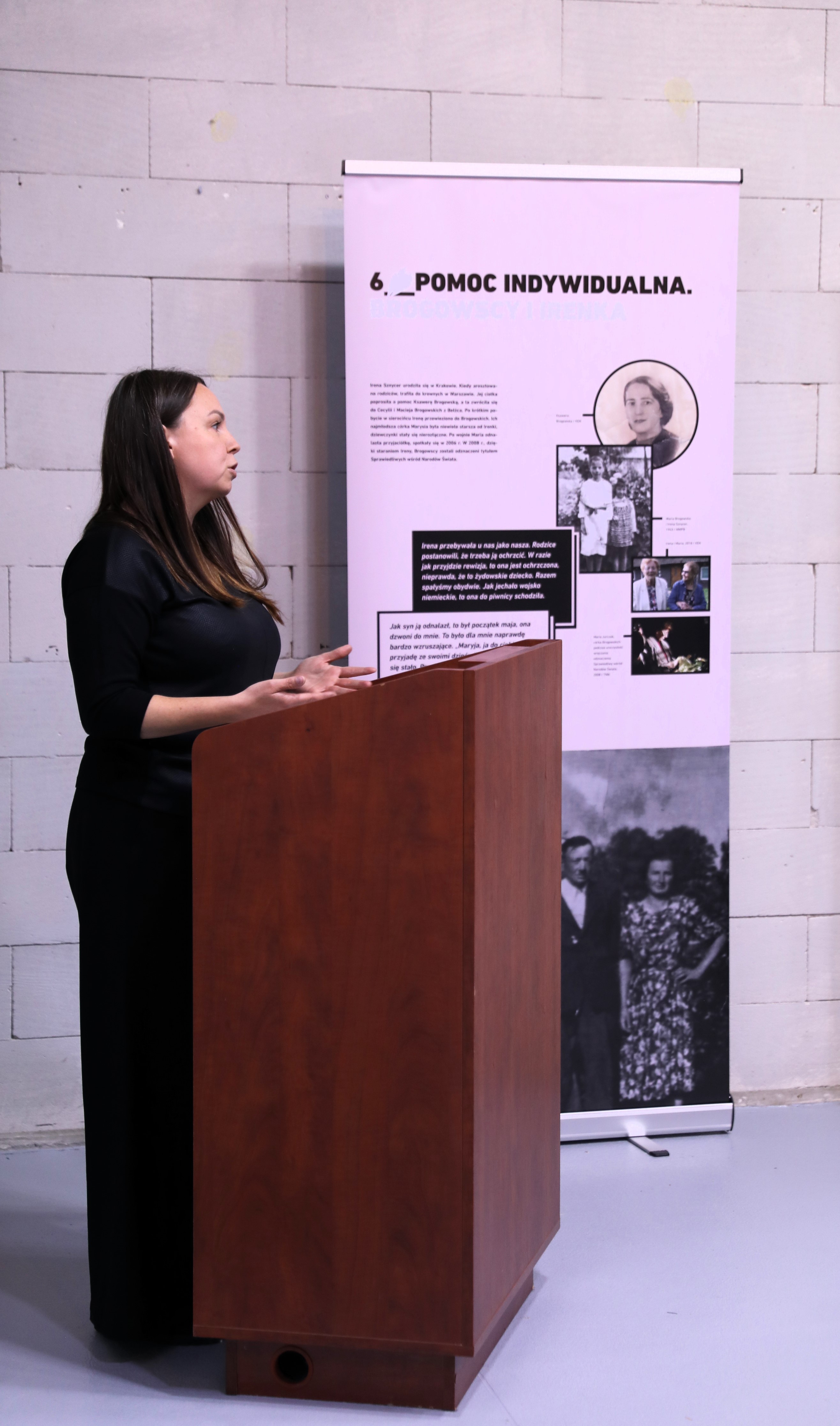
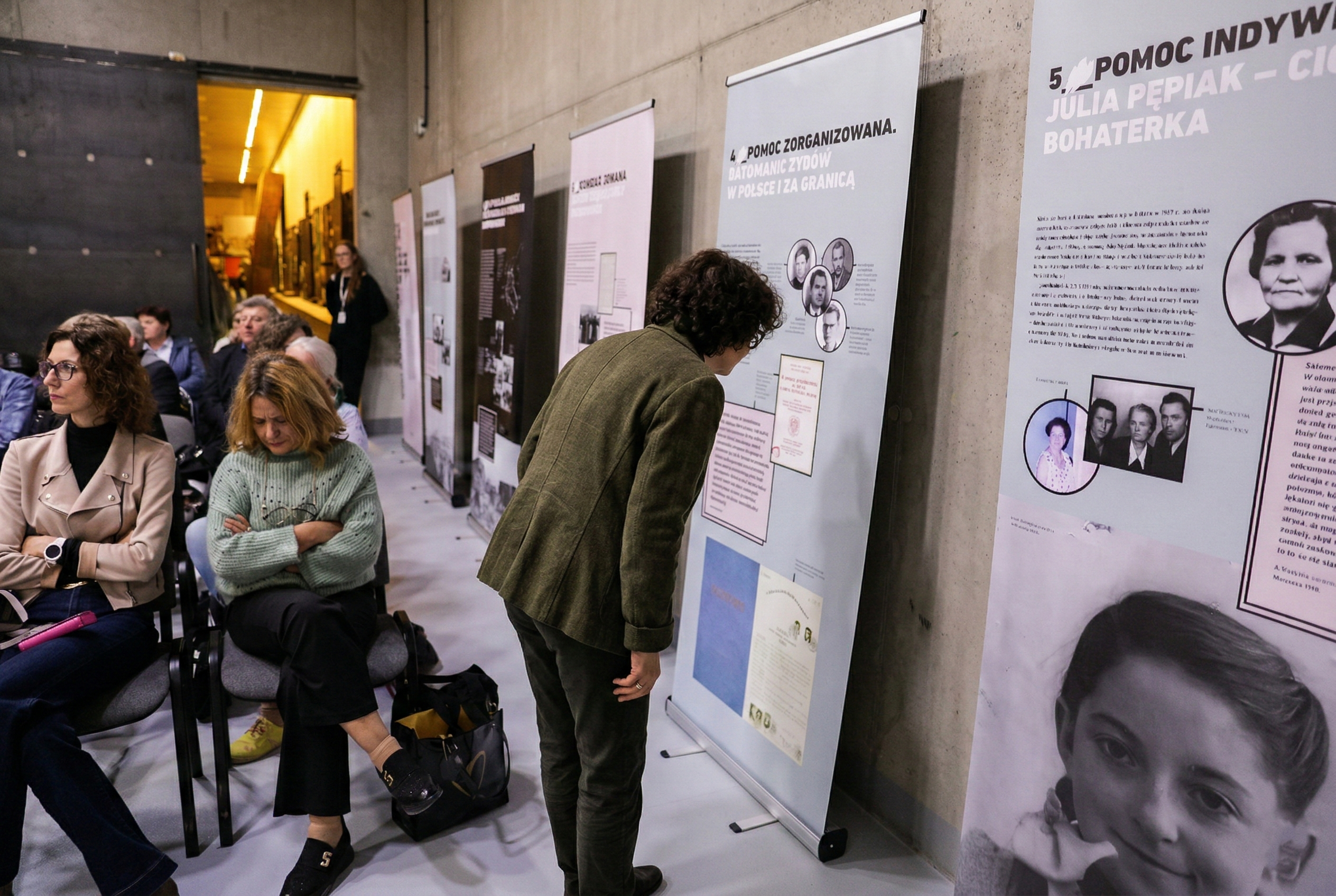
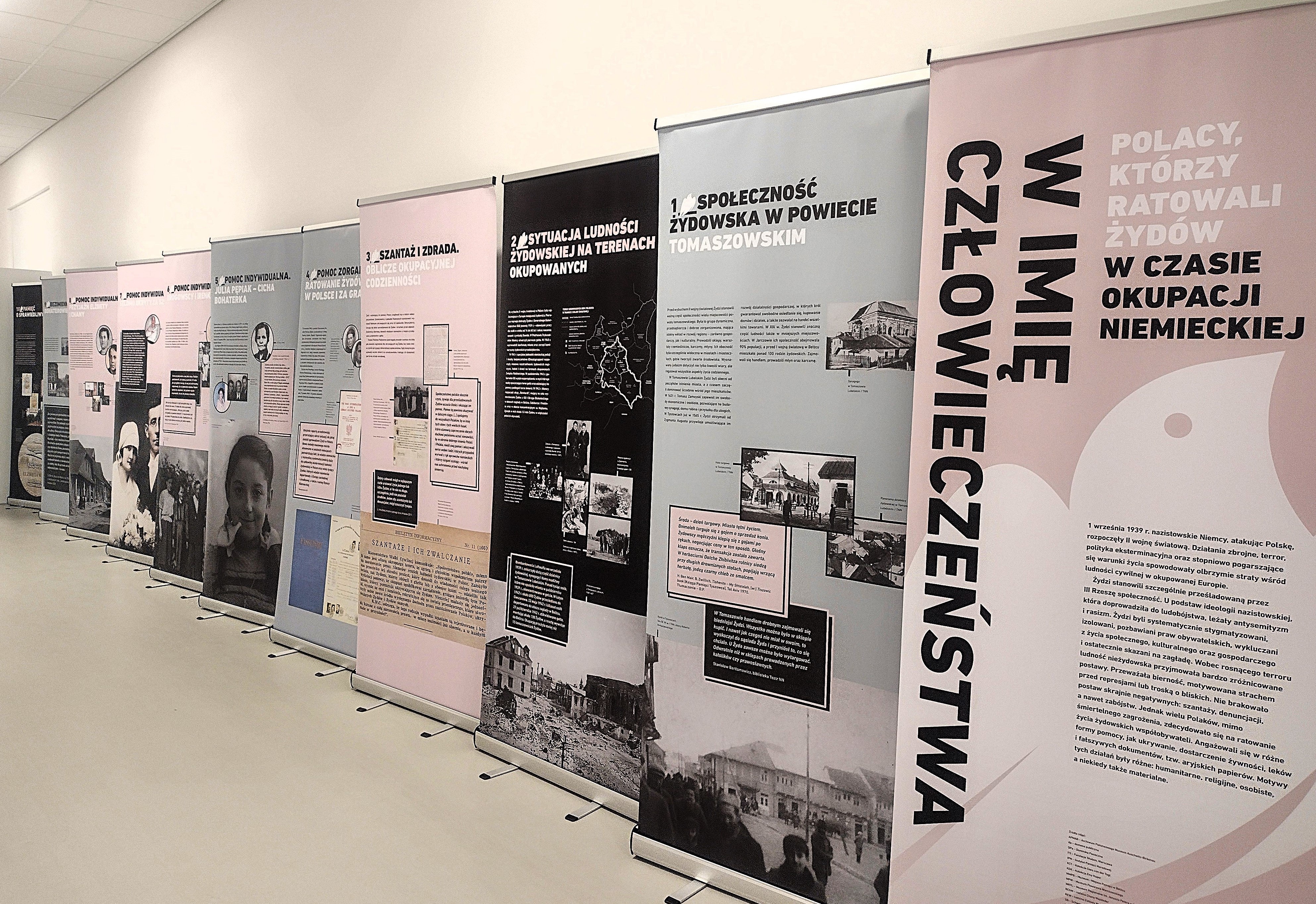
The exhibition shows stories of people living in Tomaszów Lubelski County who helped the persecuted Jews during the World War II. The visitors are told of the courageous acts and incredible perseverance, which ranged from creating supportive organisations such as the Council to Help Jews "Żegota" to individual acts of support. "In the Name of Humanity" is a history about saving and being saved, about difficult choices and heroic deeds of everyday people — an impressive testimony of courage, solidarity, and humanity in the times of the Holocaust.

Important information

Temporary exhibitionArchival
  • Exhibition date:29.09.2025 - 31.12.2025
  • Place:Museum and Memorial in Bełżec
  • Scenario:Dominika Pasieczna
  • Artistic design:Ewelina Kruszewska
  • Stylistic editing and proofreading of texts:Dorota Niedziałkowska
  • Exhbibition concept and consultations:Ewa Koper, Wiesław Wysok

Before the War – Common Life

Before World War II, there was a significant number of Jews living in many towns and villages across Tomaszów Lubelski County. They ran stores, workshops, windmills, and inns, taking part in the local economy and culture. Their presence was noticeable especially in cities where they formed social and religious communities. They often constituted a significant percentage of citizens and it had been so for many generations.

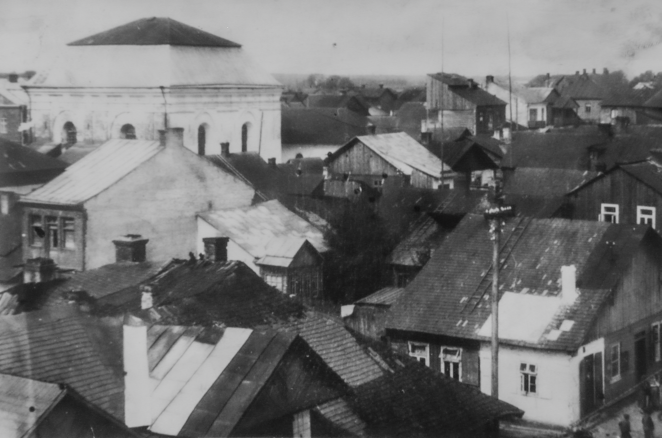
A panoramic view of the former Jewish quarter in Tomaszów Lubelski, with a dense cluster of low-rise houses and a large synagogue in the background.
VIEW OF THE JEWISH DISTRICT IN TOMASZÓW LUBELSKI

Occupation and the Holocaust

After 1939, the life of Jews was rearranged to suit the racial policy of the Third Reich. Jews between the ages of 14 and 60 were subjected to forced labour and Jews of all ages had to wear armbands bearing the Star of David. In Piotrków Trybunalski, the Germans created the first ghetto in Poland in October 1939. In 1940, the confiscation of Jewish property was initiated and Jewish enterprises were taken over by administration orders.

In October 1941, the governor of the General Government issued a decree which made leaving the ghettos, as well as aiding in the escape, punishable by death. In 1942, Germans launched operation "Reinhardt," with the aim of the extermination of Jews from the General Government and the Białystok region in the death camps in Bełżec, Sobibór, and Treblinka, as well as in the Majdanek concentration camp. 1.500,000 Jews perished, most of whom were Polish citizens.

In the vicinity of Tomaszów Lubelski, the liquidation of ghettos and the deportations to the death camps led to the near-total eradication of local Jewish communities.

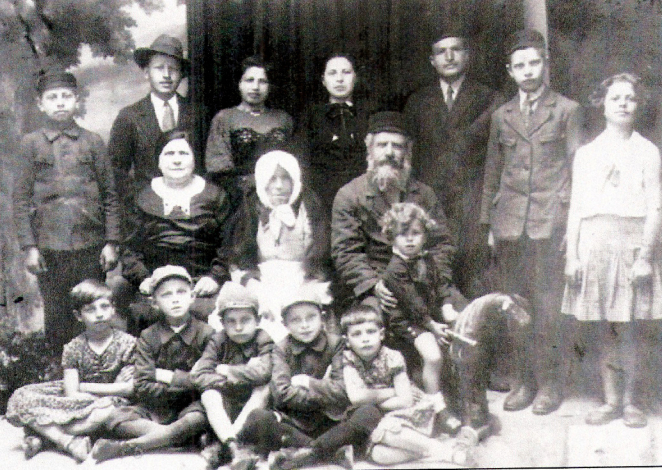
A black-and-white group photograph of the Honorow and Balsenbaum families from Tomaszów Lubelski — several generations of women, men and children posing together against the backdrop of a photography studio.
Families of Honorow and Balsenboum (Balsenbaum), merchants from Tomaszów Lubelski. Some of their members survived in Soviet Russia, some migrated to Palestine before the World War II. Among those sent to the camp in Bełżec were most likely Bluma Finkelstein (born Honorow; third from the left on the photograph), Frida Honorow (first from the right) and Peshia Balsenboum (in the middle).

Facing the Terror – The People’s Response

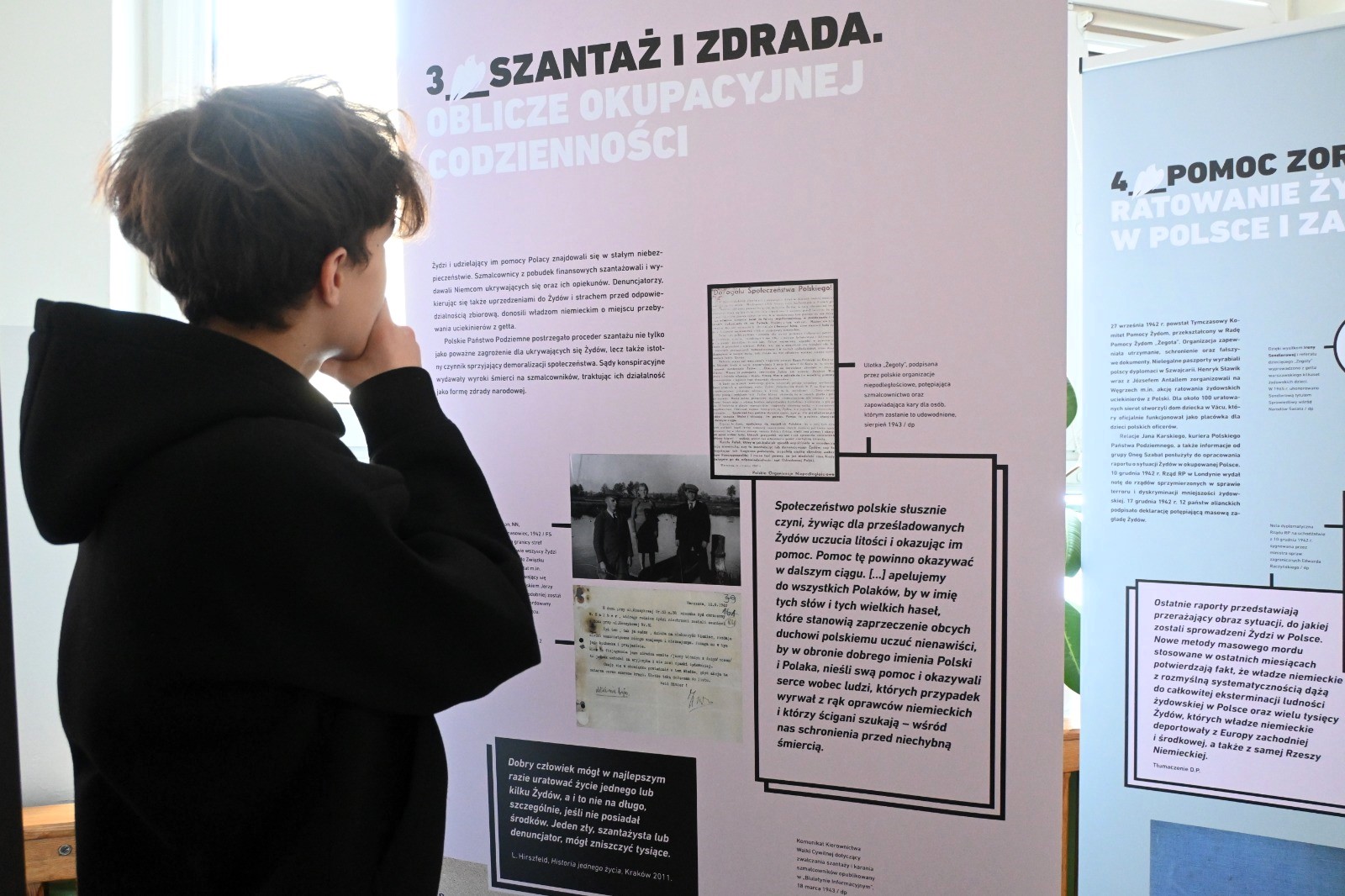
The community reacted in various ways. Alongside the fear and passivity that predominated among the civilian population, there was blackmail, denunciation and even murder. However, many Poles, in spite of the great danger, wanted to save the lives of their Jewish fellow citizens. They helped in various ways: by hiding the persecuted, by sharing food and medication, by getting fake documents – so-called 'Aryan papers.' Some were motivated by religion, empathy, or personal reasons, sometimes also for profit.

Stories of Courage. Individual Help

The exhibition shows the stories of specific people who chose to help despite the dangers involved. Children and adults were hidden, hideouts were created in houses and homesteads, as well as escape routes were organised.

Every one of these stories shows the desperate choices made in situations of extreme danger. Saving a single life often required years of effort, discretion, and courage from the entire families.

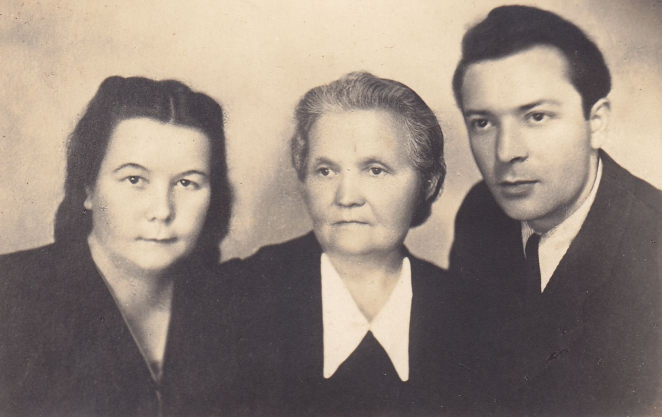
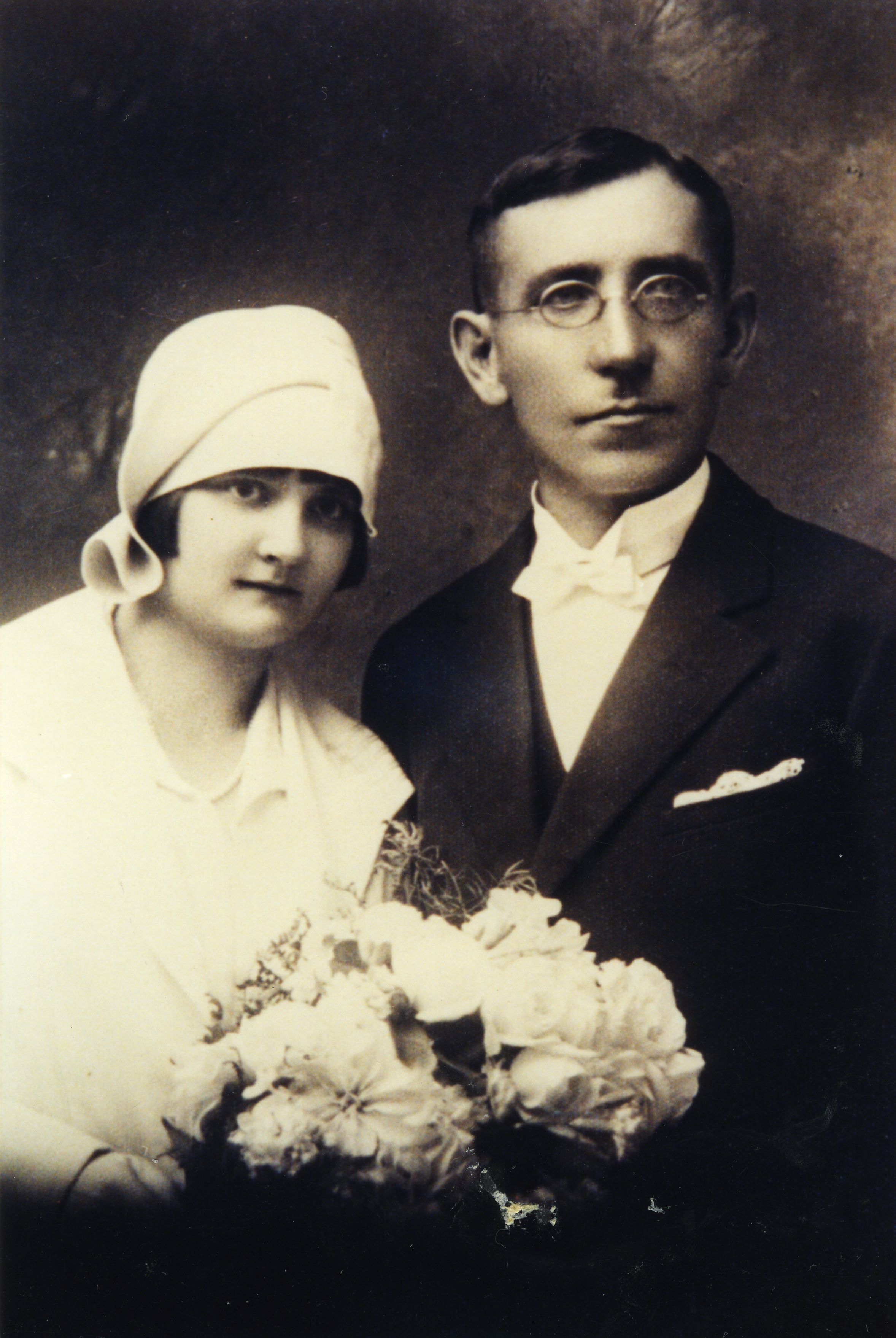
A black-and-white portrait photograph of Julia Pępiak with her daughter Adela and son Zygmunt — the three of them shown from the shoulders up, posing close together against a plain background.
JULIA PĘPIAK WITH HER DAUGHTER ADELA AND SON ZYGMUNT

Memory

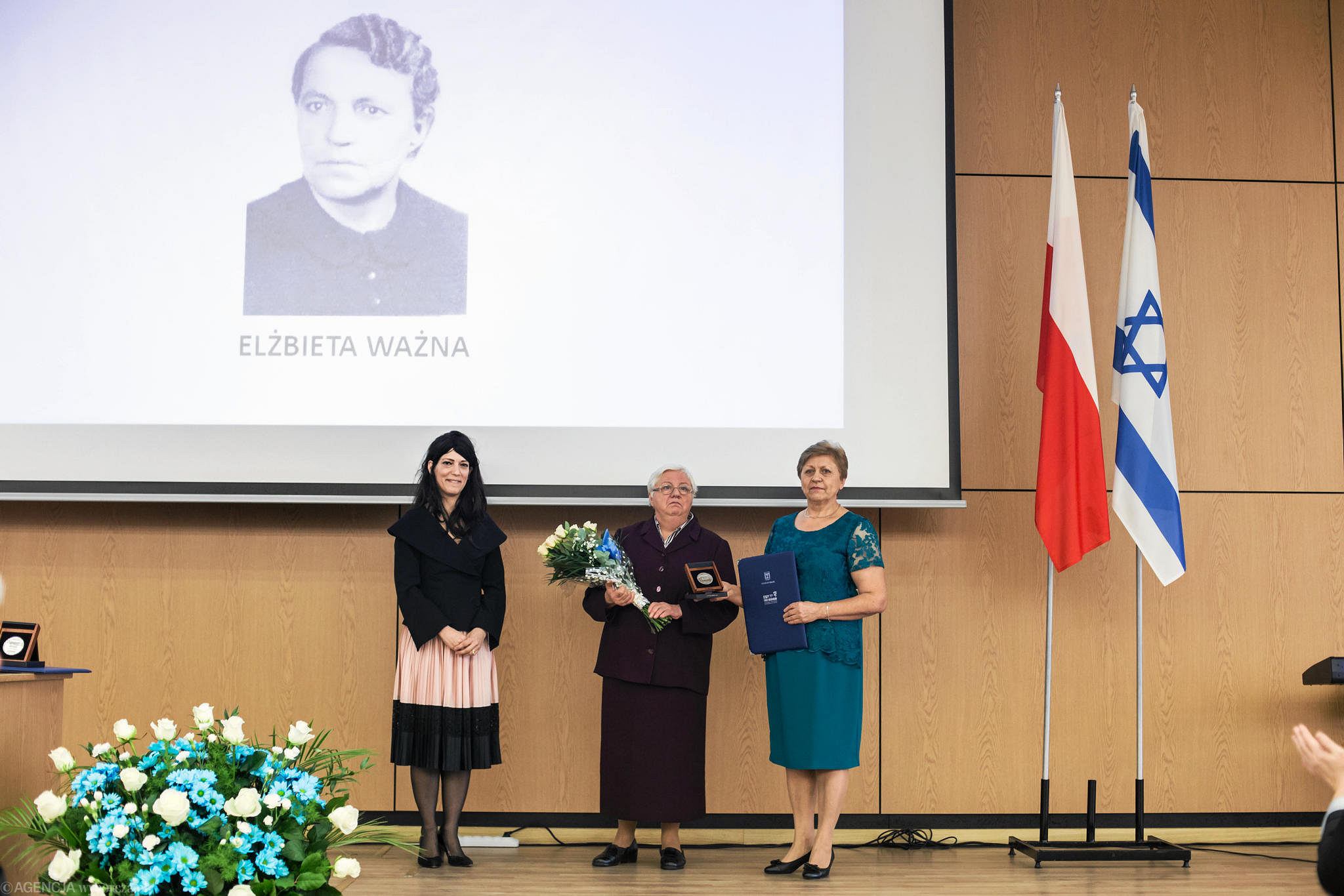
After the war, many of those who saved lives were awarded the title of Righteous Among the Nations by the Yad Vashem institute. These stories remind us that even in the times of terror, it was still possible to act in solidarity and a sense of responsibility toward others.

The exhibition not only talks of the past but also reflects on the present, on what civil courage, empathy, and humanity are.

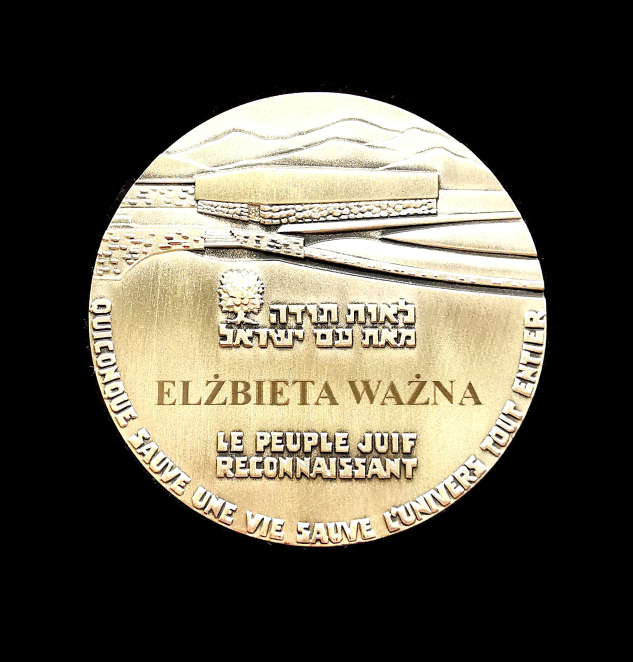
The reverse of the Righteous Among the Nations medal awarded to Elżbieta Ważna, bearing her name and an inscription in Hebrew and French.
THE REVERSE OF THE RIGHTEOUS AMONG THE NATIONS MEDAL GIVEN TO ELŻBIETA WAŻNA
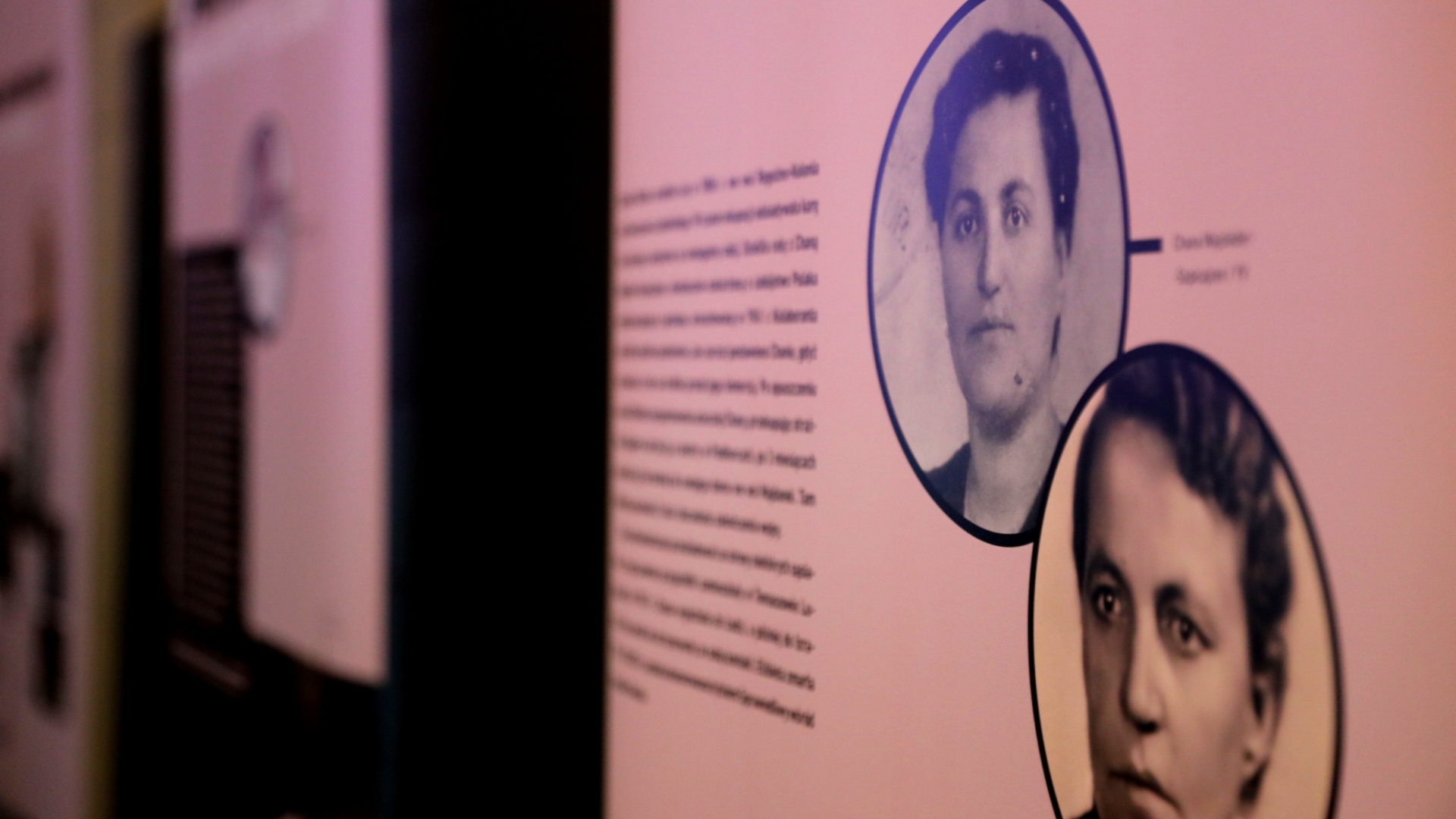
A section of a vertical display panel from a travelling historical exhibition. Against a light background, two black-and-white archival portraits of women in round frames are visible, along with a block of text in Polish describing their stories. The whole piece is presented in a minimalist, documentary style.
”IN THE NAME OF HUMANITY. POLES WHO SAVED JEWS DURING THE GERMAN OCCUPATION” EXHIBITION

Travelling Exhibition

The exhibition may be rented free of charge. For further information, please call (+48) 84 665 25 10.