Bełżec – Extermination Camp

Bełżec – Extermination Camp
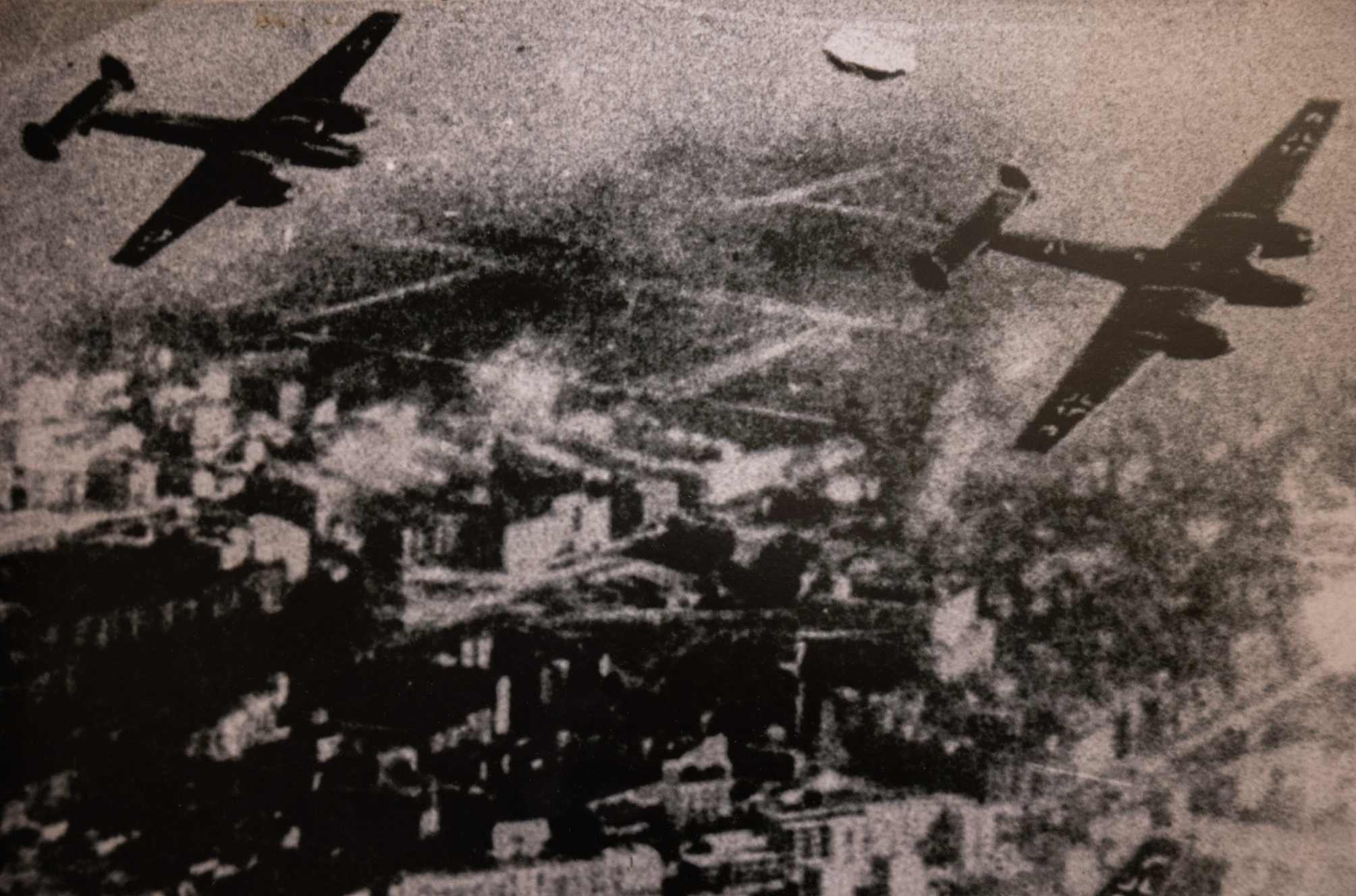
The permanent exhibition, scripted by an international team of experts, presents the history of the extermination camp in Bełżec against the backdrop of the extermination policy of Nazi Germany.

Important information

Permanent exhibition
  • Exhibition start date:01.06.2004
  • Place:Museum and Memorial in Bełżec
  • Scenario:Michael Berenbaum, Jerzy Halbersztadt, Robert Kuwałek, Jacek Nowakowski
  • Language Version:Polish, English, Hebrew
  • Artistic design:Nizio Design International, Gallagher Associates

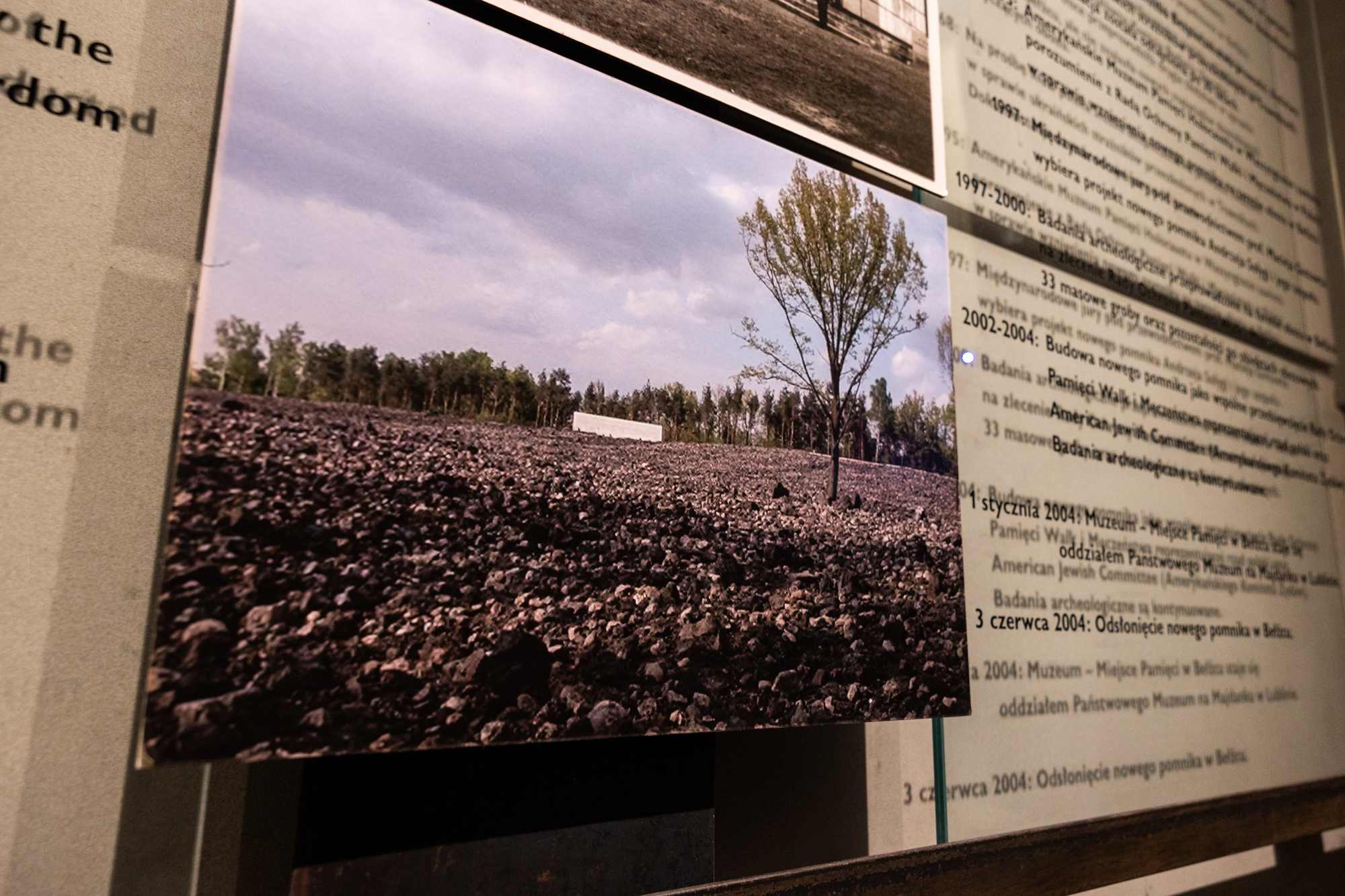
The site of the former extermination camp in Bełżec has been regarded as a mass grave and cemetery. The exhibition is housed in the museum building, which forms an integral part of the memorial-cemetery complex.
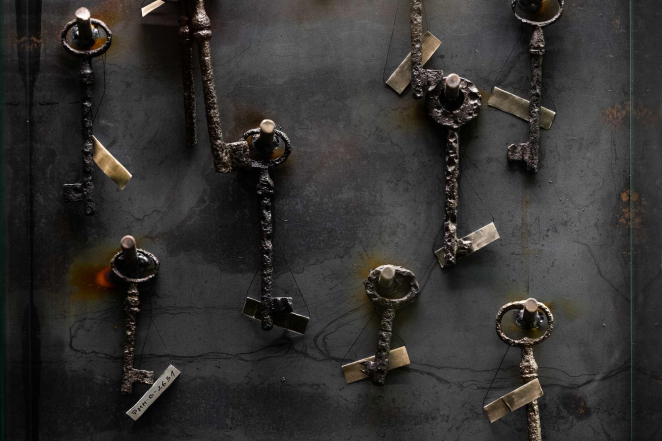
Personal Belongings

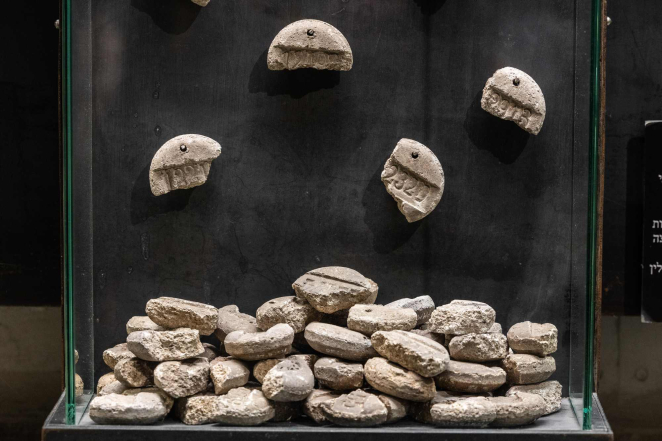
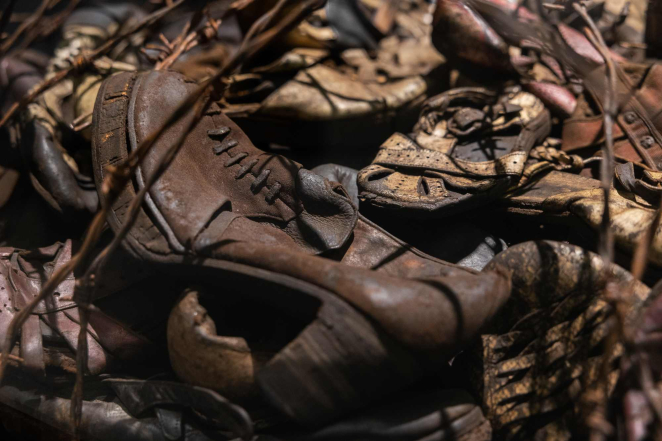
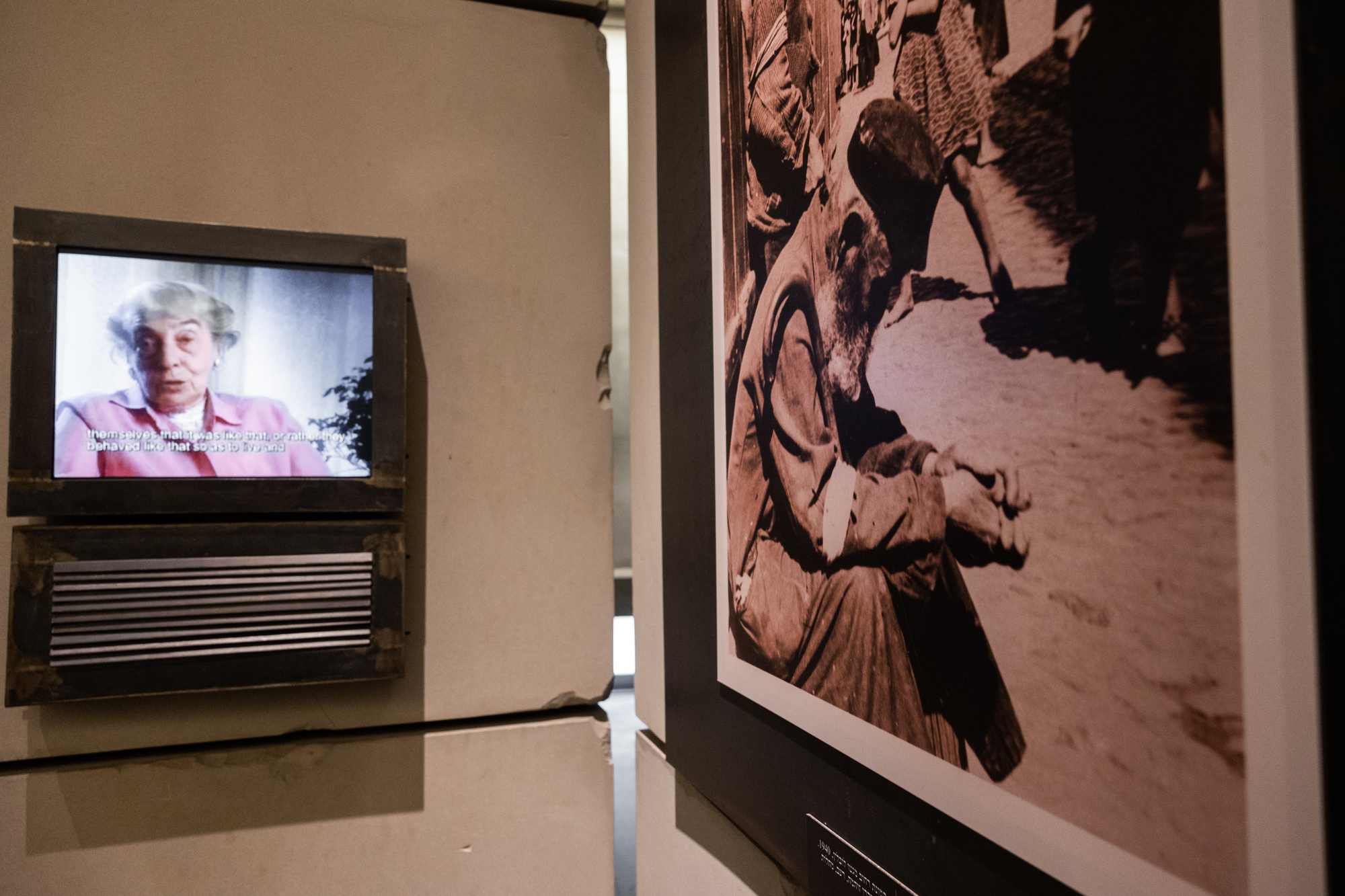
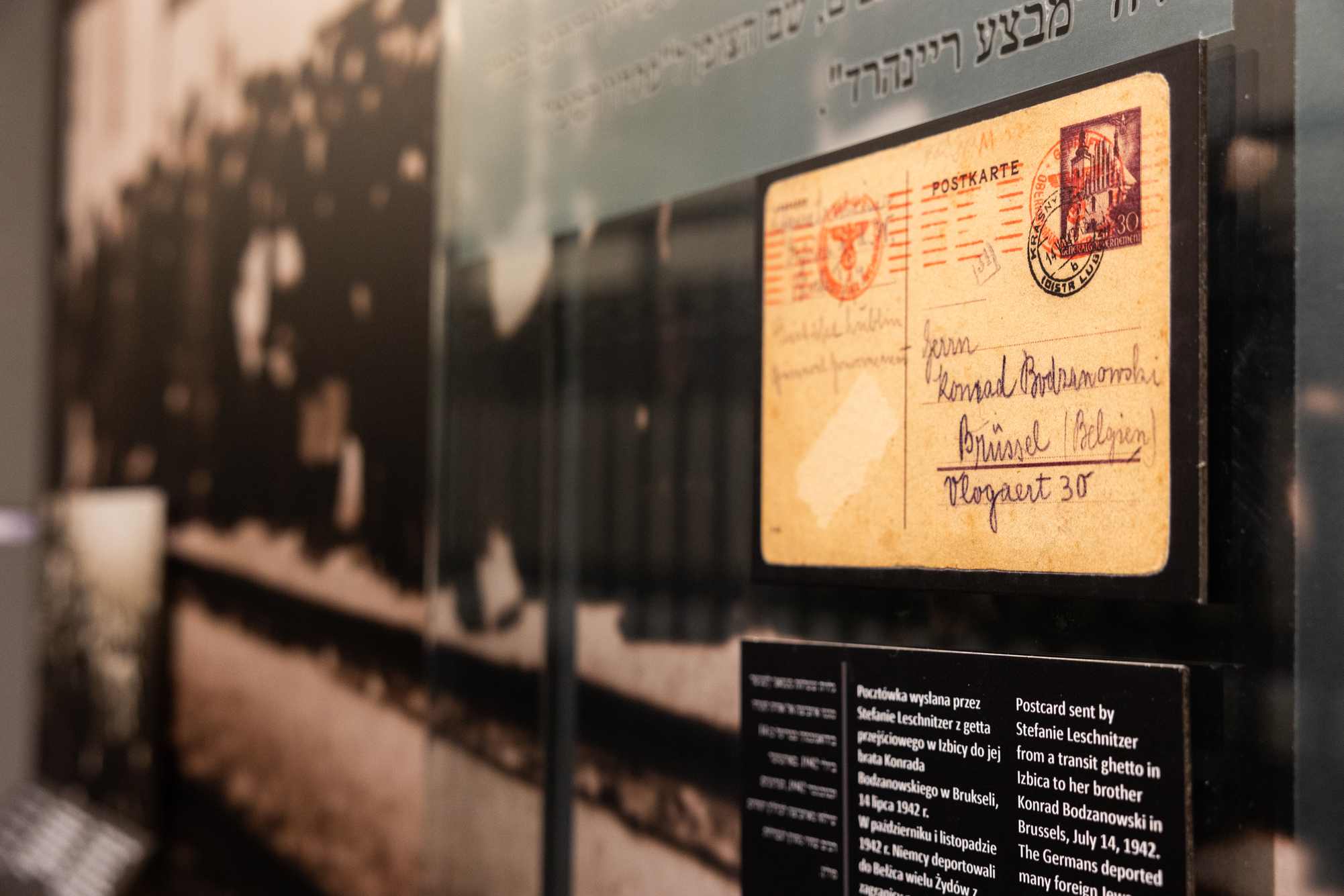
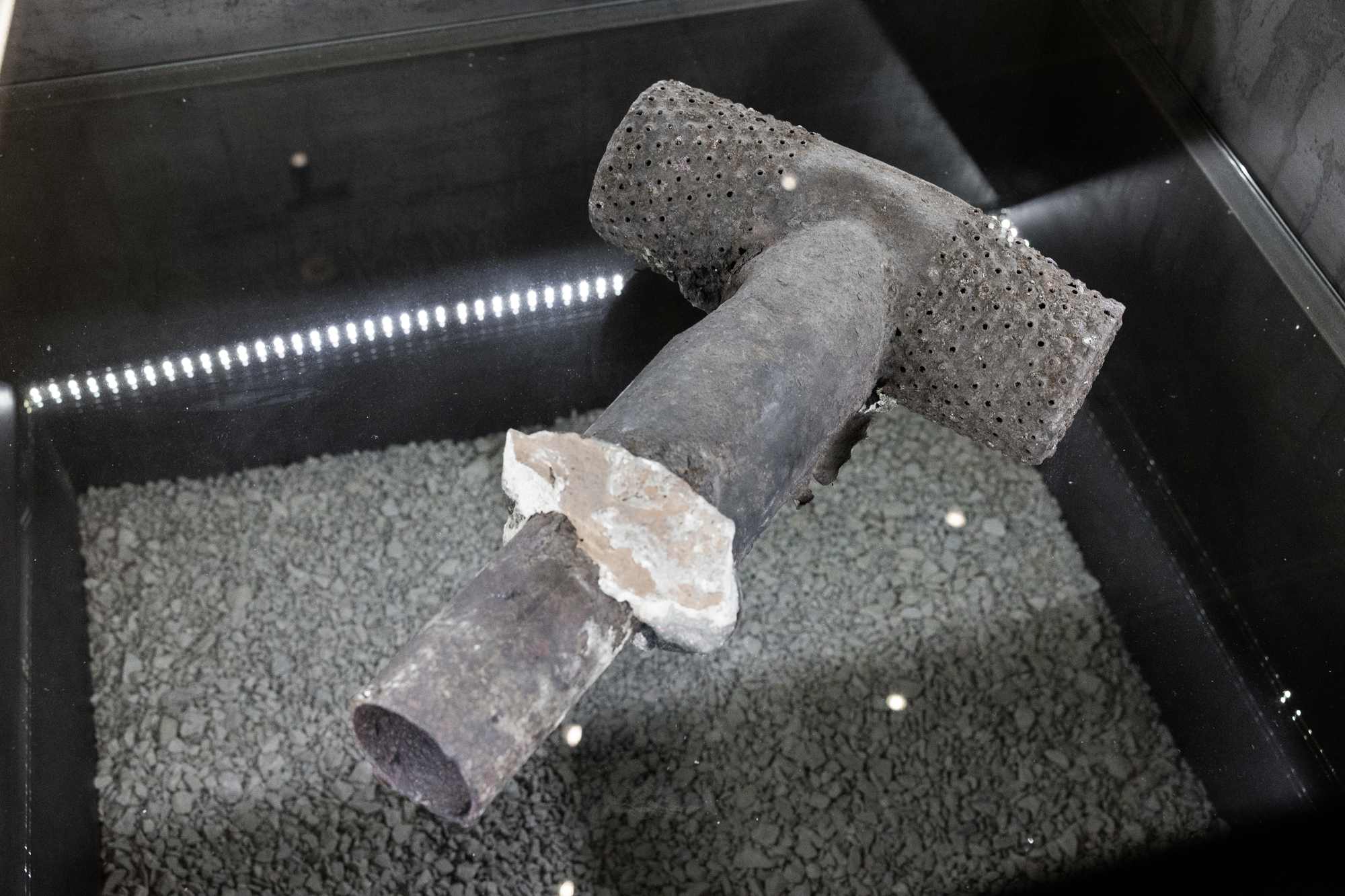
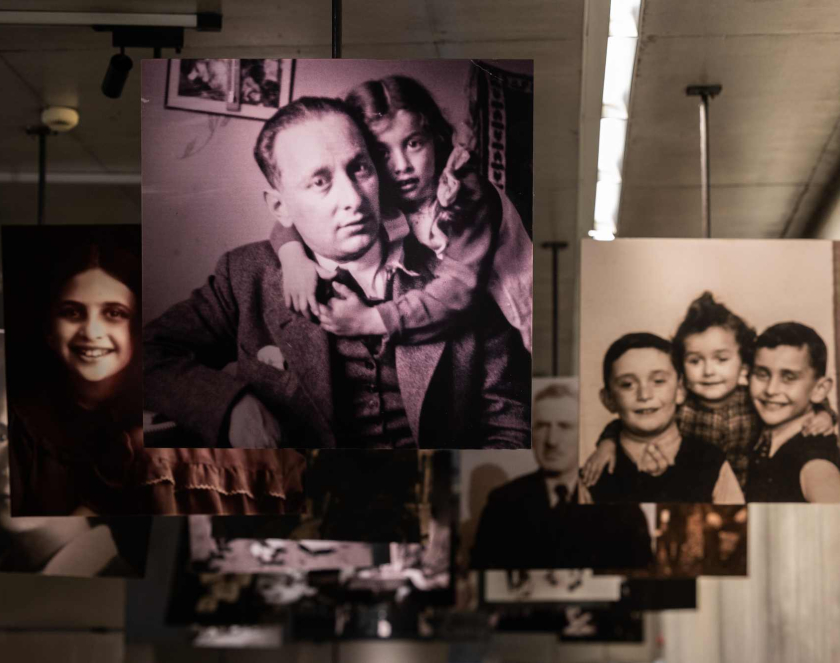
The starting point for the exhibition script consisted of archival materials, witness accounts and the results of archaeological research conducted on the camp site. The objects discovered during this research are an integral part of the display. Numerous artefacts in the form of personal belongings of the victims serve not only as material evidence of the past, but also as a narrative element that runs like a thread through the entire exhibition.

Elements of the Camp Infrastructure

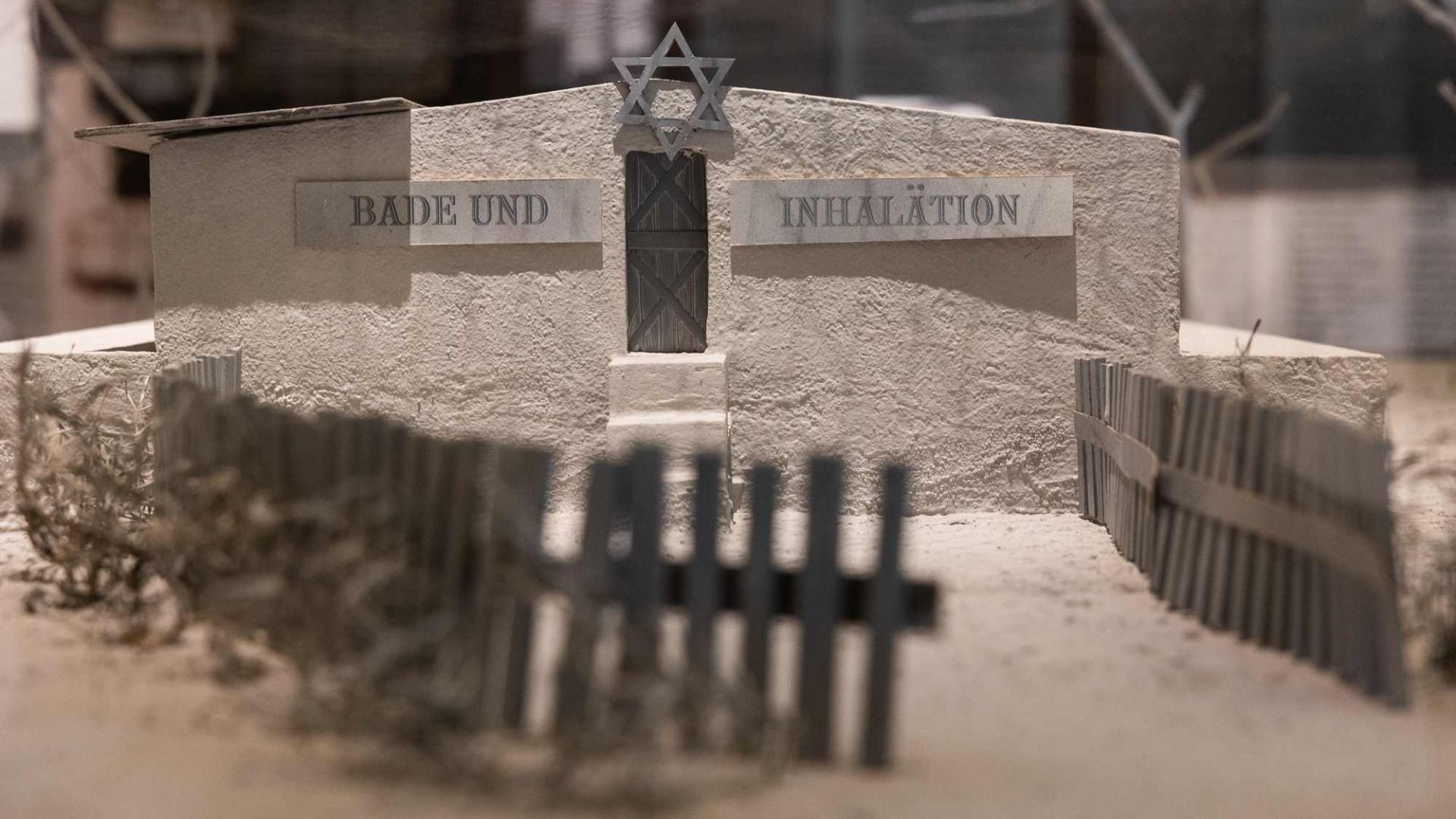
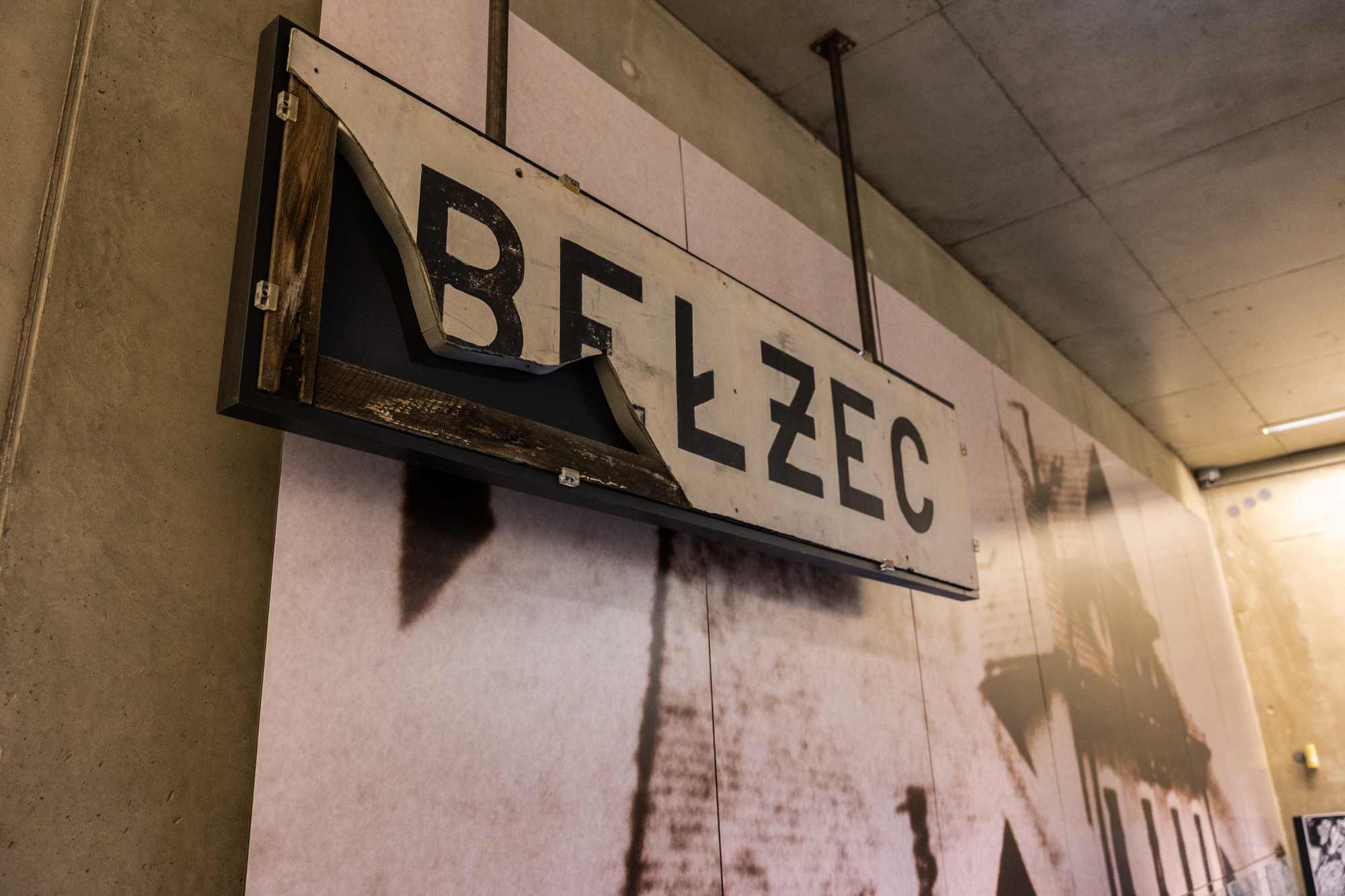
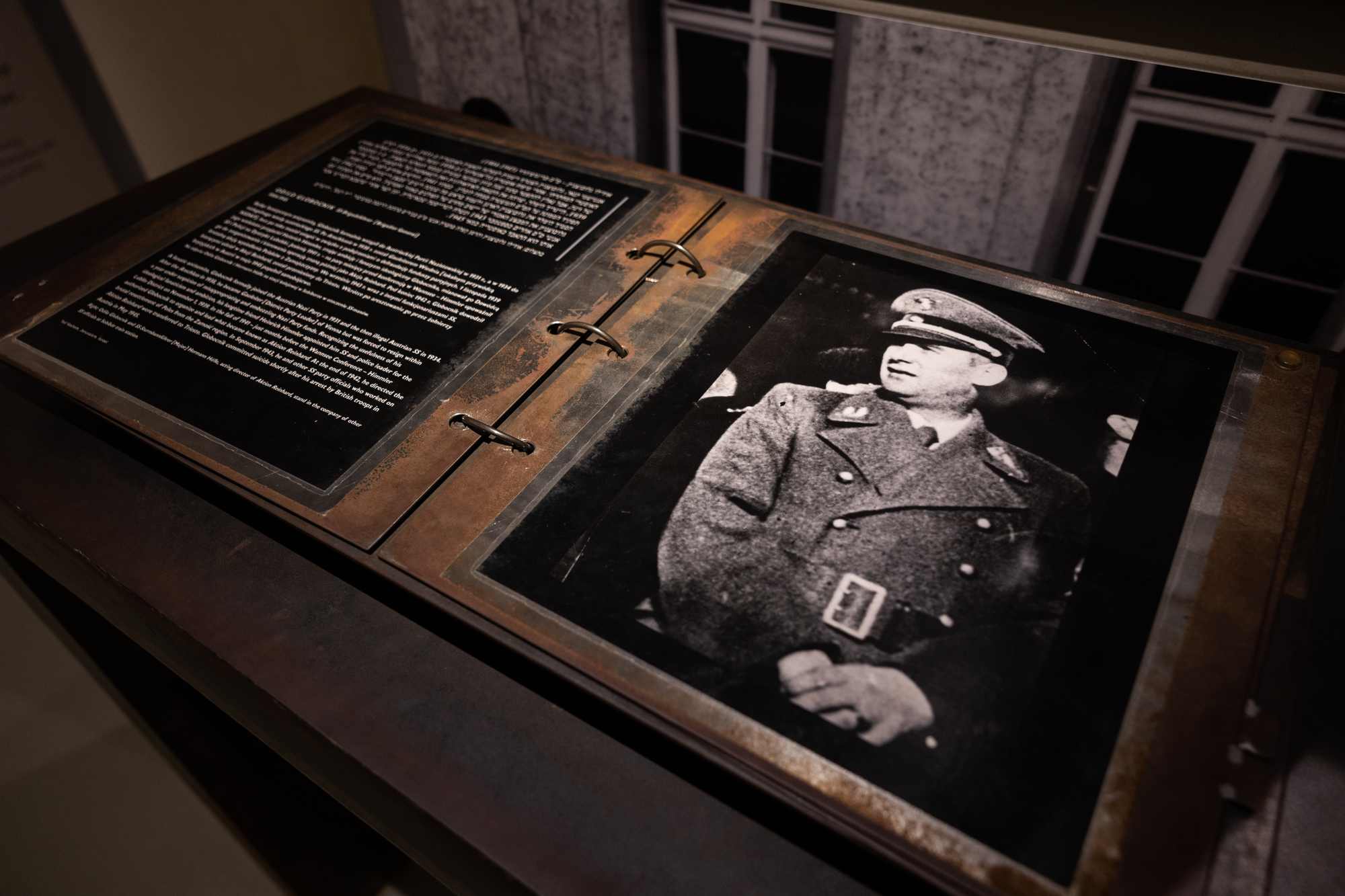
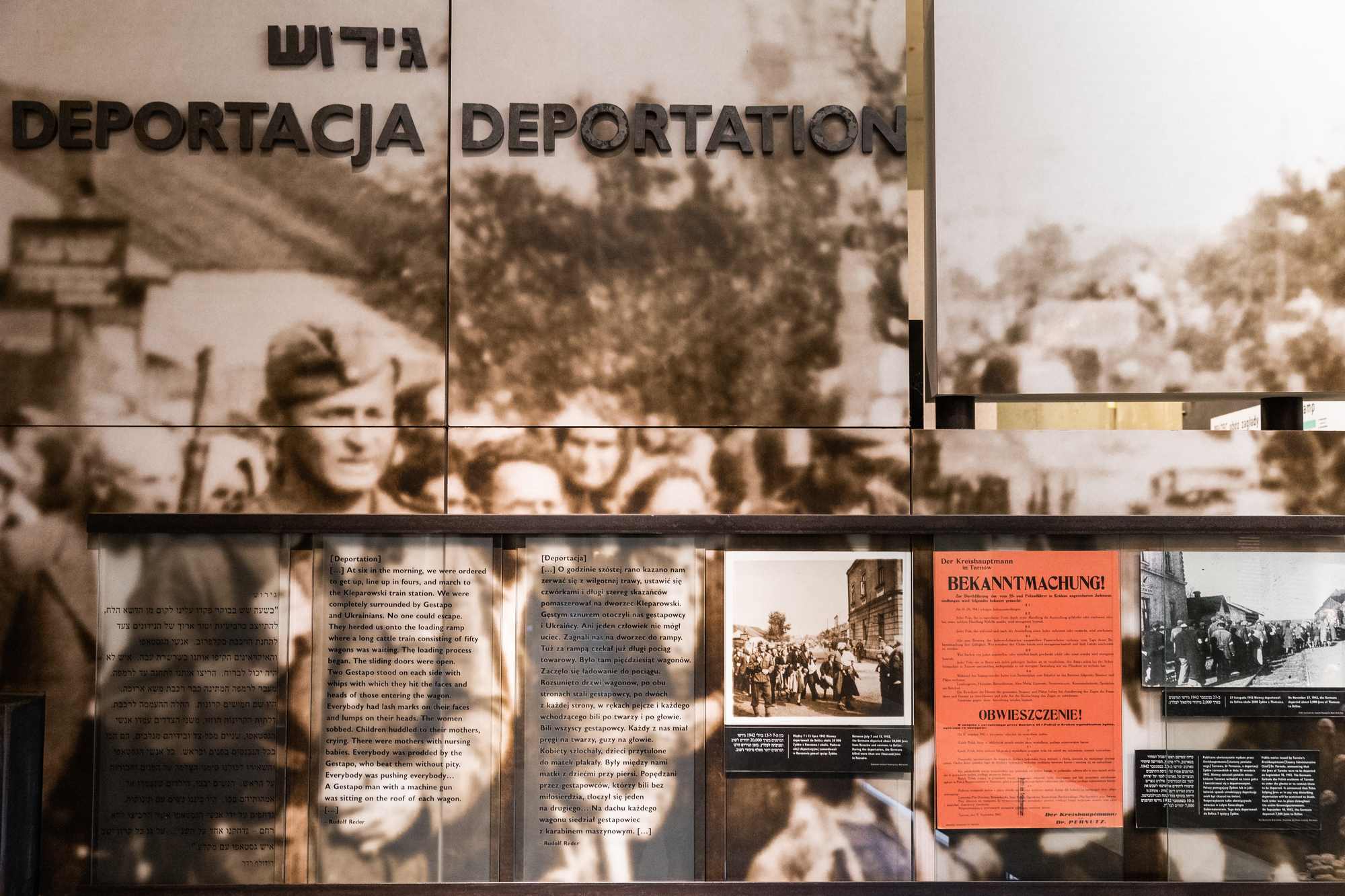
A key element of the exhibition is the original notice board from the undressing barrack, containing instructions for newcomers concerning the removal and folding of clothing and the surrender of valuables before ‘bathing and inhalation’. The exhibition also displays a few elements of the camp infrastructure and a model of a gas chamber, as well as archival photographs, film fragments, documents and recorded testimonies of survivors and witnesses. The way in which these are integrated into the exhibition space allows them to be analysed individually.

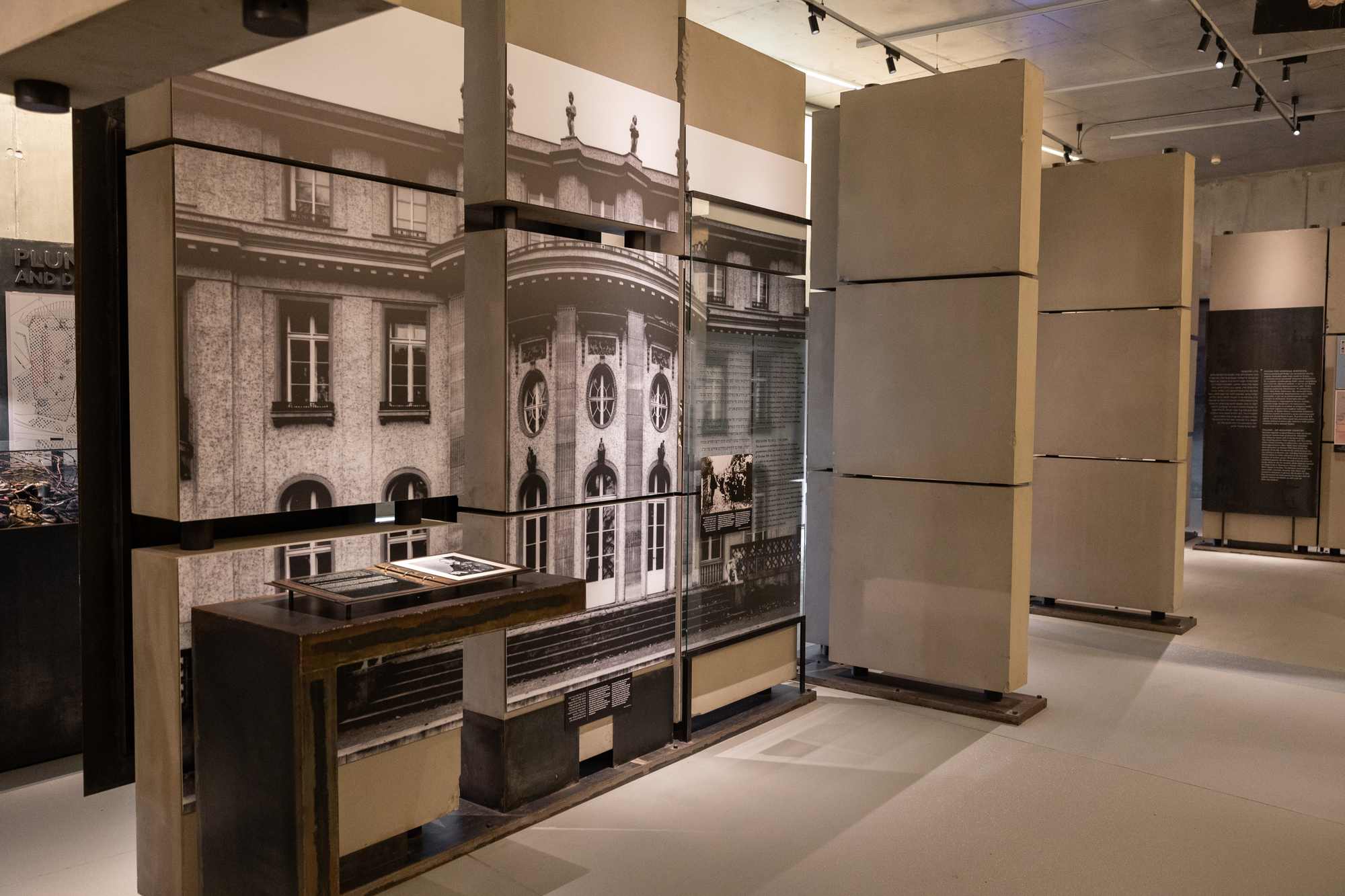
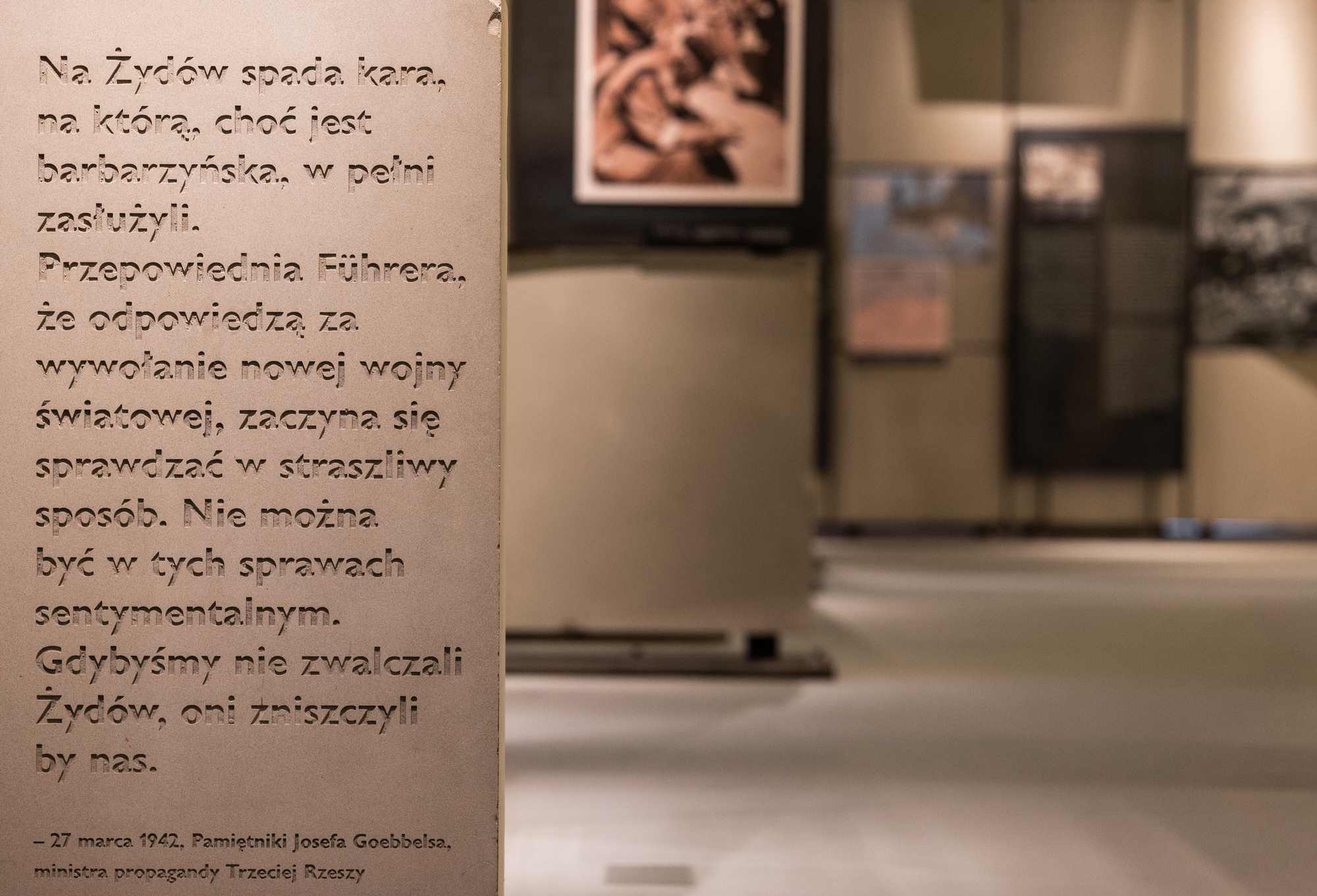
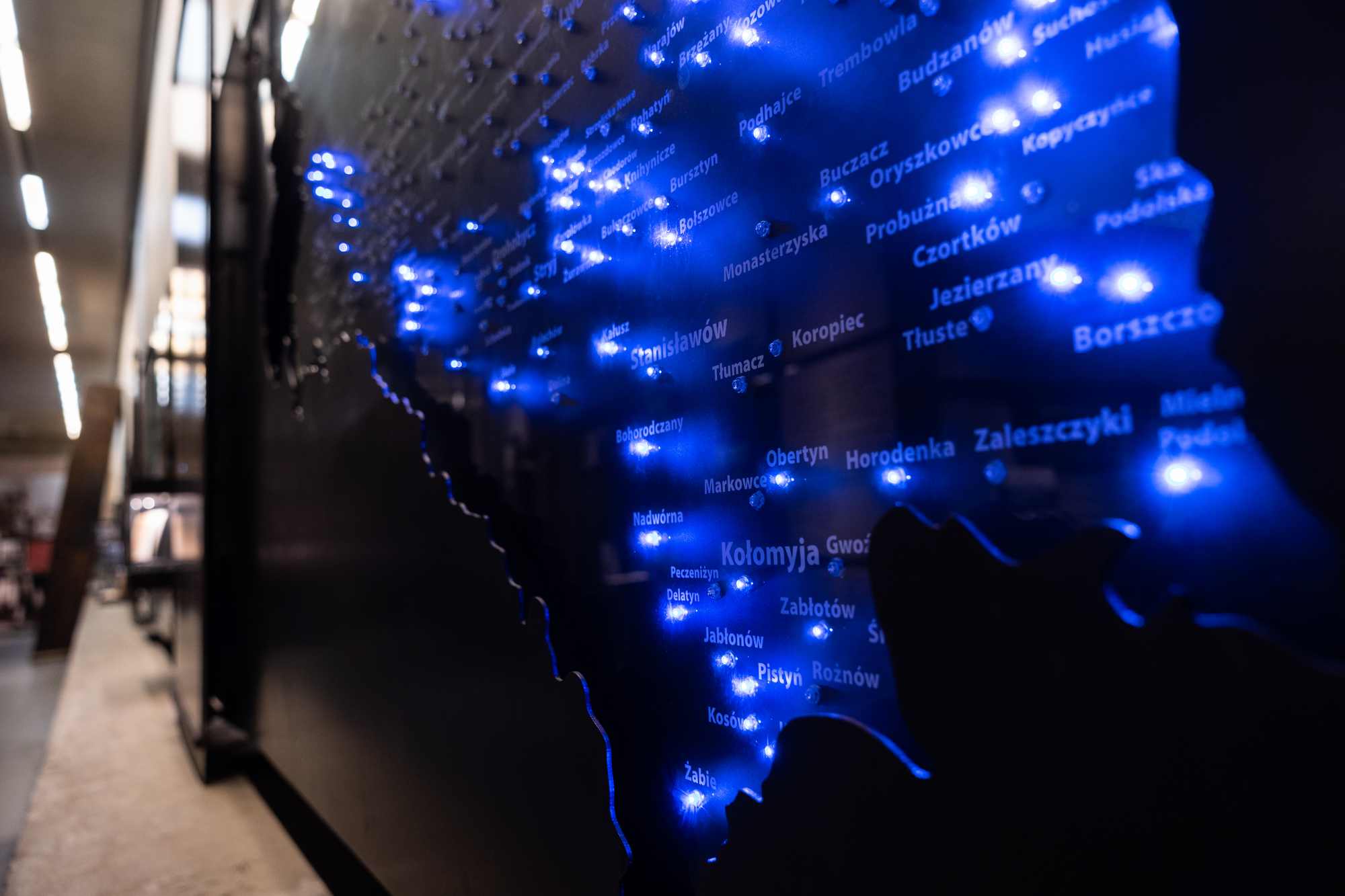
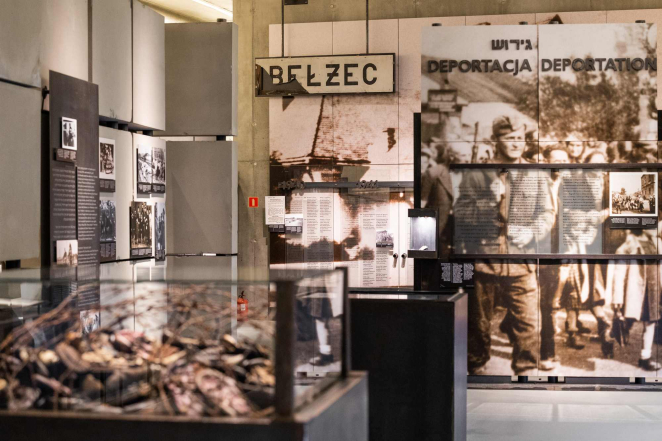
The exhibition takes the form of a multimedia installation that guides visitors through five consecutive thematic zones: ‘Life’, ‘Hatred’, ‘Deportations’, ‘Extermination Camp’ and ‘Memory’. It traces the journey from the pre-war life of Jewish communities, through the rise of antisemitism, deportations and the process of extermination, to contemporary memory and reflection. Each zone is marked by a symbolic title in three languages – Polish, English and Hebrew – emphasising the international character of the site and its significance for the global memory of the Holocaust.

Minimalism of Form

The architectural and scenographic concept of the exhibition is based on the dramatic use of colour and light, moving from bright colours in the ‘Life’ zone to almost black tones in the ‘Memory’ zone. The design adopts a minimalist and austere approach, dominated by materials such as steel, glass and concrete. Decorative elements and theatrical effects were intentionally omitted to avoid diminishing the impact of the history itself and the material traces of the past.

Contemplation Hall

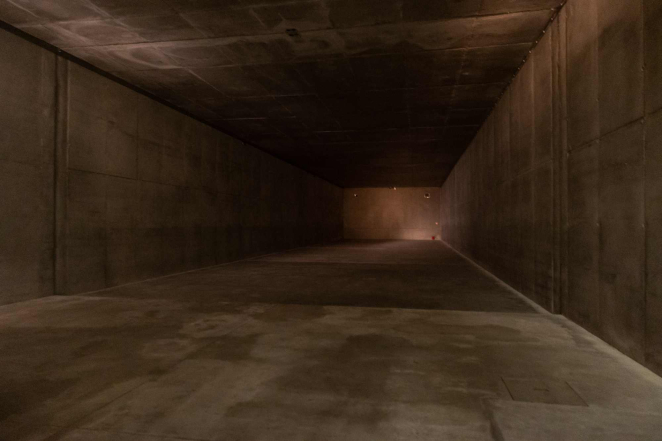
After viewing the exhibition, visitors can enter the vast, empty and dark Contemplation Hall, whose far end disappears from view some dozen metres from the entrance. This space is intended to encourage reflection, contemplation and prayer.