About the Museum

About the Museum
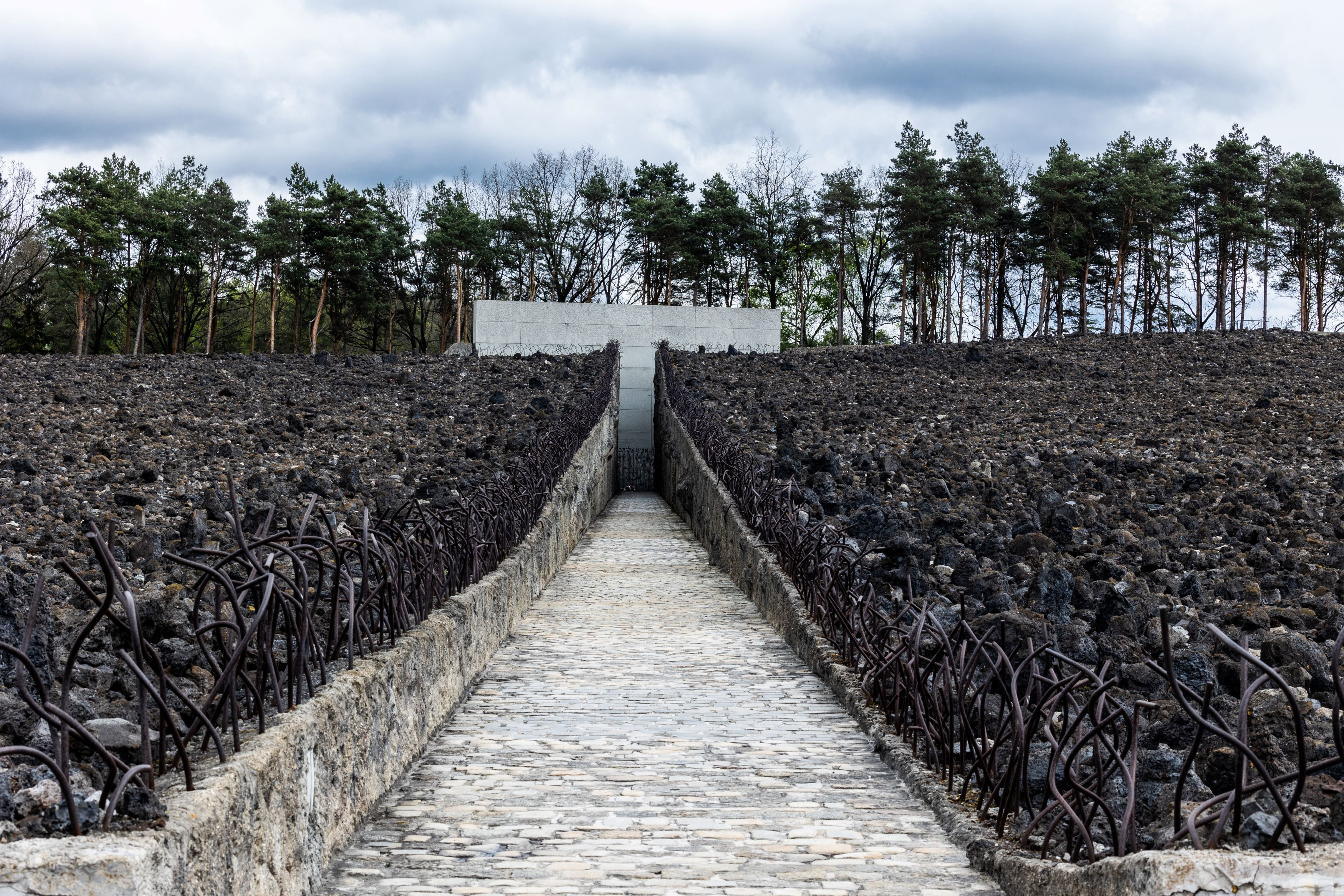
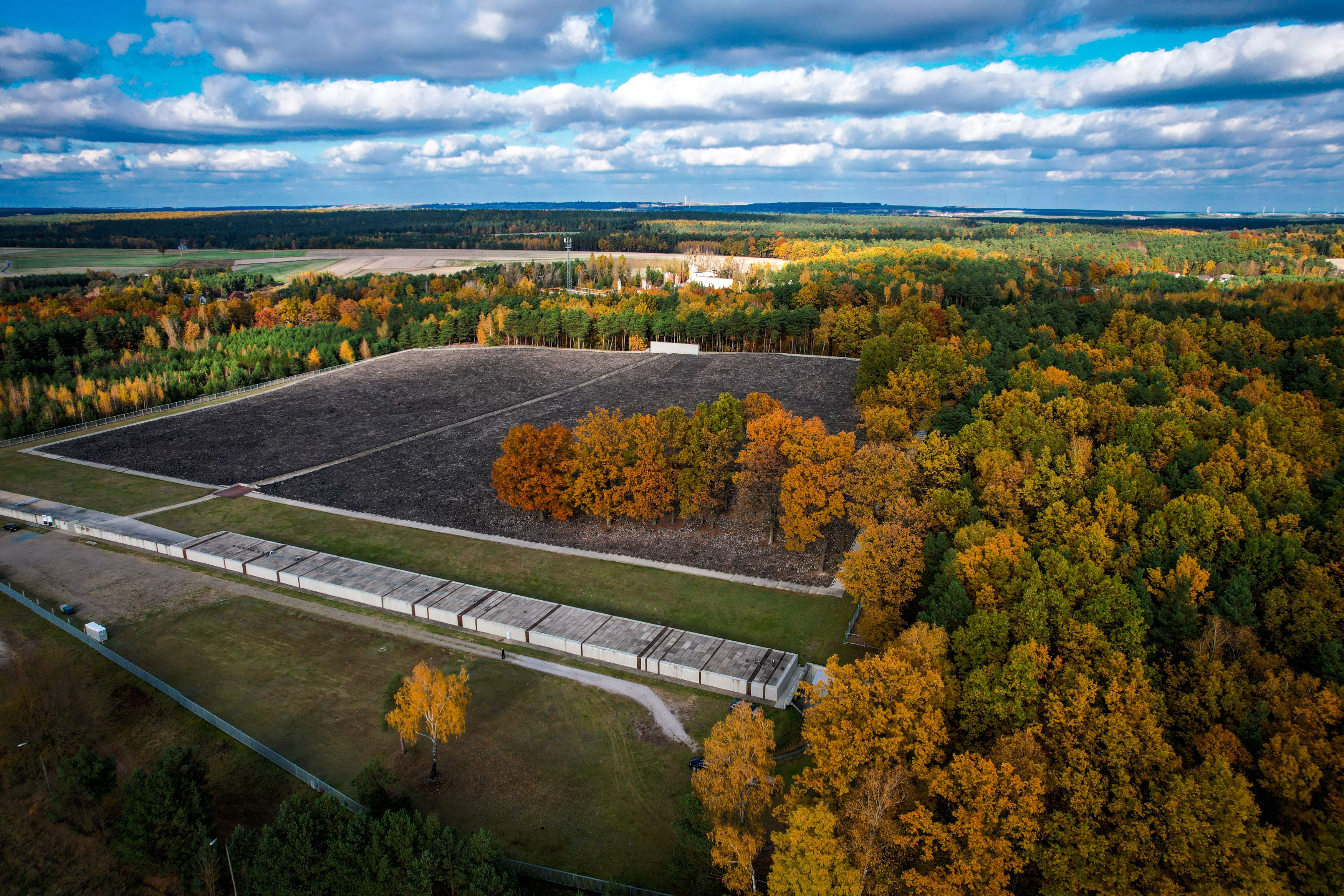
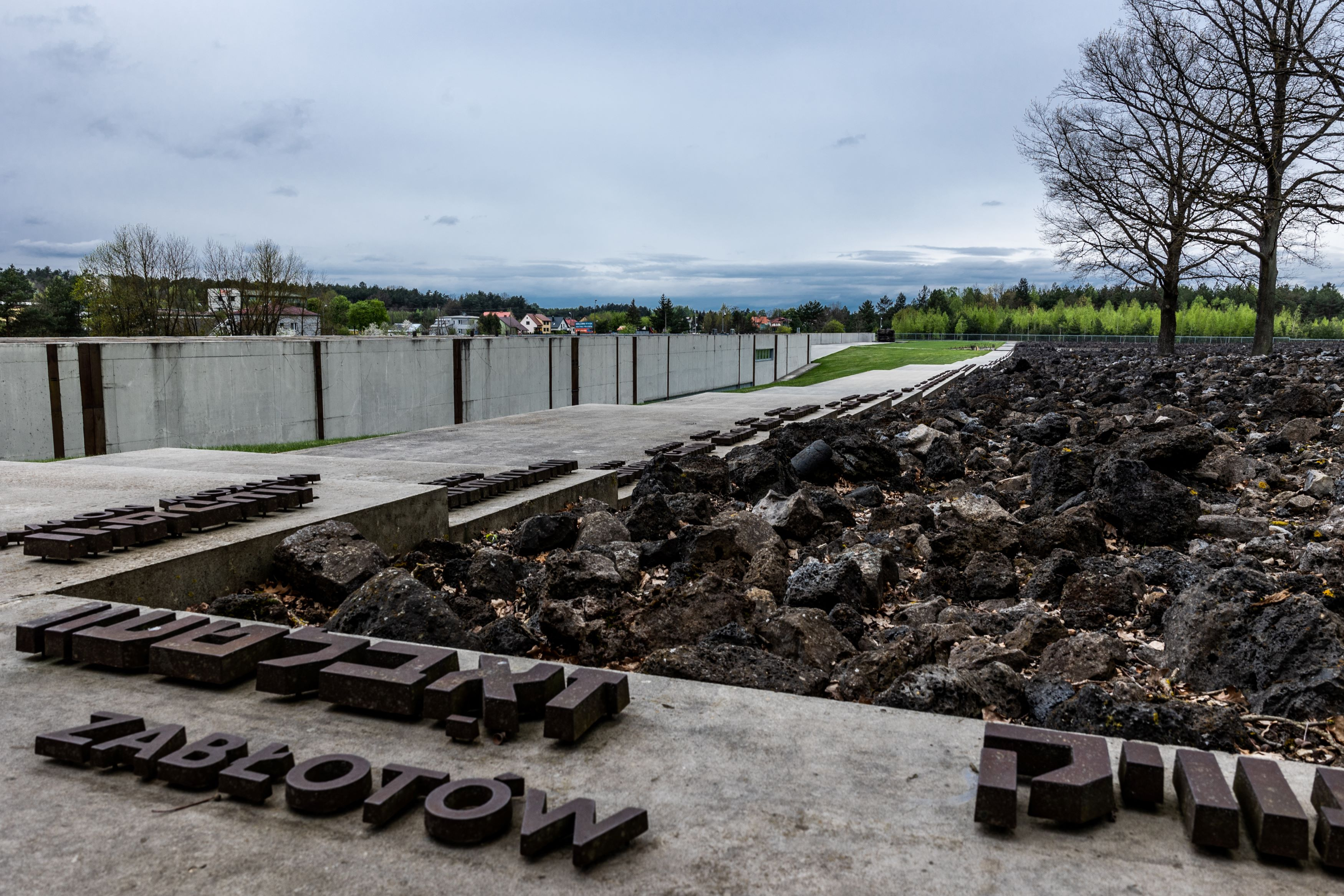
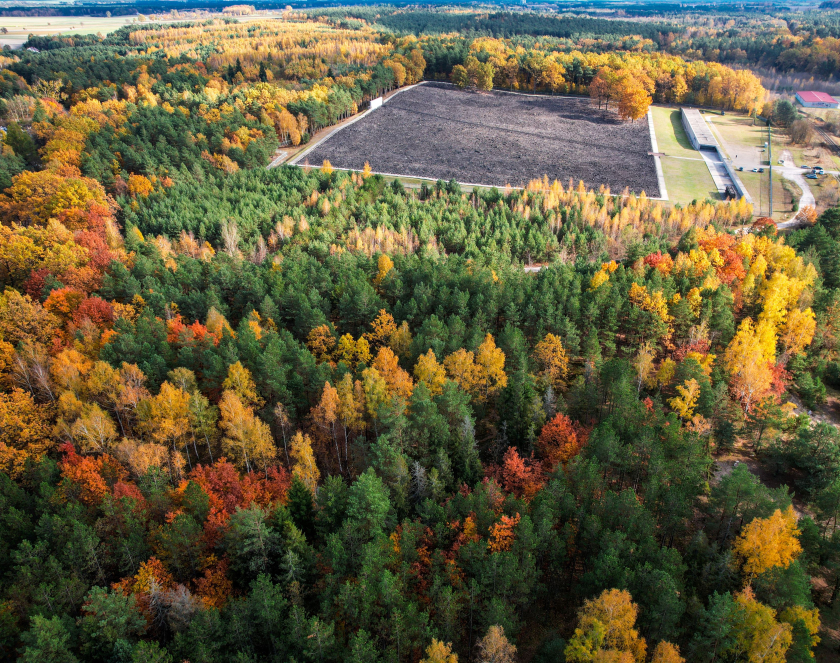
The Museum and Memorial in Bełżec was established on the site of the former German Nazi extermination camp. The institution was established on 1 January 2004 as a branch of the State Museum at Majdanek in Lublin and serves as a memorial to the victims of the Holocaust.

In the autumn of 1945, work began on documenting the crimes committed at the site of the former camp in Bełżec. Members of the Main Commission for the Investigation of German Crimes inspected the site and drew up a site plan. The issue of commemorating the killing site was taken up by the Council for the Protection of Martyrdom Monuments, established in 1947. Its representatives visited the site of the former camp in 1949, and in 1950 a plan was drawn up for its restoration and the erection of a monument. Despite these efforts, Bełżec remained unprotected for the next decade and was periodically dug up by local people in search of gold.
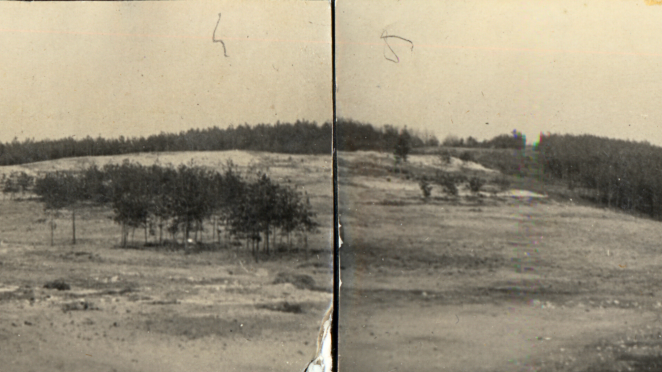
An old black-and-white (sepia-toned) panoramic photograph showing the empty, sandy site of the former Bełżec extermination camp. A dense coniferous forest is visible on the horizon and at the edges, whilst a small group of young trees grows in the middle of the field.
Post-camp grouinds. Photo taken in 1945

First Commemoration

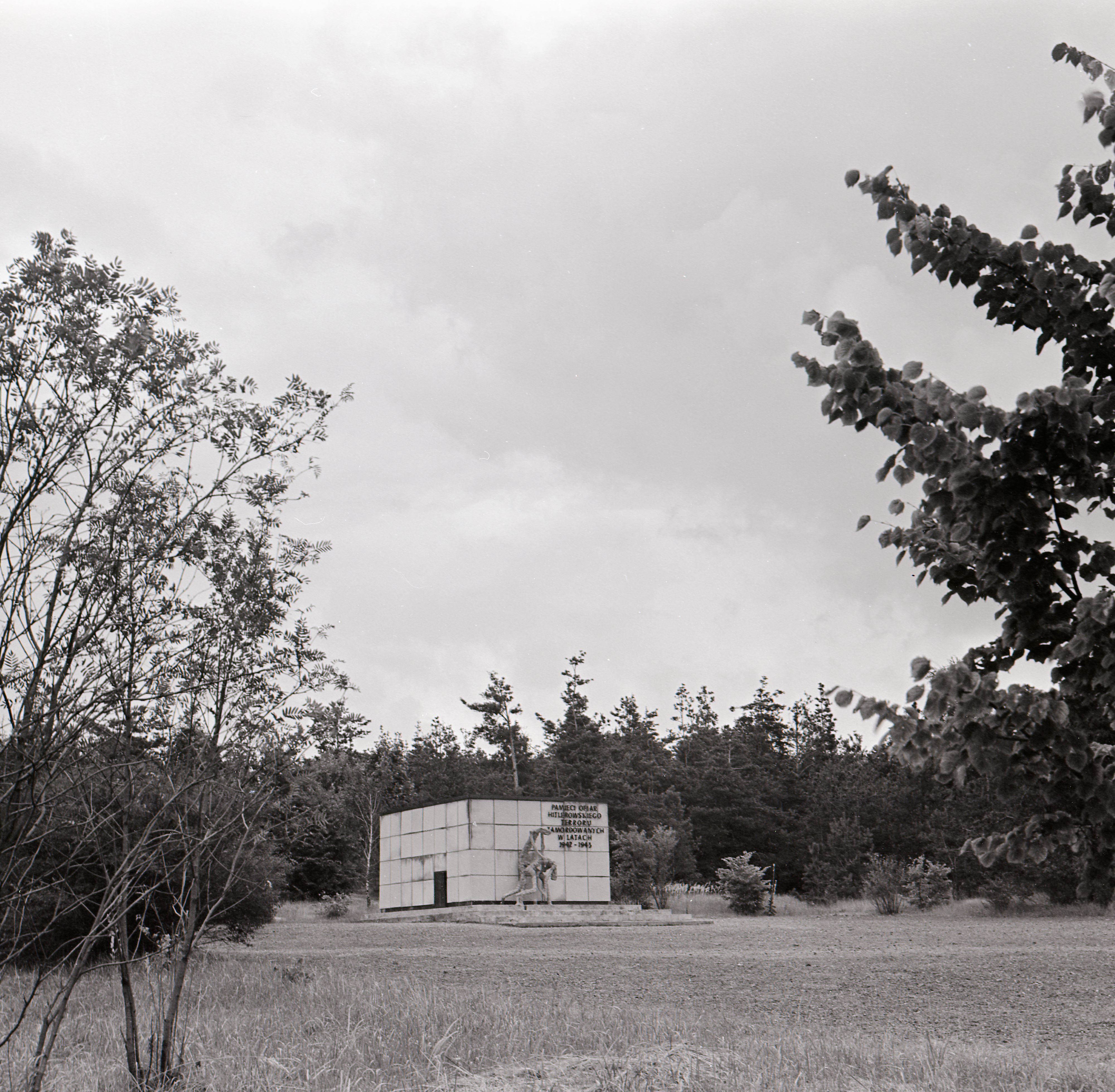
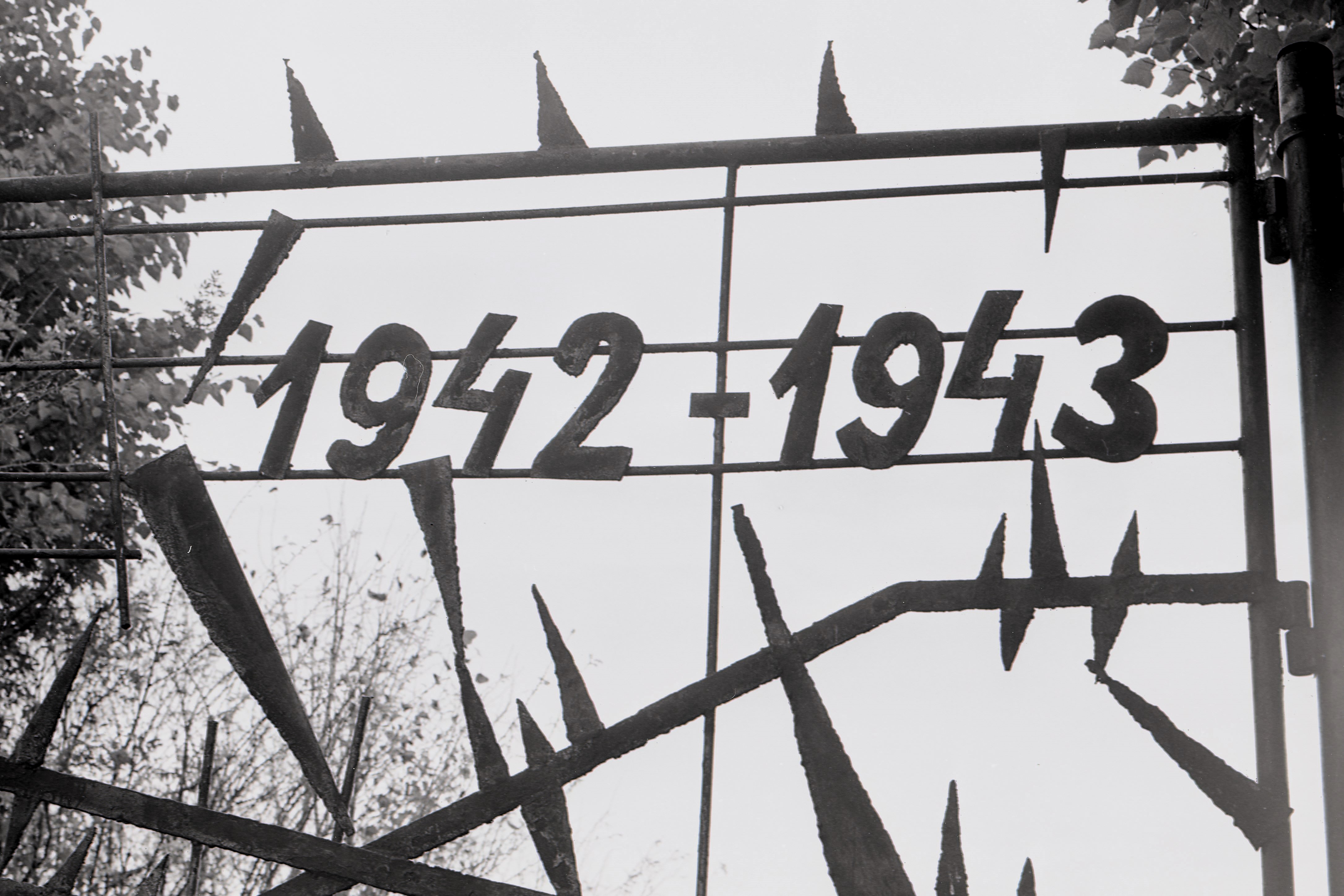
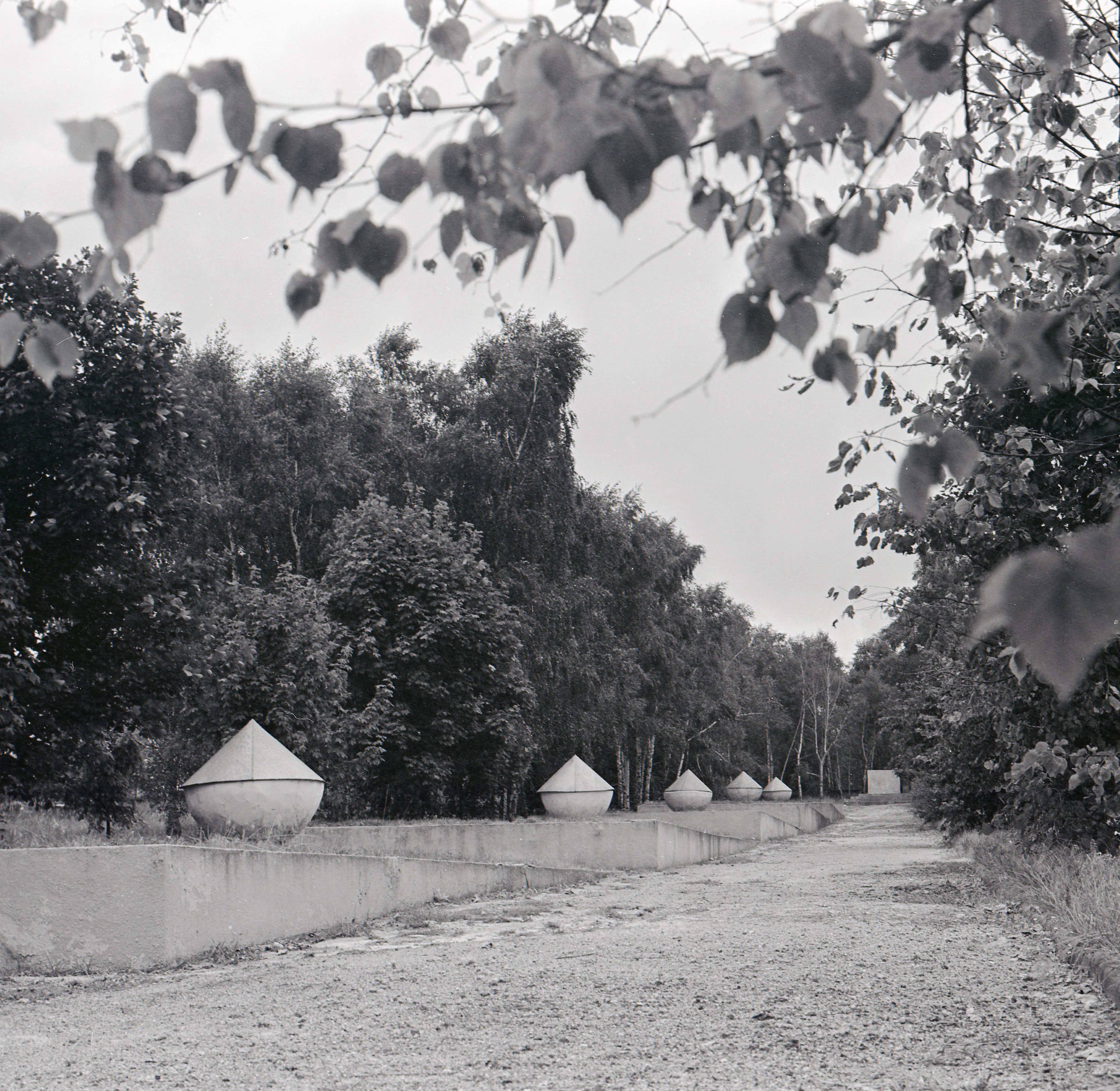
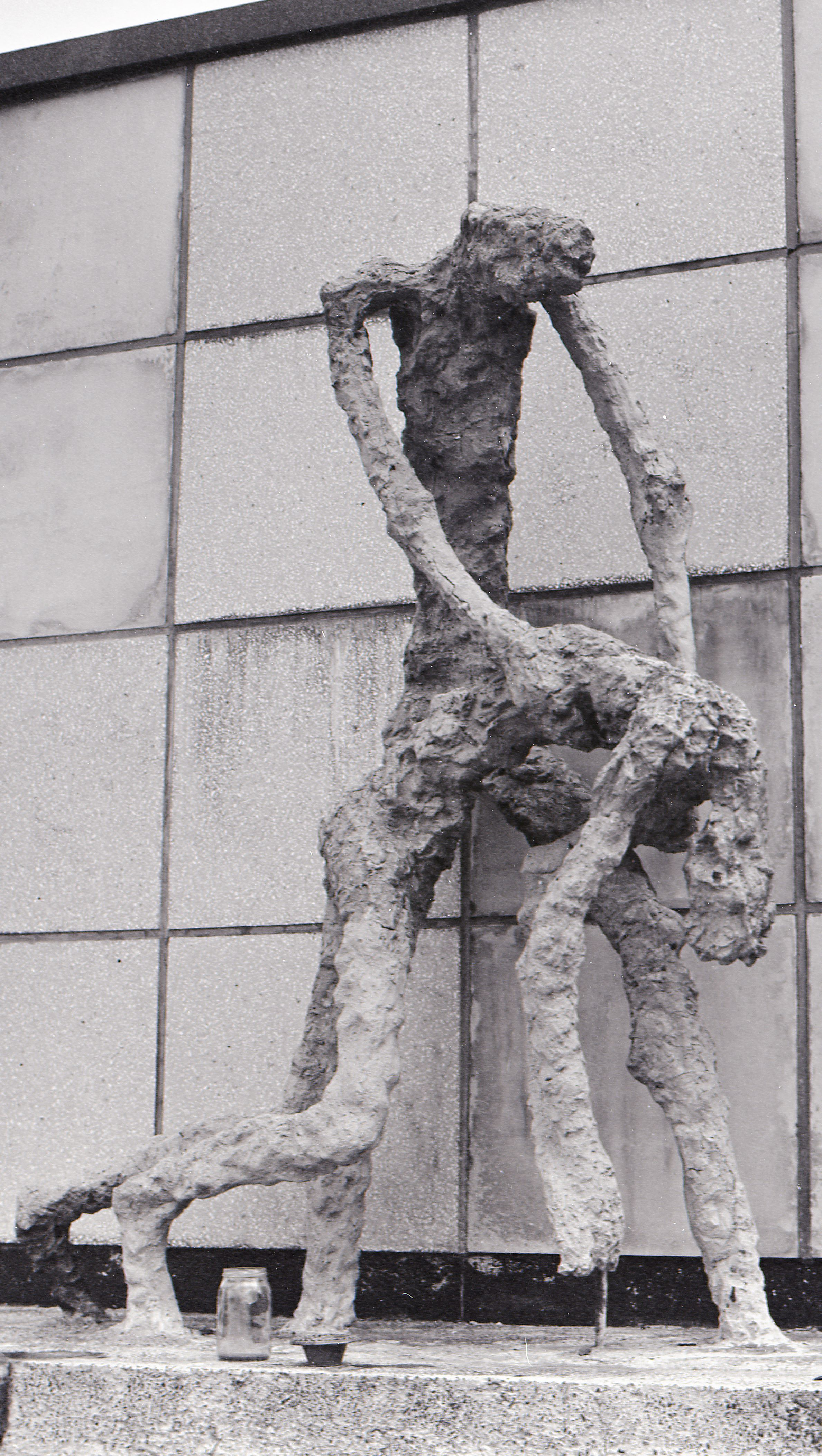
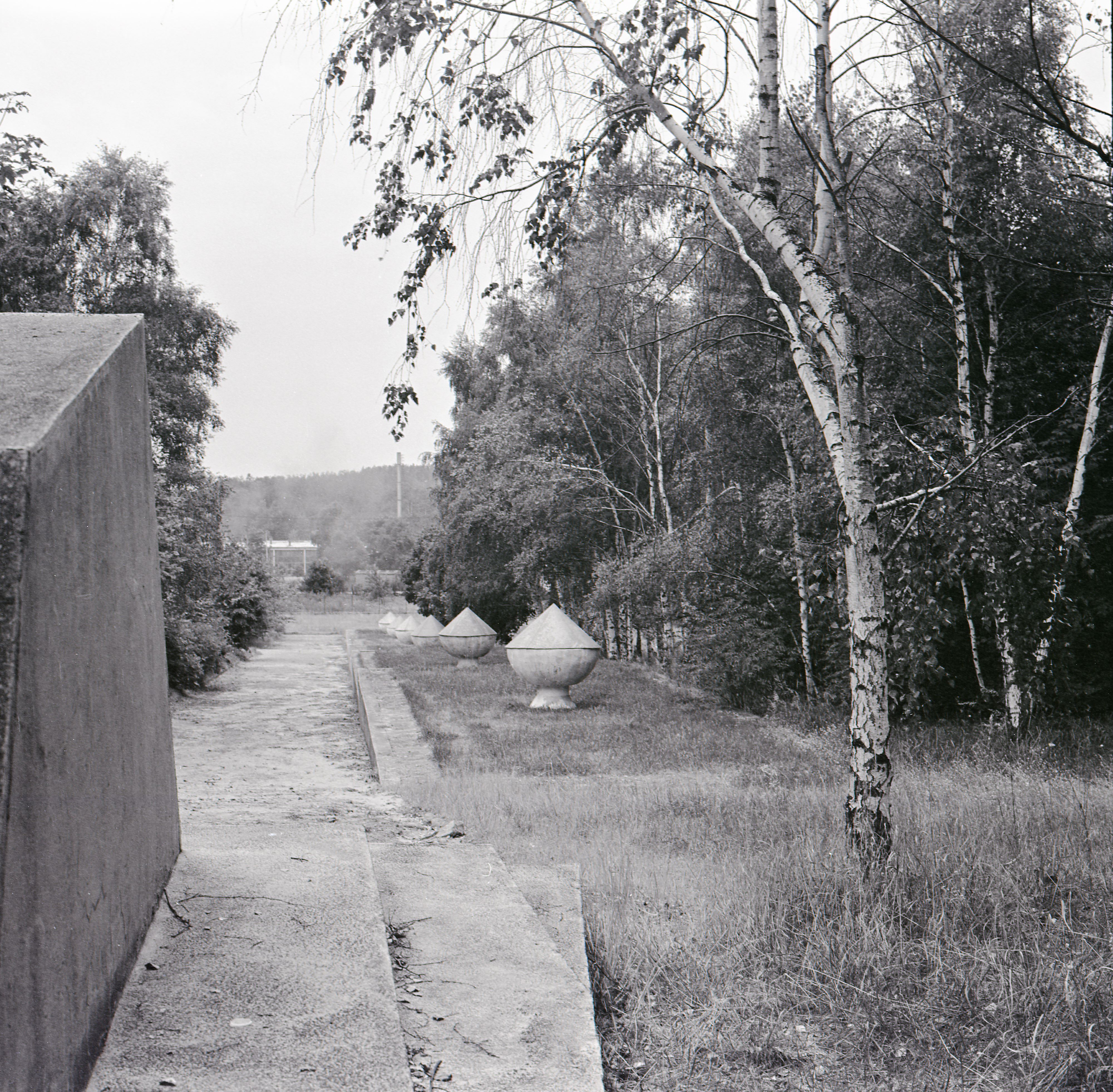
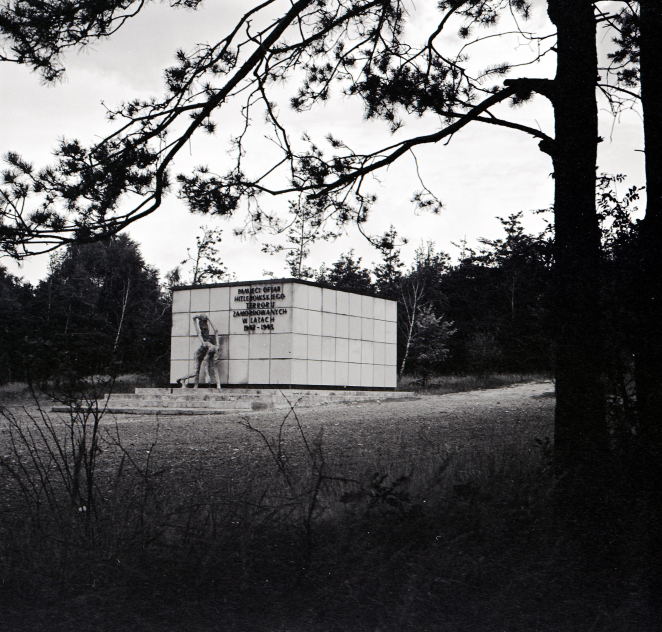
The first memorial in Bełżec was erected in 1963. The design was by engineer Henryk Jabłuszewski. The sites of the burial pits and cremation pits were marked with concrete obelisks, whilst the graves containing ashes were surrounded by kerbs on which urns and memorial candles were placed. The main monument – the mausoleum – took the form of a concrete cube 2.5 metres high. On its front was an inscription reading In memory of the victims of Nazi terror murdered in 1942 and 1943 and an expressive sculpture depicting two figures, one of whom is trying to lift the other, who is falling. The group was designed by Jarosław Olejnicki and Stanisław Strzyżyński. An additional plaque has been placed by the gate, stating that the victims included 600,000 Jews and 1,500 Poles.
An archive black-and-white photograph of the first memorial to the victims of the Bełżec extermination camp. In a clearing surrounded by forest stands a concrete cuboid bearing a commemorative inscription and a sculpture depicting two emaciated figures clasped together. The scene is captured from behind the branches of the trees.
The first commemoration at the site of the former Bełżec extermination camp

New Memorial Design

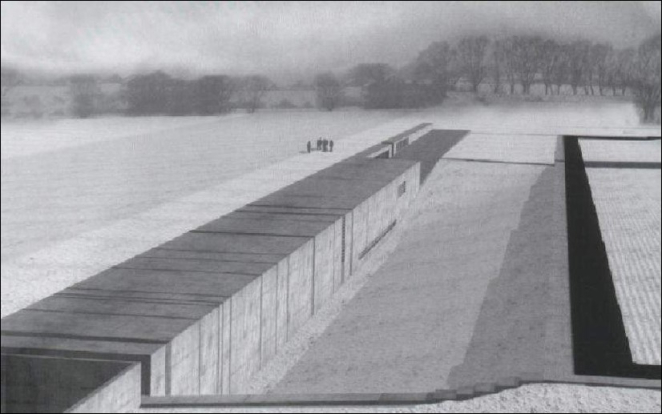
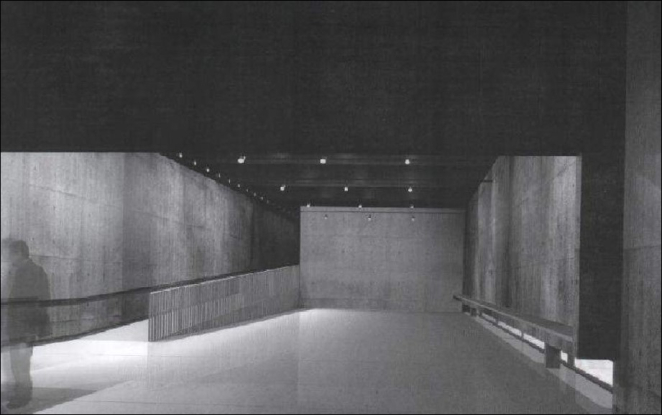
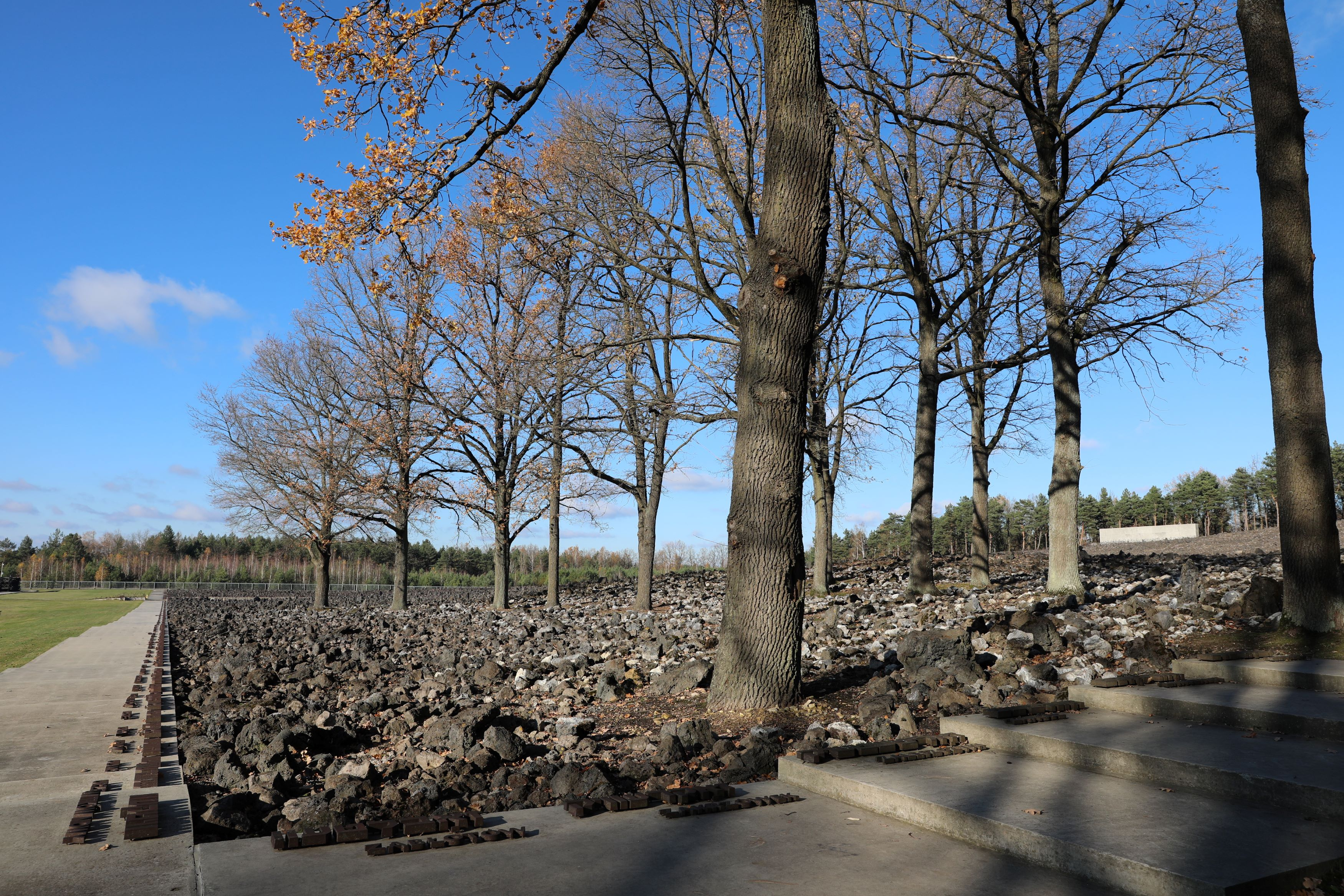
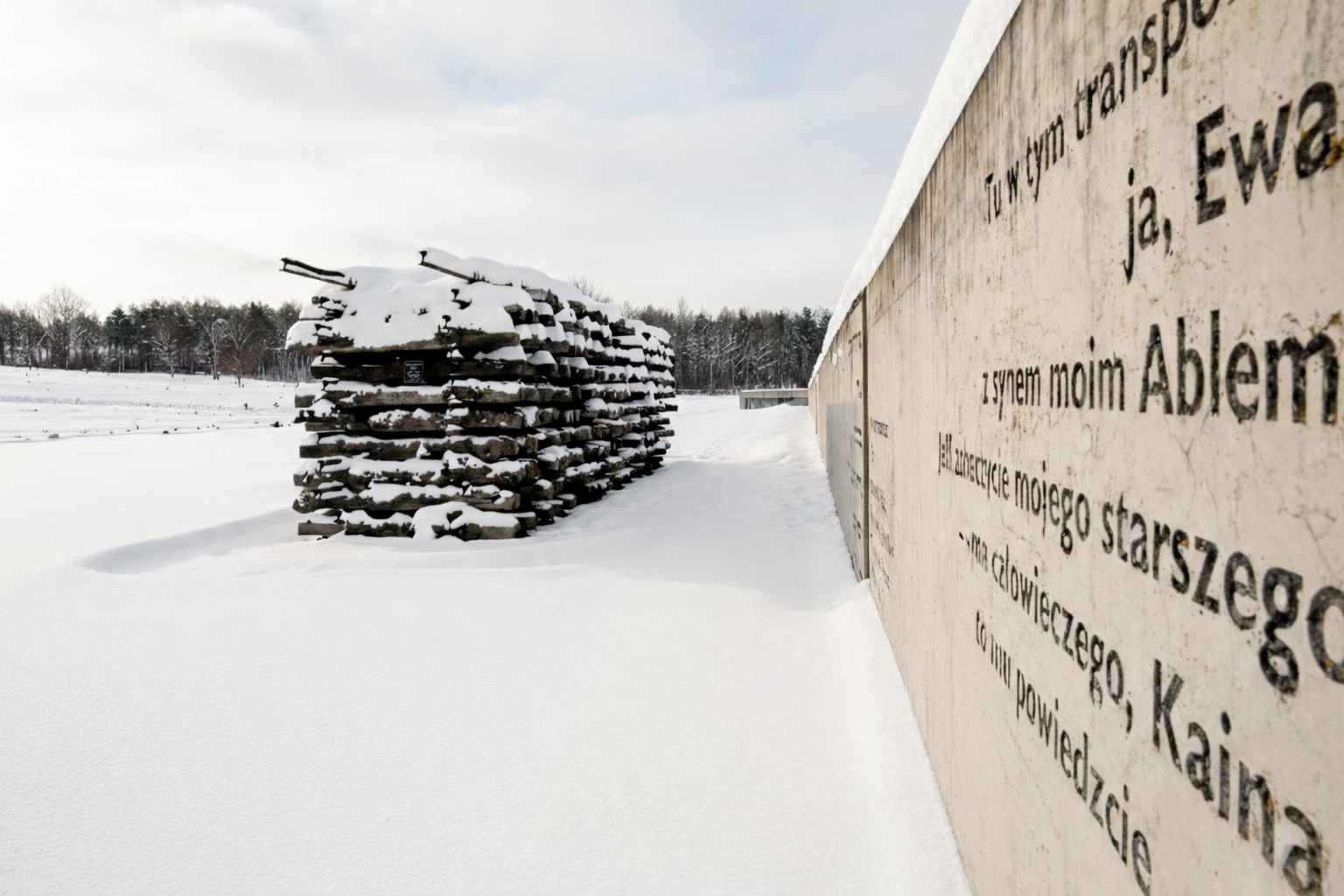
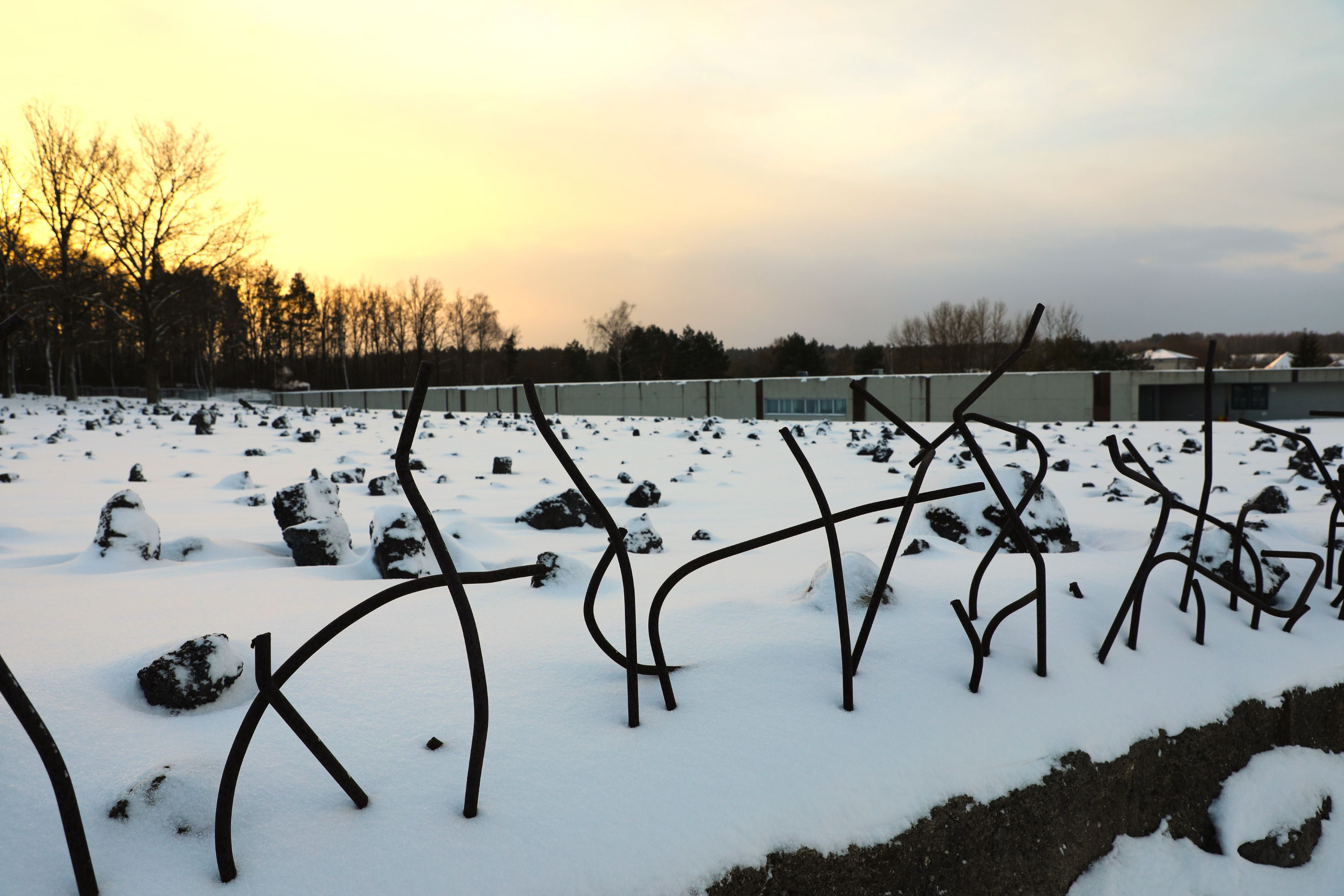
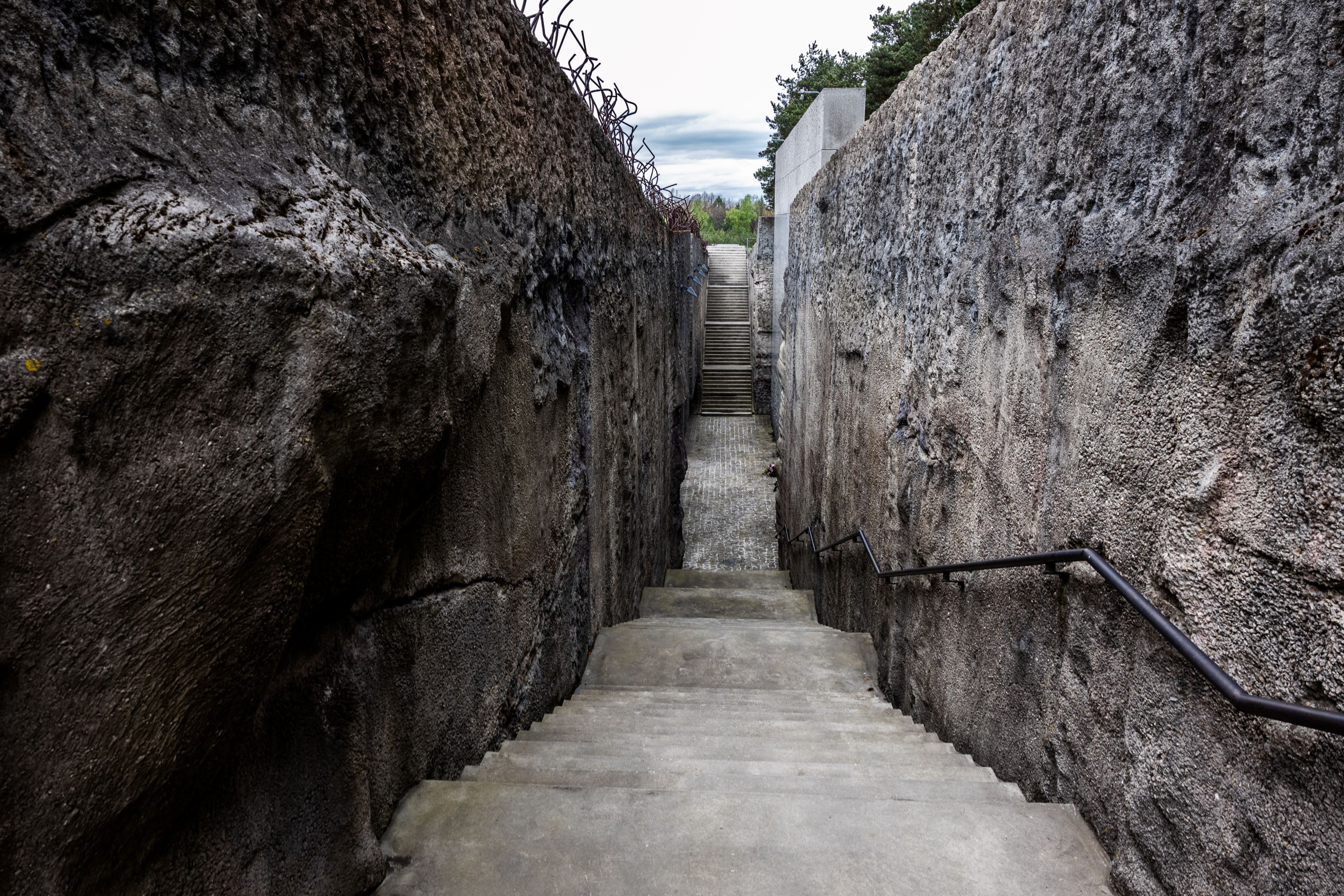
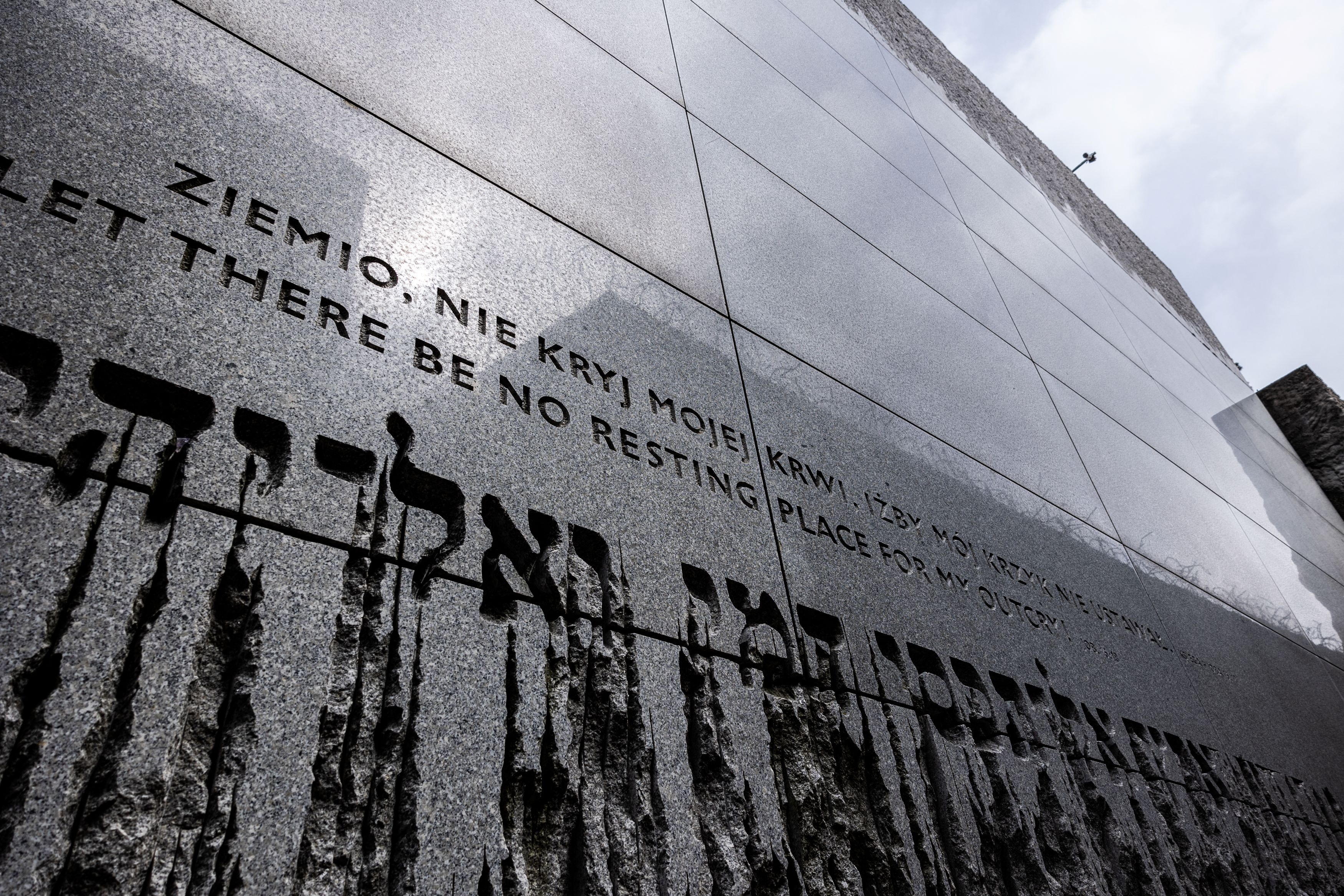
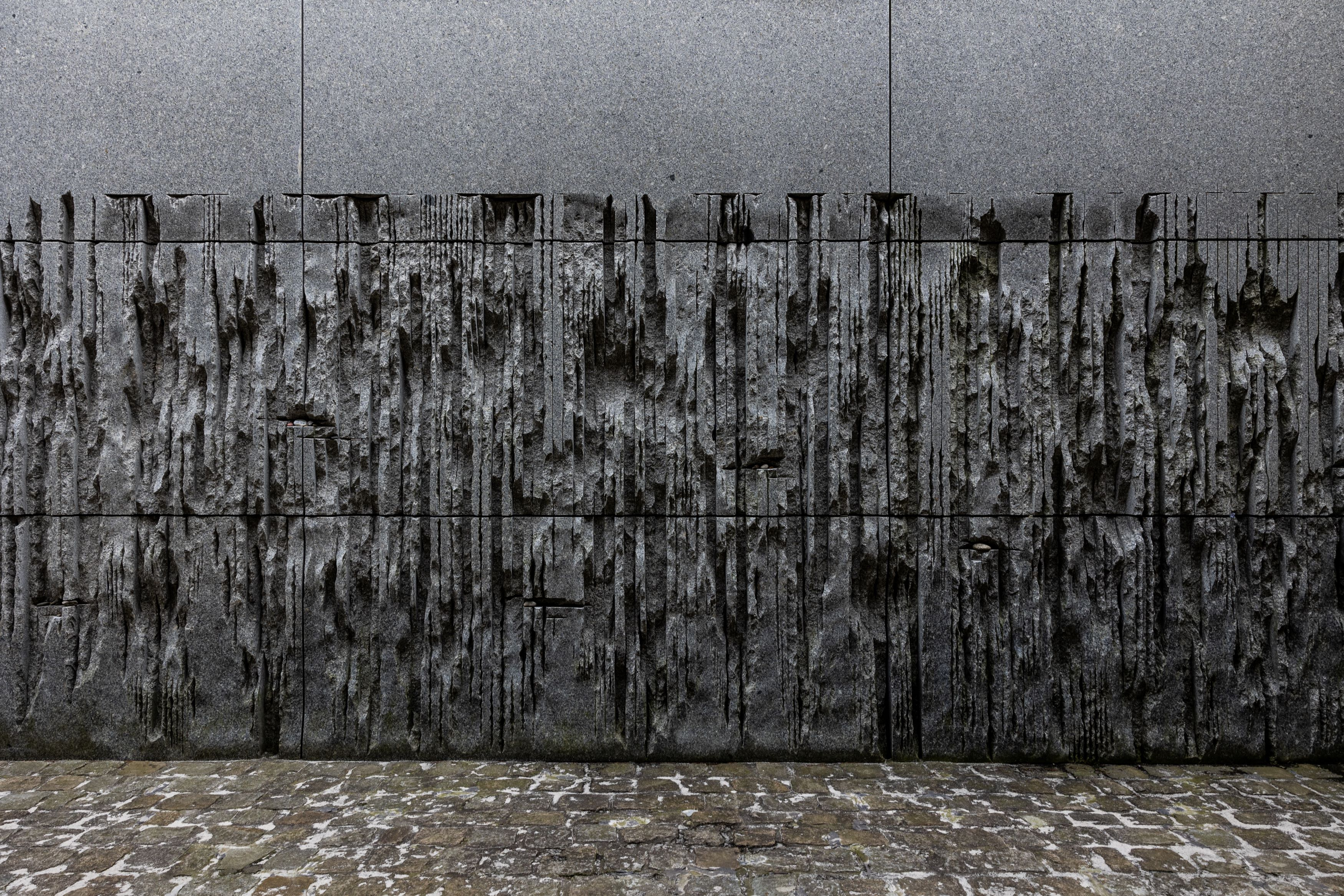
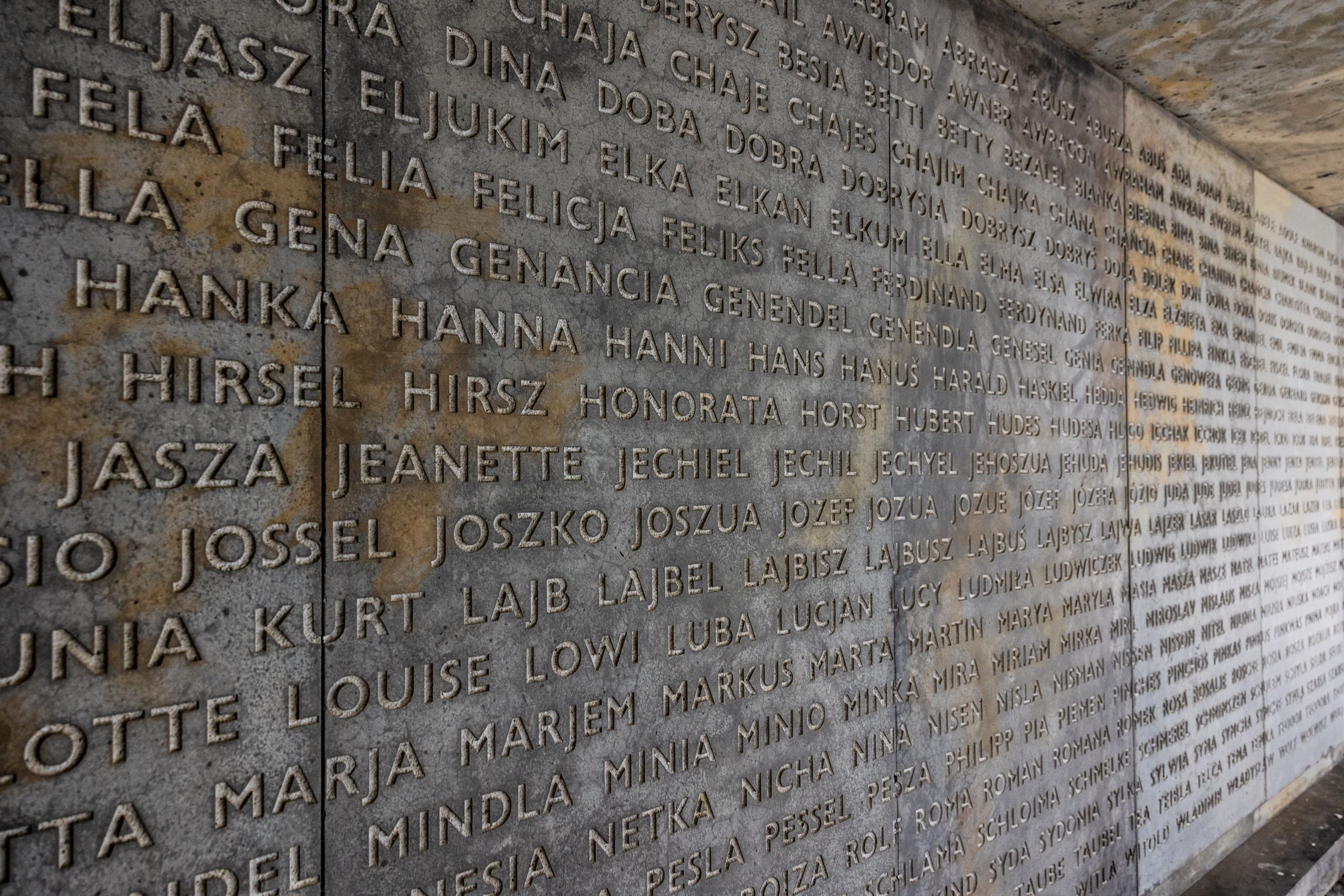
The creation of the modern memorial complex in Bełżec was the result of many years of preparation, which began in the second half of the 1990s. The impetus for the work came from the signing of an agreement between the Polish government and the Holocaust Museum in Washington, D.C., the aim of which was to create a modern memorial site on the grounds of the former extermination camp. In 1997, an architectural competition was held for the memorial design, the aim of which was both to secure the area of the mass graves and to create a symbolic space enabling reflection on the tragedy of those deported to the camp.

A black-and-white rendering of the architectural design depicting the museum building
Rendering of the museum building

During the implementation of the project, the Polish government was represented by Andrzej Przewoźnik, Secretary of the Council for the Protection of Struggle and Martyrdom. From 2002, the American Jewish community was represented by Rabbi Andrew Baker of the American Jewish Committee, who – under an agreement with the Holocaust Museum in Washington – took over responsibility for the further implementation of the memorial project. The project was co-funded by the Polish government and donors from the United States. The official opening of the Museum and Memorial in Bełżec took place on 3 June 2004.

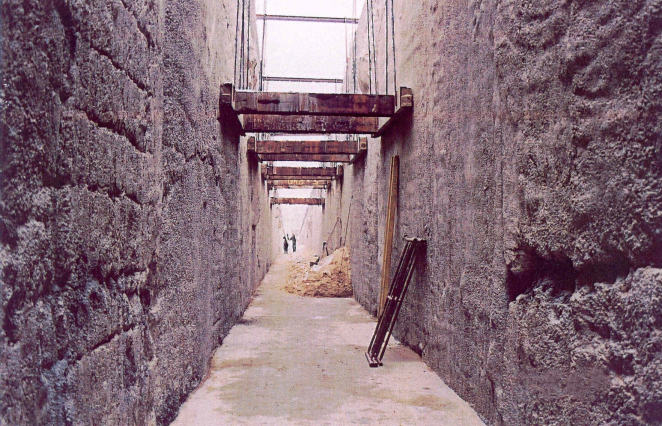
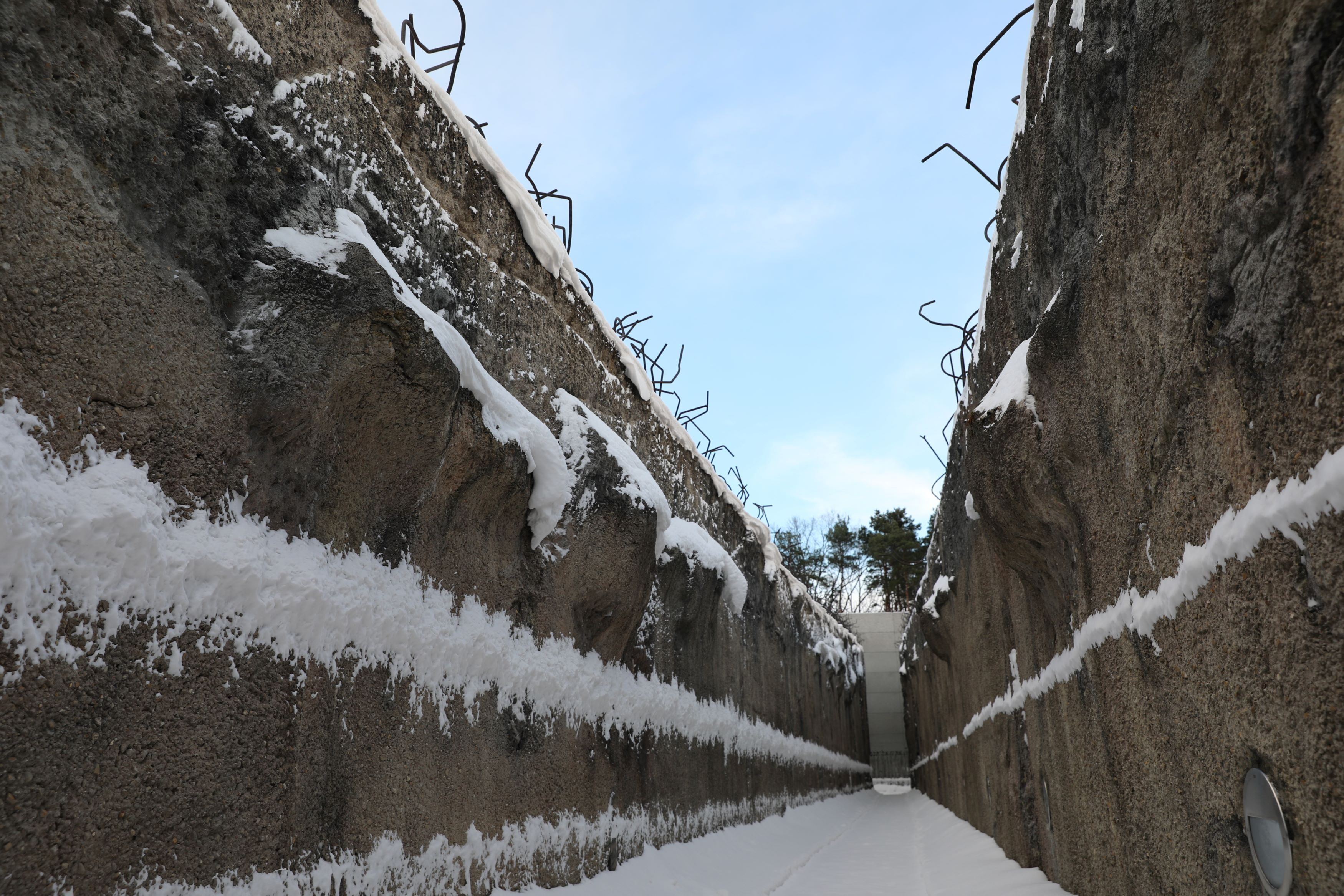
A colour photograph from December 2003 showing the construction of the ‘Szczelina’ in Bełżec. A view from inside a deep, narrow trench with bare concrete walls. Wooden struts are stretched across the passageway, and the silhouettes of workers can be seen in the distance.
Construction of the New Memorial Complex

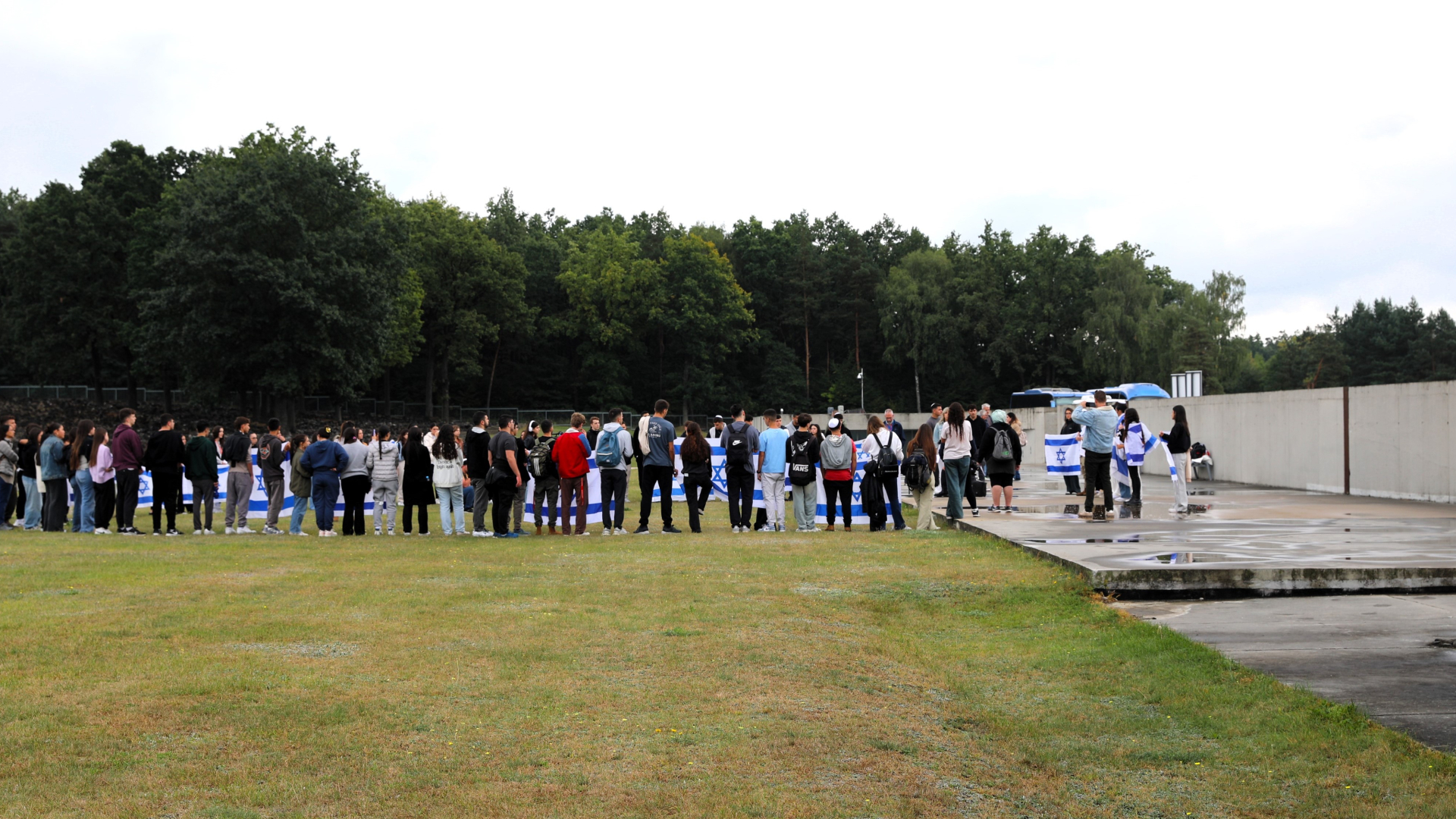
A wide shot showing a large group of young people gathered in the open grounds of the Museum and Memorial Site in Bełżec. The participants are standing in a large semicircle on a grassy area. They are holding outstretched blue and white Israeli flags bearing the Star of David. A wall of trees can be seen in the background
A group of young people at a memorial ceremony in Bełżec