Deportations to the Extermination Camp in Bełżec

Deportations to the Extermination Camp in Bełżec
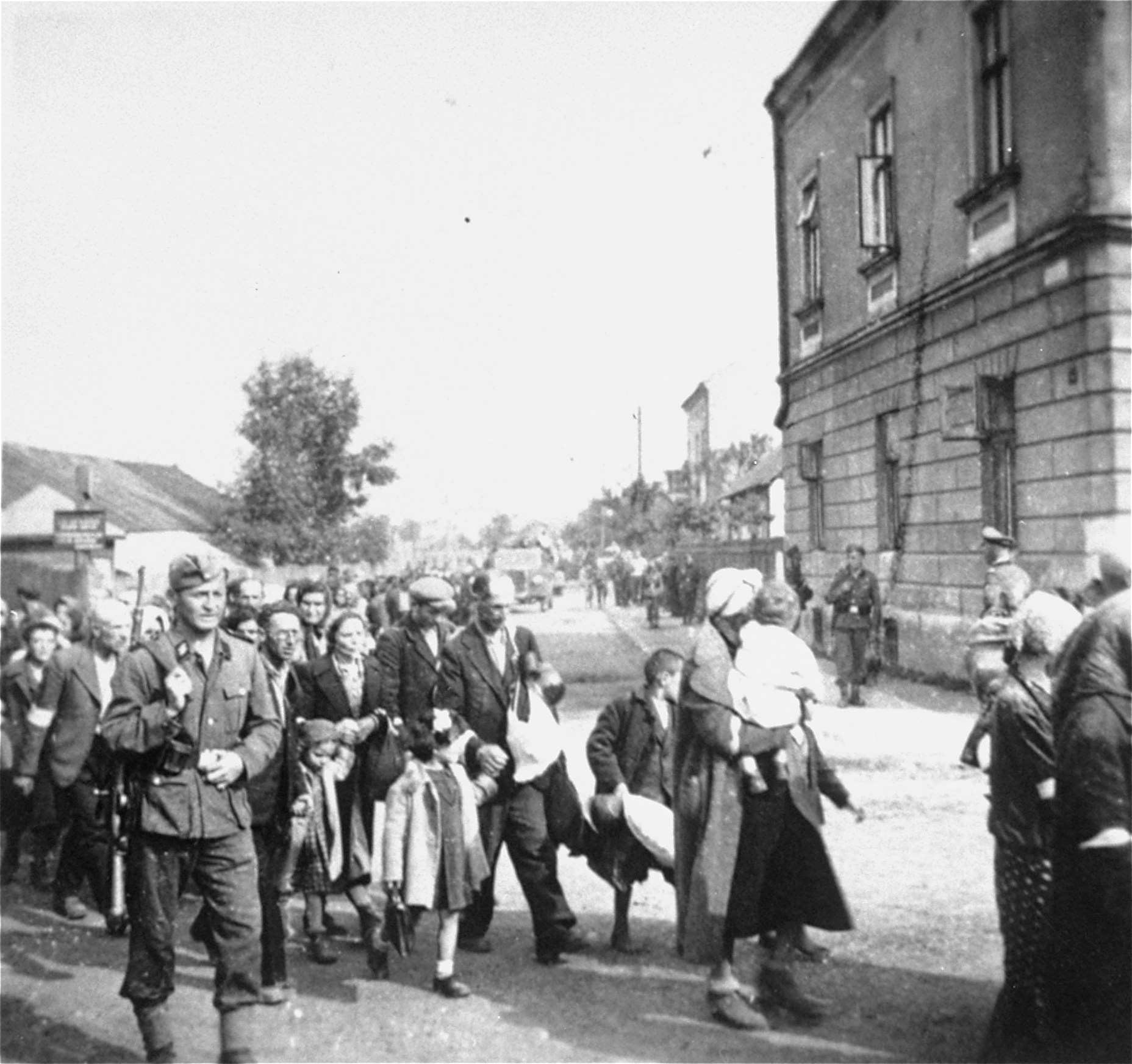
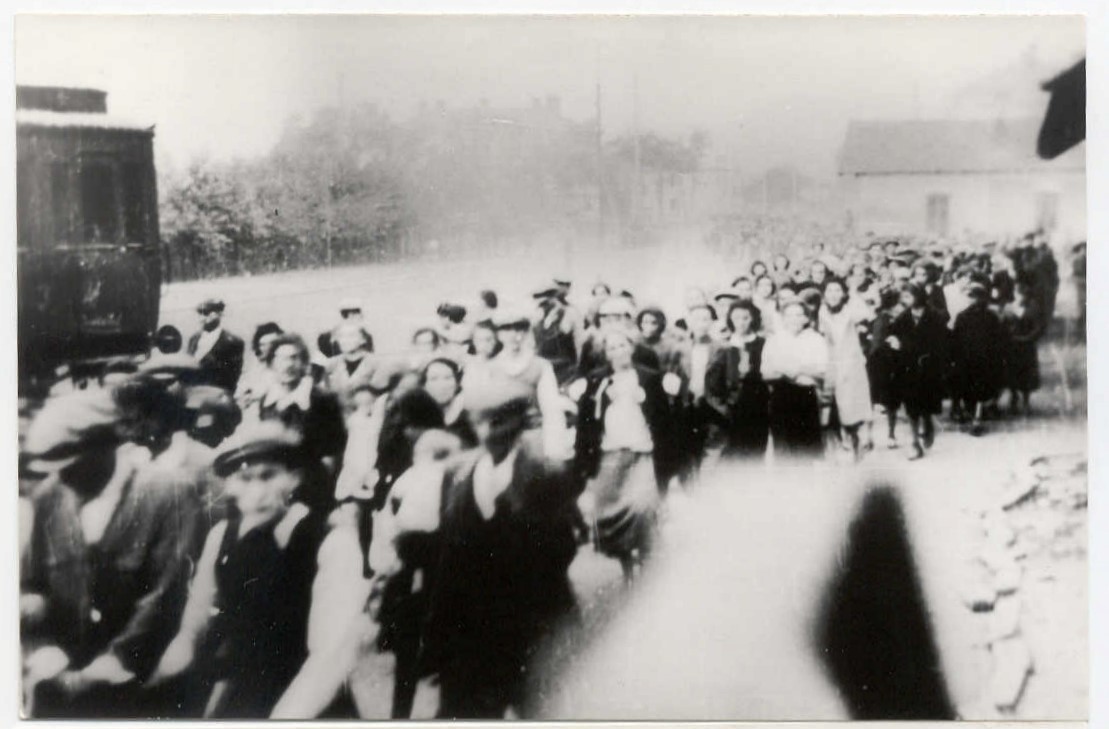
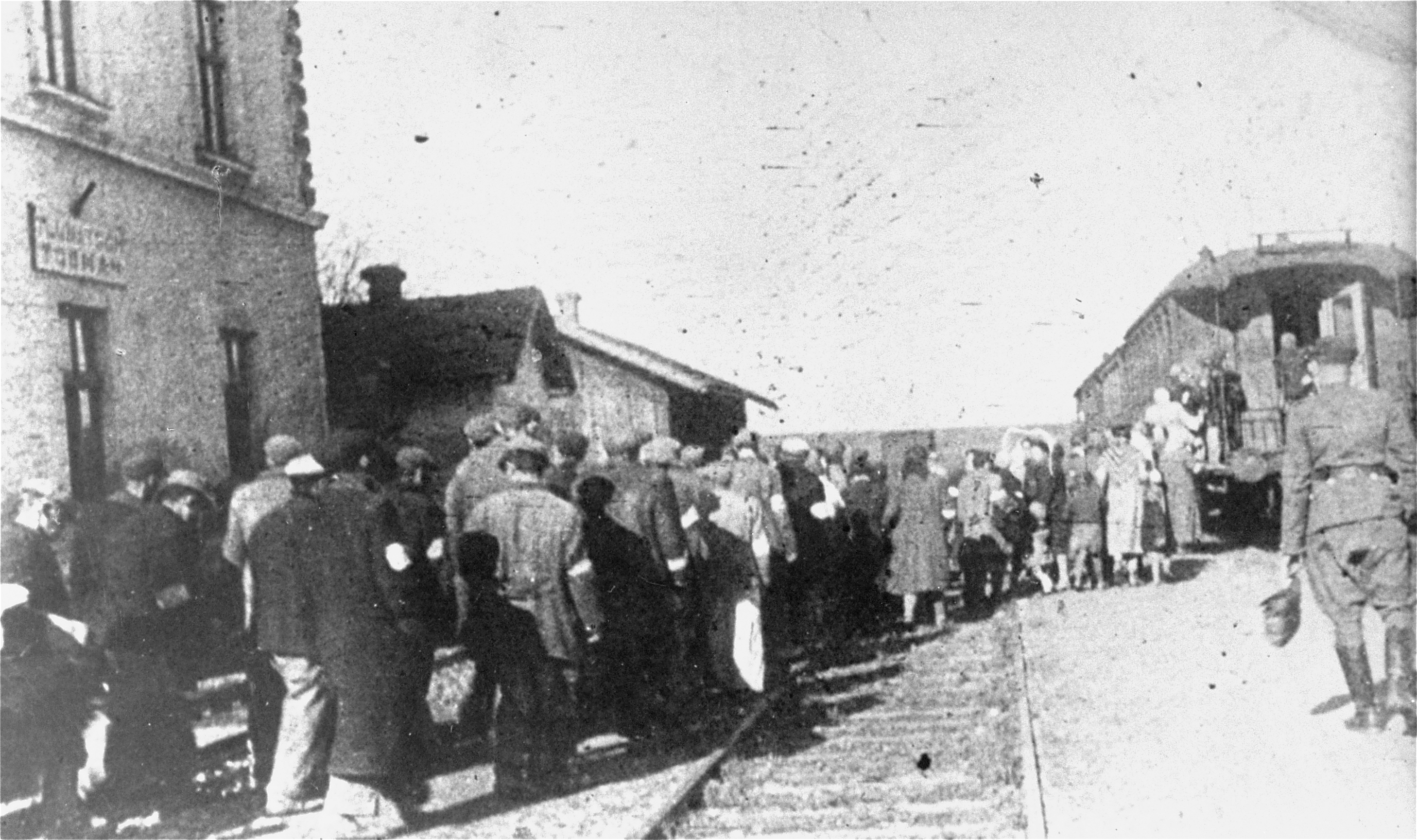
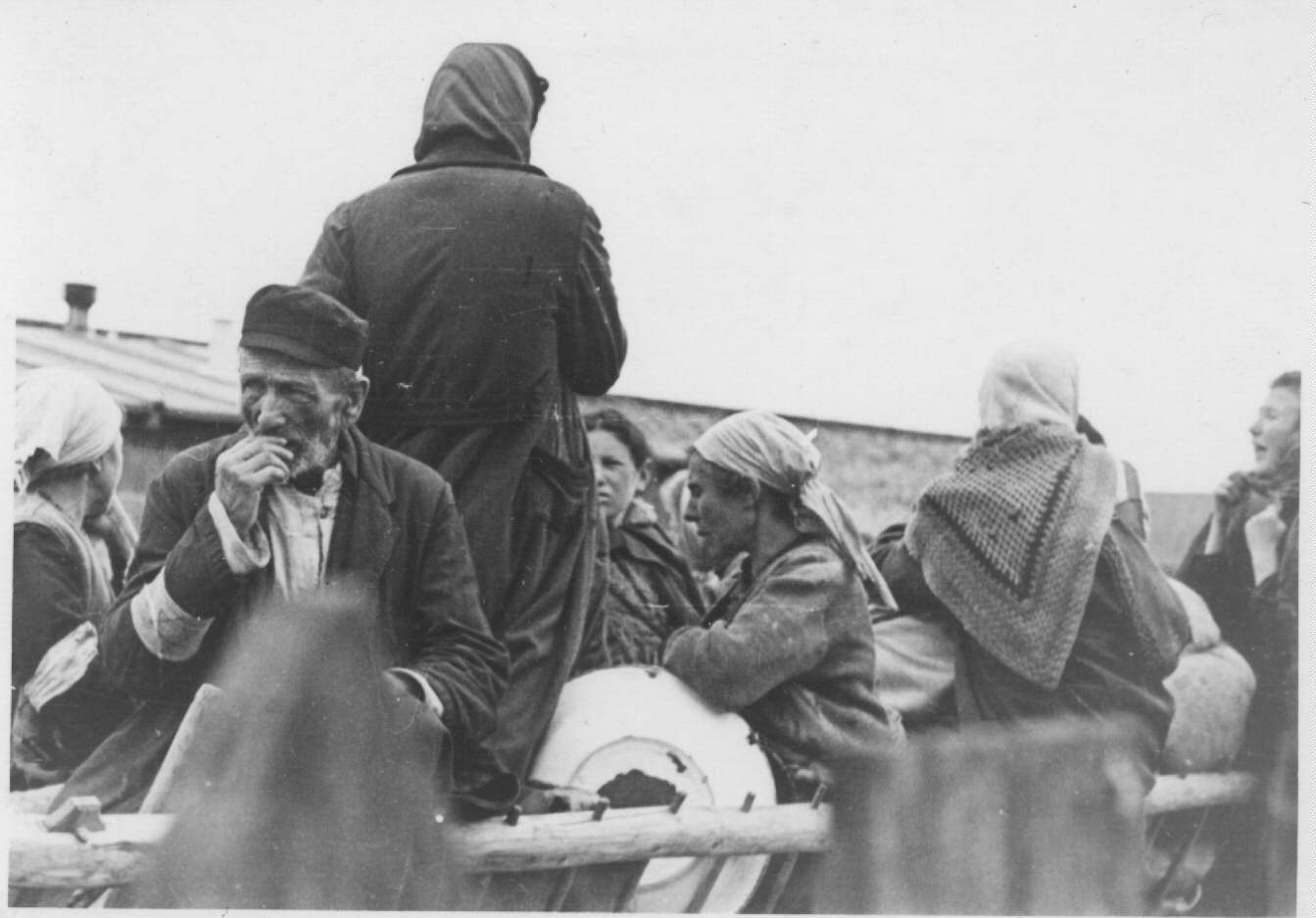
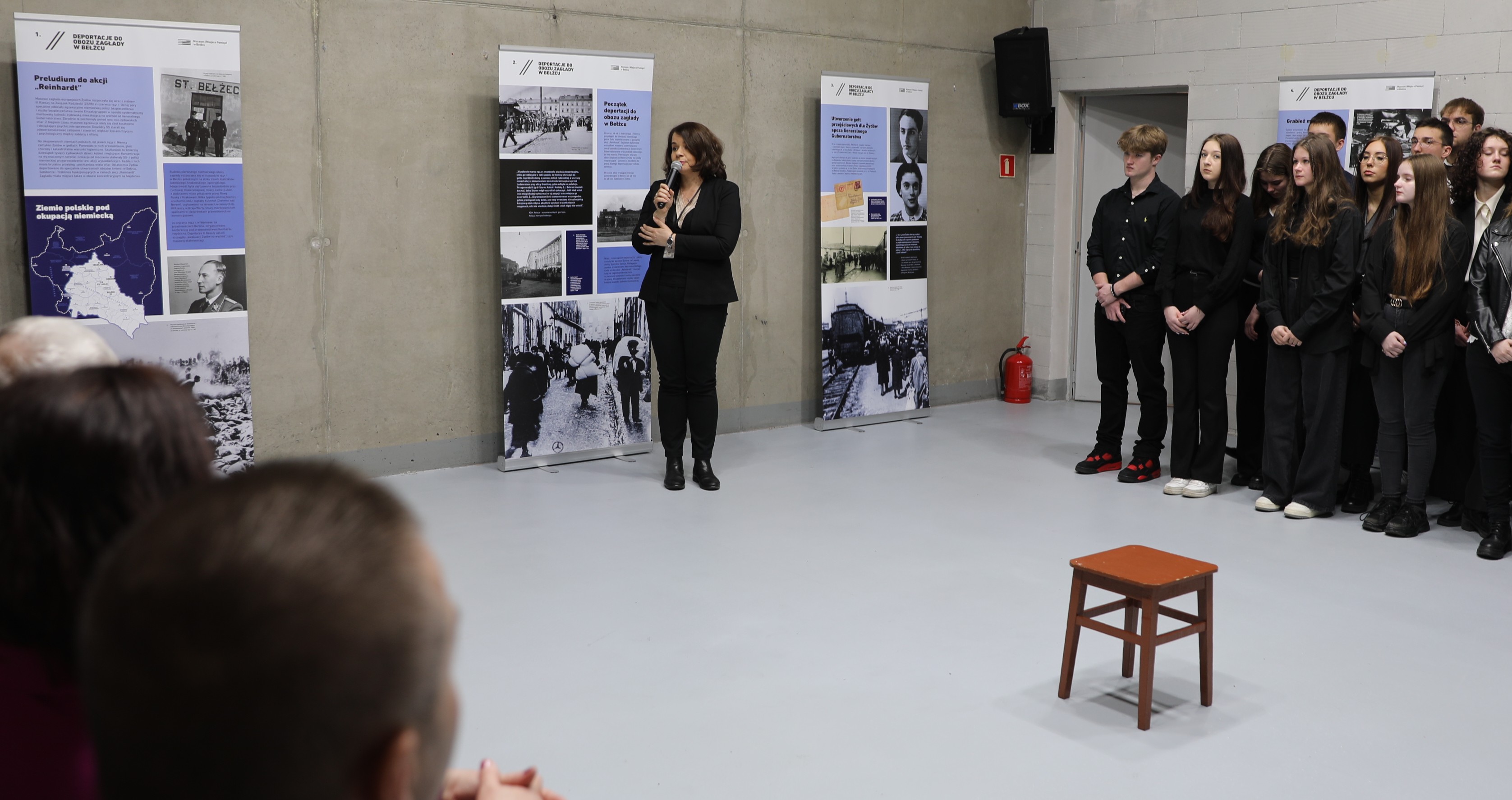
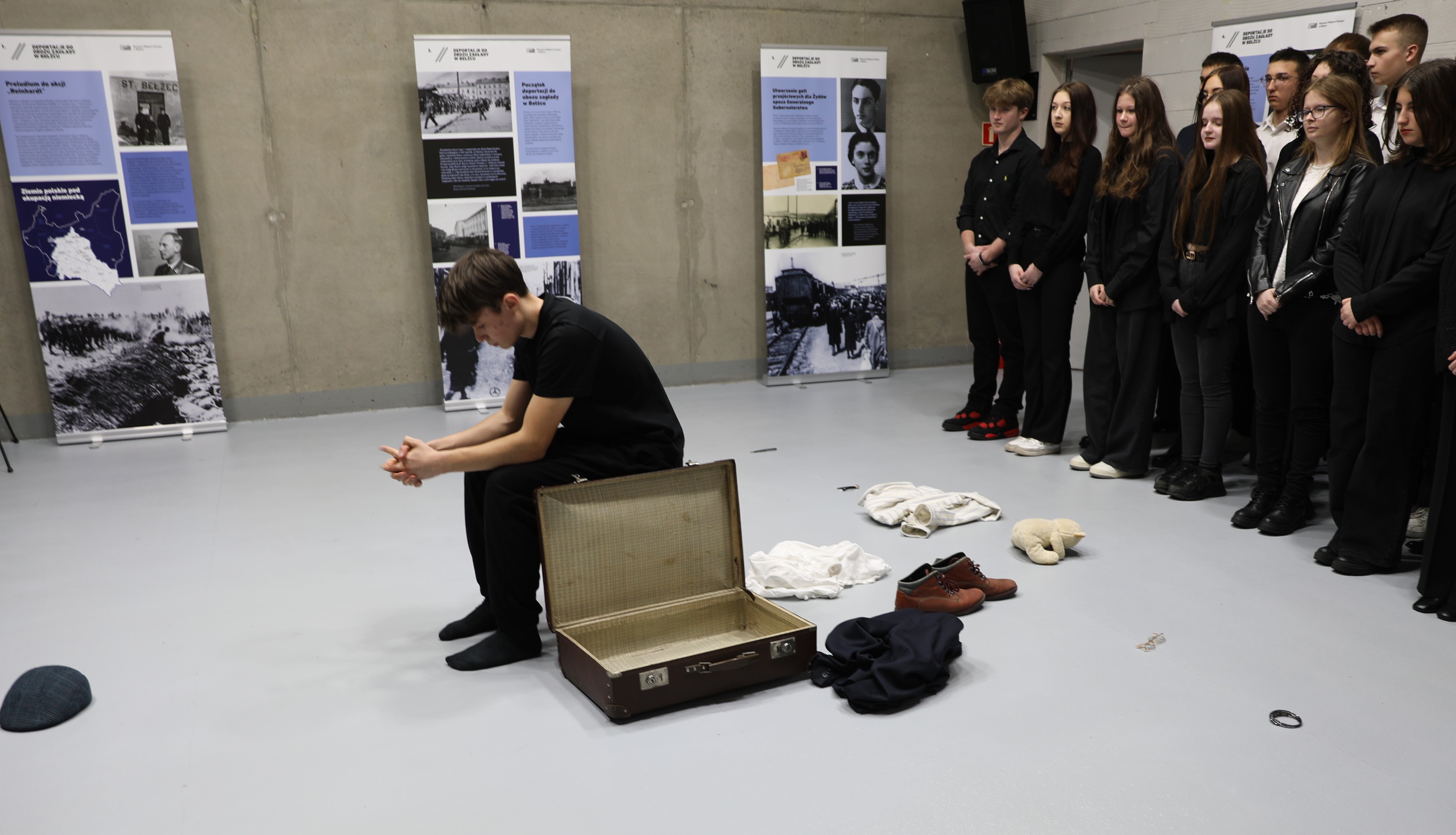
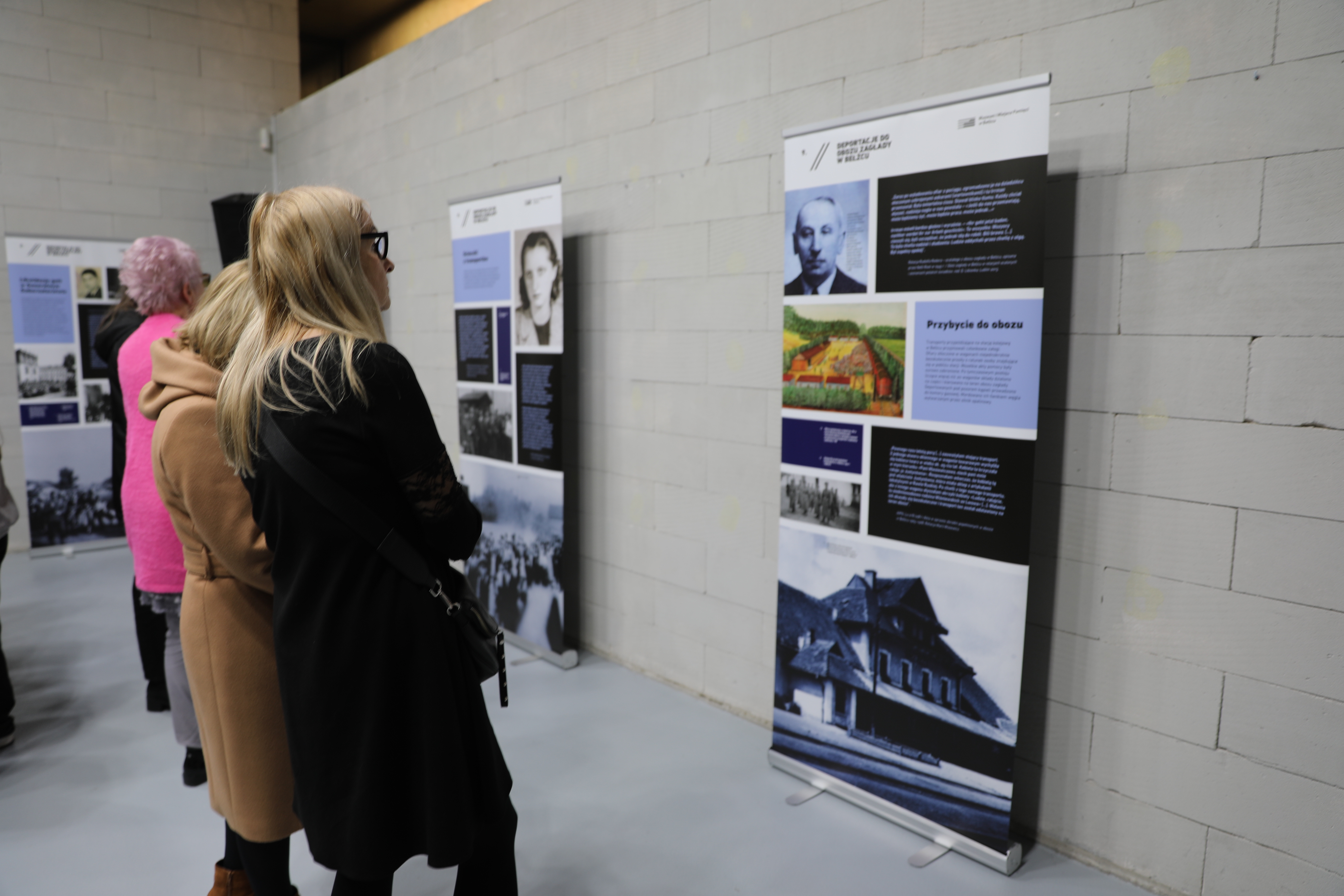
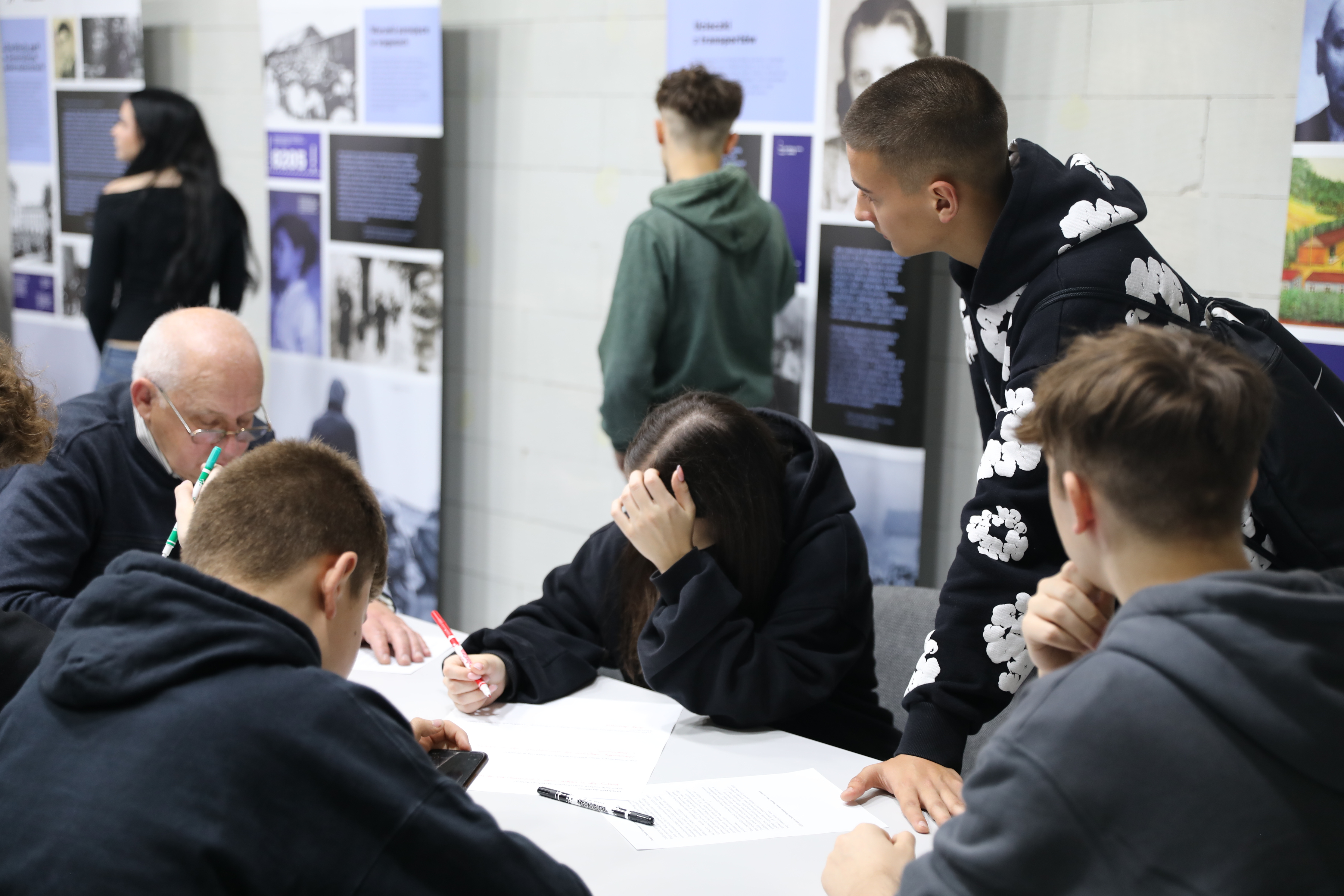
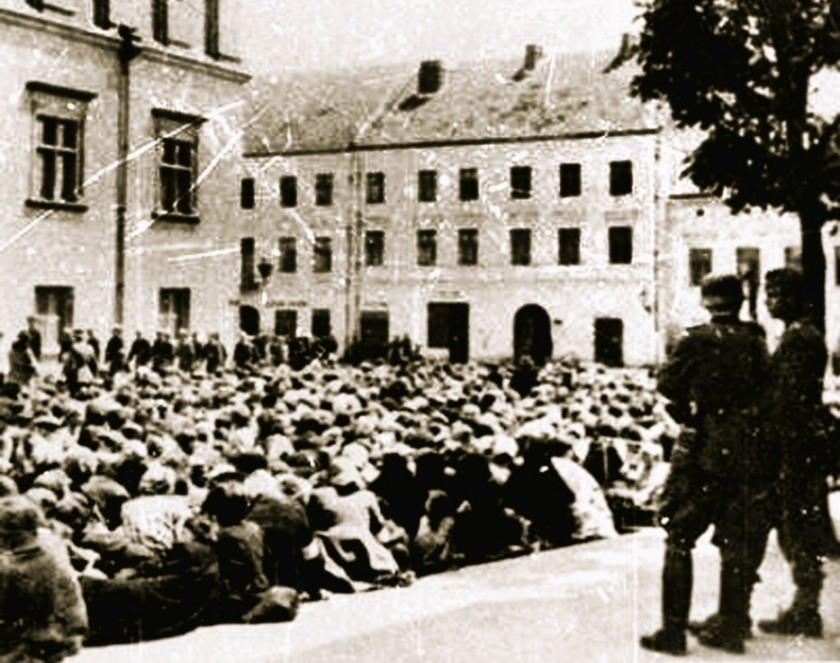
This exhibition documents the tragic fate of Jewish communities deported to the German extermination camp in Bełżec as part of Operation “Reinhardt.” It presents the process of systematic annihilation, which included brutal selections carried out in ghettos across the General Government and the Galicia District, as well as the deportation of thousands of people from abroad to transit ghettos such as Izbica. The exhibition also reveals the inhuman conditions of the railway transports, in which victims, crammed into overcrowded freight and cattle wagons, were transported to their deaths. Through personal farewell letters and the testimonies of the few survivors and escapees, it offers a deeply human perspective on those condemned to annihilation and oblivion.

Important information

Temporary exhibitionArchival
  • Exhibition start date:18.03.2024
  • Place:Museum and Memorial in Bełżec
  • Scenario:Ewelina Szumilak
  • Language Version:Polish
  • Artistic design:Izabela Tomasiewicz
  • Stylistic editing and proofreading of texts:Dorota Niedziałkowska
  • Exhbibition concept and consultations:Dariusz Libionka, Ewa Koper, Jakub Chmielewski

The Beginning of Deportations to Bełżec

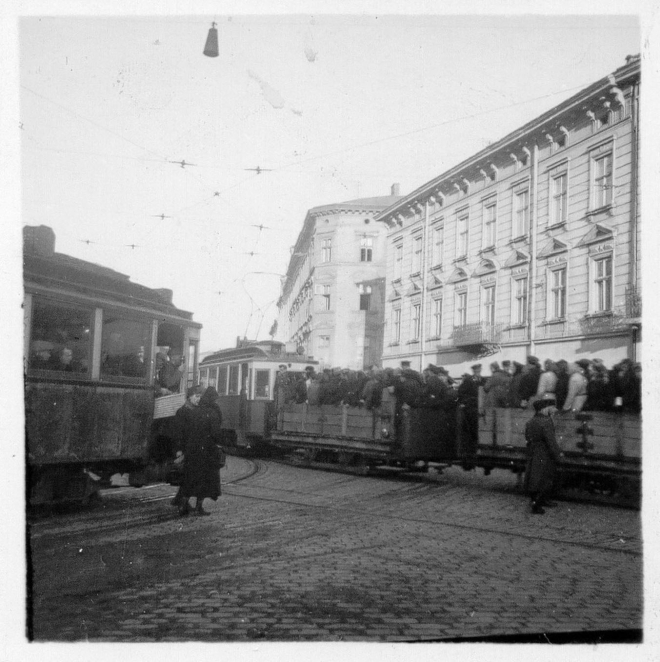
Operation “Reinhardt,” aimed at the systematic extermination of the Jewish population and the plunder of their property in the territory of the General Government, officially began on the night of 16–17 March 1942 with the liquidation of the Lublin ghetto. The operation relied on mass deportations to the newly established extermination camp in Bełżec, where those deemed unfit for work during brutal selections were sent first. At the same time, the extermination program expanded to other regions, including the Galicia District, where deportations of Jews from Lviv began in accordance with German directives.

A black-and-white historical photograph showing old tram carriages on a cobbled street in Lviv, two of which are filled with crowds of people, set against a backdrop of townhouses.
LVIV, 1942. JEWS SELECTED FOR DEPORTATION WERE TRANSPORTED BY TRAM WAGONS TO THE SUBURBAN KLEPARÓW RAILWAY STATION, AND FROM THERE TO BEŁŻEC.
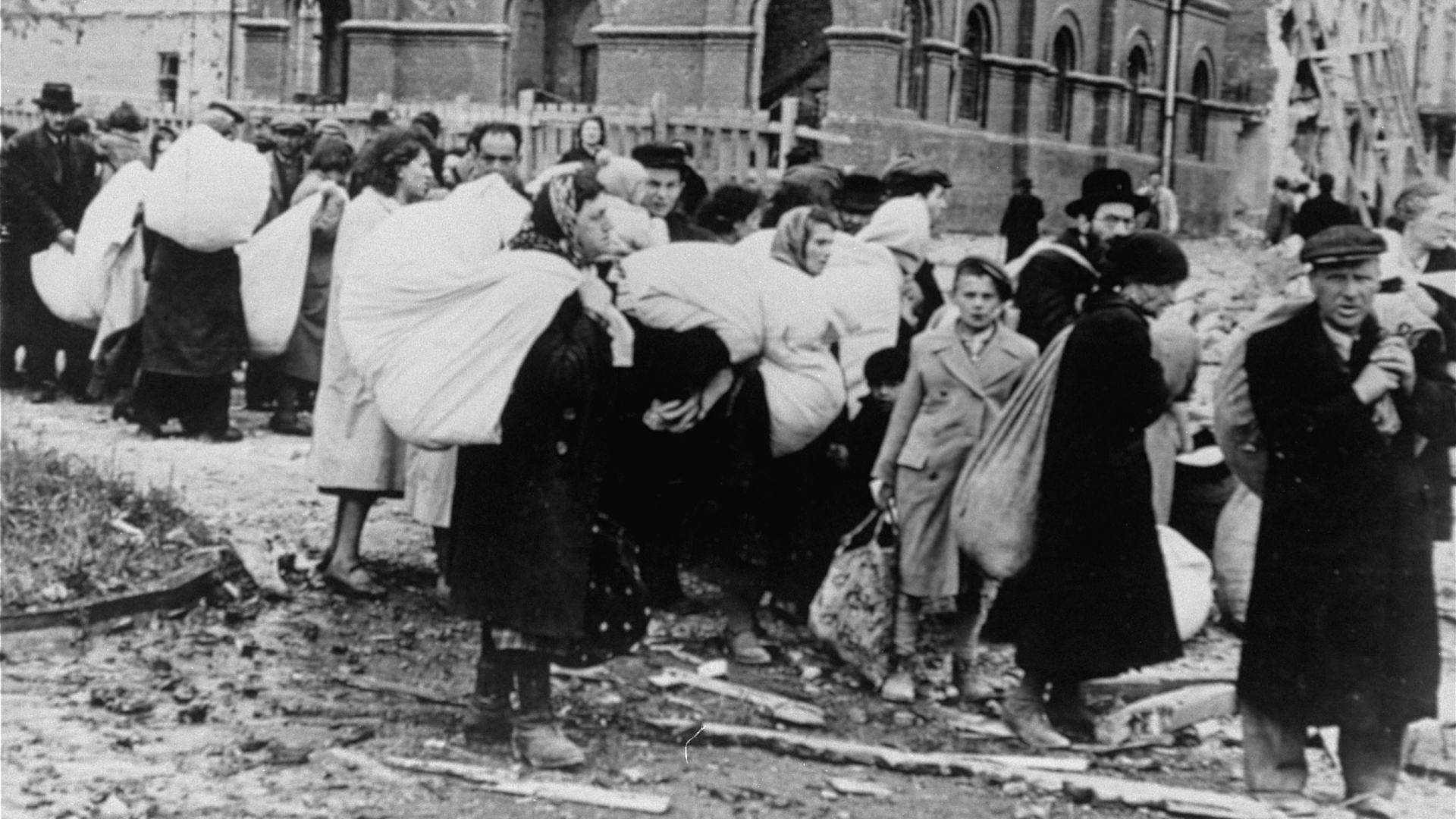
DEPORTATION FROM DROHOBYCZ, MARCH 1942

Plunder of Property

Jews were assured they would be relocated to a new place of residence and work. They were allowed to take only a small amount of luggage, up to 25 kilograms. In addition, they could carry money and jewellery. Most packed clothing, everyday items, documents, keepsakes, and family photographs.

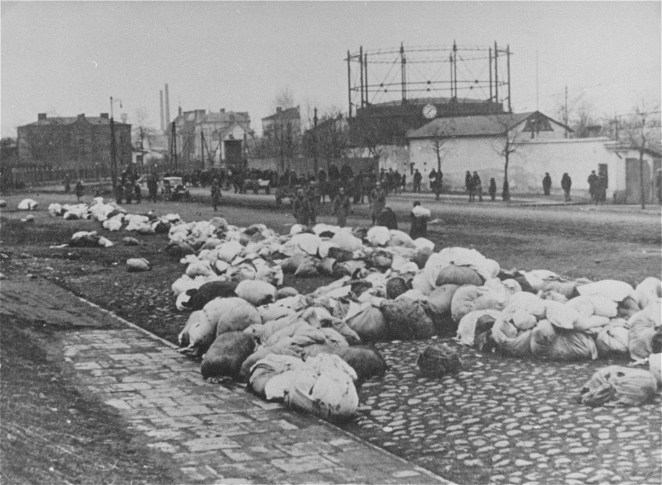
However, at the loading stations, deportees were often forced to abandon all their belongings. Photographs from Drohobycz show piles of possessions left behind on the railway platform. Then all these confiscated items were sorted and stored before ultimately being sent to the Third Reich.

A photograph showing the railway platform in Drohobych, with numerous bundles and pieces of luggage scattered about. People and town buildings can be seen in the background.
BELONGINGS LEFT ON THE PLATFORM BY JEWS DEPORTED FROM DROHOBYCZ TO BEŁŻEC

Escapes from Transports

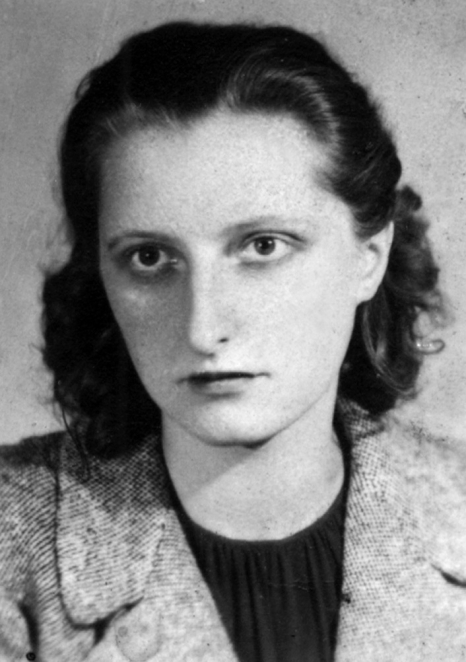
Mila Sandberg-Mesner recalls:

My parents were determined to go to their deaths. They were exhausted from fleeing and hiding. Besides, they believed we would have a better chance of surviving without them. My mother sat in the corner of the wagon, sobbing. ‘How will I know my children won’t hurt themselves jumping from a moving train?’ My father tried to comfort her: ‘When our children jump, angels will spread their wings to soften the fall.’
Then my mother tore her handkerchief into strips to tie our shoes securely to our feet.
We gave them the last pieces of bread we had in our pockets. We embraced them one final time, as if in a trance. […] It felt like I was falling for a very long time before I felt gravel beneath my feet. I was unharmed. I lay still, watching the ghost of the train disappearing into the darkness. On that train there were my parents, on their way to their deaths.

A black-and-white portrait of a young woman with dark, wavy hair that falls to her shoulders. She has a serious expression on her face and is looking directly into the camera. She is wearing a dark blouse and a light-coloured jacket.
MILA SANDBERG, LVIV, 1944

Travelling Exhibition

The exhibition may be rented free of charge. For further information, please call (+48) 84 665 25 10.